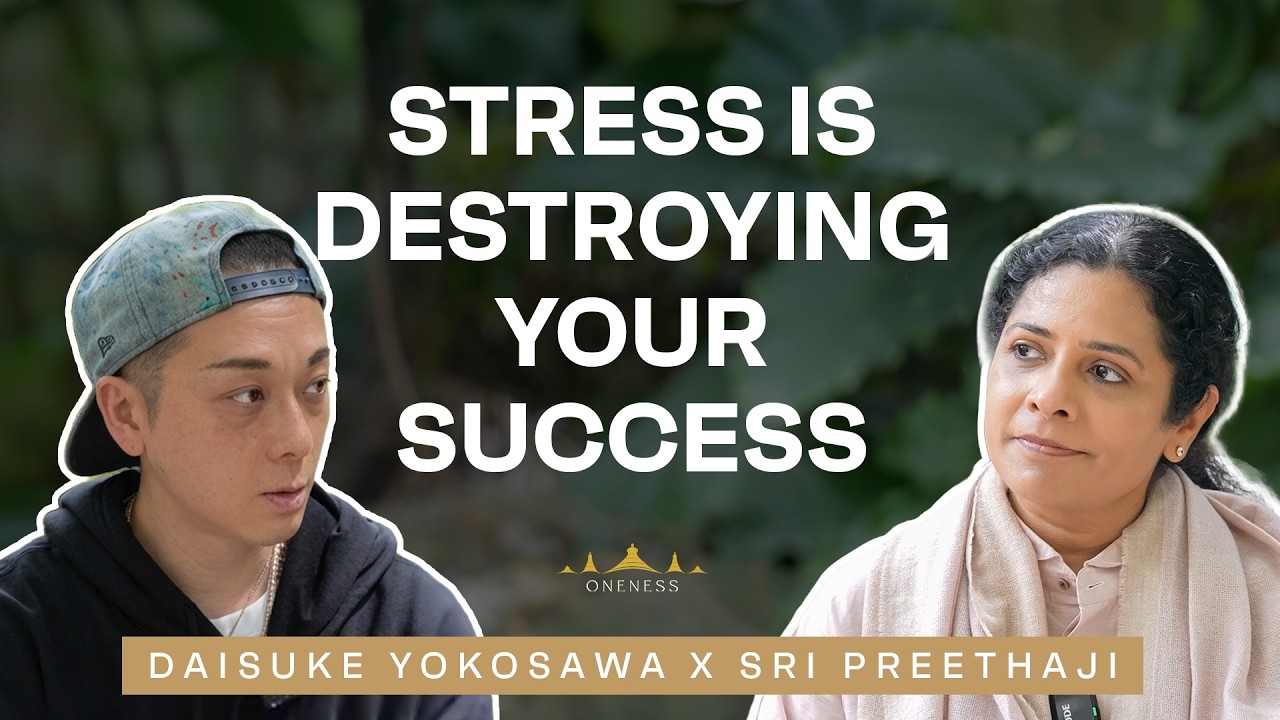
This teaching explores the inner journey of genuine self-discovery as a pathway to authentic freedom and joy. Through the framework of the Oneness Movement, the instruction centers on how turning attention inward and truly being present—rather than constantly doing or achieving—activates a fundamental shift in consciousness. The practice dismantles false identities built on external validation and reveals the inherent peace and freedom that comes from direct contact with one's actual nature.
What Is the Inner Journey in Spiritual Practice?
The inner journey is not a metaphorical concept but a deliberate shift of attention and awareness from external pursuits to direct investigation of one's own being. Rather than seeking completion through external accomplishments, relationships, or possessions, the inner journey asks: Who am I when I stop seeking? This inquiry is not intellectual but experiential—a return to presence itself.
In the context of the Oneness Movement teachings, the inner journey begins with a simple but radical act: noticing that much of human suffering arises from a fundamental disconnect between how we actually are and how we believe we should be. This gap between the real and the constructed self creates chronic tension. The journey inward closes this gap by returning awareness to what is actually present, rather than what is imagined or feared.
How Does True Being Create Freedom?
The distinction between being and doing is central to understanding authentic transformation. Most people move through life in constant doing—acquiring skills, achieving goals, proving worth. This doing emerges from an underlying assumption: I am not enough as I am. Freedom, from this perspective, arises not from more doing but from the cessation of the compulsion to prove.
When a person genuinely settles into being—simply aware, present, alive—two things occur simultaneously. First, the constant internal narrative of inadequacy quiets. Second, actions that follow from this state of being are inherently aligned rather than forced. They emerge from authentic response rather than defensive reaction. This is what authentic transformation looks like: not a change in circumstances, but a fundamental shift in how one relates to existence.
The Oneness Movement teaching suggests that this freedom is not earned or created; it is revealed. It already exists beneath the layers of conditioning, habit, and false identity. The practice is one of removal—clearing away what obscures the natural state.
What Role Does Presence Play in Self-Discovery?
Presence is not a state of mind to achieve but the very ground of awareness itself. True presence means attention is fully available to what is happening now, rather than divided between the present moment and thoughts about past or future. This availability is powerful precisely because it is unfiltered by judgment or interpretation.
Self-discovery through presence works through direct knowing rather than conceptual understanding. When a person is fully present, they encounter themselves—their actual sensations, emotions, and impulses—without the filter of belief about who they should be. This encounter is often liberating because what is discovered is usually far simpler and less broken than the person feared.
In the teaching context of the Oneness Movement, presence is cultivated not through effort but through relaxation of the effort to be someone else. As defensive strategies, performance identities, and acquired personas relax, presence naturally deepens. The instruction is often to notice what is already here rather than to create something new.
How Does Self-Discovery Lead to Authentic Transformation?
Authentic transformation differs from surface change. A person might change their job, relationship status, or appearance without changing the fundamental way they relate to themselves and existence. Authentic transformation occurs when the core assumption shifts—when someone moves from the belief I need to become someone to be worthy to the direct knowing I am already whole.
This shift is not instantaneous for most people, but it begins with small moments of genuine presence. In those moments, the person directly experiences that they do not disappear or become worthless when they stop striving. Instead, there is a kind of aliveness and ease that was always available but obscured.
The Oneness Movement framework teaches that authentic transformation ripples outward. As an individual discovers freedom and joy in their own being, their interactions with others shift. They are no longer relating from need or defensiveness but from abundance. This has a tangible effect on relationships and communities.
What Is the Nature of Joy in Spiritual Practice?
Joy in this context is not excitement or happiness dependent on external circumstances. It is a baseline ease and rightness with existence that becomes available when the constant internal conflict ceases. It is sometimes quiet, sometimes luminous, but always a kind of relief—the experience of no longer fighting oneself.
This joy is accessible because it is not dependent on anything being different than it is. A person does not have to wait for the right job, the right partner, or the right body to access it. It is available now, in the present moment, when attention genuinely settles into what is.
The teaching suggests that joy is not something to pursue or earn but something to allow. As defenses relax and presence deepens, joy emerges naturally. It is the baseline state when the mind stops creating suffering through constant negation and judgment of what is.
Where to Go From Here
The practical next step is not to adopt more beliefs about spirituality but to conduct a simple experiment: take moments throughout the day to genuinely notice what is present without trying to change it. This might be the sensation of breath, the feeling in the body, sounds in the environment, or emotions as they arise. The practice is presence without agenda.
Those drawn to deeper exploration of these teachings can engage with the full resources at ekam.org/foa, where the Oneness Movement offers more extensive instruction on the inner journey, guided practices, and community support for those pursuing authentic transformation through self-discovery.