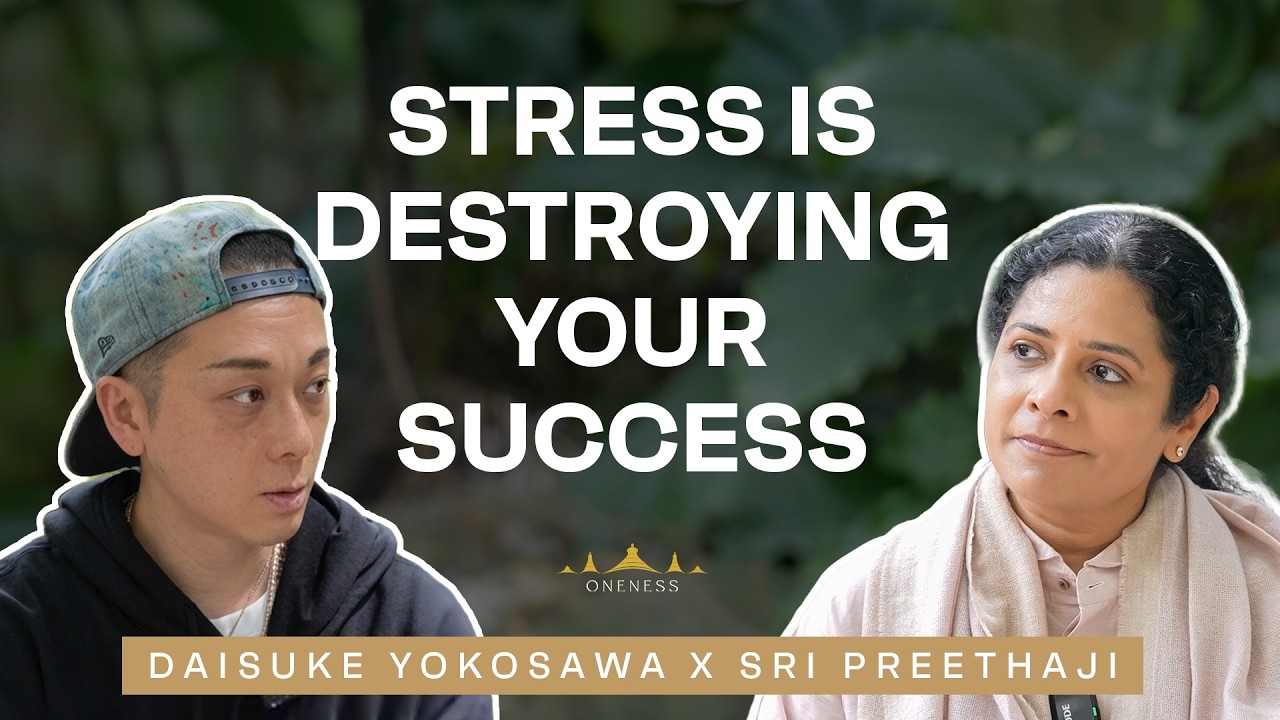
The Oneness Movement teaches that parental healing isn't about raising perfect children or solving every problem, but about cultivating genuine connection and emotional understanding. When a parent truly feels and understands their child's pain—rather than trying to fix or dismiss it—deep healing naturally occurs. This presence and empathy become the medicine itself, bringing peace and strength to both parent and child even during difficult times.
What is the Real Foundation of Parental Healing?
The assumption that underlies most parenting advice is that parents must be perfect, must have all the answers, must shield their children from difficulty. The Oneness Movement teaching suggests this foundation is misplaced. Instead, the greatest gift a parent can offer is not flawlessness but authentic connection—the willingness to be present with a child exactly as they are, pain included.
This distinction matters deeply. A parent who performs perfection creates a relational gap: the child experiences the parent's persona rather than their real humanity. A parent who shows up genuinely, even when uncertain or struggling themselves, creates something far more powerful—a safe space where the child's actual experience can exist and be met.
Healing in this context is not about removing all pain from a child's life. It is about mirroring the child's inner experience back to them with compassion and understanding, so they know they are truly seen. This seeing is itself curative.
How Does Parental Understanding Create Child Healing?
When a parent truly feels their child's pain—not intellectually, but with genuine empathic resonance—something shifts in the nervous system of both. The child's system recognizes: "My pain is not foreign here. It is understood. I am not alone with this."
This is distinct from sympathy (feeling sorry for the child) or from toxic positivity (trying to convince the child they shouldn't feel bad). True understanding means the parent can hold the child's difficult emotion without needing to change it, fix it, or make it wrong. The parent becomes a steady, compassionate witness.
Neuroscientifically and spiritually, this witnessing acts as a form of regulation. Children whose parents can remain emotionally attuned during their struggle develop stronger capacity to self-regulate. The parent's calm, conscious presence becomes internalized; the child learns that pain can be held without being destructive.
Can Connection Heal When Times Are Most Challenging?
The teaching explicitly notes that even in challenging times, this connection brings peace and strength. This suggests that the healing is not dependent on external circumstances being "good"—it is dependent on the quality of relational presence available.
A parent might be facing their own crisis: financial stress, health concerns, relational difficulty. The child might be facing their own genuine suffering: loss, failure, fear, rejection. The connection that heals is not a solution to these external realities. Rather, it is a shared acknowledgment of reality that keeps both parent and child from feeling isolated within their difficulty.
When a parent says to a child (or wordlessly communicates): "I see that this is hard. I feel the weight of it with you. We are going through this together"—the child's suffering does not disappear, but its existential burden shifts. The child is no longer bearing it alone, cut off from the one person who matters most.
Why is Parental Perfection Actually a Barrier?
Many parents operate from a fear-based model: if I show my child my struggle, my doubt, my imperfection, I will damage them or lose their respect. This fear keeps the parent in a vigilant, defended posture. The child, sensing this defense, learns to also defend. The parent cannot truly see the child because the parent is too busy managing their own image.
The Oneness Movement teaching inverts this: imperfection, when held with awareness, is not a liability—it is an opening. A parent who can acknowledge their own limitations, their own pain, their own uncertainty actually grants permission to the child to be fully human. The child learns it is safe to struggle, safe to not know, safe to be incomplete.
This does not mean a parent should dump their emotional weight onto a child. It means a parent can be authentically present—neither performing false strength nor collapsing into neediness—while the child learns that adults are real people who also face difficulty. This reality, when transmitted with love, is deeply reassuring to a child who has internalized the cultural message that they alone should be perfect.
What Does Genuine Parental Presence Look Like in Practice?
Genuine presence might look like: sitting with a child who is grieving without rushing to cheer them up; acknowledging a child's anger or fear without dismissing it as "not productive"; allowing a child to struggle with a problem rather than immediately solving it; admitting to a child "I don't know how to fix this, and we will figure it out together."
It might also look like: the parent noticing their own urge to look away from the child's pain, and staying present anyway; the parent managing their own anxiety about their child's struggle so that anxiety doesn't infect the room; the parent speaking from the heart rather than from a script of what "good parents" say.
This presence requires something of the parent: emotional availability, self-awareness, willingness to feel rather than just think. It is harder in some ways than the performance model. But the results—a child who feels deeply known, who develops resilience not through hardening but through connection—suggest this difficulty is worth it.
How Does Connection Bring Strength to Both Parent and Child?
The teaching notes that connection brings peace and strength to both. This mutual healing is significant. A parent who is often in isolation, managing their child's emotions alone while performing competence, accumulates a quiet exhaustion. The parent bears the burden of seeming to have everything figured out.
When a parent allows genuine connection with their child—allows themselves to be moved by their child's experience, to admit uncertainty, to share the weight of difficulty—the parent is also healed. The parent experiences being truly known. The parent's loneliness in the parental role diminishes. The parent reconnects with their own humanity through the act of honoring their child's.
For the child, strength comes not from being protected from reality but from learning that reality can be faced together. The child develops what might be called relational resilience—not the brittle capacity to "tough it out alone," but the flexible capacity to stay open, to ask for help, to face difficulty without dissociating from it or from others.
Both parent and child, through this connection, are freed from the exhausting project of perfection. Both can simply be human—flawed, growing, present to each other.
Where to go from here
Consider one area in your parenting where you typically perform competence or try to "fix" your child's experience. What would it feel like to simply be present with what is there instead? This is not a failure to parent; it is the deepest parenting available. For those seeking to deepen this work, exploring your own childhood wounds—the places where you learned that your pain was not welcome—can illuminate the patterns you unconsciously replicate with your own children. The Oneness Movement teachings suggest that healing ourselves is not separate from healing our children; it is the same act.