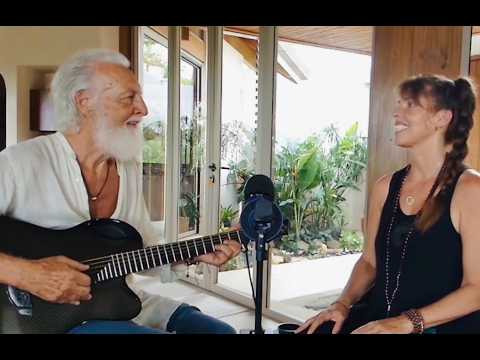
"Heart Chakra," from Peter Kater's album Light Body, is a meditative composition that pairs carefully arranged instrumental layers—piano, soprano saxophone, oboe, and vocals—with cinematic footage of Maui's natural landscapes. The piece serves as both a sonic meditation and a visual journey designed to activate and harmonize the heart energy center. Rather than being a conventional song with narrative structure, it functions as a guided experience where music and nature imagery work together to facilitate heart-chakra opening, a core practice in energy-healing and embodied spirituality work.
What Is the Heart Chakra and Why Does It Matter?
The heart chakra, known as Anahata in Sanskrit, is the fourth primary energy center in the traditional yogic and tantric energy systems. It is positioned at the center of the chest and is understood to govern emotional resonance, compassion, self-love, and our capacity to give and receive. In many spiritual traditions, the heart chakra is seen as the bridge between the lower (material) and upper (spiritual) energy centers—a junction point where earthly desires meet transcendent consciousness.
When the heart chakra is open and balanced, practitioners report experiencing greater emotional fluidity, deeper capacity for connection with others, and a sense of being "held" by life itself. Conversely, when this center is blocked or contracted—often as a result of grief, rejection, or emotional trauma—individuals may feel isolated, unable to access joy, or disconnected from their own tenderness. The purpose of a heart-chakra meditation or sonic experience is to gently dissolve these blockages and restore flow to the energetic anatomy.
How Does Music Facilitate Energetic Opening?
Sound is one of the oldest healing modalities across human cultures. Vibration—whether from voice, stringed instruments, wind instruments, or synthesized tones—carries energetic frequency that can entrain the nervous system and shift consciousness. Peter Kater's approach to composition centers on this principle: by layering specific instrumental timbres and harmonic progressions, the music creates an acoustic environment conducive to inner work.
On "Heart Chakra," several elements work in concert:
- Piano: Provides grounding harmonic foundation and a sense of spaciousness. The piano's ability to sustain tones creates a meditative anchor for the listener's awareness.
- Synths: Extended tonal textures and ambient padding that create an otherworldly, non-ordinary consciousness backdrop—signaling to the nervous system that this is sacred or ceremonial time.
- Soprano Saxophone and Oboe (Paul McCandless): These wind instruments carry an emotive, vocal quality. Their timbral warmth and expressiveness mirror the emotional dimensions of the heart chakra itself. Wind instruments, which require the breath to produce sound, carry an extra layer of life-force resonance (prana in Sanskrit terms).
- Vocals (Trisha Bowden): The human voice is perhaps the most direct conduit of intention and emotion. Wordless or minimally-lyrical vocals can evoke deep emotional responses without the intellectual overlay of language.
Together, these elements create a multi-layered soundscape that is both soothing and subtly energizing—inviting the listener's consciousness inward while simultaneously elevating subtle-body vibration.
The Role of Nature Imagery in Meditation
The pairing of "Heart Chakra" with footage from Maui is not incidental to the composition's healing function. In contemplative practice, natural beauty serves multiple roles: it quiets the analytical mind, it attunes the nervous system to organic rhythms and proportions, and it reminds the consciousness of its embeddedness in a larger, living world. Hawaii, with its volcanic landscapes, lush vegetation, and ocean presence, carries particular symbolic and energetic resonance—the islands are associated with renewal, the marriage of earth and water, and a kind of paradisiacal wholeness.
When listeners watch flowing water, swaying palms, or sunlit coastlines while hearing heart-opening music, a multisensory loop is created. The eye receives beauty, the ear receives harmony, and the nervous system begins to relax out of its habitual defensive postures. In this state of relaxation and openness, the subtle energy systems—including the heart chakra—become more accessible to intention and healing work. The visual component essentially gives the mind something to rest upon, preventing it from wandering into anxiety or rumination.
What Is the Light Body and How Does It Relate?
"Heart Chakra" is taken from Kater's album Light Body, a project explicitly concerned with the energetic anatomy and subtle dimensions of human consciousness. The term "light body" refers to the non-physical energetic form that exists in parallel with the physical body in many spiritual and esoteric traditions. This light body is composed of chakras, meridians, and layers of increasingly refined vibrational frequency. Some traditions describe it as the vehicle of consciousness after physical death; others understand it as the energetic template that underlies and animates the physical form.
Practices aimed at activating or harmonizing the light body include chakra meditations, energy work, pranayama (breath work), and sound baths—all designed to increase the coherence and radiance of one's subtle energetic signature. By focusing on a single chakra—the heart—the Light Body album creates a concentrated container for listeners to work with that particular energy center. The implication is that by repeatedly listening to and meditating with "Heart Chakra," one's light body gradually becomes more refined, more aligned with the heart's true nature, and more capable of radiating compassion and connection.
Who Is Peter Kater and What Is His Musical Lineage?
Peter Kater is a composer and musician known for creating instrumental music explicitly designed for healing, meditation, and consciousness exploration. His work typically combines acoustic instruments (particularly piano) with synthesizers and ambient textures, creating what might be called "intentional music"—compositions written with specific healing or meditative outcomes in mind, rather than primarily for entertainment or narrative storytelling.
Collaborators on "Heart Chakra" include Paul McCandless, a multi-reed virtuoso whose work spans jazz, world music, and contemporary classical idioms, and Trisha Bowden, a vocalist known for her work in sacred and meditative music. This combination of skilled musicians working in service of a healing intention suggests a professional, intentional approach to the piece rather than casual ambient music-making. The 2012 release date places this work in a period of growing mainstream interest in chakra-based wellness and sound healing.
How Can You Use This Music in Your Own Practice?
While the piece itself is a complete, self-contained experience, listeners can deepen their engagement by pairing it with specific intentions or practices:
- As a standalone meditation: Simply listen while seated or lying down, allowing your awareness to rest in the center of your chest. Notice any sensations, emotions, or visualizations that arise.
- With visualization: As you listen, imagine the color green or pink (traditionally associated with the heart chakra) spiraling or expanding at the center of your chest. Picture light emanating from your heart, touching all beings.
- With breathwork: Coordinate your inhalation and exhalation with the musical phrases, using the composition as an auditory guide for paced, conscious breathing.
- As accompaniment to journaling or creative expression: The emotional resonance of the piece often catalyzes deeper feeling-work; some listeners use it as a sonic container while writing or drawing about their relationship to love, vulnerability, or connection.
- In group settings: The piece's universal appeal and non-cultural-specific spiritual language make it suitable for group meditation, yoga classes, or healing circles.
Where to Go From Here
If "Heart Chakra" resonates with you, consider exploring the full Light Body album to work with other energy centers. You might also investigate other modalities that complement sound-based heart work: pranayama practices (particularly those focused on heart-centered breath), loving-kindness meditation (metta), or heart-opening yoga asanas. Peter Kater's broader discography offers compositions focused on other chakras and healing themes. Finally, if you wish to deepen your understanding of the chakra system itself, classical texts like the Sat-Chakra Nirupana or contemporary guides like Anodea Judith's work on the energy body provide detailed maps of how these subtle energy centers function and interact.