Happiness is not tied to external circumstances—it arises from our inner capacity to process stuck thoughts and emotions. The Art of Living Happiness Program teaches specific breathing techniques rooted in ancient practices that modern science now validates. These simple techniques work by anchoring awareness in the present moment via breath, interrupting the thought-emotion-action cycle that generates suffering. Participants learn tools they can deploy anywhere—in traffic, at work, with family—to shift from a reactive, stressed state to genuine joy and enthusiasm.
What Is Real Happiness, and Why Does It Vanish?
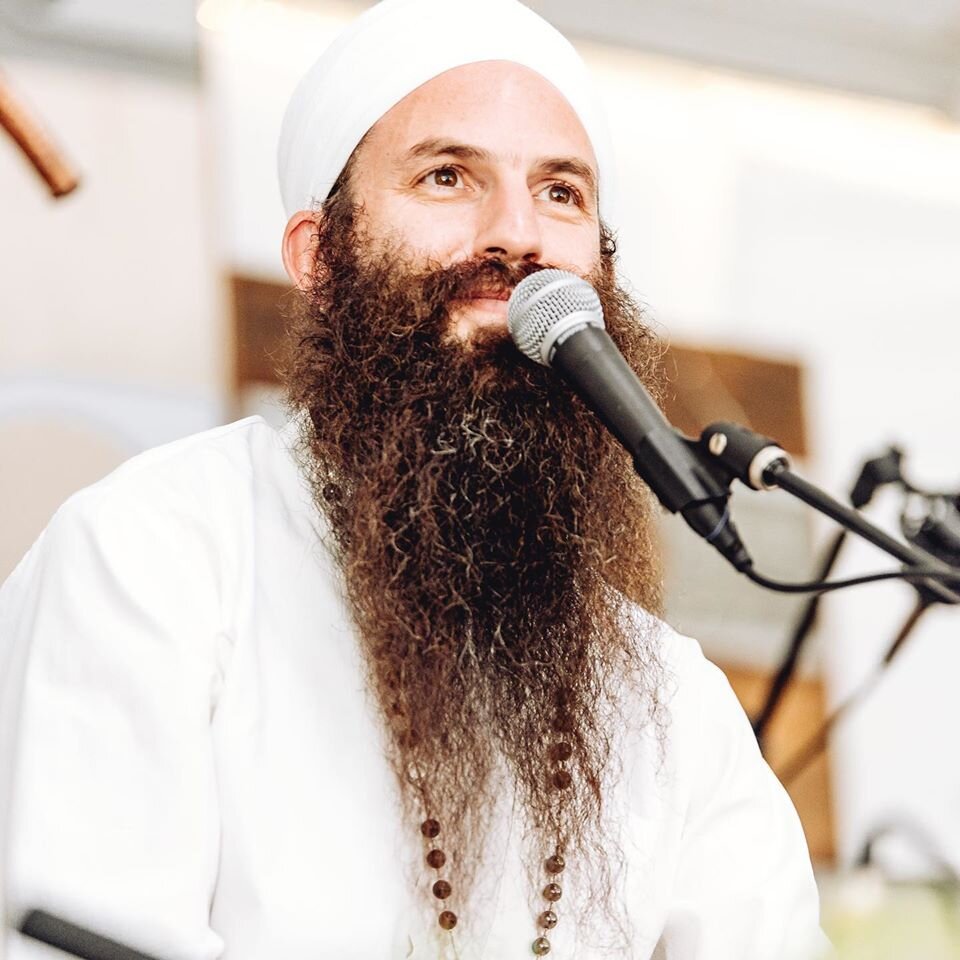
Jai Dev Singh opens with a precise observation: the speaker notes that talking about a happiness program is like "speaking to an Eskimo about snow"—everyone already knows what happiness feels like. The problem is not ignorance of happiness itself, but confusion about where it lives. Most people bind happiness to external conditions: the perfect partner, the right job, the smooth commute. When those conditions change, so does their mood.
Singh illustrates this with the traffic example. You wake up in a perfect moment, vibrant and content. Then you hit congestion. Your happiness vanishes. But is the unhappiness actually in the traffic? If so, everyone in traffic should be unhappy every time. Yet we know people sometimes sail through gridlock unfazed, while others collapse into frustration. The variable is not the traffic. The variable is what's happening in the mind.
The real source of unhappiness, Singh teaches, is not the external event but the mind's relationship to it. Specifically, the mind becomes caught in what "should have, would have, could have been"—regret about the past, anxiety about the future—while missing the only moment where life actually happens: now. When the mind is trapped in these loops of blame, guilt, anger, and regret, happiness drains away, no matter how favorable the circumstances.
Why Do Our Minds Get Stuck?
Singh identifies a core dysfunction: most people spend their days absent from the present moment, even when things are going well. Thoughts pull awareness backward to yesterday's failures or forward to tomorrow's threats. Meanwhile, the actual quality of life collapses. When the mind is stuck this way, the person is less successful, less enthusiastic, and less capable of enjoying whatever they're doing.
This stuckness isn't just uncomfortable—it's the engine of poor results. Singh notes that "thoughts generate actions which create the results, good or bad, depending on the thoughts that we have." A mind caught in regret and guilt does not produce creative, bold, or joyful action. It produces defensive, contracted, survival-mode behavior.
Importantly, Singh doesn't blame people for having these thoughts. Thoughts about the past and future arise naturally in all human minds. The problem is that most people lack tools to address the inner world of thought. Without such tools, people are left only with self-talk—"Just think positive," "Don't worry"—which rarely works because it operates at the same cognitive level as the problem.
Concrete Tools, Not Complicated Systems
Singh emphasizes that the Happiness Program does not require a lifestyle overhaul or rigid discipline. The tools are simple, ancient, and backed by modern neuroscience. They rest on a single accessible fact: everyone breathes, all day, every day. There is no lifestyle change required. "We all have to breathe," Singh says. "So it's nothing more than just breathing in a very specific way."
The approach teaches specific breathing patterns and rhythms that can be practiced anywhere without anyone noticing. You can do them stuck in traffic, during a work meeting, while your children are demanding attention, or while your boss is pushing a deadline. The tool is invisible and immediate.
Why does this work? Singh explains the mechanism: our breathing, emotions, and thoughts are not separate systems—they are "actually one thing." When one shifts, the others shift with it. Because thoughts can become stuck, but breath is always rooted in the present moment, working skillfully with breath can dislodge stuck thought patterns. The breath cannot be in yesterday or tomorrow; it is always here, now. By anchoring awareness through breath, a person returns to the present and the mind's grip on old pain loosens.
How Breath Interrupts the Thought-Emotion Cycle
Singh describes the mechanism in practical terms. Thoughts generate emotions, which generate actions, which create results. If someone is caught in guilt or regret, that emotional state shapes how they show up at work, at home, in relationships. They are not fully present; they are "happily parked" in the past, even while physically present.
By using breath in a specific rhythm, the practitioner directly interrupts this cycle. The breath brings the mind into unity with the body and the present moment. Singh calls this state "harmony"—not a disconnected, dissociated blankness, but a coherent alignment where thought, emotion, breath, and action are integrated rather than fragmented.
The effect is measurable. When you arrive at your appointment—business, personal, or family—you are "vibrant, alive," not still lost in the mental fog of traffic or past stress. The same external circumstances (arriving at a meeting or picking up a child from school) now happens with joy and presence rather than residual distraction.
Why Ancient Practices Now Have Scientific Credibility
Singh notes that these breathing tools were used "in ancient times" and "got lost over time." Today, science is rediscovering and validating them. Modern research on breath work, vagal tone, the polyvagal system, and heart-rate variability supports what contemplative traditions knew: the breath is a direct window into and lever for the nervous system.
Singh is careful not to claim these are "new discoveries." Rather, science is now offering a language and measurement framework for practices that have always worked. This convergence of ancient wisdom and modern evidence gives practitioners confidence that they're learning something real, not a placebo or wishful thinking.
Why This Matters Across Life Domains
Singh stresses that "almost anyone needs it because we all have something in life that's holding us back." This is not framed as a crisis intervention for the severely depressed. Rather, it's a recognition that every human carries patterns—tendencies, habits of thought, emotional reactions—that limit their freedom and joy.
The Happiness Program addresses these not by trying to fix or fight them directly, but by "going above it, by going beyond it." In other words, you don't analyze your anger or guilt endlessly; you use breath and techniques to shift your state so that old patterns simply have less power over you. You transcend the problem rather than becoming entangled in it.
This applies equally in high-stress contexts (deadlines, conflict) and ordinary ones (commuting, daily interactions). The tool works because it is not domain-specific; it is neurological, applicable wherever the mind and breath operate.
What Participants Learn Over a Weekend
Singh indicates that the actual techniques and deeper instruction require "a little time to explain and teach." A weekend retreat provides space to learn the tools, practice them with guidance, and return home with confidence in using them. The promise is straightforward: over a weekend, you learn simple practices you can deploy indefinitely, in any circumstance, without special equipment or conditions.
The emphasis on simplicity cannot be overstated. Singh repeats that the tools "are not complicated." This is not mystique or false humility; it reflects the actual design. If the tools required hours of practice, complex visualization, or lifestyle upheaval, they would fail for most people in real life. The Art of Living approach is built for ordinary life: traffic, work stress, family demands.
Where to go from here
If you resonate with the idea that happiness is an internal capacity rather than an external achievement, and if you recognize patterns of regret, blame, or stress that pull you away from the present moment, the Happiness Program offers a concrete entry point. Rather than more therapy, more thinking, or more willpower, it offers tools grounded in breath and presence. You can explore the Art of Living Retreat Center's offerings or seek instruction in similar breathing-based practices (many contemplative traditions offer comparable methods). The key is to move from understanding intellectually that the mind is the problem to actively practicing a method that rewires your relationship to thought and emotion.


