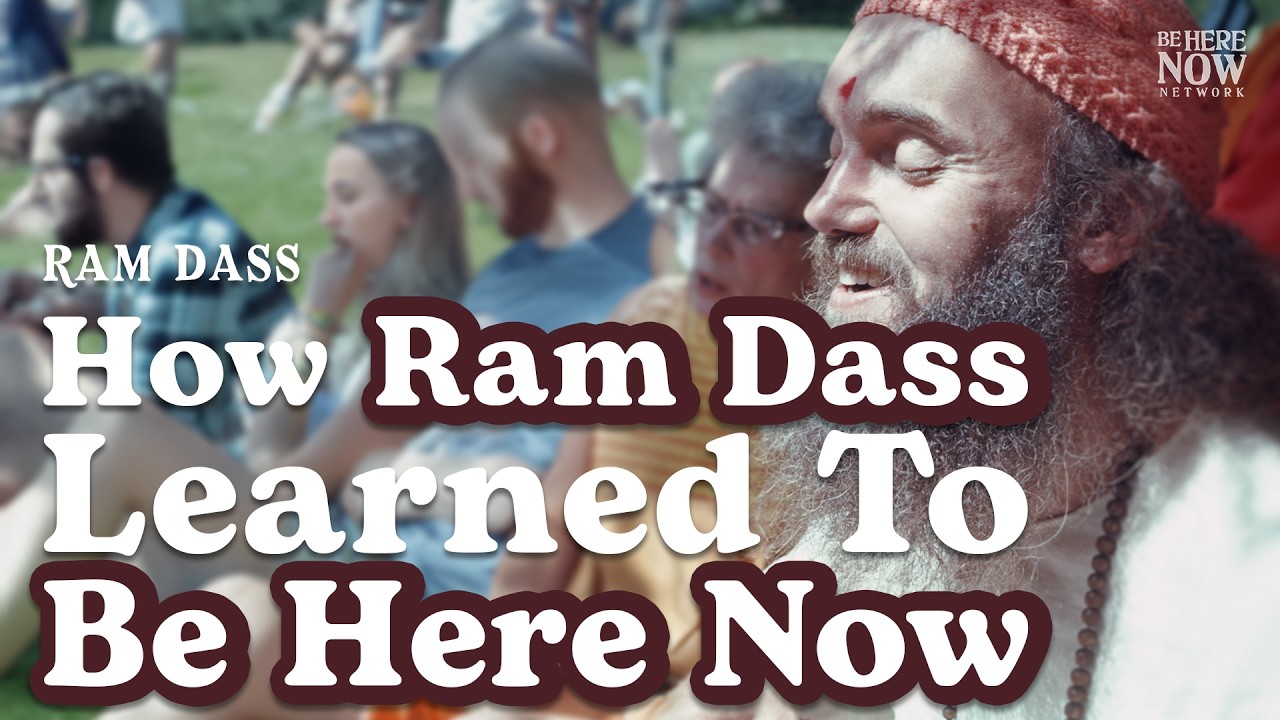
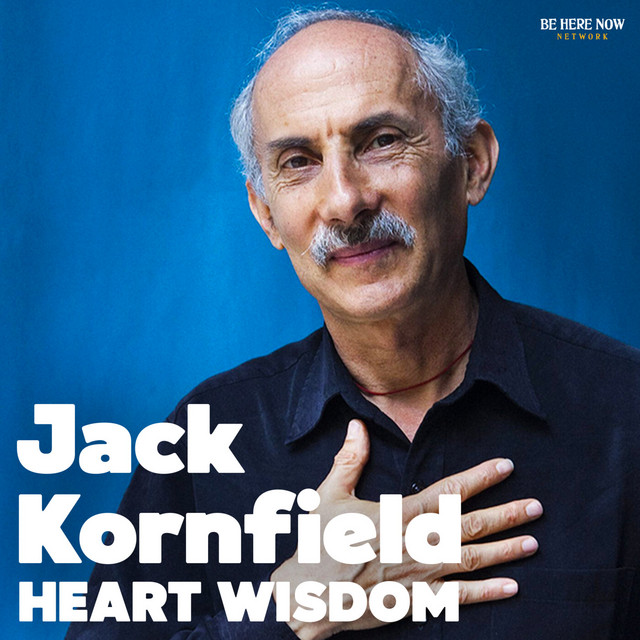
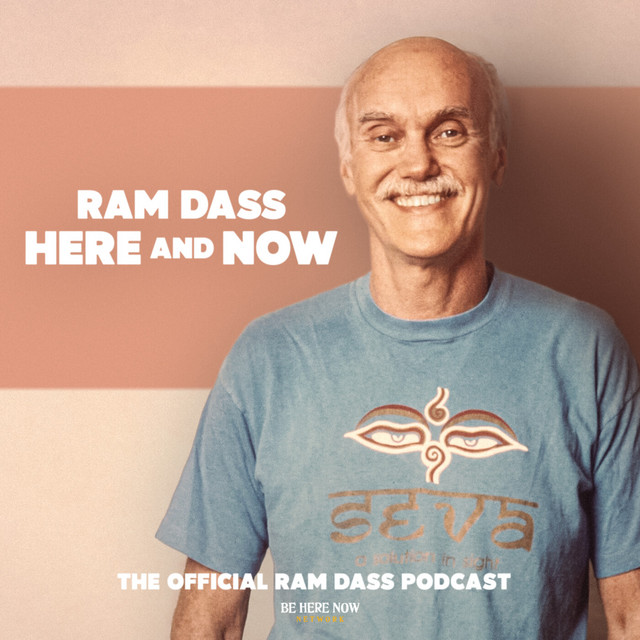
In this 1980s conversation during the AIDS crisis, Ram Dass and Stephen Levine present the radical proposition that all experiences—including suffering, dying, and illness—are opportunities for spiritual awakening. Rather than viewing pain as something to escape, they teach how meeting pain with compassion and loving kindness dissolves the ego's illusion of separateness. Through shared vulnerability and opening to both physical and psychological pain, we can access our deepest humanity and recognize our interconnection with all beings.
What Is the Spiritual Opportunity Hidden in Suffering?
Ram Dass and Stephen Levine begin from a premise that challenges Western culture's instinct to avoid pain at all costs: that every difficulty—including terminal illness and the process of dying—contains within it the seeds of profound spiritual growth. This is not spiritual bypassing or denial of real suffering. Rather, it is a shift in perspective about what becomes possible when we stop treating pain as purely an obstacle to be overcome.
According to Ram Dass, the key lies in recognizing that many of our experiences are designed to "heal us out of our separateness." When we face suffering alone, we typically contract inward and reinforce the sense that we are isolated individuals trapped in our own private experience. But when suffering becomes shared—when others witness our pain, care for us, or face their own difficulties alongside us—something shifts. The boundaries between self and other begin to dissolve, and we touch what Levine and Ram Dass describe as our deeper nature: interconnected, compassionate, and part of a larger whole.
This teaching emerged directly from the AIDS crisis of the 1980s, a time when dying was often accompanied by stigma, isolation, and intense psychological suffering. In that context, the invitation to view illness as an opportunity for growth was not a platitude but a practical path through unbearable circumstances.
How Does Suffering Reveal Our Fundamental Interconnection?
Ram Dass emphasizes that we are "being healed out of our separateness through our shared caring and our shared heart." This speaks to a central Buddhist and Advaita Vedanta insight: the illusion of separateness is perhaps the deepest source of suffering, and that illusion can only be penetrated through direct experience of genuine connection with others.
When someone is dying, they are stripped of many of the defenses and social masks that normally reinforce our sense of being isolated selves. In that rawness, the presence of another person—truly present, not trying to fix or deny the situation—can awaken something fundamental. The dying person begins to recognize that their experience of pain or fear is not unique to them as an individual; it is part of the shared human condition. And the witness to that suffering, if they can remain open rather than closing in sympathy or pity, touches their own deepest humanity.
This is not an abstract realization. It happens in the body, in the nervous system, in the moment-to-moment felt sense of being alive. When another person truly hears us in our pain and does not turn away, we experience directly that we are not alone. That direct experience is more powerful than any intellectual understanding of interconnection.
What Role Does Loving Kindness Play in Meeting Pain?
Stephen Levine brings particular clarity to the distinction between two ways of meeting pain: with hatred or with loving kindness. He shares the example of an AIDS patient who carried not only physical suffering but also intense anger and self-hatred. The individual's sense of shame, the internalization of societal judgment, and the rage at the disease all compounded the actual physical pain into something nearly unbearable.
The turning point came when this patient began to shift his relationship to the pain itself. Instead of meeting his experience with resistance, judgment, and hatred—"Why me? This is unfair, I deserve better, my body has betrayed me"—he began to practice loving kindness meditation. He learned to say internally, "This is difficult. This is a moment of suffering. May I be kind to myself in this moment."
This practice does not eliminate physical pain, but it transforms the psychological environment around the pain. When we meet pain with loving kindness rather than hatred, we stop adding the secondary suffering of resistance and self-judgment on top of the primary sensation. The pain becomes workable; it becomes something we can be with rather than something we must fight or escape.
Levine's work demonstrates that the mind's habitual response to pain—to contract, to resist, to hate the experience—actually intensifies suffering. But this habitual response can be retrained. Through conscious practice, we can learn to meet difficulty with compassion, which paradoxically reduces the total amount of suffering we experience.
How Do We Open to Both Physical and Psychological Pain?
Ram Dass deepens this teaching by pointing out that spiritual opening is not limited to physical pain. We must also become willing to feel and metabolize psychological and emotional pain: grief, fear, shame, anger, and the deep existential uncertainty that comes with facing mortality.
Ram Dass speaks from personal experience of the difficult learning required to allow oneself to need help from others. In the spiritual traditions he studied and embodied, there is often an emphasis on self-reliance, inner strength, and transcendence. But genuine spiritual maturity, he suggests, requires acknowledging "the fullness of our own humanity"—including our dependence, our vulnerability, our need for others, and our capacity to be broken.
Many spiritual practitioners attempt to skip this step. They want to transcend the personal self without truly inhabiting it first. They want to move beyond the body and emotions without meeting them fully. But the teaching here is that we cannot transcend what we refuse to fully experience. True spiritual work requires opening to the complete human experience: the loneliness, the fear, the sense of inadequacy, as well as the joy and the light.
For Ram Dass, the work of acknowledging that he needed help from others was heavy. It required him to soften his self-image as a spiritual being beyond need and to allow himself to appear "weak" or limited before others. Yet this very vulnerability became the gateway to deeper connection and to being able to do the work he truly wanted to do in the world. We cannot genuinely serve others if we have not yet become truly human ourselves—if we have not acknowledged our own pain and need.
What Does It Mean to Shift Our Perspective on the Body?
Ram Dass raises the possibility that we are "more than our bodies" and invites us to shift our perspective to touch this possibility. This is not a rejection of the body or of embodied experience, but rather a recognition that our deepest identity is not limited to the physical form. The body is real and worthy of care and attention, yet it is not the totality of what we are.
When someone is dying, this shift in perspective becomes immediately practical. The body may be failing, but consciousness—awareness itself—does not depend on bodily function. The person approaching death can begin to recognize that while the body will return to the elements, what they fundamentally are cannot die. This recognition does not require belief in an afterlife or any particular religious framework. It is a direct seeing that the aware presence that witnesses all experience is not generated by the body but is prior to it.
This perspective offers tremendous relief. Much of our fear of death is actually fear of bodily pain and loss of control. But if we begin to recognize that we are not exclusively identified with the body, then the body's inevitable decline becomes less threatening to our core sense of self. We can care for the body, ease its pain where possible, and simultaneously know that our deepest nature is not under threat.
How Does Care and Connection Facilitate Healing During Terminal Illness?
Throughout this discussion, the role of genuine human connection emerges as central. In the context of the AIDS crisis, many people were dying not only from the disease itself but from isolation, shame, and the sense that they had been abandoned by society. The presence of someone willing to sit with them, to witness their experience without judgment, and to offer skillful compassion became a medicine more powerful than many pharmaceutical interventions.
Ram Dass speaks of being "healed out of separateness through shared caring." This suggests that the very act of caring—of showing up for another person in their most difficult moment—is itself transformative for both the giver and the receiver. When we dare to open our heart to another's suffering, we reconnect with our own fundamental nature. We remember that we are not separate from the suffering of others because we share the same vulnerability, the same body that ages and dies, the same fears and hopes.
The practical implication is that simply being present—bringing genuine attention and compassion—to someone who is suffering is a form of healing, even if we cannot "fix" their medical situation. The healing is of the person's sense of isolation and wrongness, of the self-hatred that can accompany illness and dying. When one person fully receives another person's pain with kindness rather than rejection, the experience of being fundamentally alone and defective begins to dissolve.
Where to Go From Here
The teachings offered in this conversation are not merely intellectual exercises but invitations to experiment with your own experience. If you face chronic or acute pain—whether physical or psychological—you might begin to notice your habitual way of meeting it. Do you meet pain with resistance and self-judgment, or can you practice a different approach?
Consider exploring loving kindness meditation, a practice both Levine and Ram Dass drew upon. Begin by directing loving kindness toward yourself in moments of pain: "May I be kind to myself. May I give myself the compassion I would offer a dear friend." Notice what happens to the quality of your suffering when you shift from fighting it to befriending it.
If you are accompanying someone who is facing serious illness or dying, this conversation invites you to understand that your presence—your willingness to be fully there—is not separate from their healing. You do not need to have special skills or perfect words. Simply showing up without trying to deny the difficulty, without turning away from the reality, is profound medicine.
Finally, consider how the framework of perspective-shifting might apply to your own life. Ram Dass's suggestion that we are more than our bodies is an invitation to experiment with identification. Notice the moments when you are caught in identification with your physical form, your emotions, or your thoughts. Can you find the awareness that witnesses all of these? What shifts when you recognize that aware presence as your truest nature? This exploration, continued over time, can gradually dissolve the illusion of separateness that creates so much of our suffering.