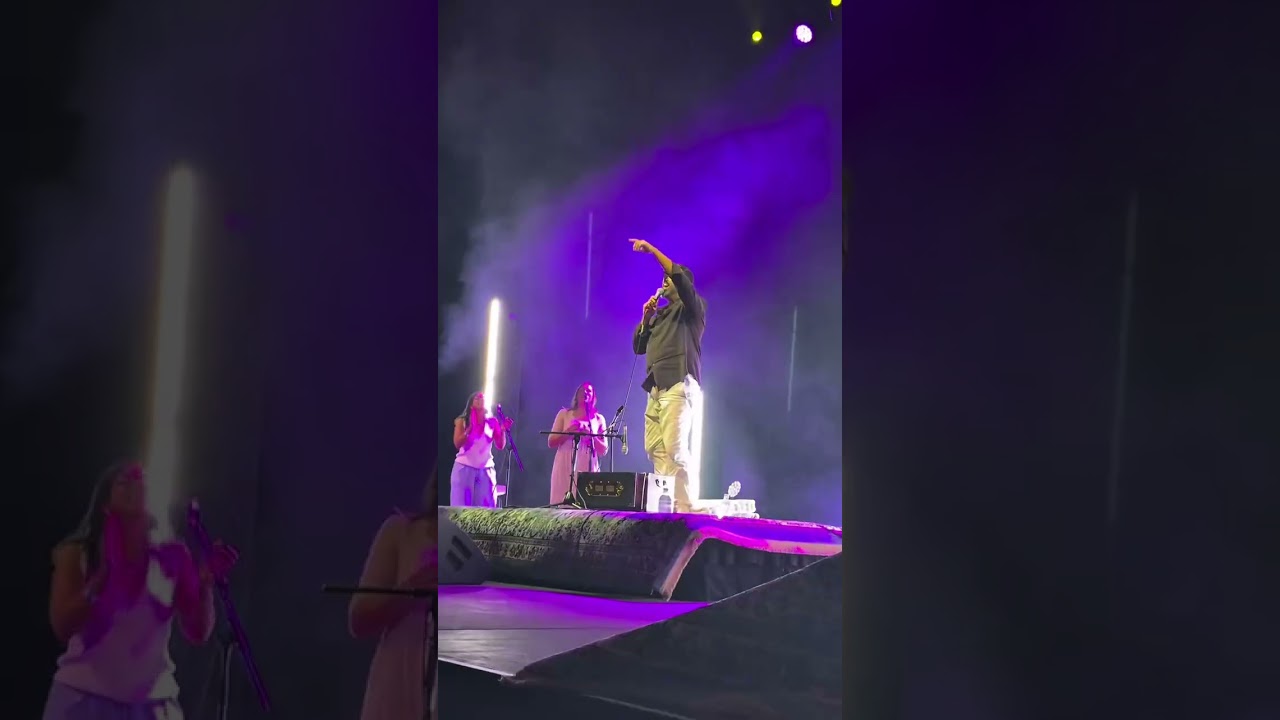
Professor Paramjeet Singh presents a kirtan performance of "Gaman Di Raat" rendered in Raag Gujri Todee, a classical Indian musical framework particularly suited to expressing themes of spiritual yearning and separation. The piece represents a living tradition of devotional singing within Sikh practice, where musical raags (melodic modes) combine with sacred Punjabi poetry to invite listeners into contemplative states of longing and connection.
What is Raag Gujri Todee?
Raag Gujri Todee belongs to the classical North Indian music system and falls within the broader Gujri family of raags. The term "todee" refers to a particular variant or breaking of the parent raag, creating a distinct emotional and melodic character. In the context of Sikh kirtan—devotional singing rooted in the Sikh faith—raags serve as containers for specific emotional territories and spiritual moods. Gujri Todee is traditionally associated with themes of melancholy, separation, longing, and introspection, making it an ideal framework for the poetic and spiritual content of "Gaman Di Raat."
The Meaning of "Gaman Di Raat"
"Gaman" in Punjabi refers to departure or journey, while "raat" means night. The phrase "Gaman Di Raat" therefore speaks to the night of departure—a metaphorical and sometimes literal reference to separation, particularly in Sikh devotional literature the separation of the soul from the divine, or the human longing for reunion with God. This is a central theme in Sikh scripture and poetry, where the metaphor of a lover separated from the beloved (the Divine) recurs repeatedly. The night journey becomes a symbol of the soul's movement through existence, marked by yearning and the hope of eventual reunion.
Kirtan as Devotional Performance
Kirtan is a form of congregational singing and devotional performance rooted in Indian spiritual traditions, particularly prominent in Sikhism, Hinduism, and other bhakti (devotion-centered) traditions. Unlike concert music designed primarily for aesthetic appreciation, kirtan is intended to invoke a particular mental and emotional state in both the singer and the listener—traditionally understood as moving the heart toward the divine. Professor Paramjeet Singh's performance of "Gaman Di Raat" in Raag Gujri Todee exemplifies this approach: the raag's melodic structure and emotional tenor are intentionally matched to the lyrical and thematic content to deepen the contemplative effect.
The Role of Raag in Spiritual Practice
In classical Indian music and its devotional applications, raags are far more than melodic patterns. They are understood as complete aesthetic and emotional systems, each carrying specific associations with time of day, season, mood, and spiritual quality. A raag like Gujri Todee, when performed with attention and sincerity, is believed to attune the listener's consciousness to particular frequencies—both sonic and emotional. Sikh kirtan singers like Professor Paramjeet Singh use raags not as purely technical musical frameworks but as vehicles for directing attention and feeling toward the themes embedded in the sacred poetry.
Professor Paramjeet Singh's Contribution to Sikh Kirtan
Professor Paramjeet Singh is recognized within Sikh communities and among classical music students as a skilled and committed exponent of traditional Sikh kirtan. His approach emphasizes both the musical precision required by classical raag performance and the spiritual intention central to kirtan practice. In rendering "Gaman Di Raat" in Raag Gujri Todee, he brings together rigorous musical training with devotional sincerity, making the piece accessible to listeners at various levels of musical or spiritual background. His work represents the continuation of a living tradition in which music, poetry, and spiritual practice remain inseparably linked.
How to Listen to Devotional Kirtan
Kirtan listening is not passive consumption. Traditional practice suggests that one listen with openness to the emotional and spiritual content of both the raag and the lyrics. The combination of the raag's melodic movement, the emotional associations embedded in the Punjabi poetry, and the singer's own intention and presence creates an environment for contemplative engagement. Listening to Professor Paramjeet Singh's performance of "Gaman Di Raat" invites the listener into the emotional landscape of spiritual separation and longing—themes that transcend religious boundaries and speak to the universal human experience of yearning for connection and meaning.
Where to Go from Here
For those new to Sikh kirtan, exploring performances of pieces like "Gaman Di Raat" offers an entry point into a rich devotional tradition. Learning more about the meanings of Punjabi lyrics and the emotional associations of different raags deepens the listening experience. Those interested in classical Indian music can study how raags function as complete aesthetic systems. For spiritual practitioners, kirtan offers a practical method of aligning mind and heart through the intentional use of sound, voice, and poetic meaning. Professor Paramjeet Singh's recordings serve as examples of how this ancient tradition continues to be performed and transmitted in contemporary practice.