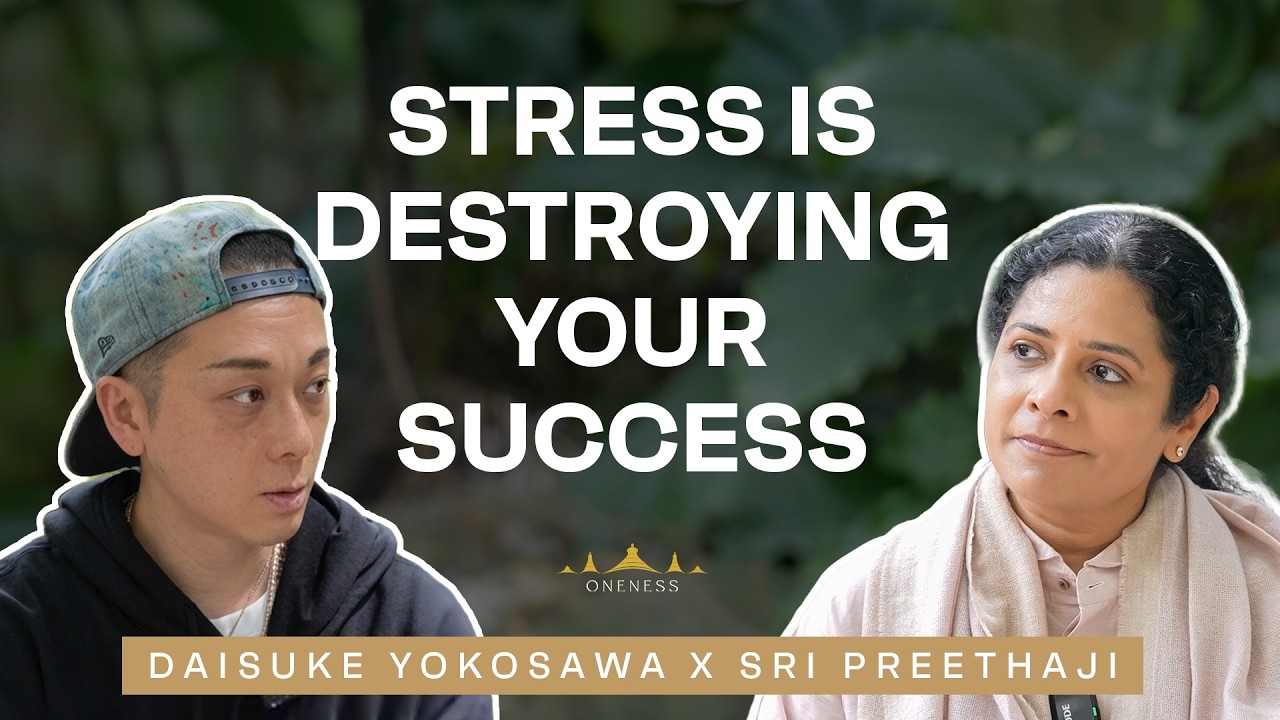
This teaching addresses a common spiritual impasse: what happens when you sincerely apologize and ask for forgiveness but are refused? The core insight is that forgiveness is not a transaction requiring the other person's agreement or approval. Instead, forgiveness is primarily an act of self-healing—a release of the burden you carry from having caused harm. When you reframe forgiveness this way, the other person's refusal becomes less about your worth and more about their own capacity to heal. You can complete the forgiveness process within yourself regardless of whether they accept your apology.
Why We Confuse Forgiveness With Others' Approval
Most people approach forgiveness as a negotiation: "I apologize, I ask for forgiveness, and if they grant it, I am healed." This model creates dependency on someone else's emotional state and willingness to let go. When that person refuses—whether out of pain, anger, mistrust, or a sense of unresolved harm—we feel stuck, believing we cannot move forward until they absolve us.
This confusion arises because forgiveness in social and legal contexts often involves formal reconciliation or acceptance of an apology. We conflate the social gesture with the inner work. But the inner work of forgiveness—the unburden of guilt, shame, and regret—does not require anyone else's permission. It is internal.
What Is Forgiveness as Self-Healing?
Forgiveness as self-healing means releasing the psychological and emotional weight of having caused harm. When you have hurt someone, that action lodges in your consciousness. It creates a contraction—guilt, shame, defensiveness, or suppressed anger at yourself. Over time, this unresolved inner state becomes a prison. You carry it in your body, your relationships, your self-image.
True forgiveness is the dissolution of that internal prison, not because the other person decides to let you off the hook, but because you choose to stop punishing yourself. You acknowledge the harm you caused, you understand why it happened, and you release the self-condemnation that keeps you bound.
This is radical because it means your healing does not depend on the other person's capacity or willingness to heal. You can be free regardless of their choice.
What Does Genuine Apology Look Like?
Before forgiveness—whether others grant it or not—there must be genuine apology. A real apology is not a plea for absolution. It is an honest acknowledgment of harm, without justification or expectation of reward. It includes understanding from the other person's perspective what you caused them to feel or lose. It includes responsibility without minimization.
When you have made a genuine apology and it has been rejected, you have still done the outer work. You have communicated your recognition of harm. What remains is the inner work: releasing the grip that this harm has on your own consciousness.
How to Complete Forgiveness Alone
If the other person refuses forgiveness, you can still move through the forgiveness process within yourself. This involves several steps:
- Full acknowledgment of harm. Do not minimize or reinterpret what you did. See it clearly from the other person's perspective.
- Feel the genuine remorse. Allow yourself to feel sadness, regret, and the weight of what you caused. Do not skip this by rushing to "make amends."
- Understand the root. Why did you act that way? Fear, unconsciousness, reactivity, unhealed wounds? Understanding is not the same as excuse-making.
- Make an internal commitment to change. Decide that the pattern that led to this harm will not continue through you.
- Release the fantasy that their forgiveness will fix you. Recognize that you sought their forgiveness partly to feel okay about yourself again. True forgiveness means you do the work to feel okay about yourself independent of their response.
- Let go of the debt. You cannot repay harm. You cannot undo it. The only freedom is releasing the belief that you must.
Why Some People Cannot Forgive, Even When We Beg
It is important to understand that when someone refuses forgiveness, it often reflects their own healing journey, not your unworthiness. The person you harmed may still be processing pain, may not yet feel safe, may fear that forgiving means you will hurt them again, or may not have the inner resources to release anger. Some people use withholding forgiveness as a way to maintain control or to protect themselves from further vulnerability.
None of this is in your control. What is in your control is your own liberation from the guilt and shame that keeps you psychologically fused to this harm.
The Distinction Between Forgiveness and Reconciliation
It is possible to forgive someone without reconciling with them. Forgiveness is internal; reconciliation is relational. You can forgive—release the burden—and still not return to that relationship. You can forgive and maintain healthy distance. You can forgive and never see the person again. The forgiveness is for you, not for them.
Conversely, you can accept someone's apology and restore contact without having fully forgiven. These are separate processes.
The Freedom on the Other Side
When you complete the forgiveness process within yourself, independent of the other person's response, something shifts. You are no longer waiting for permission to heal. You are no longer measuring your worth by their willingness to absolve you. You have reclaimed your agency.
This does not mean you become indifferent to having hurt someone. It means you stop using that hurt as evidence of your fundamental badness. You become able to hold both truths: "I caused harm, and I am still worthy of peace and self-respect."
Where to Go From Here
If you are in a situation where you have genuinely apologized but forgiveness has been refused, the invitation is to turn inward. This is not spiritual bypassing or avoiding responsibility. You have acknowledged harm. Now the work is your own liberation from the psychological prison that harm has created. Meditate on forgiveness as a release you give yourself. Examine where you are seeking others' approval to feel okay. And recognize that true healing does not require anyone else's permission—only your own willingness to let go.