FOA refers to a state of causeless love—consciousness flowing from the heart without reason, condition, or dependency on external circumstances. This teaching, presented by the Oneness Movement, explores how love becomes the natural expression of awakened being rather than an emotion generated by circumstances. Causeless love represents liberation from the reactive patterns that normally bind the heart, allowing consciousness to radiate unconditionally from its own nature.
What Does Causeless Love Actually Mean?
Causeless love, or FOA, is not an emotional state achieved through effort or practice. Instead, it describes a fundamental shift in how consciousness relates to itself and others. In ordinary experience, love is usually triggered by something: a person's appearance, their qualities, shared history, or what they provide. This conditional love depends on circumstances remaining favorable—when circumstances change, the love often fades or transforms into resentment.
Causeless love operates differently. It arises without a specific cause or trigger. Rather than being generated in response to an external stimulus, it flows from the very nature of consciousness when certain barriers are removed. The Oneness Movement teaches that this state represents not achievement but recognition—the discovery that love is the baseline nature of awakened consciousness, waiting beneath the layers of conditioning and defense.
How Does the Heart Become a Gateway to Causeless Love?
In Oneness teaching, the heart is understood not merely as an emotional center but as the seat of true consciousness. When awareness rests in the heart rather than in the thinking mind, a different quality of experience becomes available. The mind operates through analysis, judgment, and preference—inherently discriminating between self and other, good and bad. The heart, by contrast, exists in a state of natural unity and recognition.
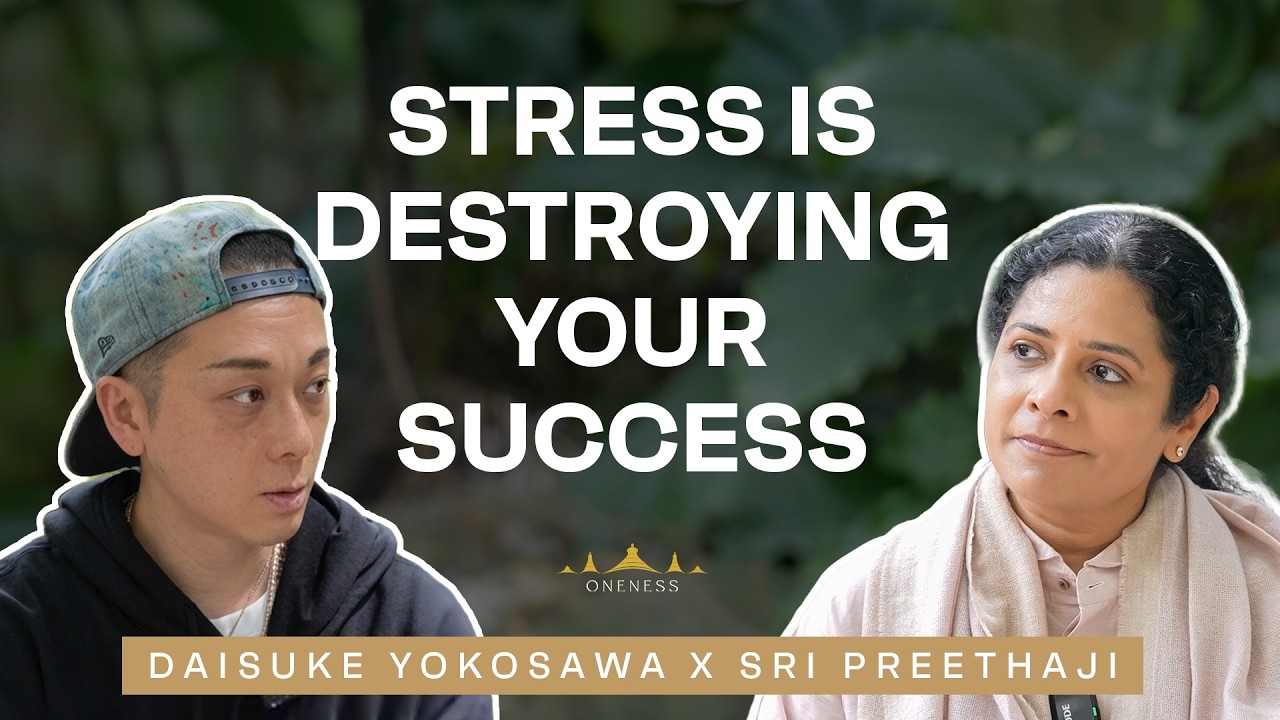
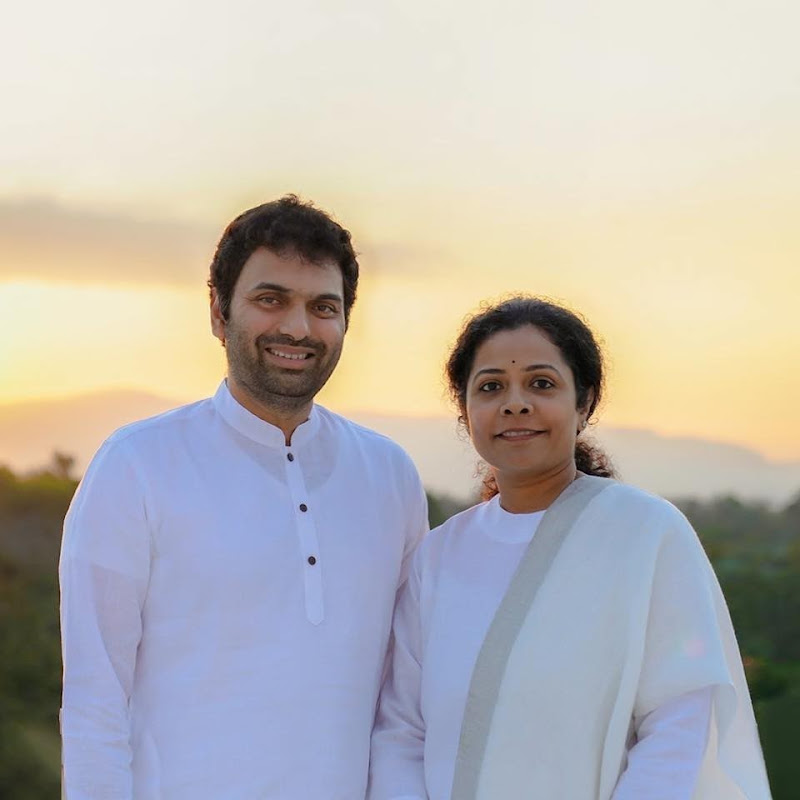
As Sri Preethaji and Sri Krishnaji teach, accessing causeless love requires a shift in the center of consciousness from head to heart. This is not metaphorical but a genuine reorientation of how you perceive and relate. When consciousness dwells in the heart space, the separations that the mind creates—boundaries between you and others, judgments about worthiness—naturally dissolve. What remains is a natural outflowing of care, connection, and love that has no object-dependency. Love becomes what you are rather than what you do.
What Prevents Causeless Love from Naturally Arising?
The barriers to causeless love are primarily psychological and habitual. Conditioning teaches us to protect the heart, to love selectively, and to withhold affection as a form of control or safety. Fear of abandonment, betrayal, or loss causes most people to armor the heart and make love conditional—offered only when safety seems assured. Additionally, the constant identification with thoughts and mental narratives keeps consciousness bound in the head, where love cannot flow freely.
Another fundamental barrier is the belief that love must be earned or deserved. When you operate from this belief, love becomes a transaction: "I will love you if you meet these conditions." Causeless love requires releasing the idea that love is a reward for good behavior or a tool for managing relationships. It requires trusting that love is safe even when it is not controlled or conditional.
Can Causeless Love Coexist with Healthy Boundaries?
An important misconception about causeless love is that it means boundaryless giving or allowing harm. Causeless love and healthy boundaries are entirely compatible. The distinction lies in motivation: boundaries grounded in fear and control come from the defensive heart. Boundaries grounded in clarity and wisdom come from the awakened heart. When consciousness rests in true love, boundaries arise naturally as expressions of self-respect and respect for others—not from fear.
Causeless love does not mean you accept disrespect, absorb others' emotions, or ignore your own needs. Rather, it means that even when boundaries are necessary, they are held without resentment, judgment, or the belief that the other person is bad. The heart remains open even while saying no. This is the paradox that advanced spiritual practice reveals: the most protective boundaries often come from the most open hearts.
How Does Causeless Love Transform Relationships?
When individuals begin to access causeless love, relationships undergo a profound shift. Relationships based on need—needing validation, security, or completion from the other—carry an inherent instability. The moment the other person fails to meet those needs, conflict arises. When both people operate from causeless love, the relationship rests on a completely different foundation: two whole beings choosing to share life, not two incomplete beings trying to complete each other.
In such relationships, conflicts are resolved more quickly because they are not tangled with fears of abandonment or rejection. Communication becomes clearer because it is not filtered through the need to protect or control. Most importantly, the other person is experienced as they actually are—not as a projection of unmet needs or as a means to an end. They are loved for their existence, not for their performance.
What Is the Path to Experiencing Causeless Love?
The Oneness Movement teaches that causeless love is not built through effort alone but through a combination of understanding and direct experience. Understanding intellectually that love is your nature helps dissolve the belief that it must be earned or generated. However, this understanding must be integrated through practice and direct perception.
The primary pathway involves conscious attention to the heart. Meditation practices that focus awareness in the heart center help train consciousness to rest there rather than in habitual mental patterns. As this shift deepens, the natural qualities of the heart—openness, trust, and love—begin to manifest without deliberate generation. The heart, when given conscious attention and permission, reveals itself as fundamentally loving.
Additionally, examining and releasing the protective patterns that keep the heart closed is essential. This often involves honest inquiry into childhood wounds, betrayals, or losses that caused you to believe love was unsafe. As these protective strategies are seen and consciously released, the heart naturally opens. Causeless love is not achieved but uncovered, like removing layers of protective clothing to discover the warmth that was always present beneath.
Where to Go From Here
Exploring causeless love invites you into direct investigation of your own heart. Begin by noticing how conditional your love currently is—what triggers it, what interrupts it, what you expect in return. This is not judgment but honest observation. From there, you might explore meditation practices that cultivate heart-centered awareness, or work with a teacher who specializes in this territory. The teaching of FOA and causeless love ultimately points not to an abstract ideal but to your own direct experience of what you are when defenses relax and the heart is given permission to flow naturally.