BrightStar

Browse All Events

Discover conscious gatherings

events

Yoga
Meditation
Breathwork
Qigong
Tai Chi
Sacred Music
World Music
Medicine Music
Sound Healing
Ecstatic Dance
Popular Destinations
BaliSedonaLos AngelesCosta RicaNew YorkSan FranciscoAustinMiamiJoshua TreeTulum
View All CategoriesView All Destinations

Explore All Features

Powerful tools to grow your events

Platform Features

Smart Dynamic Pricing
Ticket Categories
Assigned Seating
Abandoned Cart Recovery
Visitor Recovery
Donations & Sliding Scale
Affiliate Engine
Ticket Scanner
Coupon Codes
Custom Questions
Ticket Sharing
Upsells & Add-ons
Analytics & Reporting
Email Sequences
Waitlist / Notify / Remind
People & Places
Artists & TeachersEvent OrganizersVenues & StudiosKnowledge BaseGlossaryInspiration
View All FeaturesAbout Us
PricingBlog
Language
Saved events
Browse All Events

events

YogaMeditationBreathworkQigongTai ChiSacred MusicWorld MusicMedicine Music

Popular Destinations

BaliSedonaLos AngelesCosta RicaNew YorkSan Francisco

People & Places

Artists & TeachersEvent OrganizersVenues & StudiosKnowledge BaseGlossaryInspiration

Platform Features

Smart Dynamic PricingTicket CategoriesAssigned SeatingAbandoned Cart RecoveryVisitor RecoveryDonations & Sliding ScaleAffiliate EngineTicket ScannerCoupon CodesCustom QuestionsTicket SharingUpsells & Add-onsAnalytics & ReportingEmail SequencesWaitlist / Notify / Remind
View All FeaturesAbout Us
PricingBlog
Log inFind EventsHost Events
  • Browse All Events
  • For Seekers
  • Yoga
  • Meditation
  • Breathwork
  • Qigong
  • Tai Chi
  • Sacred Music
  • World Music
  • Medicine Music
  • Sound Healing
  • Ecstatic Dance
  • Retreats
  • Workshops
  • All Categories →
  • Bali
  • Sedona
  • Los Angeles
  • Costa Rica
  • Tulum
  • Byron Bay
  • San Francisco
  • Austin
  • New York
  • San Diego
  • Denver
  • Seattle
  • Portland
  • Miami
  • All Cities →
  • Be Found
  • Sell Globally
  • For Creators
  • For Teams
  • For Writers
  • For Teachers
  • For Kirtan Artists
  • For Studios
  • For Festivals
  • For Retreat Centers
  • For Nonprofits
  • Brand Ambassador
  • Case Studies
  • Free Ticketing
  • Elevate
  • Amplify
  • 500K+ Buyer Network
  • Abandoned Cart Recovery
  • Smart Dynamic Pricing
  • Ticket Categories
  • Recurring Events
  • Assigned Seating
  • Affiliate Engine
  • Waitlist / Notify
  • Ticket Scanner
  • Embed Widget
  • Event Syndication
  • Message Center
  • Integrations
  • Reports
  • All Features →
  • About
  • The Ecosystem
  • Blog
  • Glossary
  • Inspiration
  • Help Center
  • Contact
  • API Docs
  • Brand Assets
  • Careers
  • Press
  • Terms of Service
  • Privacy Policy

Events

  • Browse All Events
  • For Seekers
  • Yoga
  • Meditation
  • Breathwork
  • Qigong
  • Tai Chi
  • Sacred Music
  • World Music
  • Medicine Music
  • Sound Healing
  • Ecstatic Dance
  • Retreats
  • Workshops
  • All Categories →

Destinations

  • Bali
  • Sedona
  • Los Angeles
  • Costa Rica
  • Tulum
  • Byron Bay
  • San Francisco
  • Austin
  • New York
  • San Diego
  • Denver
  • Seattle
  • Portland
  • Miami
  • All Cities →

For Creators

  • Be Found
  • Sell Globally
  • For Creators
  • For Teams
  • For Writers
  • For Teachers
  • For Kirtan Artists
  • For Studios
  • For Festivals
  • For Retreat Centers
  • For Nonprofits
  • Brand Ambassador
  • Case Studies
  • Free Ticketing
  • Elevate
  • Amplify

Features

  • 500K+ Buyer Network
  • Abandoned Cart Recovery
  • Smart Dynamic Pricing
  • Ticket Categories
  • Recurring Events
  • Assigned Seating
  • Affiliate Engine
  • Waitlist / Notify
  • Ticket Scanner
  • Embed Widget
  • Event Syndication
  • Message Center
  • Integrations
  • Reports
  • All Features →

Company

  • About
  • The Ecosystem
  • Blog
  • Glossary
  • Inspiration
  • Help Center
  • Contact
  • API Docs
  • Brand Assets
  • Careers
  • Press
  • Terms of Service
  • Privacy Policy
BrightStar
© 2026 BrightStar. All rights reserved.
Inspiration

Finding Your Voice: How Constraintand Freedom Shape Artistic Identity

Shannon Hayden
Shannon Hayden
Sep 20, 2011
6 min read
Watch · 7

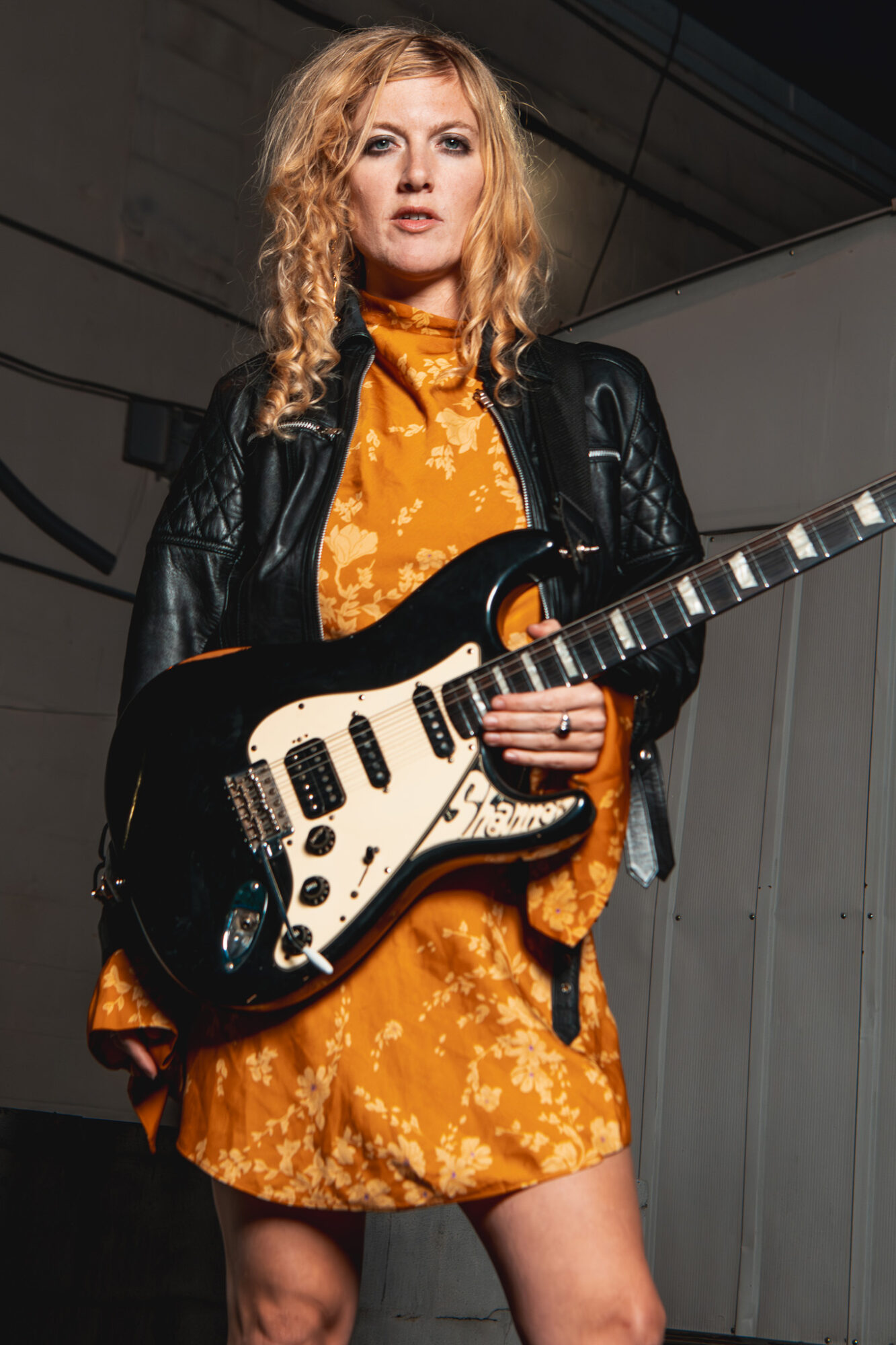
Shannon Hayden, a cellist and guitarist raised on an organic vegetable farm, traces how her childhood environment, classical music training, and deliberate exploration across instruments shaped her philosophy of artistic authenticity. Rather than remain confined to the classical cello tradition, she questioned rigid training, embraced the creative possibilities of the guitar, and ultimately committed to audience connection over competitive achievement. Her story illustrates the tension between honoring established artistic traditions and the responsibility to find one's own voice within one's own time.

Read · 6 sections

What Does It Mean to Have Your Own Voice as an Artist?

Shannon began formal music study young—asking her parents for cello lessons at age 3 (0:57). She immersed herself in classical composers and their works, learning to respect the depth and power of their artistic voices. Yet from the beginning, she felt a conflict: the great composers' voices were so authoritative that she feared "I felt sure to lose something of myself if I was limited to their ideas" (1:40). This tension between reverence for tradition and the need for personal expression became the central question of her artistic development.

She resolved this conflict through a specific realization: just as the classical composers she studied had lived in their own time and used the tools available to them, she too had a responsibility to "live in my own time and use the tools available for doing so" (1:53). This wasn't a rejection of classical music but a maturation into it. The great composers didn't inherit a fixed set of rules—they pushed boundaries and expanded what was possible. Following their example meant not copying their notes, but embodying their spirit of creative inquiry.

How Does Your Environment Shape What You Create?

Shannon's childhood on an organic farm was not incidental to her artistic philosophy—it was foundational. Growing up in a space that "encourages thinking outside the box" (0:51) meant she developed a different relationship to authority and convention. She played alone, in isolation, and let "what was around me influence my playing rather than notes on a page" (1:22). In other words, her environment trained her ear and intuition before formal theory constrained them.

This early autonomy created habits of mind. She didn't passively receive instruction; she internalized patterns of self-directed learning and questioning. The farm itself modeled a different approach to living—making electricity, growing food, cooking on a wood stove. All of this communicated that you don't have to accept default solutions; you can build your own.

Why Does Learning Multiple Instruments Change How You Think?

A crucial turning point came when Shannon became interested in guitar. She noticed something important: "there are some instruments that thrive on change and are constantly reinvented" while others—like the cello—seemed to suffer "from the constraints" of tradition (4:04). The guitar, by contrast, appeared as a tool actively shaped by diverse practitioners doing "a whole lot of different things with it" (4:18).

Crucially, learning guitar didn't mean abandoning cello. Instead, it changed how she thought about the cello itself. "Playing the guitar really just started to influence the way I thought about the cello and also the direction I wanted to head in with the cello and just began to make me question my traditional training" (4:45). This is the mechanism of cross-pollination: exposure to different approaches doesn't fragment identity—it expands possibility.

What she discovered was that the cello's "constraints" were not fixed properties of the instrument but inherited assumptions about how to use it. Once she saw guitarists working with the instrument's plasticity, she could ask: what if I treated the cello the same way? The result: "what I could do with the cello began to expand" (5:54).

What Is the Real Cost of Musical Competitions?

Shannon had competed both nationally and internationally. She won. But she rejected competitions as her path forward, citing what "competitions do to people emotionally and artistically" (7:58). She was explicit and stark about this: "I just don't really like" them, and even shared a cautionary anecdote—"one of the first competitions I won was I was actually set on fire by a competitor" (8:02).

This wasn't sour grapes from a loser. She's describing a structural problem: competitions create scarcity (one winner) and stakes that warp artistic thinking. When the goal becomes winning rather than making, the internal relationship to the work changes. And as her story suggests, competition can activate hostility and burn-out rather than inspire collaboration.

For Shannon, the alternative was clear: "I am really happy to be experimenting with my own ideas and I'm really just trying to connect with audiences that's what music's all about" (8:30). Notice the shift: from competition (ranking against peers) to connection (relationship with listeners). This is not a lower standard—it's a different criterion altogether.

What Does It Mean to Carry Your Art Into the World?

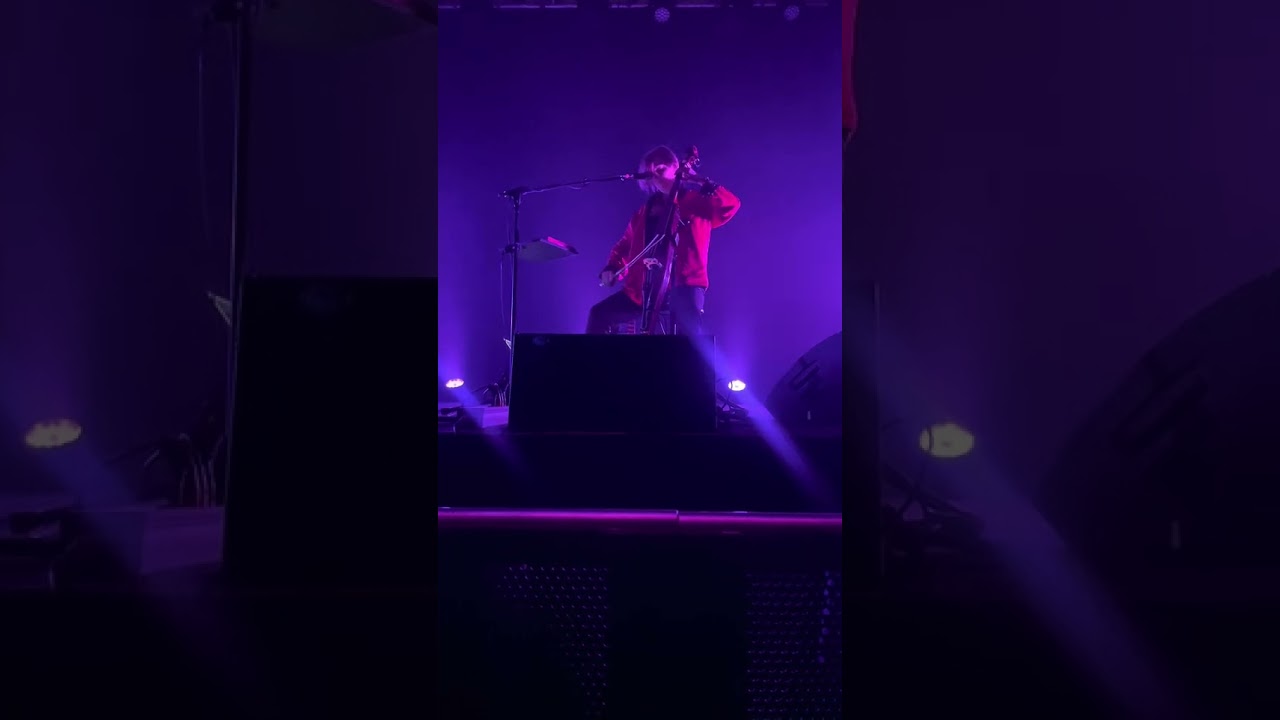
Shannon also addressed a practical reality: "traveling with an instrument is never easy and adding a lot of other gear makes it much more difficult." Yet she notes it remains "worthwhile though when you're having a good time on stage" (7:15). This is not romantic. It's pragmatic: the friction of travel and transport is real, but it's worth it when the end result—live connection with an audience—justifies the effort.

This suggests that artistic authenticity isn't a private affair. It requires taking your work into the world, bearing the inconvenience of movement and exposure, accepting that your art will meet resistance and demands it wasn't designed for. The farm gave her space to develop an inner voice; bringing that voice to stages required a different kind of courage.

Where to go from here

Shannon's story offers several points of departure for anyone interested in artistic development or authenticity more broadly. First: examine the inherited constraints in your field. Are they features of the medium itself, or assumptions passed down? The cello hadn't changed, but Shannon's perception of what was possible with it did, simply because she saw others pushing differently.

Second: take seriously the relationship between your environment and your thinking. The farm wasn't a setting—it was a teacher. What assumptions do you inherit from the spaces you inhabit? What would change if you worked in a different environment?

Third: consider whether you're optimizing for the wrong metric. Competitions, rankings, and comparative measures often capture attention but misdirect energy. What would it feel like to replace "winning" with "connecting"?

Finally: honor tradition not by copying it but by doing what the great practitioners did—understanding your own time deeply and using its tools creatively. Authenticity is not rebellion against the past; it's a mature engagement with it.
Comments

Loading the conversation…

Transcript

[0:00] [Music]

[0:15] my name is Shannon and I live on an

[0:17] organic vegetable

[0:19] [Music]

[0:21] farm we grow most of our own food and

[0:24] take produce to farmers markets

[0:41] we make our own

[0:43] electricity and we have a friendly old

[0:45] wood stove for cooking and

[0:46] [Music]

[0:49] heating it's definitely an environment

[0:51] that encourages thinking outside the box

[0:53] and has been a tremendous influence on

[0:55] the major focus of my life which is

[0:57] music I started asking my parents for ch

[1:00] when I was 3 years

[1:01] [Music]

[1:04] old even the Three Bears who lived in my

[1:07] dollhouse played music

[1:09] [Music]

[1:12] together of course that was only when

[1:14] Goldilocks was

[1:20] away but unlike them I played alone when

[1:22] I was younger and relish the isolation

[1:25] of a country life and really just let

[1:28] what was around me influence my playing

[1:30] rather then notes on a page I began to

[1:33] study classical cello and learned to

[1:35] love works of the great composers but I

[1:38] never stopped feeling the need to find

[1:40] my own voice their voices were so

[1:42] powerful after all that I felt sure to

[1:44] lose something of myself if I was

[1:46] limited to their

[1:48] ideas I also felt a responsibility to

[1:52] live in my own time and use the tools

[1:54] available for doing so just as they had

[1:59] [Music]

[2:20] I think it's

[2:23] funny so standing there

[2:30] [Music]

[2:32] they didn't say

[2:35] something but you know we wouldn't

[2:41] [Music]

[2:49] care said you were

[2:53] busy and I said were a shame

[3:02] you act like you can

[3:05] [Music]

[4:04] there are some instruments that thrive

[4:05] on change and are constantly reinvented

[4:07] to drive that

[4:09] [Music]

[4:21] change I can remember becoming

[4:23] interested in starting the guitar and I

[4:26] think one of the reasons I was so

[4:28] interested in beginning to play was was

[4:30] because I just saw a whole lot of people

[4:32] doing a whole lot of different things

[4:34] with it and it was an instrument that I

[4:36] feel didn't suffer as much uh from the

[4:39] constraints that I feel the cello does

[4:42] and I be I think playing the guitar

[4:45] really just started to influence um the

[4:48] way I thought about the cello and also

[4:51] the direction I wanted to head in uh

[4:53] with the cello and just began to uh kind

[4:57] of make me question my traditional

[4:59] training

[5:01] [Music]

[5:01] [Laughter]

[5:02] [Music]

[5:13] [Laughter]

[5:18] [Music]

[5:20] [Laughter]

[5:25] [Music]

[5:33] all right yeah we got it all

[5:46] [Music]

[5:52] right and what I could do with the

[5:54] chello began to expand

[6:03] [Music]

[6:27] to

[6:31] [Music]

[6:48] he

[6:56] [Music]

[7:15] of course traveling with an instrument

[7:16] is never easy and adding a lot of other

[7:19] gear makes it much more difficult it's

[7:21] always so worthwhile though when you're

[7:22] having a good time on stage

[7:29] [Music]

[7:56] I've done competitions both here and in

[7:58] Europe and we continue to do so on a

[8:00] limited basis but that's really a whole

[8:03] different scene I just don't really like

[8:05] what competitions do to people

[8:07] emotionally and artistically in fact one

[8:09] of the first competitions I won was I

[8:12] was actually set on fire by a competitor

[8:15] [Music]

[8:41] for now I am really happy to be

[8:42] experimenting with my own ideas and I'm

[8:45] really just trying to connect with

[8:46] audiences that's what music's all about

[8:56] [Music]

Shannon Hayden
ArtistShannon Hayden

Multi-instrumentalist composer and music teacher who blends folk, classical, and experimental music to create transformative sonic experiences that foster healing and self-expressi…

View profileWebsite
Explore Topics
Artistic-voiceClassical-musicAuthenticityMusic-educationCreative-constraint

Got Questions?

Frequently Asked Questions

According to Shannon, the answer is to honor what great artists did—not copy what they made, but embody their spirit of creative inquiry within your own time. Just as classical composers used the tools available to them, your responsibility is to find your own voice by using contemporary tools while respecting the depth of the tradition you're inheriting.
Yes. Shannon found that learning guitar fundamentally changed how she thought about the cello, because guitar showed her what was possible when an instrument wasn't constrained by tradition. Seeing guitarists work with freedom and variation made her question her classical cello training and expand what she could do with the instrument.
Shannon advises caution. While she competed successfully, she moved away from competitions because of what they do "emotionally and artistically" to people. Competitions create scarcity and ranking as the goal, which can misdirect artistic energy away from authentic expression and toward winning. She found deeper satisfaction in experimenting with her own ideas and connecting with audiences.
Shannon's upbringing on an organic farm that "encourages thinking outside the box" shaped her willingness to question convention and trust her own intuition. Growing up in isolation, letting her environment influence her playing before formal training, created habits of self-directed learning that lasted into adulthood.
Shannon questioned her traditional cello training once she saw alternative approaches through the guitar. The first step is recognizing that constraints might be inherited assumptions rather than fixed realities. Then expose yourself to how others in your field work differently, and ask what becomes possible if you apply those insights to your own practice.
Yes, but it requires accepting friction. Shannon notes that traveling with instruments and gear is never easy, but it's "always so worthwhile when you're having a good time on stage." The goal—connecting with audiences—justifies the inconvenience of bringing your art into the world.

Continue Reading

More from Shannon

View All
Void to Matter: Live Sound Performance at Ventura Music Hall
Inspire

Void to Matter: Live Sound Performance at Ventura Music Hall

Shannon Hayden explores the relationship between emptiness and physical form through a live sound performance at Ventura Music Hall.…

1 min read
When the Violin: Contemporary Choral Music and Spiritual Expression
Inspire

When the Violin: Contemporary Choral Music and Spiritual Expression

Shannon Hayden and University Singers perform Reena Esmail's "When the Violin," a contemporary choral work exploring the intersection of mus…

1 min read
How Social Media Feeds the Ego and Disconnects You
Inspire

How Social Media Feeds the Ego and Disconnects You

Social media transforms into an ego stage where curated perfection creates false comparison. Understanding this trap is key to reclaiming au…

1 min read
Real Awakening vs. Spiritual Bypassing: How to Test Your Progress
Inspire

Real Awakening vs. Spiritual Bypassing: How to Test Your Progress

Awakening isn't proven in calm moments—it's tested when life doesn't go your way. The ego reveals itself instantly through resistance.…

1 min read

Keep exploring

Continue your journey

More wisdom and gatherings from across the BrightStar directory.

More Articles

Browse the full library of teachings, interviews, and guides.

Back to all articles →

Teachers & Artists

Explore the lineages, musicians, and guides of the conscious world.

Explore artists →

Find an Event

Kirtan, retreats, sound baths, breathwork, festivals — happening soon.

Browse events →