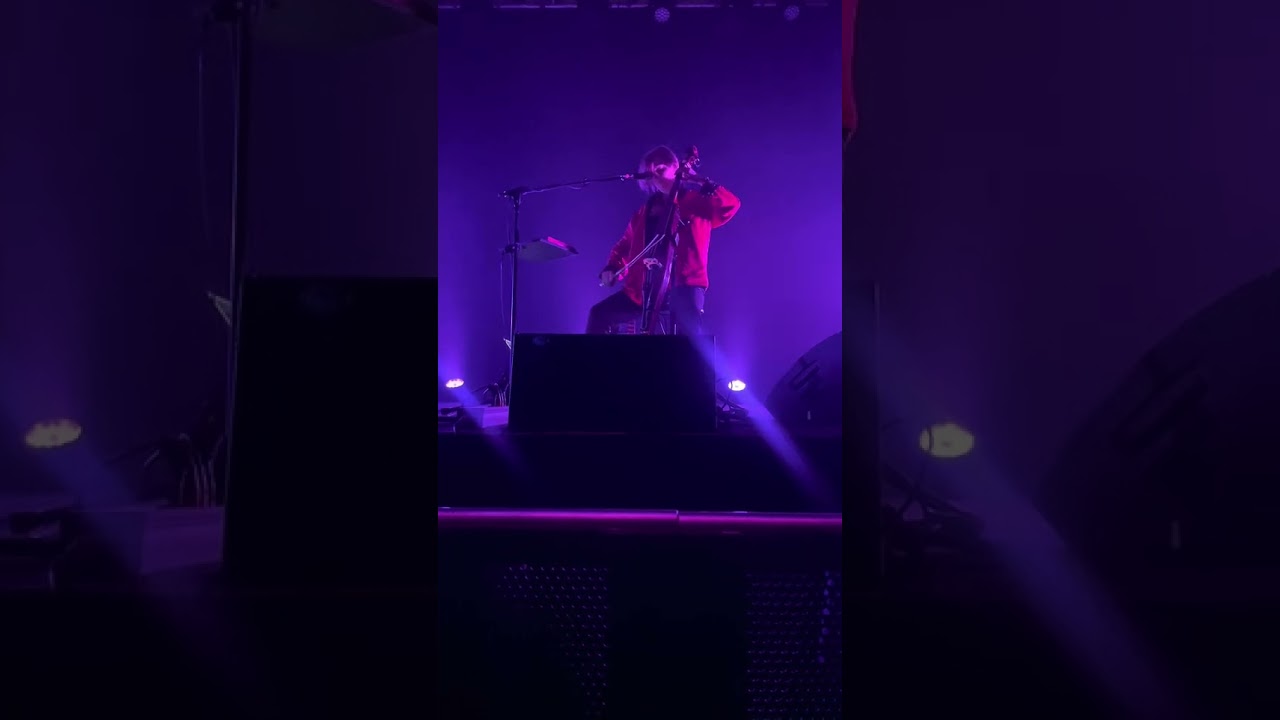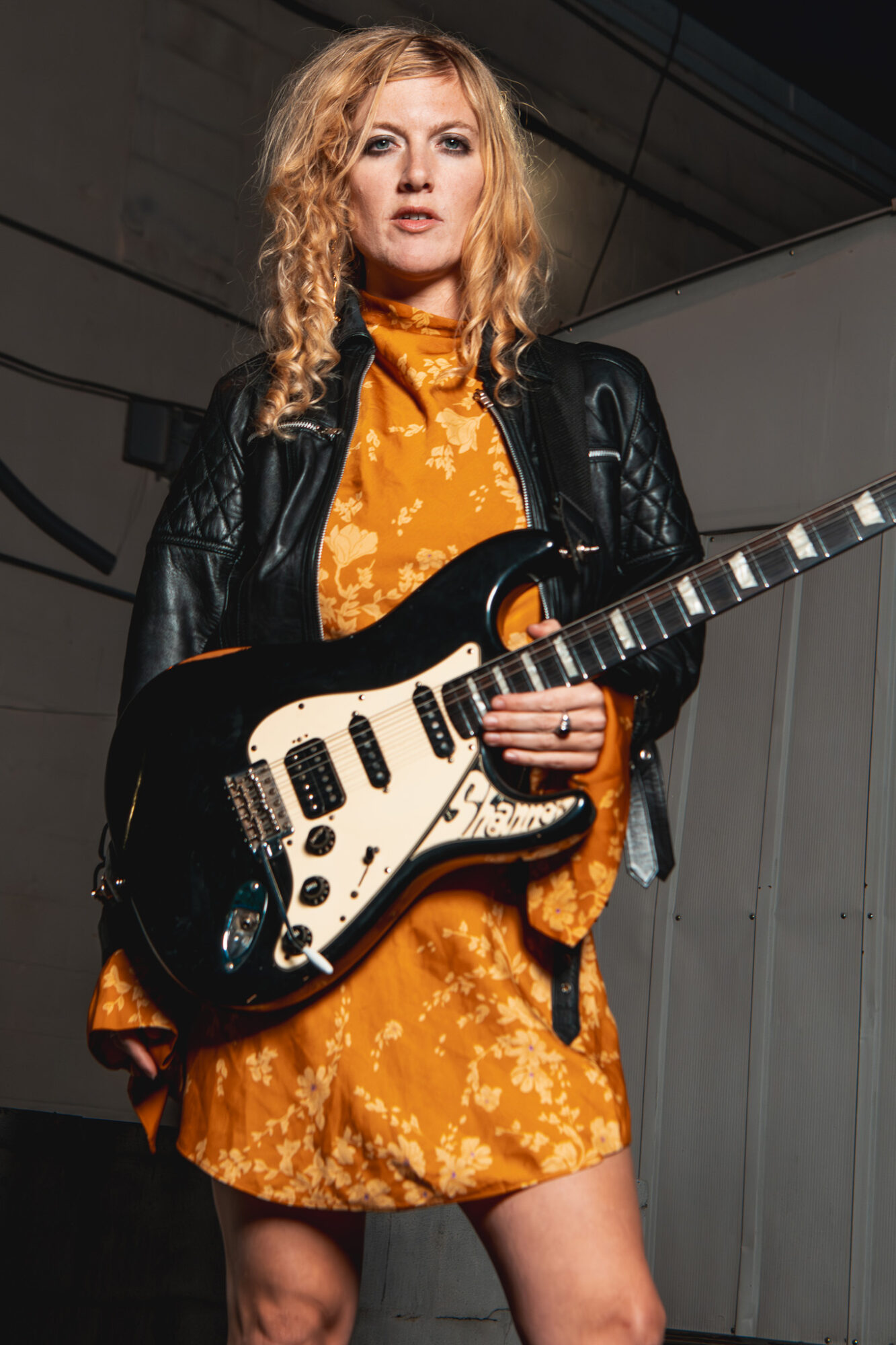
This performance from the 2012 Midwest Electro-Music Festival in Indianapolis captures a live electro-music session where Shannon Hayden works with electronic instruments and sound design to create an immersive sonic experience. Without a detailed transcript, the work exemplifies the intersection of technology, real-time composition, and artistic intention in contemporary electronic music performance.
What Is Electro-Music and Live Electronic Performance?
Electro-music encompasses the creation and performance of music using electronic instruments, synthesizers, controllers, and digital audio workstations. A live electro-music performance differs fundamentally from a recorded electronic music album: the artist composes, manipulates, and responds to sound in real time, often making aesthetic decisions during the performance itself. This creates a direct relationship between performer intention and audience experience, where each performance becomes a unique expression rather than a reproduction of a fixed composition.
The Midwest Electro-Music Festival Context
The Midwest Electro-Music Festival is a regional gathering dedicated to experimental and innovative electronic music practices. Such festivals create spaces where artists working with synthesizers, field recordings, algorithmic composition, and sound design can present their work to engaged audiences. The festival setting itself shapes how performers approach their material—knowing the audience has actively chosen to attend an electronic music event typically allows artists greater creative latitude in form, structure, and sonic territory.
How Does Real-Time Sound Manipulation Shape Performance?
In live electro-music performance, the artist's relationship to their instruments becomes a central aspect of the work. Rather than triggering pre-recorded loops or following a strict setlist, performers often engage in what might be called "live electronic improvisation"—building sonic landscapes by adjusting parameters in real time, layering textures, and responding to what they hear as it unfolds. This requires both technical facility with the tools and an intuitive musical sensibility, similar to how a jazz musician listens and responds within ensemble improvisation.
Sound Design as Compositional Tool
At the heart of electro-music practice lies sound design—the deliberate shaping of timbre, texture, and acoustic properties. Rather than working primarily with melody or harmony, many electro-music artists focus on the tonal quality of sounds themselves. A single synthesizer sound might be developed over minutes, through subtle parameter shifts, filtering, modulation, and spatial processing. This approach treats sound itself as the primary compositional material, much as a painter treats color and texture.
Technology as Creative Medium, Not Mere Tool
Electronic instruments are not neutral technologies; they shape what kinds of sounds become possible and what kinds of musical thinking emerge. A particular synthesizer's architecture, a effects processor's character, or a software interface's design all influence what an artist will create. This means the technology itself is part of the artistic statement. When Shannon Hayden performs at a festival dedicated to electro-music, the choice of which instruments to use, how they are configured, and how they interact all represent artistic decisions as significant as the sounds produced.
Where to Go from Here
To deepen your understanding of electro-music practices, explore the work of pioneering electronic musicians like Alvin Lucier, Pauline Oliveros, and Merzbow, who have shaped what live electronic performance can be. Investigate the technical side by learning about synthesizer architecture, digital audio workstations, and real-time performance systems. Attend a local electro-music festival or experimental music venue to experience how these performances feel in a live setting—the spatial dimension, the duration, and the acoustic presence of electronic sound cannot be fully appreciated through recording alone. Finally, if you play an instrument or work with sound, consider how you might use electronic tools not as replacements for acoustic practice but as extensions of creative intention.