Transcript
[0:00] [Applause]
[0:08] No
[0:10] [Applause]
[0:16] oh that's brilliant
[0:22] that was great good night thank you
[0:25] hello everyone thank you very much for
[0:28] coming I am delighted to see so many of
[0:31] you here delighted but not in the
[0:33] tiniest bit surprised where else would
[0:35] you want to be what else could you be
[0:37] doing given you've somehow managed to
[0:40] lure here to talk to us tonight I'm
[0:42] thrilled to welcome you all on behalf of
[0:44] the how-to Academy I've seen some posts
[0:46] under comments on social media that
[0:48] suggest that some of you really have
[0:50] come from far and wide so well done for
[0:52] getting your hands on a magic ticket and
[0:55] for making such an inspired decision
[0:57] we're here to talk about the very small
[0:59] matters of life and love if they feel
[1:03] like quite big things to grapple with in
[1:05] just about an hour I don't think we
[1:08] could possibly have a better guide in
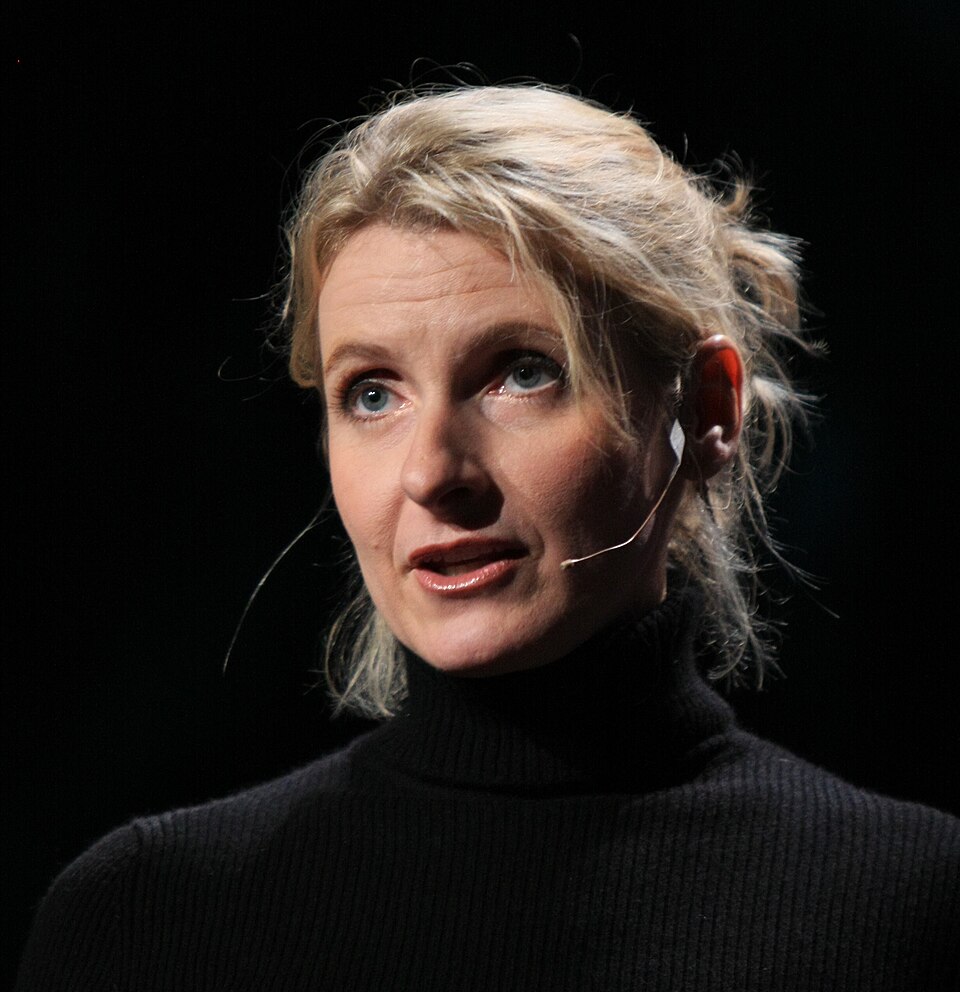
[1:10] Elizabeth Gilbert it's very hard to know
[1:12] how to introduce her she's so many
[1:14] things she's so many different things to
[1:16] so many different people I'm sure a
[1:18] number of you have probably decided over
[1:20] the course of the last few years that
[1:21] she's your best friend or closest
[1:24] counselor without actually probably
[1:25] having told her that yet and but I'm
[1:27] gonna let her describe her life how she
[1:30] lives it fully embracing all the ups and
[1:33] downs and I know there have been a
[1:34] number of both over the last few years
[1:36] she'll be able to describe that so much
[1:38] better that I can and suffice to say she
[1:41] is obviously one of the most loved and
[1:42] cherished writers of our generation and
[1:45] I'm gonna put us all into the same
[1:46] generation tonight for argument's sake
[1:49] she's brought us so many wonderful
[1:51] novels and works of nonfiction over the
[1:53] years and one I have an inkling you
[1:55] might have all heard of a certain Eat
[1:57] Pray Love that was obviously came into
[2:00] the world in 2006 occult for Don
[2:03] [Applause]
[2:07] you may already know then that it sold
[2:10] 15 million copies and stayed for four
[2:13] years which is extraordinary on the New
[2:14] York Times bestseller list and that was
[2:16] translated into 46 different languages
[2:18] and like so much of elizabeth's writing
[2:20] I think so many of us really found
[2:22] ourselves amongst those pages and she's
[2:25] fought us brilliant things since we've
[2:26] had big magic which is himself the
[2:35] acclaimed own signature of all things
[2:36] and the book that we're here we're gonna
[2:39] be also talking about tonight is her
[2:41] latest you may have already read it
[2:43] wonderful fun spirited joyous kind of
[2:47] bounding novel which is city of girls
[2:49] and it couldn't be more timely I think
[2:51] we all really need it and the quote on
[2:53] the front which I think encapsulate s'
[2:55] both the theme of the book but also I
[2:58] think the Elizabeth Gilbert philosophy
[3:00] of living is life is both fleeting and
[3:03] dangerous and there is no point in
[3:05] denying yourself pleasure or being
[3:07] anything other than what you are so we
[3:09] say commenting anyway that that's enough
[3:15] from me and I'm gonna be in conversation
[3:17] visitor for about 50 minutes or so and
[3:19] then we will have time for questions
[3:20] there are a lot of you I'm sure that
[3:23] many of you have questions please just
[3:25] try and keep them as concise as possible
[3:27] and then we can get through and as many
[3:30] as possible so thank you again very very
[3:32] much and thank you very thank you hi
[3:34] London how is London for you as a
[3:40] describer of places okay this is um I
[3:44] actually was just talking to somebody
[3:45] today about how guilty I feel in my
[3:47] apologies to anybody in here who will be
[3:50] offended at how much I like London more
[3:52] than Paris and I I just sorry you know I
[3:59] just do there so I always I it's a city
[4:02] I could imagine living in and and I have
[4:05] great friends here and I just I love it
[4:07] um I'm sorry person why why it what a
[4:09] dumb way to praise a thing like better
[4:13] but is something else like why would you
[4:15] need to take some why
[4:16] take poor innocent Paris down to praise
[4:19] London we just say I like London watch
[4:21] let's just leave it at that we're going
[4:23] through a bit of a you know tough time
[4:24] limit so compliments a great greatly
[4:26] well so are we
[4:27] yeah but we're not gonna we're not gonna
[4:32] get onto onto politics I I just wanna I
[4:34] want to ask I said you were many things
[4:36] to many people you're obviously a writer
[4:37] but it's very hard to imagine you ever
[4:40] really have to introduce yourself I
[4:41] think probably when you meet people they
[4:42] know who you are
[4:43] I usually straight men here tonight with
[4:46] their wives or girlfriends we may have
[4:48] to introduce me to them but otherwise I
[4:49] think everybody know so I am here if if
[4:52] we were gonna meet someone who'd be say
[4:55] living off-grid for the last 25 years or
[4:57] in a dark cupboard and you had to
[4:58] introduce yourself and say who you were
[5:01] what what would how would what would
[5:02] that be I would say that I always I mean
[5:05] that's what I do say on the airplane
[5:06] when people say you know what do you do
[5:08] and they don't know who I am I say I'm a
[5:09] writer and then they say have you
[5:12] written anything I've heard of and then
[5:13] I'll say I wrote a book called Eat Pray
[5:14] Love and then I'll wait and there's only
[5:16] two reactions and it's either oh that's
[5:18] nice or yeah I would say was right but I
[5:22] think I'm I think I'm a storyteller and
[5:25] I think I'm a seeker I think those are
[5:27] probably my two biggest jobs that that's
[5:31] how I spend my time although my main job
[5:33] honestly like what most of the hours of
[5:36] my day go to and I'm not even being
[5:38] facetious is actually just managing my
[5:40] mental health truly because like many of
[5:43] us I wake up in the morning and my first
[5:45] conscious thought is like oh [ __ ] [ __ ]
[5:52] you know like how how you know every
[5:56] single day for my entire life and so
[5:59] it's a really huge amount of my day my
[6:02] weeks my month and my years has been
[6:04] given over to trying to figure out how
[6:05] to take that exclamation point of panic
[6:08] that I wake up with and just kind of
[6:10] settle it as best I can so that's my
[6:12] actual job everything else that I do is
[6:15] just a hobby
[6:17] so did you always want to be a writer
[6:20] were you born dreaming of being a writer
[6:22] not born you know as soon as you could
[6:24] think of it were you wanting to be a
[6:25] writer as soon as I could think of it
[6:27] yeah yeah for sure and my I mean it's
[6:29] it's kind of ridiculous but my sister my
[6:31] older sister Katherine Gilbert Murdock
[6:33] who just won the Newbery Medal for young
[6:35] adult literature by the way who's a
[6:38] great great great writer she and I we
[6:41] were raised on a small family Christmas
[6:43] tree farm in New England my parents were
[6:46] so weird and libertarian off the grid as
[6:51] much as you can be off the grid an hour
[6:53] from New York City but they were in a
[6:55] sense we didn't have television and we
[6:57] didn't have a radio and we didn't have
[6:58] any neighbors our age and they my
[7:01] parents were not of the school that it
[7:03] was their responsibility to keep their
[7:04] children entertained and so we had to
[7:07] keep ourselves entertained and books
[7:08] were very very cherished and my sister
[7:11] pointed out to me that she figured out
[7:13] very early on that the only thing that
[7:15] we could ever be doing that my parents
[7:17] would not interrupt us and put us to
[7:18] work
[7:19] doing like farm work was if we were
[7:21] reading that was the only thing that was
[7:23] respected more than physical labor and
[7:26] so we both figured out read a lot it'll
[7:29] mean that you don't have to move the
[7:30] wood pile or milk the goats or do any of
[7:32] that kind of stuff so I think and then
[7:34] Katherine just created these worlds that
[7:36] we lived in because we didn't we didn't
[7:38] have input from the outside world so she
[7:39] would create these incredible universes
[7:42] she would embroider everything she was
[7:45] reading this is even this is when I was
[7:46] pre literate but she'd be reading a book
[7:48] about some dumb 1930s children's book
[7:51] about cave twins and she would take that
[7:54] she would embroider it with a children's
[7:56] biography about Franklin Delano
[7:58] Roosevelt and then we would live for a
[8:00] week in a story that we were cave twins
[8:01] who had a dinosaur who had polio you
[8:04] know or like all these weird things that
[8:06] she would put together and and that's
[8:08] all we did that is all we did and we we
[8:11] wrote plays and we created books I still
[8:14] have these books that we made when we
[8:16] were kids that we bound with thread and
[8:19] we wrote the stories and we drew the
[8:21] pictures I get this we drew our author
[8:23] photos on the back
[8:25] and then wrote quotes from the New York
[8:28] Times we didn't know what the New York
[8:29] Times was but we would take books from
[8:31] my parents shelf and see that something
[8:32] called the New York Times had put a
[8:34] quote on there so we were like really
[8:36] living into that already from a very
[8:38] early age so I can't imagine that I ever
[8:40] ever could have been anything else and
[8:41] now when you come to write do you have a
[8:44] set routine I read that you go away
[8:46] somewhere where you can eat and sleep
[8:48] and will so you dream your stories yeah
[8:51] I have a I'm a very social person it's
[8:54] personally why I think social media has
[8:57] been such a natural pond for me to jump
[8:59] into is because I want to talk to you
[9:01] anyway like if we didn't have social
[9:03] media I would sit next to you on a bus
[9:05] and I would talk to you I want I want
[9:07] that I'm so desperately hungry for
[9:10] connection always and and so I feel like
[9:14] in some way I don't have the typical
[9:16] personality of a writer I think a lot of
[9:19] people become writers so that they never
[9:20] have to deal with human beings again but
[9:23] I really I always say that I have the
[9:24] soul of a very serious literary author
[9:27] but I have the personality of an
[9:28] aerobics instructor come on guys
[9:32] you know so I have to but I have to put
[9:35] the aerobics instructor away in order to
[9:38] do the writing and and so my process is
[9:41] normally like for this book maybe four
[9:44] years of research of just trying to
[9:47] learn everything that I could about
[9:48] because it's set in New York City in the
[9:50] 1940s it's about the theater world's
[9:52] about showgirls it's about musicals it's
[9:54] about World War two in New York and so I
[9:57] had to just almost learn that world like
[9:59] learning a foreign language and you want
[10:01] to get really proficient in that
[10:03] language so that when you sit down to
[10:04] write it just comes out really naturally
[10:06] so it's all about research but then when
[10:08] it comes time to write I have to not be
[10:11] with anybody except a dog it's the only
[10:13] allowed company and I just went away off
[10:16] into the country and you go to sleep at
[10:18] 8 o'clock at night wake up at 4:30 in
[10:20] the morning right nap eat something
[10:23] repeat repeat repeat repeat and until
[10:25] it's done I do it in 1 1 go as fast as I
[10:29] possibly can because I've learned and
[10:30] this is a trick this is weird because we
[10:33] get very fussy when we're writing and we
[10:35] find it's very precious and we want to
[10:36] treat it like it's a Faberge egg but my
[10:39] experience with
[10:39] and I'll hand this to anybody who's
[10:41] writing do it faster it's better the
[10:44] faster you write the better it is you
[10:46] know how I'm a drunk person can run
[10:48] without falling but they can't walk
[10:50] without falling and they absolutely
[10:52] cannot stand without foot you know but
[10:55] like how drunk people have to be in
[10:57] motion to not fall down same with
[10:59] writing if you stop or slow down you
[11:02] will fall and you'll draw it's
[11:04] incredible and I actually took a circus
[11:06] class once when I was in college because
[11:08] I went to NYU where they give you credit
[11:10] for that but I took a circus class and I
[11:12] found out it's the same you can run over
[11:14] a tightrope easier than you can walk on
[11:16] one and it's very hard to stand on one
[11:18] so momentum is actually what's needed
[11:20] and so I really like is mind trick that
[11:24] I do to just see like how fast I can
[11:26] write it and and it's and I don't look
[11:28] back and I don't let myself look back
[11:30] and so it's what it's almost my friend
[11:32] Martha Beck said that watching me write
[11:34] this book was like watching somebody
[11:35] swim the English Channel in one breath
[11:37] but it's it's really better that way
[11:39] it's so weird but but it also remember
[11:42] there's four years of preparation to
[11:43] swim the channel but when you do it just
[11:45] run you know go faster that deliberating
[11:49] over is it of or should it be you know
[11:52] is it this adjective or that will kill
[11:54] you you'll die in it you'll be like
[11:55] those dinosaurs on the tar you just have
[11:58] to move fast fast fast actually that's
[12:01] one of the things that I think I
[12:02] highlighted most of all in big magic is
[12:05] the idea that perfectionism is really
[12:08] something we should try and let go of
[12:09] when we're trying to be creative let go
[12:11] of perfectionism is that right yeah
[12:13] except to do that you have to call it by
[12:15] its true name and so because I think
[12:17] that a lot of perfectionists including
[12:20] myself we use that word because we
[12:23] pretend it's a fault it's what you say
[12:25] in a job interview right if my biggest
[12:27] if anything I'm too much of a
[12:29] perfectionist I care too much you know
[12:32] you actually secretly think it's a
[12:35] virtue and so the trick is to actually
[12:39] expose it to pull off its fake mask and
[12:42] to expose perfectionism by it and call
[12:44] it by its real name which is fear and
[12:46] that's all it is it's fear it's fear
[12:48] that you're not good enough it's fear
[12:49] that you're not worthy it's fear that
[12:50] you're going to be revealed uncovered
[12:52] exposed betrayed criticized all of it
[12:55] and so you're trying to mask that
[12:58] absolute terror by never making a
[13:00] misstep and I feel like when I call my
[13:03] perfectionism fear it's easier to
[13:06] actually make it go away cuz that's not
[13:08] as sexy and it doesn't sound as fancy I
[13:12] always say that perfectionism is just
[13:13] fear and high heels and a mink coat
[13:15] pretending to be fancy like that you
[13:18] know or like sort of a mustache and a
[13:21] you know but it's a disguise it's just
[13:23] terror
[13:24] it's just terror that's the terror it's
[13:28] the lie perfectionism is the lie that
[13:30] says that there's some kind of a rent
[13:32] that you have to pay to be here on this
[13:36] earth and that you've got to master it
[13:38] in order to be allowed to be here
[13:40] when there isn't one you already it's
[13:42] like you're auditioning for a part you
[13:43] already got like you've yet to just be
[13:46] here you don't have to be perfect to be
[13:49] here or even good you just don't have to
[13:52] actually do anything you're allowed to
[13:53] just be that fear is the thing that
[13:56] stops us being creative you think
[13:58] creativity is innate within all of us
[14:00] it's just a fear that would stop us from
[14:02] expressing it yeah and I also think it's
[14:05] a misunderstanding I think a lot of what
[14:07] stops people from not being creative is
[14:09] that they think that it doesn't belong
[14:11] to them how many times have you heard or
[14:13] said I don't have a creative bone in my
[14:15] body I wish I did I wish it was creative
[14:17] I don't have a creative bone in my body
[14:18] it's that some loony that was absolutely
[14:22] crazy it's the hallmark of this entire
[14:24] species there's barely an inch for
[14:26] better or for worse of this world that
[14:29] has not been altered by human creativity
[14:30] it's what we do we take nothing and we
[14:33] turn it into another thing and then we
[14:34] take that and we turn it into another
[14:36] thing and everyone does it it's just
[14:37] it's I mean there's never been a you
[14:40] know you can't link jump a pile of Legos
[14:41] in front of a three-year-old and have
[14:44] them be like yeah I don't have a
[14:45] creative bone in my body I cut you don't
[14:47] put like crayons in front of a kid and
[14:49] they're like you know I'm not that I'm
[14:51] not the artist might you know they're
[14:54] like that you're like they just they
[14:56] just do it until somebody tells them
[14:58] that they're not supposed to write
[14:59] and it's just a notch and the best
[15:01] evidence of that is what kids do and
[15:03] what our ancestors did I always think of
[15:07] my grandparents who were Depression era
[15:09] dairy farmers in northern Minnesota so
[15:12] these are people who I mean their
[15:14] Scandinavian Lutheran's in Minnesota and
[15:16] the depression you can't get less
[15:18] frivolous than that you know like that
[15:21] is like as that is like as scraped away
[15:23] from Beauty pleasure delight and joy as
[15:26] you can get is to be northern Minnesota
[15:28] dairy farmers in 1931 with Lutheran
[15:32] values and and a Swedish accent I mean
[15:35] that is a grim that is really grim and
[15:37] they didn't believe in pleasure and they
[15:40] didn't they didn't trust it and they
[15:42] didn't they didn't like seek out beauty
[15:44] they worked and they struggled and you
[15:46] know they were constantly afraid of
[15:48] losing the farm which they did lose
[15:49] eventually and they were constantly
[15:50] trying to figure how they were gonna
[15:52] survive for the next day it was a really
[15:54] brutal struggle and yet both of my
[15:56] grandparents had things that they made
[15:59] with their hands that were so beautiful
[16:02] my grandmother made quilts and my
[16:05] definition of creativity and art is the
[16:06] making of something that's so much more
[16:08] beautiful than it needs to be so my
[16:10] grandmother needed to make quilts
[16:11] because she had eight kids and they were
[16:13] cold and they couldn't afford to buy
[16:14] material and they had to use old scraps
[16:17] so it makes sense to make a patchwork
[16:18] quilt it didn't need to look like this
[16:22] quilt looked it didn't need to
[16:24] it was excessively these quilts are
[16:27] excessively beautiful I have one in my
[16:29] house hanging on a wall because it is so
[16:31] beautiful
[16:31] and these are people who would have said
[16:33] artists like what does that word even
[16:35] mean but they did it instinctively
[16:37] because there's some human desire that
[16:40] makes us want to do that even in the
[16:42] most strict and harsh and and Beauty
[16:45] starved deprived circumstances there's
[16:48] something in us it's part of the
[16:50] hallmark of our nature and so if you're
[16:53] saying that you're not creative I would
[16:54] just encourage you to look at your
[16:56] ancestors and look at the stuff they
[16:57] made even if they were poor especially
[16:59] if they were poor and then look at the
[17:01] kids and see what they're making and try
[17:03] to figure out what's broken and you buy
[17:05] something you were taught that said that
[17:07] you're not that's frivolous to do this
[17:08] or you're not supposed to do this or
[17:10] you're not invited to do this or you you
[17:11] didn't get the right education
[17:13] do it or not don't have enough money to
[17:14] do it or you're not talented enough
[17:17] whatever those things are it's just lies
[17:18] lies lies lies before we come unto your
[17:23] beautiful creation just one more
[17:25] slightly more general question which is
[17:28] also in big magic you seem to suggest
[17:30] that this idea that you have to suffer
[17:32] for your art that it's a sufferance and
[17:34] that it's sort of something that creates
[17:36] anguish that we've thought about through
[17:37] history that's another myth that you
[17:39] want to dispel yeah my reaction to that
[17:42] is that and it always has been I hate
[17:47] it's like it's maybe it's maybe the
[17:49] cultural myth that I hate the most
[17:51] there's a lot of them there's a lot of
[17:53] really dumb ones about women too but I
[17:55] really really hate that one this this
[17:59] romanticized literally capital are
[18:01] romanticized from 19th century German
[18:03] romantics this romanticized idea that
[18:07] you are not a serious artist unless it
[18:08] makes you bleed unless it's painful
[18:11] unless you give up everything for it and
[18:13] it and there's so many examples of it
[18:15] it's very male it's incredibly male it's
[18:19] incredibly Northern European it's
[18:21] incredibly Calvinist it has a lot to do
[18:24] with a kind of death cult that a lot of
[18:26] this culture is based on it's very life
[18:29] destroying which is the exact actual
[18:32] opposite of what creativity is it's kind
[18:34] of incredible that they did that but
[18:36] they managed to take something that is
[18:39] so life-affirming healing generative
[18:41] generous and beautiful and turn it into
[18:43] a [ __ ] death cult but that's what
[18:46] that's what like 19th century Germanic
[18:49] men did you know with everything they're
[18:51] like let's make it into something about
[18:53] death and and it's not it's about life
[18:56] and I and I have in my relationship with
[18:59] creativity has only ever been one of its
[19:02] feeding me that's what it does it feeds
[19:04] us my grandmother didn't make those
[19:06] beautiful quilts because she had a whole
[19:08] bunch of free time or she was trying to
[19:10] make money or get famous she did it
[19:12] because she was fed and nourished and
[19:16] transported by it I can just imagine how
[19:18] exhausted she was she got up at 4
[19:20] o'clock in the morning to start feeding
[19:21] the farmhands who lived on her farm
[19:24] so that they could get up at five
[19:25] o'clock in the morning and work until
[19:27] dark and then she worked after they
[19:29] worked and then she made these beautiful
[19:31] things that were so much more beautiful
[19:33] than they needed to be there's no reason
[19:34] she would have done it other than that
[19:36] it saved her and it helped her and it
[19:38] made her feel something that her life
[19:41] was more than just the list that never
[19:44] ended of her entire responsibilities of
[19:46] trying to survive that is what
[19:49] creativity is supposed to be and that's
[19:50] a more feminine version of it it's it's
[19:53] a more giving and generous and
[19:55] affirmative version of it but I actually
[19:57] think it's how most human beings created
[19:59] art for most of history and
[20:01] life-affirming is certainly what city of
[20:04] girls is and it reminds me of the
[20:06] literary version of girls just wanna
[20:08] have fun and there's singing that the
[20:10] whole way through as somebody said it
[20:11] was the 1930s version of girls gone wild
[20:13] [Laughter]
[20:17] and there's obviously morals beneath it
[20:20] certainly but what was what were you
[20:22] trying to do with it what were you
[20:23] trying to say what message did you want
[20:25] to get across well um there's a story
[20:28] I've wanted to tell for a very long time
[20:29] I've wanted to write a book about
[20:32] promiscuous women whose lives are not
[20:36] ruined by their sometimes very bad
[20:40] decision making I don't know where I got
[20:43] the idea to write that book
[20:48] so crazy whim I had one day to write but
[20:52] I I wanted to write I've wanted for
[20:55] years to write a book that's a counter
[20:57] to another myth I hate which is the the
[21:02] cultural romanticizing again death cult
[21:05] romanticizing of the ruined woman which
[21:08] is so ingrained in our in our cultural
[21:10] narrative and in our stories and it's a
[21:12] great story I mean it's a great opera to
[21:15] tell the story of a woman who's ruined
[21:17] by desire and who makes one bad move
[21:19] falls in love with the wrong person
[21:21] trust somebody that she shouldn't trust
[21:23] gives over you know gives herself over
[21:25] to passion and that's it the whole thing
[21:26] you know it's like my synopsis of all of
[21:29] those novels and operas and poems is
[21:31] like nice girl on the right path
[21:35] feels desire goes for it one orgasm
[21:39] under the wheels of the Train you know I
[21:41] could that's it
[21:42] and the punishment the wages of pleasure
[21:46] you know it's again this this this is a
[21:50] cultural absolute distrust of pleasure
[21:52] this distrust and fear of pleasure it's
[21:54] so brutal and the punishment is so
[21:56] extreme and and I think that the reality
[21:58] of women's lives not just now but for
[22:00] for all of history is that women are
[22:02] capable of actually surviving their own
[22:05] consequences and surviving there there's
[22:09] a little smattering to the consequences
[22:12] to the consequences you know and and and
[22:15] truly though because honestly if their
[22:18] show of hands it's like it if it wasn't
[22:21] possible for women to survive their
[22:24] terrible stupid mistakes around sex and
[22:26] love would anyone in this room still be
[22:28] alive
[22:29] you know um we're all still here you
[22:32] know we're all still here we're all
[22:34] still here and not just here but maybe
[22:36] more interesting stronger more in a
[22:39] weird way powerful for it and that's the
[22:41] story that I wanted to tell and I didn't
[22:43] want to also tell a sort of falsely
[22:45] cheerful sex positive story where
[22:46] there's no consequences no pain and and
[22:49] that's part of the maturing process of
[22:51] my character Vivian is that she has to
[22:53] she extends her wildness so far out into
[22:56] the world and to to the point where she
[22:58] causes
[22:59] pain and creates problems that she can't
[23:00] fix and a lot of the books about shame
[23:03] and about what you do with that but
[23:04] ultimately she's not a ruined woman
[23:07] she's a seasoned woman who in her 90s is
[23:10] looking back at her very interesting
[23:12] sensual life with a lot of affection
[23:15] toward herself which i think is an
[23:16] incredible accomplishment if you can be
[23:18] a woman in this culture who has
[23:20] affection for yourself that's quite
[23:22] remarkable because you're yeah you're
[23:25] going there's a lot against you but you
[23:30] but you chose to that in the 1940s why
[23:32] did you choose then the 1940s New York
[23:35] was a really interesting moment well
[23:37] first of all I've always wanted a write
[23:38] a love story in New York City as well
[23:39] because it's it's um it's New York City
[23:41] is one of the great loves of my life and
[23:43] and it's the city that is my name for it
[23:47] is the great mother because it's it's
[23:48] the place that always takes me in when I
[23:51] [ __ ] up someplace else like I'd go up
[23:53] and try to be normal in a respectable
[23:56] place and I fail and I come back to New
[23:58] York it's like come back it always just
[24:00] been so generous to me and I love it and
[24:02] so I wanted to write a book about
[24:04] somebody who has that same feeling of
[24:06] love for New York that I do and I feel
[24:07] like 1940s was just such an impossibly
[24:09] glamorous moment and I wanted to set it
[24:11] in the theater because there's always
[24:13] been a lot of promiscuity in the theater
[24:14] it's the world that has its own rules
[24:15] and always has so I thought I could get
[24:18] away with the girls being as wild as
[24:20] they are but um but it's also just a
[24:22] really interesting moment for women's
[24:23] history because it was in New York and
[24:26] it may have been staying here but in New
[24:28] York the men were all gone and and so
[24:32] the women were running the city
[24:33] completely they and and they had work
[24:35] and they were making a lot of money a
[24:37] lot of women who never would have had
[24:39] jobs got these jobs in the munitions
[24:41] plants and in the Brooklyn Navy Yard
[24:42] during the war and and doing all sorts
[24:44] of very interesting things and making
[24:46] Bank
[24:47] there was and saving money and packing
[24:50] it away and buying real estate after the
[24:52] war and creating this whole new kind of
[24:54] woman and there had been all these rules
[24:55] and mores prior to the war that
[24:58] dissolved during the war because their
[24:59] rules like if you're a respectable girl
[25:01] you can't walk around the city in the
[25:03] evening without being on the arm of a
[25:04] gentleman well there weren't any men you
[25:07] know so that rule just had to die you're
[25:09] not allowed to eat in a restaurant if
[25:11] you're a respectable woman
[25:12] because people will assume you're a
[25:13] prostitute well prostitute for who like
[25:15] there's no dudes
[25:16] there's no dudes I'm gonna sit this
[25:18] [ __ ] restaurant if I want to and
[25:20] there's a line in the book later in life
[25:22] where Vivian with her circle of female
[25:24] friends
[25:25] she says one thing that she learned over
[25:27] time is that when women are alone with
[25:29] no men around they don't have to be this
[25:31] or that they just can be and that's kind
[25:34] of what happened in New York is that
[25:35] because there were no men around during
[25:37] the war all these women could just be
[25:38] and they became a really interesting
[25:40] generation and then of course the men
[25:42] came back and all the rules came back
[25:43] and all the women lost their jobs and
[25:45] then the skirts got really big again and
[25:46] like you know it was all like tight
[25:48] waists and tits again after that but
[25:50] there was this period during the war it
[25:51] was like trousers and flats and nobody
[25:53] did anything with their hair and
[25:54] everybody was working and riding around
[25:55] in bicycles and and making money and I'm
[25:58] like that's cool that's kind of what my
[25:59] life is like you know and there was just
[26:01] this little moment in the middle of the
[26:03] century where it was what a lot of
[26:04] women's lives were like and and I just
[26:07] thought it would be a really great place
[26:08] to set it and do you think I mean it's
[26:10] the 1940s it's a long time since then
[26:13] but obviously when a book comes out you
[26:14] can't divorce it from the context and do
[26:19] you feel it's a reaction to a counter to
[26:21] where we are today in the sense that me
[26:24] to movement there are rules again and
[26:26] regulations and a slightly more
[26:29] sanitized view of how relationships
[26:31] between men and women should work I will
[26:33] say a couple things one is let me
[26:35] preface it by saying I'm a violent
[26:38] supporter of me too I think it's long
[26:40] overdue and very needed expression of
[26:43] female rage it also like all expressions
[26:47] of Rage spews out in a lot of directions
[26:49] that are particularly tidy and that's
[26:51] all right because it's finding its voice
[26:53] and it will and it's fine and it's good
[26:54] and it's better than not having it and
[26:57] and and the conversation around consent
[27:00] is is obviously incredibly important I
[27:03] just this is not a but but an and I
[27:06] don't think this is a counter it's just
[27:09] me saying as that's happening let us
[27:12] also please not forget that that consent
[27:16] well absolutely vital is not the only
[27:19] word that exists in the arsenal of
[27:21] female sexual desire history there's
[27:23] also such thing as lust
[27:25] and desire an agency and will and hunger
[27:28] and and passion and the idea of a
[27:32] woman's standing in her own full desire
[27:35] looking out into the landscape seeing
[27:38] something that she wants and being like
[27:39] I'm going to go get that which is
[27:43] something that women also do and there's
[27:46] also such a thing as as women behaving
[27:49] very badly around sex that also exists
[27:52] and and we can't have full and equal
[27:54] conversations about sex that we're going
[27:55] to pretend that that doesn't happen it
[27:57] absolutely does happen there's also such
[27:59] a thing as desire that not only that
[28:03] women themselves can't control there's
[28:05] an incredible book the best book of the
[28:07] Year is coming out in a few weeks that
[28:09] is called three women by Lisa today oh
[28:11] and you will be hearing a lot about it
[28:12] it's a nonfiction book by an American
[28:14] journalist who spent almost 10 years
[28:16] following these three women who were
[28:17] having affairs and it's all about how
[28:20] uncover noble female sexual desire can
[28:22] be and what women are willing to risk
[28:24] when they're overcome by passion and the
[28:27] crazy things that we do when we're in
[28:29] that state and I think it's also a very
[28:31] important book at this moment so none of
[28:33] this is - to take away to combat to
[28:36] discuss to argue to debate it's just
[28:38] let's make sure that in this buffet of
[28:40] conversation we also keep in mind that
[28:44] female sexual desire is an ancient
[28:46] primal dark and I don't mean sinful I
[28:49] mean primal muscular uncover noble force
[28:52] and efforts to sanitize that have always
[28:55] been futile no matter where they're
[28:58] coming from and but that doesn't mean
[28:59] that we can't also be having
[29:00] conversations about justice and the
[29:02] workplace and about it you know the
[29:03] safety of female bodies of course it's
[29:06] not either/or it's both end thanks
[29:10] [Applause]
[29:13] [Music]
[29:15] and there's no water in this cup the
[29:18] emperor has no clothes and well you
[29:21] better for well you're pouring wood it's
[29:23] it's also very much isn't it about
[29:26] female friendship and again something
[29:28] that hasn't been much written about in
[29:30] literature in history and and we're
[29:32] having a time here and I think obviously
[29:34] in the US where books and things about
[29:37] female friendship are coming back we've
[29:39] got fleabag I'm sure there's lots of
[29:40] fans of that if you've seen it I am and
[29:43] and Dolly Alderson everything I love
[29:45] female friendship is is its back and
[29:47] something you seem to really comes
[29:49] across in this book it's very important
[29:50] to you thank you for noticing that
[29:52] because it is of course a book with a
[29:54] lot of sex in it it is about female
[29:56] desire but my hope is that by the last
[29:58] page of this book where your heart
[30:00] actually is connecting to this book
[30:03] isn't the idea of female friendship but
[30:05] that's ultimately what this book is
[30:06] about it's ultimately about a woman who
[30:09] learns how to be a friend to other women
[30:11] and there's it's really important to me
[30:14] in my life to be that the the
[30:17] foundational relationships of my life
[30:19] are my female friendships some of which
[30:22] now I am turning 50 in two weeks three
[30:27] weeks something like that it's gonna
[30:29] pause for a second so I'm just waiting
[30:31] for everybody to be like no you couldn't
[30:35] so I should try that again oh no I am I
[30:39] I know I know it's I'm very useful um
[30:43] you guys [ __ ] slow on the way my
[30:47] friend Cheryl and I were talking about
[30:48] how whenever we tell people our age we
[30:50] did this thing where we wait we're like
[30:52] we wait and then they never say anything
[30:54] we're like no you're supposed to say you
[30:56] don't look your age um but they don't
[30:58] look anyway dude I thank you that's how
[31:02] you do it everybody um but one of the
[31:05] things I'm doing this year do you think
[31:07] I'm doing this year to celebrate turning
[31:09] 50 is that I'm taking each one of my
[31:11] beloved oldest dearest female friends on
[31:14] a trip that is particular to what she
[31:17] would love to do so I went I took my
[31:19] best friend from fourth grade since I
[31:21] was nine to Mexico in January and then I
[31:24] went to Hawaii and March with another
[31:27] really old friend of mine and a friend
[31:28] of mine from 20 years ago whose birthday
[31:30] it is today was just celebrating time
[31:31] and instagrams coming to meet me here
[31:32] tomorrow and we're gonna go do some
[31:34] traveling together and in September I'm
[31:35] going with another and it's all about
[31:37] like so much I think I think we can get
[31:40] so fixated on our romantic partnerships
[31:42] and and I think we can become so certain
[31:45] that that is the most important like all
[31:47] your focus should be on that and yet I
[31:49] look at this field of these women who I
[31:51] love and and you know like with my
[31:53] friend Jenny we've been friends for 40
[31:55] [ __ ] years 40 years I will never have
[31:59] a 40-year marriage I'm too old to even
[32:01] try at this point like I will never have
[32:03] that I you know and and I'll never have
[32:06] that depth of intimacy with with with
[32:08] anybody who knows me that deeply and so
[32:10] so much of this book is about
[32:11] celebrating that in addition to the
[32:14] desire for sex and for intimacy and so
[32:17] Vivien there's a lot isn't there of you
[32:20] in in Vivian I mean not not least the
[32:23] line I think you said about when you sit
[32:26] in if once I got the hang of it I found
[32:28] that eating alone by the window in a
[32:29] quiet restaurant is one of life's
[32:31] greatest pleasures she says yeah that's
[32:33] I think one of the many obviously
[32:36] giveaway lines but also this thing you
[32:38] talk about shame and I think the line at
[32:40] some point in a woman's life she just
[32:42] gets tired of being ashamed
[32:43] all the time and she uh she looks back
[32:45] on her life after that she is free to
[32:47] become whoever she truly is you feel do
[32:55] you feel you at that moment and when you
[32:58] look back at the author that wrote Eat
[33:00] Pray Love yeah
[33:01] is that shame in that in that book oh my
[33:04] god that's like a so shame based III
[33:06] Seamus I'm sorry I interrupted you did
[33:09] you hold on oh sorry I mean it's about
[33:10] you might just love about shame no no I
[33:13] was just gonna say that that's women who
[33:16] wrote Eat Pray Love seems ashamed to
[33:18] break with convention she goes off for a
[33:20] year but is always coming back and you
[33:24] have potentially now decided screw
[33:26] convention forever I die I don't do well
[33:29] in it you know I keep trying but I don't
[33:32] thrive
[33:33] I really don't try it still trying now I
[33:35] don't know I just like keep thinking I'm
[33:37] supposed to be a thing and I'm not I'm
[33:39] just not supposed to be a thing other
[33:42] than what I am I'm really not and and
[33:45] shame is is God it's a killer it's just
[33:49] so brutal it's so and it's such a shame
[33:51] based scarcity based culture that we
[33:54] live in anyway and for women it's
[33:55] especially it's especially brutal and
[33:57] God you're not allowed to make a mistake
[33:58] and if you do you know the only
[34:00] respectable thing to do is to just
[34:02] lacerate yourself for the rest of time
[34:04] about it and it's so vicious and and
[34:06] it's so mean it's so terribly mean
[34:08] because this is you know every woman
[34:11] that I know and probably everybody here
[34:13] male or female if you're in this room I
[34:15] would guess that you are somebody who
[34:18] seriously wishes and wants to and
[34:21] actively wants to practice universal
[34:22] human compassion but that actually
[34:25] matters to you that you've heard of that
[34:26] idea and that you you would love to
[34:28] embody that that you would love to love
[34:30] the world that you would love to be in a
[34:31] state of love and that's probably an
[34:33] active part of your consciousness and
[34:35] then probably every single one of you
[34:36] holds a razor to your neck all day about
[34:40] what a piece of human garbage you are
[34:42] and how your history's greatest monster
[34:43] and it's the dichotomy between that you
[34:46] know the paradox of course is that
[34:48] universal human compassion that does not
[34:50] include the self as not universal
[34:52] there's one big gaping hole in the
[34:54] universal human compassion you
[34:56] have to fold yourself into that as well
[34:58] or else you're not doing it right you
[35:00] know like if you want to do it right
[35:01] that's how you have to do it you've got
[35:03] to just be like I'm just one of us I'm
[35:06] just one of the people who who is also
[35:07] suffering in the dilemma of being human
[35:09] and I need compassion one of the things
[35:11] that's been a big shame Buster for me
[35:13] and I don't know if I can convey this
[35:14] but let me see think I try it but like
[35:15] so hand me hand me that glass okay great
[35:22] that was great now hand me your shame
[35:31] it's imaginary do you see the difference
[35:35] like this is a thing it's here in the
[35:38] material world it's a phenomenon it
[35:40] exists I feel it I see you you exist
[35:42] give me your hand here we are you're
[35:44] real you're warm
[35:44] you're live I'm here I'm warm this is
[35:47] real this is happening you can't give me
[35:50] your shame
[35:51] because it's not a thing it's another
[35:54] thing we [ __ ] invented it do you
[35:58] understand this
[35:59] it's imagine it's literally imaginary
[36:03] it's literally imaginary if I were to go
[36:06] into the woods and I were to stare at a
[36:09] boulder in the woods and I always just
[36:11] say to it you should be ashamed of
[36:13] yourself
[36:16] you should be ashamed of yourself I
[36:18] blame you blame is another one give me
[36:21] your blame blame me what does it do to
[36:25] me unless I decide to agree with the
[36:26] dream right that we're having some sort
[36:29] of a dream that were greeing upon that
[36:30] I'm to blame that you're to be shamed
[36:31] it's all this dream that weren't so if I
[36:33] stand before a rock and I say I blame
[36:36] you
[36:36] you should be ashamed of yourself the
[36:39] rock is real I'm real my voice is real
[36:42] it makes it it's like a vibration and
[36:44] the air the birds will turn around and
[36:45] they'll be like what you know like
[36:47] there'll be something that happens this
[36:49] sort of on the physical level but the
[36:51] rock it will do nothing to it you know
[36:55] I'm a really really good thing to do
[36:57] when you're ashamed and I've done this I
[36:58] swear this is whatever it's how to
[37:01] Academy I'll give it to you sit in front
[37:04] of a tree and ask the tree how you
[37:06] should handle your shame ask for advice
[37:09] how do you think I should get over my
[37:11] shame just wait for the answer and it's
[37:14] like what are you even talking about
[37:16] this is this imaginary it's this dream
[37:19] we've agreed upon this is complete human
[37:21] invention and so when I pictured that I
[37:24] could go to the rock and I could rip the
[37:26] moss off it and that would impact it and
[37:29] I could hammer on it and that would
[37:30] impact it but me saying it's your fault
[37:32] I blame you you failed you failed shame
[37:36] on you nothing it's not it's nothing's
[37:39] happening literally nothing is happening
[37:41] so somehow that that idea kind of woke
[37:44] me to the dream of it a little bit where
[37:46] I'm like you know there's there's an
[37:48] idea of awakening that spiritual
[37:49] awakening that in order to awaken you
[37:51] have to wake up from the waking dream
[37:53] you know that's the next level so
[37:56] there's sleep and then there's this
[37:58] dream that we're in and then there's an
[37:59] awakening past that where you're like oh
[38:00] so much of this is just imaginary and
[38:03] shame is is is is a act of imagination
[38:05] that you are you can actually just
[38:08] decide to see for what it is just just
[38:10] the play that we're in when you're
[38:13] writing when you're writing this novel
[38:14] when you have these messages you want to
[38:16] convey do you have your reader in your
[38:20] sights do you know who your reader is
[38:22] when you're writing on Instagram dear
[38:23] ones yeah
[38:25] who are you talking to and when he
[38:26] writes is it for them or for you more or
[38:29] a balance of the both it's for me it's
[38:32] for me because I like doing it it's fun
[38:34] and I enjoy it and I did it long long
[38:36] long before you guys were interested and
[38:39] thank God you are now but I would do it
[38:41] even if you weren't and I don't not
[38:43] because it makes my life really great
[38:44] the you are but primarily it's for me
[38:48] but then when I sit down to write with
[38:50] every book I've had a different actual
[38:53] person in mind who I write to so eat
[38:55] Pray Love was written as a letter
[38:58] entirely to a woman named Darcy Steinke
[39:01] who just wrote the other best book of
[39:03] the year which is called flash count
[39:05] diary that is about menopause that's
[39:06] getting reviewed everywhere that's
[39:08] amazing but she's been a friend of mine
[39:10] for 20 years and when I left to go
[39:12] traveling for eat Pray Love she had just
[39:14] gone through her own divorce her own
[39:15] depression she was on her own spiritual
[39:17] journey we were very much in the same
[39:19] kind of headspace the only difference
[39:20] was that she had a three year old and so
[39:23] there was no possible way she could do
[39:24] what I did and so I had her in my mind
[39:26] the entire time I was traveling and part
[39:28] of my impetus when I was traveling like
[39:31] my real encouragement to go and do and
[39:33] put myself out there and try really hard
[39:34] things was I would just think Darcy
[39:36] can't do this
[39:37] like Darcy can't do this you've got to
[39:39] do this like you've got to go introduce
[39:41] yourself to this person you've got to
[39:43] get on this train and go to the city by
[39:44] yourself because Darcy can't there's the
[39:46] sense that I do have of like not just
[39:49] that but like all my female ancestors
[39:51] all the way back I always say that like
[39:54] my grandmother who had those eight eight
[39:57] kids and probably probably eight
[39:59] miscarriages who was a farm wife and who
[40:02] struggled and who had children and who
[40:03] struggled and who was at Nagre culture
[40:05] and who struggled her life was precisely
[40:08] and exactly like the lives of every
[40:10] single woman in the history starting
[40:12] there going all the way back to Eve it
[40:14] was just that it was just that it was
[40:16] just women having babies women trying to
[40:18] raise babies and women trying to feed
[40:19] babies women trying to grow food women
[40:21] trying to survive women haven't they it
[40:22] was just that and then something
[40:25] happened
[40:25] birth control came my mom had two kids
[40:28] and a very different life than her
[40:29] mother and I have none and I'm like a
[40:32] new species of woman and and what I feel
[40:35] sometimes is this in
[40:37] edible energy of all of their spirits
[40:40] just being like go do it like do because
[40:45] they didn't get to do anything and every
[40:47] single time I walk up to my tiny little
[40:49] 600 square foot one-bedroom tiny little
[40:53] jewel box of an apartment in New York
[40:55] City that I own that nobody else lives
[40:58] in but me where every single thing in it
[41:00] is stuff I love and I turn that lock on
[41:02] the key and I look in that space I hear
[41:04] all my ancestors being like yeah like
[41:10] yeah holy [ __ ] you got your own house
[41:16] you have your own bedroom you have your
[41:20] own bathroom and you know that like it's
[41:22] tiny it's like this big my apartment but
[41:25] it's like I feel that and I felt that so
[41:26] I wrote every word of Eat Pray Love to
[41:29] Darcy because and it made me be able to
[41:33] choose what goes in the book tune it's
[41:34] always a piece of advice that I give to
[41:35] people who are writing it's just always
[41:37] make sure that you're writing to
[41:38] somebody somebody and not not to a
[41:41] demographic because that's not anyone
[41:43] you know so when I ask people who are
[41:45] writing something who is it for and they
[41:47] say oh it's for women between the ages
[41:49] of 40 and 60 who are on their second
[41:51] marriages and who are you know worried
[41:54] about environmental collapse I'm like
[41:56] that's nobody it's nobody I can't feel
[41:59] who that is in my heart so all of my
[42:02] books have been written - so my last so
[42:04] this one I wrote to my dear friend
[42:06] Cheryl who's a great reader and who is
[42:08] in the theatre herself and I wrote it to
[42:10] delight her and and I wrote signature of
[42:13] all things for my fourth-grade teacher
[42:15] who is the first feminist I ever met in
[42:18] my entire life I walked into class 1978
[42:21] and she had a short bright red hair and
[42:24] vivid clothes and she was young and she
[42:25] was cool and she had written on the
[42:28] bulletin board
[42:29] mrs. Miss Miz and circled Ms carpenter
[42:33] and we were like what and and she just
[42:36] sat there with a bunch of nine-year-olds
[42:38] and explained the whole history of these
[42:40] words and why she would be called MS and
[42:43] I just remember sitting there and being
[42:44] like this is going to be a very good
[42:46] year like and it was she was
[42:48] amazing and she was a great gardener and
[42:50] she loved novels and she read Hemingway
[42:51] to us when she taught us Latin and she
[42:53] just believed that we were infinitely
[42:55] infinitely educated and so I wrote all
[42:58] of the signature of all things directly
[43:00] for her pleasure in her delight so I
[43:02] think it's a wonderful way to create
[43:04] because it also means you're not alone
[43:06] in the room you get to be with the
[43:07] person you're talking to and that can
[43:09] make you feel less alone in your
[43:10] creativity oh there's so many places
[43:13] with that I want to go but because I'm
[43:15] gonna move on to we talked about
[43:18] suffering and creativity and I know you
[43:20] don't think that it's a myth that you
[43:23] need to sort of suffer for your art at
[43:25] the same time eat Pray Love was born out
[43:27] of a very difficult time in your life
[43:29] and I know that this one has come after
[43:32] or perhaps you can tell us about the
[43:34] context and where it came in a really
[43:36] tough and unimaginably hard time and yet
[43:38] you were able to produce this really fun
[43:41] wonderful so as I said free spirited
[43:44] work from a really difficult dark time
[43:47] tell us about that yeah well first a
[43:50] word on suffering um it's real it's the
[43:53] first noble truth of Buddhism it exists
[43:57] and it's universal and it knows where
[44:00] you live this is why I don't love the
[44:02] cult of suffering the cult of suffering
[44:04] which sort of built an altar to it and
[44:06] romanticizes and glorifies it it's not
[44:08] necessary to do that when it's your turn
[44:10] to suffer you'll know because it will
[44:11] come and knock on your door and it
[44:13] always knows where you live and once
[44:14] your turn you'll know cuz you'll be
[44:16] suffering and so you don't need to
[44:17] actually go seek it in order to kind of
[44:20] feel like your life is more important
[44:22] than this that's the kind of so I don't
[44:25] want to deny the existence of suffering
[44:26] and one of the knocks that came on my
[44:29] door for suffering was in 2016 when the
[44:31] most important person in my life my
[44:33] beloved best friend who for years I had
[44:36] not even been able to figure out a word
[44:39] for what to call the relationship that
[44:41] we had best friend was very and just
[44:44] didn't do it it didn't begin to explain
[44:46] what she was she was the only thing that
[44:49] I was ever able to call her was my
[44:50] person and so I would say a husband and
[44:53] I have a person and and Ray has my
[44:55] person she's my she's my first phone
[44:58] call in every emergency she's my
[45:00] first phone call and every celebration
[45:01] when I'm at the end of my power and I'm
[45:04] terrified and overwhelmed it's rare who
[45:07] I call you know she provided all of that
[45:09] she was my adviser she was my guide
[45:11] she's my hero she was she's Raya she was
[45:14] epic she was extraordinary and and then
[45:18] she was diagnosed with terminal
[45:19] pancreatic and liver cancer in 2016 and
[45:22] and death death has many uses one of his
[45:27] which is death and dying and suffering
[45:29] it's a it's a it's a very clear light
[45:31] that shine that can shine suddenly
[45:34] there's a clarity that can happen around
[45:36] dying and the clarity of that moment
[45:40] within a couple weeks of her of us
[45:45] finding out that this was what was
[45:46] happening it was like this giant klieg
[45:49] light spotlight came in and just shone
[45:52] on my life it was just so evident that
[45:54] oh there is a word for what Riya is
[45:57] she's the love of my life I just didn't
[46:00] I hadn't quite pieced it together like
[46:03] that's what it is that's what this is
[46:05] this is who I love and and seeing that
[46:08] and seeing what I saw in the next moment
[46:12] was a future that was so horrific Lee it
[46:21] just it was so unacceptable and the
[46:24] future that I saw was that I knew I
[46:26] would take care of Riya I knew I would
[46:27] be the one taking care of her and I knew
[46:29] that I would be with her at the moment
[46:31] of her death and I was but in this
[46:33] vision that I had I saw that I saw her
[46:36] dying and leaving this earth without
[46:37] ever knowing that ever knowing what she
[46:40] was to me and it was just my soul was
[46:43] appalled by that vision and I saw myself
[46:46] going to her funeral and people coming
[46:49] up to me and saying I'm so sorry your
[46:50] friend died and maybe like yeah and
[46:53] going home after that and just nothing
[46:56] would ever work again I just like all I
[46:58] saw after that would just be this like
[47:00] post-apocalyptic landscape word like
[47:03] nothing would ever work and that
[47:06] couldn't be allowed to occur and so it
[47:09] was an instant
[47:11] pivot an instant pivot of a very happy
[47:14] marriage
[47:14] very loving marriage and and just
[47:17] instantly it just and it was so clear to
[47:19] everybody involved it was very fast and
[47:22] it was very bloodless it was just it was
[47:24] obvious it was just obvious that this is
[47:27] what had to happen so I went to take
[47:29] care of her for the 18 months that she
[47:32] was dying and prior to that I had been
[47:34] researching this book and I was about to
[47:35] start writing it and then she got sick
[47:37] and I put it away and I never thought I
[47:38] would go back to it I just thought who
[47:41] [ __ ] cares about [ __ ] showgirls in
[47:45] New York City in the 1940s I only cared
[47:48] about Raya and but but it so I didn't
[47:50] work on it at all well she was well she
[47:53] was dying but again it was this this
[47:56] clarity and I just I think I just have
[47:59] such trust these days in like in that
[48:02] kind of clarity this clarity that came
[48:05] just a few weeks after she died that I
[48:08] always say like instructions from the
[48:09] mother ship or from the magnet in the
[48:11] sky I don't know it was just the best
[48:13] thing you can do for your life right now
[48:15] is to write exactly that book that you
[48:18] were gonna write before she got sick the
[48:20] most light-hearted life-affirming say
[48:22] sexy sensual like gay spirited you know
[48:27] a book that goes down like champagne
[48:29] cocktail and that is how you're gonna
[48:32] move through this grief and that's
[48:34] what's going to restore you because
[48:36] there had been just such darkness and
[48:38] this is now we got to get some light
[48:40] into this room now and and it was
[48:42] exactly the best thing that I could have
[48:44] done for myself at that moment it was so
[48:48] so much of this book was about bodies
[48:50] about bodies being in in pleasure and
[48:53] enjoy and the sensuality and I think
[48:55] after having been with a dying body that
[48:58] where there's so much pain and so much
[49:00] suffering in the pain and suffering that
[49:02] I experienced in that there was
[49:03] something that was almost like like a
[49:07] pagan Rite of ritual rebirth to write
[49:09] this and to not write a book about Raya
[49:12] she's not in this book you know it's not
[49:15] about her someday there will be
[49:17] something that I will create about her
[49:19] but it this isn't it it needed to be an
[49:22] exact opposite
[49:23] was it was about okay look rotate the
[49:26] earth and bring light back now because
[49:28] the season of darkness has been so so so
[49:30] dark when you announce that your
[49:34] relationship with Raya had changed I
[49:36] think was it on Instagram and I I heard
[49:39] you say I think it was in another
[49:40] interview that you didn't even think to
[49:44] point out that it was with a woman
[49:45] it didn't matter love the curtain Sophia
[49:50] love is love it didn't it didn't even a
[49:53] current you know what's so funny is that
[49:55] at the end of that post and the reason
[49:57] that I announced it was to make my life
[50:01] easier and also because I think
[50:03] transparency is easier then I think
[50:07] transparency is always easier and and
[50:10] it's just I just found it so much
[50:12] simpler to just constantly be sort of
[50:15] telling the truth about what's going on
[50:16] than it is to be keeping up some sort of
[50:19] a story and and and I wanted to be free
[50:23] I knew I had such a short period of time
[50:25] with her and I wanted to be free really
[50:27] free to just anywhere that I went in the
[50:29] world to be absolutely with her in any
[50:32] way that we needed to be physically arms
[50:34] around each other holding each other and
[50:35] not be like we is that Liz Gilbert who's
[50:39] supposed to be married to Javier Bardem
[50:40] what is she doing with that you know
[50:41] like um so I just needed to kind of
[50:45] clear that and I would so much rather
[50:47] tell you but you I just mean anyone I
[50:50] would so much rather tell you what's
[50:52] going on than have people wandering or
[50:54] guessing or speculating and I also just
[50:57] feel like any truly anything I can ever
[51:01] offer about my life that will make your
[51:04] life feel less strange to you I'm why
[51:09] wouldn't I you know like why wouldn't I
[51:13] and so it just seemed like such an
[51:16] obvious thing to do and I knew that
[51:18] people were really invested in my
[51:20] marriage and in the story of Eat Pray
[51:21] Love I also knew that you guys would be
[51:23] fine I have a lot of faith in you I need
[51:25] all be fine like um
[51:28] you may have been invested in my
[51:29] marriage you could not possibly have
[51:31] been more invested in it that I was I'm
[51:32] fine you'll be fine we're all gonna be
[51:34] fine
[51:34] you know like I just knew everybody
[51:36] would be alright and and so I didn't
[51:38] want to like baby anybody by like
[51:40] keeping up some sort of an appearance
[51:41] for people it's just crazy to do live
[51:44] your life that way but but at the end of
[51:46] that post when I made the announcement I
[51:48] I said you know I have one request and
[51:51] it's please don't bombard us with cures
[51:55] like just don't because or horror
[51:58] stories because when you when you're
[52:00] with somebody or when you have cancer
[52:01] ulsan everyone has a story that they
[52:03] want to tell you about they're either
[52:05] cancer miracle or their cancer nightmare
[52:07] and and there's so much to wade through
[52:09] there's so much and it's so many
[52:10] different possible ways that you can
[52:12] take treatments and I just didn't I was
[52:14] like let let us do this let Raya do this
[52:16] she's gonna she's gonna figure out her
[52:17] own path for this and knowing way it
[52:19] will be very much her own path and and
[52:22] just be respectful and please don't you
[52:24] know don't do that and somebody way down
[52:26] in the Facebook comment said when you
[52:28] said started that sentence I have one
[52:30] request please don't she said I just
[52:32] assumed you're gonna say please don't
[52:34] judge me and it was like it never
[52:36] occurred to me to say that never judge
[52:40] me for what
[52:41] it never occurred just why um judge no
[52:45] it was just seemed so crazy and the
[52:48] reaction was incredibly warm credibly
[52:51] warm and loving and and generous and
[52:54] still is you know this is an ongoing
[52:56] conversation that I've been having on
[52:58] social media about this entire process
[53:00] of loss and grief
[53:02] I didn't write very much about it well
[53:03] right it was dying because I was really
[53:05] out with her you know but but since
[53:08] she's died there's been a number of
[53:10] things that I wanted to share and and
[53:11] the sense of the sense of community in
[53:14] the sense of grace that I know a lot of
[53:18] you in this room have been part of it's
[53:19] just it's been exquisitely beautiful
[53:21] what did she teach you about grieving
[53:24] and dying I think she did teach you a
[53:27] lot you you've said you wanted to be the
[53:28] Florence Nightingale and you had a way
[53:30] that you imagined it would be and it was
[53:33] very different to that yeah rheya was
[53:35] very humbling rheya was the most
[53:36] powerful person I've ever met in my
[53:38] our life and I was like I'm going to
[53:41] take care of her like she's a little
[53:43] beautiful precious broken bird and she
[53:45] was like no you're not and and I came in
[53:49] with all sorts of ideas about about how
[53:51] to create like the softest gentlest most
[53:55] and most enlightened most peaceful
[53:58] transition into light and you know she
[54:01] was basically like Keith Richards like
[54:05] that's what Raya was like like that's so
[54:08] no that's not actually how it went and
[54:11] so I had to be very humbled before a lot
[54:15] of things and I had to be very humbled
[54:16] in the reality of how brutal it is to be
[54:19] a caregiver and I thought that I would
[54:21] be really good at it and I thought that
[54:22] all you have to do to be good at it is
[54:24] to really love the person and then
[54:26] that's enough and it's and it's actually
[54:28] not because it will it will take you
[54:30] down and when people would say things
[54:32] like you have to take care of yourself I
[54:33] was like no I don't why would I take
[54:35] care of myself I have to take care of
[54:36] this person who I love and and then I
[54:38] was absolutely shredded by it and I
[54:41] became somebody who had to be taken care
[54:43] of because I collapsed you will you do I
[54:47] was humbled by the reality that there's
[54:50] not a right way to do this you know I
[54:52] really thought that there might be just
[54:53] a right way to do that to do to do
[54:56] caring to do love to do loving to do
[54:58] death it was so messy it was so chaotic
[55:01] it was so brutal andraia was a drug
[55:04] addict I mean she wasn't when I met her
[55:05] she'd been clean for 19 years but the
[55:08] minute they put her on morphine I mean
[55:09] she was she'd been a junkie like a
[55:12] speedball heroin junkie for years and
[55:14] those substances do different things to
[55:17] junkies than they do to the rest of us
[55:19] and so in the middle of this incredible
[55:21] love story all of a sudden there was
[55:23] this amazing blooming Renaissance of
[55:25] massive drug addiction that happened in
[55:27] the center of it and I was like wow oh
[55:29] my god I don't even know how to do this
[55:31] this is a whole other thing how do you
[55:34] deal with somebody who's becoming a drug
[55:35] addict while they're dying what possible
[55:37] threat can you give them to do less
[55:40] drugs you know it's like
[55:43] you have no bargaining chip whatsoever
[55:46] you know it was insanity and she just it
[55:49] was part of Ray's expression of rage and
[55:52] autonomy and fury was to do that and and
[55:55] there was a six-month period in the
[55:57] middle of her dying where she just went
[55:58] on this insane bender and it was it was
[56:01] like this whole other element of
[56:02] brutality and and then there was the
[56:04] humility of discovering that there were
[56:06] other people who were better too at
[56:07] taking care of her than I was and and I
[56:10] was so convinced that because I loved
[56:11] her the most that I would be her best
[56:12] caregiver but her ex-girlfriend and her
[56:14] ex-wife god bless them showed up at the
[56:18] end of her life knowing how tough Raya
[56:19] was to help her and to help me and there
[56:21] was this massive surrender that I had to
[56:23] do to realize that actually Stacy is
[56:25] better at this than I am you know when
[56:27] there are times where Raya wanted to be
[56:29] with other people decide to me because
[56:30] they didn't need as much from her as I
[56:33] need it they didn't love her as
[56:35] desperately as I loved her she could
[56:36] just watch a football game and she
[56:39] didn't have to be in this all the time
[56:40] you know and then and there was there
[56:42] were all these things so none of it when
[56:45] at all like what I had thought and yet
[56:47] it was truly the most beautiful
[56:54] experience of my life all of it there's
[56:57] not a minute of it that I would have
[56:59] changed it's it's the most close to the
[57:05] bone living truly living in presence and
[57:09] in the chaotic insanity of this world
[57:13] that I've ever experienced was to be
[57:15] with her during that and and I and the
[57:18] reason that my life after as dad that
[57:20] doesn't look like that post-apocalyptic
[57:22] landscape that I had envisioned is
[57:24] because we did that because we did that
[57:27] together we had that journey together we
[57:29] had that time together we had that love
[57:31] story we had that Horror Story and and
[57:33] we did it fully and that's why I'm as
[57:36] okay as I am which is not to say that
[57:38] I'm not grieving it's just to say that
[57:41] there's life doesn't feel it feels very
[57:45] much still in a vibrancy and a sort of a
[57:47] 3d because of having experienced that
[57:50] degree of love you know I think read
[57:55] perhaps this
[57:56] that you posted on your Instagram
[57:57] account that really encapsulates how to
[58:00] sort of get through or what grief is for
[58:02] you and then just before the end before
[58:05] we turn to questions from the audience
[58:06] could perhaps you might read that yeah
[58:08] and thank you for reminding me of this
[58:10] Hannah you've brought me this backstage
[58:11] and you know there's things that we find
[58:13] that are so important and then we forget
[58:14] like how did I forget about this poem I
[58:17] posted this poem very recently and it's
[58:20] a poem I should have memorized because
[58:21] it's so so so important it's by Ellen
[58:24] bass and it's called the thing is the
[58:28] thing is to love life to love life even
[58:32] when you have no stomach for it and
[58:34] everything you've held dear crumbles
[58:37] like burnt paper in your hands your
[58:39] throat filled with the silt of it when
[58:43] grief sits with you it's tropical heat
[58:45] thickening the air heavy as water more
[58:48] fit for gills than lungs when grief
[58:52] waits you like your own flesh only more
[58:54] of it an obesity of grief you think how
[58:58] can a body withstand this then you hold
[59:02] life like a face between your palms a
[59:05] plain face no charming smile no violet
[59:09] eyes and you say yes I will take you I
[59:13] will love you again
[59:16] [Applause]
[59:21] [Music]
[59:26] you you say you don't regret a single
[59:29] day as part of your as I said at the
[59:31] beginning philosophy of life living
[59:33] fully every moment if people are in the
[59:36] audience thinking they're not doing that
[59:38] what is your it's it comes throughout
[59:40] all the pages of Eat Pray Love it's
[59:42] throughout this book what do you say to
[59:44] people who say okay how do I do that how
[59:46] do I make sure I live fully appreciate
[59:48] every my I don't know that I do really I
[59:50] mean I want to like hit the brakes on
[59:52] that a little bit cuz like sometimes you
[59:54] haven't just have to have a sandwich or
[59:56] something you know like and and I think
[1:00:00] there's a lining for love where I mean I
[1:00:02] am very intense and that has its
[1:00:04] benefits and it also has its drawbacks
[1:00:06] and there are times when I wish that I
[1:00:08] could just have a sandwich is saying I
[1:00:12] want to lift the most vividly decorated
[1:00:14] life I can yeah I do but it's also
[1:00:16] exhausting for everyone who like it's
[1:00:19] not like necessarily the most enviable
[1:00:21] position the world needs to be my
[1:00:23] partner you know like stuff it's okay
[1:00:26] it's hard it's a tsunami you know I'm I
[1:00:28] would wish sometimes that it would be a
[1:00:30] lot calmer and there's a there's a yeah
[1:00:33] and April have I said something like I
[1:00:34] know an unexamined life is not worth
[1:00:36] living but could I someday just have an
[1:00:37] exam and lunch you know just like a
[1:00:39] little break so I don't know that you
[1:00:42] have to I just think that I will say
[1:00:45] this I will offer that if you feel okay
[1:00:50] I'll give you I was about to say
[1:00:50] something else but I'm gonna go this way
[1:00:51] instead this is a new learning that I
[1:00:54] just got from a meditation teacher who
[1:00:55] I'm working with
[1:00:56] and I posted it recently but if you
[1:00:58] didn't hear it it's a good one in it and
[1:00:59] it helps a lot so depression just start
[1:01:02] kind of stuckness depression is the
[1:01:04] lowest human vibration it's almost death
[1:01:08] that's very close to death it can lead
[1:01:10] very you can slip very easily into death
[1:01:12] from depression as we all know and we've
[1:01:13] seen so depression is like an almost
[1:01:16] it's a vibration so it's just almost not
[1:01:17] even happening and and what this teacher
[1:01:20] taught me is that you can transcend you
[1:01:22] can break depression by allowing
[1:01:24] yourself to feel sadness and fear and
[1:01:27] dread right so a depression is a refusal
[1:01:31] you're so terrified of feeling those
[1:01:33] fins you can't so it's just as shutting
[1:01:35] down that's all the energies
[1:01:37] you just kind of go flat so you can
[1:01:39] break depression by allowing yourself to
[1:01:41] feel feel sadness fear and dread then
[1:01:44] you're in sadness fear and dread which
[1:01:46] are horrible and really uncomfortable
[1:01:48] really uncomfortable feelings you can
[1:01:51] break sadness fear and dread by allowing
[1:01:54] yourself to feel up the next vibration
[1:01:56] which is rage and lust so if you want to
[1:02:02] break sadness fear and dread allow
[1:02:03] yourself to actually experience and feel
[1:02:05] your rage and your lust problem is those
[1:02:09] are also extremely uncomfortable
[1:02:10] feelings you know you're feeling totally
[1:02:13] taken hostage by them like it's not
[1:02:14] comfortable at all the only vibration
[1:02:17] that's higher than rage and lust is
[1:02:20] pride like ego pride and so allowing
[1:02:23] yourself to feel how proud you are egoic
[1:02:26] you are how narcissistic you're that's
[1:02:28] actually a way that you can break anger
[1:02:30] and and and lust and rage that's the
[1:02:34] most uncomfortable feeling of all all
[1:02:36] right it's the narcissism the pride the
[1:02:38] ego that one that one is very hard to
[1:02:42] allow yourself to feel and the only
[1:02:43] thing that can dissolve that is courage
[1:02:46] and very specifically the courage to
[1:02:49] admit that you are powerless that you
[1:02:53] are powerless over all of this that you
[1:02:56] are not to quote my favorite chapter in
[1:02:58] the Bible from the book of Job when job
[1:03:00] is just wailing at God like why is
[1:03:03] everything why is it so horrible why am
[1:03:05] I being so punished why is it so awful
[1:03:07] rage rage you know the highest level of
[1:03:09] vibration he goes from being a nice
[1:03:11] quiet guy to being enraged you know it's
[1:03:13] like right close to divinity is rage
[1:03:15] pride why me why are you doing this to
[1:03:18] me and God gives the longest speech
[1:03:20] that's that's in the Bible and it's
[1:03:22] beautiful and it's it's it's something
[1:03:24] that brings me an enormous amount of
[1:03:25] comfort weirdly it's just this slam down
[1:03:27] where God just says who is this like
[1:03:31] disturbing the peace with words that
[1:03:32] have no knowledge you know what and then
[1:03:35] just just it's takedown just says to
[1:03:37] Jobe
[1:03:38] were you there on the day that I laid
[1:03:40] the foundations of the earth did you do
[1:03:42] that did you create this earth did you
[1:03:44] do that were you there answer you know
[1:03:46] and it's a one assaulting question after
[1:03:49] no
[1:03:49] there were you there were you there when
[1:03:52] I separated the water from the land you
[1:03:54] know how that worked do you know where
[1:03:55] the light came from did you do that did
[1:03:57] you make that
[1:03:57] have you ever commanded the dawn my
[1:04:00] favorite line in the entire Bible
[1:04:02] have you ever anyone have you ever
[1:04:05] commanded the dawn did you do that have
[1:04:07] you ever been able to stop the Sun from
[1:04:10] rising or make it rise have the gates of
[1:04:13] death ever been open unto you do you
[1:04:15] know what the mysteries of death are do
[1:04:17] you know what's on the other side do you
[1:04:18] have that information anyone have you
[1:04:21] ever in just one question after that who
[1:04:23] feeds the wild Raven do you do that you
[1:04:26] know just the lightning answer to you
[1:04:27] that's a great one just the lightning
[1:04:29] answer to you Jobe so that it comes to
[1:04:31] your side and says Here I am where do
[1:04:33] you want me to go no you have no power
[1:04:35] over [ __ ] any of this you have no
[1:04:38] power over any of this and it's so weird
[1:04:40] to realize that the opposite of
[1:04:43] depression is an acceptance of your
[1:04:46] powerlessness because depression can
[1:04:48] feel like it's so powerlessness but
[1:04:50] actually you're still what you're doing
[1:04:51] is you're still in resistance right and
[1:04:53] that surrender into your powerlessness
[1:04:55] is the threshold of peace but you have
[1:04:59] to go through the entire ladder of all
[1:05:01] the stuff so if you're stuck in this low
[1:05:04] vibration I would encourage you with
[1:05:06] safe help if you can get it to start to
[1:05:10] feel sadness start to feel fear start to
[1:05:13] feel rage and lust start to feel pride
[1:05:16] and ego and then finally start to feel
[1:05:18] the incredible courage to just be like I
[1:05:20] have never commanded the dawn I
[1:05:22] literally have no idea what the [ __ ] is
[1:05:24] happening here there's not only no
[1:05:26] ground under my seed there's like no
[1:05:28] earth under the ground and then that's
[1:05:29] all spit like nut like there's no safety
[1:05:32] there's no safety I'm out of control and
[1:05:36] you get that to that place and then
[1:05:38] there's this incredible relaxation that
[1:05:40] comes over you I love and the writer
[1:05:43] Annie Lamott talks about when her son
[1:05:46] was little and he had a little car seat
[1:05:48] she put a um she put a wheel a steering
[1:05:51] wheel on his car seat so he could be in
[1:05:52] the backseat feeling like he was driving
[1:05:54] and then she had to get rid of it
[1:05:55] because it cost him so much anxiety
[1:05:56] because he thought he was driving and he
[1:05:58] didn't know how so he was like he was
[1:06:01] this little three-year-old with white
[1:06:02] knuckles like I don't know who's doing
[1:06:05] this and she said she feels like that's
[1:06:07] what all of us are like you know and so
[1:06:09] when you get to the point where you have
[1:06:11] the courage to admit your powerlessness
[1:06:13] it's when you let go of the fake wheel
[1:06:15] that was never yours anyway right and
[1:06:18] that strangely is actually the opposite
[1:06:20] of depression you don't think so because
[1:06:22] what you keep thinking is that you can
[1:06:23] control your way out of depression you
[1:06:26] can't you have to surrender your way out
[1:06:28] of it so so that would be my advice is
[1:06:30] to start feeling
[1:06:32] [Applause]
[1:06:35] [Music]
[1:06:40] okay I'm gonna very reluctantly hand
[1:06:44] over to you lot for questions you've got
[1:06:46] about 15 minutes we started 15 minutes
[1:06:49] late so if you could put your hands up
[1:06:50] we've got some roving mics and we'll get
[1:06:53] through as many as possible is there mic
[1:06:55] there and be sure please to not take
[1:06:57] that my friend unless you have an actual
[1:06:59] question which is a short statement with
[1:07:01] a question mark at the end of it so no
[1:07:02] stories we're just gonna question I'm so
[1:07:05] glad you said that was gonna bit me yes
[1:07:07] that's the line and so you have to come
[1:07:09] to the mics that right okay so if you
[1:07:11] guess we'll take you hi thank you for
[1:07:15] being you um so so compassion often
[1:07:20] people say it's got to be your being
[1:07:23] your own best friend I just wanted you
[1:07:25] mentioned your female friends what
[1:07:28] advice or what have you learned from
[1:07:30] your best female friends about
[1:07:31] compassion oh I just wrote about this
[1:07:34] today on Instagram my dear friend Cheryl
[1:07:37] whose birthday it is today when I met
[1:07:39] her um almost 19 years ago and by the
[1:07:41] way if anyone has to leave cuz you've
[1:07:43] got like kids babysitters jobs dogs go
[1:07:45] it doesn't hurt my feelings and you
[1:07:47] don't have to tiptoe you just breathe
[1:07:48] we're all free to come we're all free to
[1:07:50] go just do what you got to do so she 19
[1:07:54] years ago when I was going through my
[1:07:56] divorce and my very serious depression
[1:07:58] um very serious like three to four year
[1:08:01] long depression where I really actually
[1:08:02] thought like oh this is what I'm
[1:08:04] actually like now this isn't just a bad
[1:08:06] phase I'm going through and I met her
[1:08:09] and she invited me to come to a
[1:08:11] meditation night and I couldn't do it I
[1:08:13] couldn't sit alone with mice I was in
[1:08:16] such shame and I was in such terror that
[1:08:18] I couldn't sit for a half an hour in
[1:08:20] silence and I had to get out bought my
[1:08:22] cushion and go into the hallway and just
[1:08:23] lose it and and and it was just in there
[1:08:25] weeping and I didn't know her very well
[1:08:28] and I my marriage was falling apart and
[1:08:30] I didn't know what to do I didn't want
[1:08:31] to leave I didn't want to stay I I felt
[1:08:33] so I was supposed to be having I
[1:08:35] promised my husband we would start
[1:08:36] having kids when I was 30 I couldn't
[1:08:38] leave already pray love why am i you
[1:08:40] know but I was at the beginning of that
[1:08:42] and and she came and sat next to me and
[1:08:45] I was doing that heaving double-pumped
[1:08:47] sobbing like that kind you know um
[1:08:51] I've done it this week I still do it
[1:08:53] it's like a thing I do um but she came
[1:08:56] and she sat with me
[1:08:58] and all I could keep saying was I don't
[1:09:00] know what to do I don't know what to do
[1:09:01] I don't know to do because I didn't and
[1:09:03] she just took my face in her hands and
[1:09:05] she said this beautiful calm smile tell
[1:09:09] the truth tell the truth tell the truth
[1:09:12] that's it and that has continued to be
[1:09:16] so I learned that from her that was kind
[1:09:18] of the first time I heard that idea cuz
[1:09:19] I grew up like many of us in a family
[1:09:21] where I had an ethics professor in
[1:09:23] college who said he was this great guy
[1:09:25] with his Bronx accent and he said my
[1:09:27] mother demanded the truth but she
[1:09:29] couldn't deal with it like this is how
[1:09:32] most of us were raised where the truth
[1:09:34] was link demanded but nobody could deal
[1:09:36] with it so it's like be honest but don't
[1:09:38] let us actually know the truth and um
[1:09:40] and so that's where a lot of our splits
[1:09:43] come from in ourselves and and so
[1:09:45] telling the truth was how I got through
[1:09:47] that and Raya who was a great truth
[1:09:49] teller who had gotten sober and stayed
[1:09:51] sober for 19 years by being a truth
[1:09:53] teller because that's the only way to be
[1:09:54] sober and she had this great adage that
[1:09:57] I absolutely loved which was the truth
[1:10:00] has legs it's the only thing in the room
[1:10:03] that will always end up standing so
[1:10:05] everything else can fall apart all the
[1:10:08] relationships can fall apart all the
[1:10:09] dramas can blow up everything can turn
[1:10:11] to dust at the end of the day at the end
[1:10:14] of the whole drama the truth will be the
[1:10:16] only thing that is left standing in the
[1:10:18] room and Azrael used to say since it's
[1:10:20] where we're gonna end up why don't we
[1:10:23] just [ __ ] start there and that's what
[1:10:26] she would do is like that's and that's
[1:10:27] I've learned it and I learned it from
[1:10:29] her and I can honestly say that that's
[1:10:30] what I do now in every dilemma is I
[1:10:33] think let's just start there let's just
[1:10:36] start with the truth and since it's
[1:10:38] where we're going anyway and it's made
[1:10:39] it hasn't necessarily taken away
[1:10:41] suffering disappointment and pain
[1:10:43] heartache but it certainly has taken
[1:10:45] away a lot of drama yeah the
[1:10:48] truth-telling is a really good way to
[1:10:50] lure the drama but thank you so much
[1:10:53] yeah thanks thank you for you pretty
[1:10:58] love cuz it was my and
[1:11:00] to my spiritual journey oh yeah the
[1:11:03] question that I have is I've decided
[1:11:05] about eight years ago that I don't want
[1:11:08] children I don't think it's for me and
[1:11:10] everyone around me wants to convince me
[1:11:13] otherwise and I respect people who do
[1:11:15] decide to have children but it's just
[1:11:18] not for me but sometimes I do get the
[1:11:20] fear about you know when I'm older and
[1:11:23] then I'm gonna be alone because I don't
[1:11:26] have kids when everybody else you know
[1:11:28] might pass and I just wonder how do you
[1:11:31] deal with that decision and what advice
[1:11:33] do you have for women who might make
[1:11:34] that make that I have such a gift for
[1:11:36] you
[1:11:37] I have statistics would you like them I
[1:11:42] have statistics first of all you're
[1:11:45] gonna live longer you are women without
[1:11:48] children live longer than women with
[1:11:50] children you're gonna be wealthier
[1:11:52] you're gonna be less liable to commit
[1:11:54] suicide you're gonna be less liable to
[1:11:56] become an addict you're going to be less
[1:11:59] liable to you let you'll weigh less it's
[1:12:03] so weird it's like every single you'll
[1:12:04] you'll be healthier they'll have less
[1:12:06] heart disease less depression less
[1:12:07] anxiety so that's okay first of all you
[1:12:11] know and for everyone who has two kids
[1:12:12] doesn't mean you're doomed you know Mike
[1:12:15] I think that actually you what women do
[1:12:18] when they want to and when they when
[1:12:21] they feel that desire I almost think
[1:12:22] it's not a choice like that's how I felt
[1:12:24] for like for me is it that ultimately it
[1:12:25] was like I know what it feels like God
[1:12:28] do I know what it feels like to want
[1:12:29] something um I really it's not like I
[1:12:32] walk around not knowing what longing
[1:12:33] feels like I just never had that longing
[1:12:36] you know so I just been obedient to my
[1:12:38] longings and rather than to what what
[1:12:40] other people have told me to do so first
[1:12:42] of all like you've got great future
[1:12:44] ahead of you but secondly this whole is
[1:12:46] kind of this is how they get you like
[1:12:48] cuz they'll be like oh it's all well and
[1:12:49] good now you'll die alone and your cats
[1:12:52] will eat you
[1:12:54] so there have been some very fascinating
[1:12:58] studies that have been done in American
[1:13:00] nursing homes of elderly women to
[1:13:02] determine whether or not it is true that
[1:13:05] women who don't have children or family
[1:13:07] are unhappier an old age than women who
[1:13:10] do and this is what they have determined
[1:13:12] it is a non-starter in terms of a
[1:13:16] measuring they can't find any
[1:13:18] statistical correlation between
[1:13:19] happiness and old age of happiness and
[1:13:22] health and old age of elderly women and
[1:13:24] whether or not they have children here
[1:13:26] are the things that actually determine
[1:13:29] whether you will be happy when you are
[1:13:31] an elderly lady
[1:13:33] and it is your health so what they worry
[1:13:36] but what makes the old ladies unhappy is
[1:13:38] their poor health and financial and
[1:13:40] security so flustered teeth wear your
[1:13:43] seat belt save your money and you'll
[1:13:44] have a [ __ ] greater life of the
[1:13:45] absolute
[1:13:46] [Applause]
[1:13:50] [Music]
[1:13:56] hello this is a much easier way of doing
[1:13:59] it popping up yeah such a joy see you
[1:14:04] again it's a joy to show you last year
[1:14:06] as well my question is around something
[1:14:09] that you said on the Sheri and Nancy
[1:14:11] podcast which I've heard other people
[1:14:13] say which is that you can't truly love
[1:14:16] another person until you really love
[1:14:19] yourself and it's something that I've
[1:14:20] struggled with because I am incredibly
[1:14:22] kind and generous and giving to my
[1:14:25] friends and everybody but I'm awful to
[1:14:27] myself like without even realizing it
[1:14:29] and so I feel like I can give a lot of
[1:14:32] love now and though I'm not giving a lot
[1:14:35] of love and way to myself yeah how does
[1:14:38] that sentence fit together and if I'm
[1:14:40] wrong and you're right
[1:14:42] and it's just that you know we are all
[1:14:44] on the whole of life is a journey
[1:14:47] towards loving ourselves unconditionally
[1:14:49] right and that's why when we were in
[1:14:52] relationships with other people you know
[1:14:55] they might fail they might not be good
[1:14:57] or them we might have problems it's
[1:14:59] because all of us some further along
[1:15:02] than others at the point where we don't
[1:15:05] love ourselves give ourselves the love
[1:15:06] that we really need I'm kind of wishing
[1:15:08] ahead and said that honestly no I'm
[1:15:10] thinking not the only person that said I
[1:15:12] know I know I know it's like a trope
[1:15:13] it's a thing and actually as you're
[1:15:15] saying and I'm like it's true like where
[1:15:17] and and what did I mean when I said that
[1:15:18] and I think I I don't know that it's
[1:15:22] true because I think that a lot of
[1:15:23] people I know who are very as some of my
[1:15:26] very dearest friends are absolutely big
[1:15:28] they actually have terrorists who live
[1:15:31] inside their minds who are so evil to
[1:15:33] them and they're so good and kind yeah
[1:15:36] it's funny so they do absolutely have
[1:15:39] the capacity to love and to have really
[1:15:41] generative and beautiful relationships
[1:15:42] so I think that maybe that is simply not
[1:15:46] true and and maybe even it's cruel to
[1:15:49] say it because it just gives you another
[1:15:50] thing to think you're doing wrong and
[1:15:52] that's not nice
[1:15:54] and I don't like to ever ever kind of I
[1:15:57] don't ever like to add to the pile of
[1:15:59] things especially things that women
[1:16:00] think they're doing wrong so I'm kind of
[1:16:03] glad you brought it up and I think maybe
[1:16:05] I won't say that any more
[1:16:06] thanks for me I think um you know I I do
[1:16:10] think in my own case that you know
[1:16:14] self-love is a very very high lofty
[1:16:17] aspiration and and and I kind of don't
[1:16:22] even use the word self-love because I
[1:16:23] think it's a bit degraded and-and-and
[1:16:25] meme like and I'm not sure any of us
[1:16:28] really even know what it means and I
[1:16:31] settle for just the friendliness is the
[1:16:35] word that I use a sort of a sort of
[1:16:37] essential like a sort of essential
[1:16:39] friendliness from self to self I think
[1:16:42] that that's a good place to start
[1:16:43] self-love just seems like it could be
[1:16:45] out of reach for a lot of us and and
[1:16:47] when that doesn't work the word that I
[1:16:48] use that really will often restore me
[1:16:51] back to sanity and back to dropping the
[1:16:53] knife that I hold to my throat is
[1:16:56] stewardship so that the way that I see
[1:17:00] that especially because women are
[1:17:01] stewards of so many precious things like
[1:17:03] women of the women have always been the
[1:17:05] stewards of the vulnerable beautiful
[1:17:07] precious fragile things in the world
[1:17:08] right so so the way I have come to see
[1:17:11] it is that I again I don't know what is
[1:17:14] literally going on in the universe but
[1:17:16] it does appear that I was given this one
[1:17:19] to take care of I don't know why
[1:17:22] apparently they thought that I could
[1:17:26] like they're like we're gonna we're
[1:17:28] gonna trust you with this one and I sort
[1:17:30] of like to think they wouldn't have
[1:17:31] given it to me if they didn't think that
[1:17:33] I could take
[1:17:33] pretty nice care of it you know or
[1:17:36] protect it as much as possible and so
[1:17:38] the sense is the stewardship of your own
[1:17:40] being
[1:17:41] right that is for some reason they gave
[1:17:44] me this one they gave me this body they
[1:17:46] gave me this mind they gave me these
[1:17:47] talents they gave me these traumas and
[1:17:49] these anxieties and then I think that
[1:17:51] the I think the assignment is can you
[1:17:54] take care of it you know would you be
[1:17:56] kind to it we're giving it to you or
[1:17:58] putting it in your hands which would be
[1:17:59] kind to it as you would be kind to any
[1:18:01] fragile living thing and in that sense
[1:18:04] of my sense of land stewardship over
[1:18:06] myself has gotten me out of some very
[1:18:08] bad situations in my life that I might
[1:18:10] have stayed in longer that were not
[1:18:14] places where this being was thriving
[1:18:17] right so I believe that part of
[1:18:19] stewardship is to put this being into
[1:18:22] environments where it can thrive and
[1:18:24] thriving to me means being able to sleep
[1:18:27] well
[1:18:28] being able to eat well being and not as
[1:18:31] abrupt not not at burdens not really
[1:18:34] heavy with anxiety being you know like
[1:18:36] just being a good good situation for it
[1:18:39] like a good environment for it and what
[1:18:41] I've discovered over the years is that I
[1:18:43] can actually weirdly trust at this point
[1:18:45] that when I put it into a circumstance
[1:18:49] that's not good for it it will collapse
[1:18:51] and that's my dear friend life guiding
[1:18:55] me that this isn't actually where it's
[1:18:57] supposed to be because when I find
[1:18:59] myself back in a doctor's office asking
[1:19:01] for antidepressants again I'm like wait
[1:19:04] a minute wait a minute where am I in my
[1:19:06] environment that this isn't this thing's
[1:19:07] not thriving it's not thriving it can't
[1:19:10] sleep it can't it can't eat it's crying
[1:19:12] all the time it's like this thing that I
[1:19:14] was given to take care of isn't doing
[1:19:15] very well what are we gonna have to
[1:19:18] change to take care of it so that I
[1:19:20] think is is how I see self-love is just
[1:19:24] of a reverence for life which I think
[1:19:27] women are good at women are really good
[1:19:29] at reverence for life we take care of
[1:19:31] vulnerable beautiful special things we
[1:19:33] just forgot that we're one and that
[1:19:36] we're actually lead one that it's like
[1:19:38] whatever there's other ones that you may
[1:19:40] take care of for short periods of time
[1:19:42] or longer periods of time but they come
[1:19:43] and go even your own kids will
[1:19:46] eventually go and then who's the one
[1:19:49] that you're constantly in stewardship
[1:19:50] over it's got a you know it's got to be
[1:19:52] you so so I take back what I said and
[1:19:54] and I think it was kind of a mean thing
[1:19:57] to say and I'll pile contemplate that
[1:19:59] more but I do still think that it's
[1:20:01] worthy to cultivate an essential posture
[1:20:04] towards yourself a friendly friendly
[1:20:06] stewardship let's just call it that and
[1:20:08] then we can maybe aim for love but but I
[1:20:11] think essential friendly stewardship not
[1:20:13] treating yourself like you're a mugger
[1:20:15] would be nice you know so yeah thanks
[1:20:20] thanks honey yeah
[1:20:26] I'm sorry I know that there are so so
[1:20:28] many more questions but my little clock
[1:20:30] is just showing the noughts but thank
[1:20:33] you all so very much for coming and
[1:20:34] Elizabeth Gilbert thank you so so so
[1:20:36] much
[1:20:41] thank you
[1:20:43] get up there
[1:20:44] [Applause]