BrightStar

Browse All Events

Discover conscious gatherings

events

Yoga
Meditation
Breathwork
Qigong
Tai Chi
Sacred Music
World Music
Medicine Music
Sound Healing
Ecstatic Dance
Popular Destinations
BaliSedonaLos AngelesCosta RicaNew YorkSan FranciscoAustinMiamiJoshua TreeTulum
View All CategoriesView All Destinations

Explore All Features

Powerful tools to grow your events

Platform Features

Smart Dynamic Pricing
Ticket Categories
Assigned Seating
Abandoned Cart Recovery
Visitor Recovery
Donations & Sliding Scale
Affiliate Engine
Ticket Scanner
Coupon Codes
Custom Questions
Ticket Sharing
Upsells & Add-ons
Analytics & Reporting
Email Sequences
Waitlist / Notify / Remind
People & Places
Artists & TeachersEvent OrganizersVenues & StudiosKnowledge BaseGlossaryInspiration
View All FeaturesAbout Us
PricingBlog
Language
Saved events
Browse All Events

events

YogaMeditationBreathworkQigongTai ChiSacred MusicWorld MusicMedicine Music

Popular Destinations

BaliSedonaLos AngelesCosta RicaNew YorkSan Francisco

People & Places

Artists & TeachersEvent OrganizersVenues & StudiosKnowledge BaseGlossaryInspiration

Platform Features

Smart Dynamic PricingTicket CategoriesAssigned SeatingAbandoned Cart RecoveryVisitor RecoveryDonations & Sliding ScaleAffiliate EngineTicket ScannerCoupon CodesCustom QuestionsTicket SharingUpsells & Add-onsAnalytics & ReportingEmail SequencesWaitlist / Notify / Remind
View All FeaturesAbout Us
PricingBlog
Log inFind EventsHost Events
  • Browse All Events
  • For Seekers
  • Yoga
  • Meditation
  • Breathwork
  • Qigong
  • Tai Chi
  • Sacred Music
  • World Music
  • Medicine Music
  • Sound Healing
  • Ecstatic Dance
  • Retreats
  • Workshops
  • All Categories →
  • Bali
  • Sedona
  • Los Angeles
  • Costa Rica
  • Tulum
  • Byron Bay
  • San Francisco
  • Austin
  • New York
  • San Diego
  • Denver
  • Seattle
  • Portland
  • Miami
  • All Cities →
  • Be Found
  • Sell Globally
  • For Creators
  • For Teams
  • For Writers
  • For Teachers
  • For Kirtan Artists
  • For Studios
  • For Festivals
  • For Retreat Centers
  • For Nonprofits
  • Brand Ambassador
  • Case Studies
  • Free Ticketing
  • Elevate
  • Amplify
  • 500K+ Buyer Network
  • Abandoned Cart Recovery
  • Smart Dynamic Pricing
  • Ticket Categories
  • Recurring Events
  • Assigned Seating
  • Affiliate Engine
  • Waitlist / Notify
  • Ticket Scanner
  • Embed Widget
  • Event Syndication
  • Message Center
  • Integrations
  • Reports
  • All Features →
  • About
  • The Ecosystem
  • Blog
  • Glossary
  • Inspiration
  • Help Center
  • Contact
  • API Docs
  • Brand Assets
  • Careers
  • Press
  • Terms of Service
  • Privacy Policy

Events

  • Browse All Events
  • For Seekers
  • Yoga
  • Meditation
  • Breathwork
  • Qigong
  • Tai Chi
  • Sacred Music
  • World Music
  • Medicine Music
  • Sound Healing
  • Ecstatic Dance
  • Retreats
  • Workshops
  • All Categories →

Destinations

  • Bali
  • Sedona
  • Los Angeles
  • Costa Rica
  • Tulum
  • Byron Bay
  • San Francisco
  • Austin
  • New York
  • San Diego
  • Denver
  • Seattle
  • Portland
  • Miami
  • All Cities →

For Creators

  • Be Found
  • Sell Globally
  • For Creators
  • For Teams
  • For Writers
  • For Teachers
  • For Kirtan Artists
  • For Studios
  • For Festivals
  • For Retreat Centers
  • For Nonprofits
  • Brand Ambassador
  • Case Studies
  • Free Ticketing
  • Elevate
  • Amplify

Features

  • 500K+ Buyer Network
  • Abandoned Cart Recovery
  • Smart Dynamic Pricing
  • Ticket Categories
  • Recurring Events
  • Assigned Seating
  • Affiliate Engine
  • Waitlist / Notify
  • Ticket Scanner
  • Embed Widget
  • Event Syndication
  • Message Center
  • Integrations
  • Reports
  • All Features →

Company

  • About
  • The Ecosystem
  • Blog
  • Glossary
  • Inspiration
  • Help Center
  • Contact
  • API Docs
  • Brand Assets
  • Careers
  • Press
  • Terms of Service
  • Privacy Policy
BrightStar
© 2026 BrightStar. All rights reserved.
Inspiration

Confronting Greed and Change: ASong About Dangerous Times

Xavier Rudd
Xavier Rudd
Mar 4, 2010
6 min read
Watch · 6

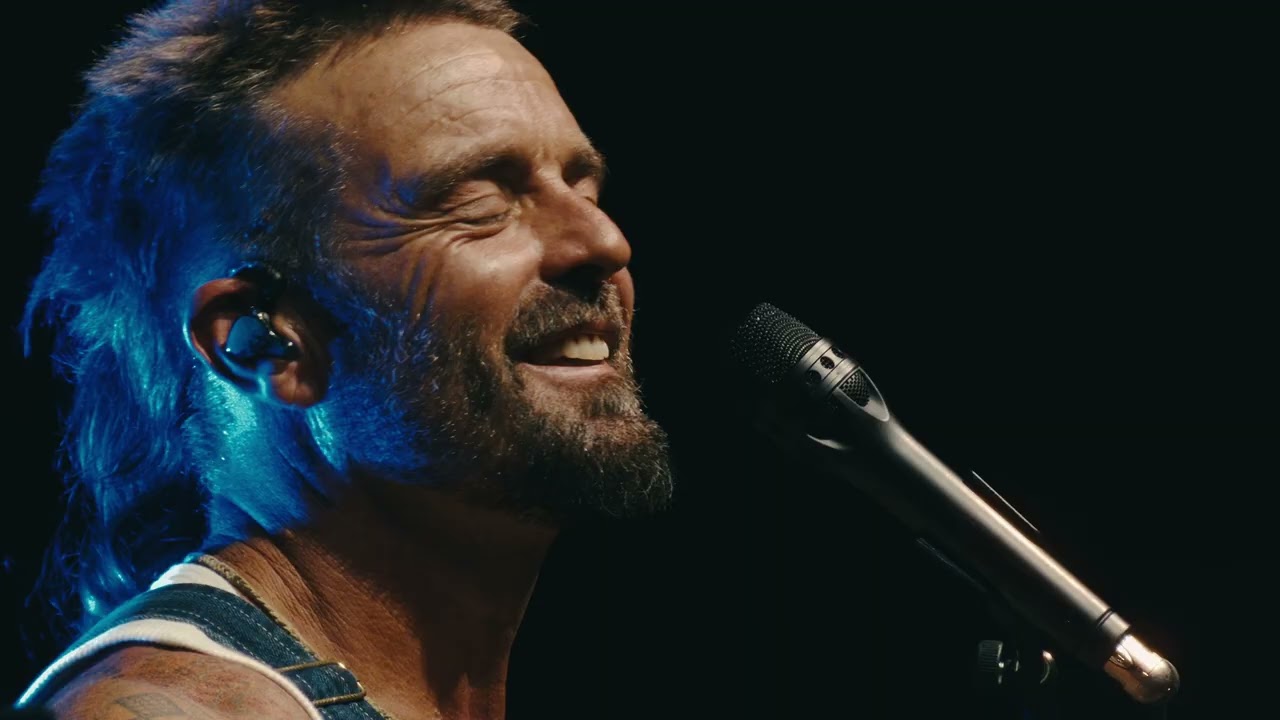
In this live acoustic performance, Xavier Rudd delivers a direct social critique centered on the observation that "these are not the same" times anymore. The song grapples with how greed has become contagious, how freedom is under attack through weaponry and technology, and how human beings themselves have become dangerous. Rather than offering answers, Rudd uses repetition and raw emotion to make listeners sit with the weight of these contradictions—the gap between the peace that majorities seek and the destructive forces that prevent it.

Read · 8 sections

What Is "12th of September" Really About?

The title references September 12th, 2001—the day after the attacks that reshaped global consciousness around warfare, surveillance, and technological power. Rudd's song is not a direct narrative about that event; instead, it uses the date as a portal into a broader examination of how the world changed in that moment's aftermath and what it reflects about human nature itself.

The opening statement sets the frame: "it's come to our attention / life now is bound to change / while we the peace for majority / we sit back and anticipate now." This captures a paradox central to the song—most people want peace, yet the conditions that prevent peace persist while we remain passive. The "majority" seeking peace is juxtaposed against unnamed forces (greed, weapons, technology) that operate independently of collective will.

Why Does Rudd Emphasize That "These Are Not the Same" Times?

The refrain "these are days now / these not the same now" functions as both diagnosis and lament. Rudd repeats this phrase throughout the performance, drilling it into the listener's consciousness. The repetition itself becomes a tool—not a tool of persuasion, but of presence. He is asking you to acknowledge that something fundamental has shifted. The world before and after September 12th, 2001, cannot be experienced as the same.

This shift is not abstract. Rudd grounds it in material reality: "weapons technology," "lives were stolen without warning," and the rise of surveillance culture. The song suggests that technological advancement, marketed as progress, has instead become a vector for control and elimination.

How Does Greed Operate as a Central Force in the Song?

Rudd identifies greed not as an individual moral failing but as a contagious condition: "the greed is contagious now / the world get work." The phrase "the world get work" is ambiguous—it could mean the world becomes a machine for greed, or that greed keeps the world in motion, or that the systems designed to serve profit-hungry entities operate globally without friction.

What makes greed "contagious" in Rudd's framing is that it spreads through institutional and economic systems, not just through individual hearts. When greed becomes the operating logic of warfare, technology, and governance, it doesn't remain quarantined. It infects the choices available to ordinary people. This is why Rudd can claim simultaneously that "these human beings are dangerous" and that "we sit back and anticipate"—both the danger and the paralysis are symptoms of the same contagious condition.

What Role Does Technology Play in This Critique?

Rudd lumps "weapons" and "technology" together in a single line: "the attack of freedom / the weapons technology." This is striking. He's not distinguishing between military hardware and digital tools; instead, he's suggesting that technology itself, as deployed in the modern world, functions as an attack on freedom rather than an enabler of it.

This echoes concerns about surveillance capitalism, drone warfare, and the use of digital infrastructure for control. Technology, in Rudd's view, is not neutral. It is shaped by greed and directed at removing the freedom that humans require to live with dignity. The "attack" is ongoing and structural, not a discrete event.

Why Call Human Beings "Dangerous"?

Late in the performance, Rudd shifts language slightly: "oh human beings dangerous / that greet is contagious." Here, he identifies humans themselves as dangerous, but immediately contextualizes that danger as an expression of contagious greed. He is not condemning humanity as inherently violent or destructive. Rather, he is observing that when greed infects the systems through which humans operate, human beings become vectors for that contagion.

This is a crucial distinction. The danger is not intrinsic to human nature but emerges through the structures humans have created and been trapped within. Rudd's critique is ultimately structural, even if he names it in terms of human character.

What Does the Performance's Emotional Intensity Convey?

The live setting matters. Rudd performs this material with acoustic instrumentation and vocal rawness. He is not presenting a polished argument; he is expressing frustration, concern, and a kind of urgent grief. The audience applause punctuates key moments, suggesting collective recognition of these truths.

The repetition of phrases like "these not the same" and "human beings dangerous" is hypnotic. Rudd uses the song's form—its musicality and cyclical structure—to bypass intellectual defenses and lodge the message in the listener's body and emotion. This is not rhetoric designed to convince through logic; it is testimony designed to make visible something that has become normalized.

Is Rudd Offering Solutions?

The song does not propose remedies. There is no call to action, no list of systemic reforms, no vision of what a healed world might look like. Instead, Rudd offers witness and acknowledgment. He names the problem—greed, weapons, the erosion of freedom, human complicity through passivity—and asks listeners to sit with that discomfort rather than escape it.

This may be intentional. In the tradition of protest music and spiritual critique, sometimes the first step toward change is the refusal to look away from what is actually happening. Rudd's song is an exercise in that refusal. It says: do not settle for the comfortable myth that the world is still the same, that we are still safe, that these forces are not at work. Wake up. Witness. Then figure out what comes next.

Where to Go From Here

This song invites several deeper explorations. You might examine the role of technology in modern freedom and control, asking yourself where your own digital life represents choice versus surveillance. You might research how global greed operates through institutional channels that make individual moral correction insufficient. You might explore contemplative practices that help you sit with grief and anger without becoming paralyzed by them. Or you might seek out artists, activists, and thinkers who have moved from witnessing to action—from naming the problem to proposing solutions that Rudd's song leaves implicit.

Rudd's gift here is not a roadmap but a mirror. What you do with that reflection is up to you.
Comments

Loading the conversation…

Transcript

[0:08] s

[0:10] [Music]

[0:23] [Music]

[0:25] [Applause]

[0:27] [Music]

[0:39] what's your

[0:41] [Music]

[0:43] [Applause]

[0:46] [Music]

[0:57] name oh

[1:00] it's come to our

[1:02] [Music]

[1:05] attention life

[1:07] now is bound to

[1:12] change while we the peace for

[1:19] majority we sit

[1:21] back and anticipate

[1:27] now

[1:29] oh these are days

[1:33] now these not the same

[1:36] now oh these are not the

[1:40] [Music]

[1:41] same

[1:44] oh these human beings are

[1:47] dous the greed is

[1:50] contagious now the world get work

[1:54] [Music]

[2:21] [Applause]

[2:24] these

[2:26] people the attack of freedom

[2:31] the

[2:33] weapons technology

[2:37] [Music]

[2:38] and lives were stol without

[2:43] [Music]

[2:45] warning

[2:48] brothers sisters now

[2:52] [Music]

[2:53] raised

[2:55] oh these are our days

[2:59] now these he not the same

[3:02] now oh these not the

[3:06] [Music]

[3:10] same these human beings are

[3:13] dangerous the greed is

[3:16] cont now the world

[3:21] [Music]

[3:30] w

[3:31] [Music]

[4:13] [Applause]

[4:14] [Music]

[4:28] oh with this are our days

[4:32] now the not the same

[4:35] now oh these not the

[4:38] [Music]

[4:41] same

[4:43] oh these are our days

[4:47] now not the same now my friends these

[4:52] not the

[4:55] same

[4:58] oh human beings

[5:01] dangerous that greet is

[5:04] contagious not the world in work

[5:08] [Music]

[5:41] thank you very much

Xavier Rudd
ArtistXavier Rudd

Australian musician and yoga teacher who weaves folk, blues, and world music with spiritual themes, championing environmental consciousness and connection to nature through soulful…

View profileWebsite
Explore Topics
Greed-contagionSocial-critiqueWeapons-technologyFreedom-lossProtest-music

Got Questions?

Frequently Asked Questions

The song uses September 12th, 2001 as a reference point to examine how greed, weapons, and technology have become contagious forces that threaten freedom and make human beings themselves dangerous. It critiques the passivity of those seeking peace while destructive systems operate unchecked.
The repetition is meant to drill home the recognition that the world fundamentally changed after 9/11 and the deployment of modern warfare and surveillance technology. By repeating the phrase, Rudd forces listeners to acknowledge this shift rather than allow it to become invisible through habit.
No. Rudd is saying that when greed infects institutional systems, human beings become vectors for that contagious greed. The danger is structural, not intrinsic to human nature—it emerges through the systems humans have created.
He lumps them together as an 'attack on freedom,' suggesting that technology as deployed in the modern world (surveillance, drones, digital control) functions not as liberation but as tools of power that remove human freedom and dignity.
No. Rudd's song is an act of witness and acknowledgment rather than a roadmap for change. He names the problems—greed, weapons, erosion of freedom, human passivity—and asks listeners to sit with that discomfort rather than look away.
Rudd uses 'contagious' to describe how greed spreads through institutional and economic systems, not just individual hearts. When profit becomes the logic of warfare, technology, and governance, it affects the choices available to everyone.
He identifies a paradox: while most people seek peace, they remain passive while destructive forces (greed, weapons, surveillance) operate freely. The song highlights this contradiction to shake listeners out of complacency.

Continue Reading

More from Xavier

View All
Music as Spirit Medicine: Touching Souls Through Sound
Inspire

Music as Spirit Medicine: Touching Souls Through Sound

Xavier Rudd explores how music serves as a bridge to the spirit world, allowing us to access realms beyond words and touch the souls of othe…

1 min read
Let Me Be: Finding Freedom in Acts of Humanity
Inspire

Let Me Be: Finding Freedom in Acts of Humanity

Xavier Rudd performs "Let Me Be," a song written after 9/11 to counter fear with joy, accompanied by 8000 Belgian fans in this live Forest N…

1 min read
Dark Night of the Soul: An Invitation, Not Punishment
Inspire

Dark Night of the Soul: An Invitation, Not Punishment

The dark night of the soul is not spiritual failure but a profound call to inner depths. Eckhart Tolle explains how crisis becomes gateway.…

1 min read
How Witnessing Thought Begins Your Return From Dark Night
Inspire

How Witnessing Thought Begins Your Return From Dark Night

The dark night of the soul is sustained by repetitive mental narratives. Learning to witness thought without belief opens awareness and mark…

1 min read

Keep exploring

Continue your journey

More wisdom and gatherings from across the BrightStar directory.

More Articles

Browse the full library of teachings, interviews, and guides.

Back to all articles →

Teachers & Artists

Explore the lineages, musicians, and guides of the conscious world.

Explore artists →

Find an Event

Kirtan, retreats, sound baths, breathwork, festivals — happening soon.

Browse events →