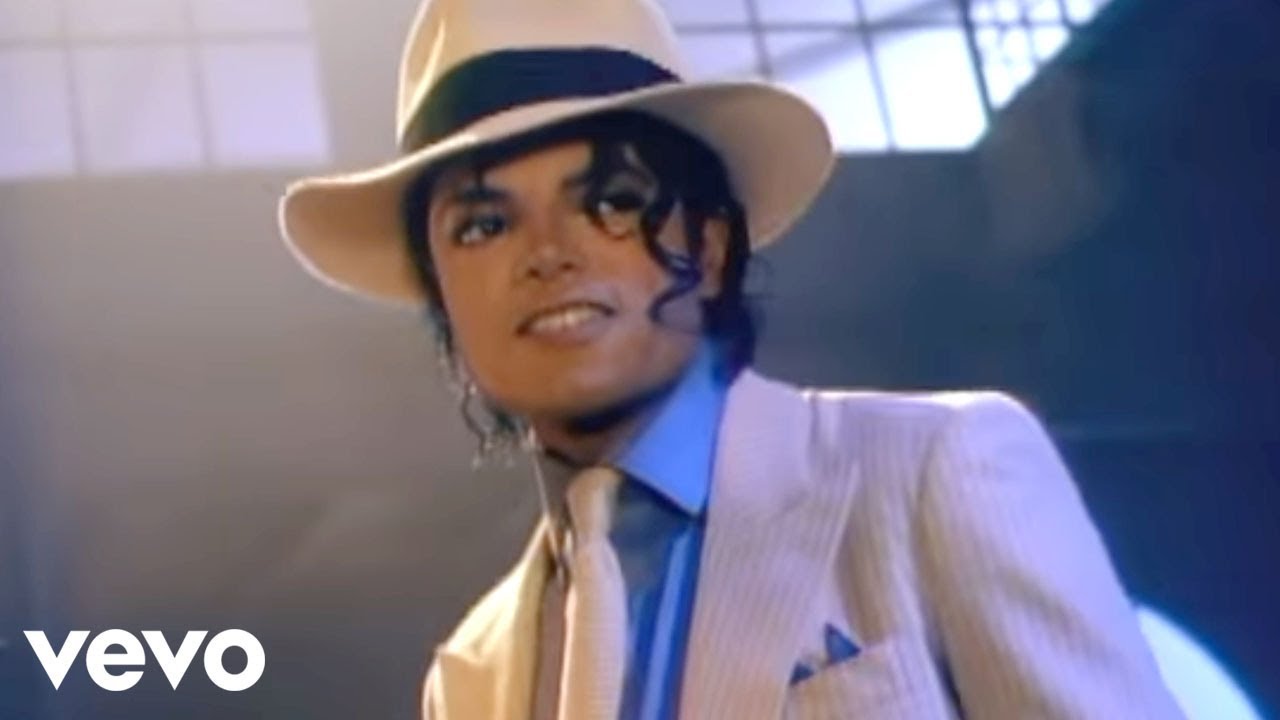
Before a single lyric lands, the official 4K video for Michael Jackson's "Beat It" builds its world out of sound alone: footsteps clicking, a fist thudding, a door squeaking, people yelling, metal scraping. Then rock guitar pushes in, and the song unfolds as a paradox that has held up for decades. "Beat it" means leave. It also means fight. The track asks the listener to choose restraint without ever letting go of the pride that makes restraint hard. Uploaded to the michaeljacksonVEVO channel on April 11, 2011, and listed with a view count of 1,513,447,323 in the data this article was built from, the video is a four-minute, fifty-nine-second lesson in how a hook can carry a moral argument.
Start with the first thirty seconds, because the video does something most music videos avoid: it refuses to begin with music. The footsteps arrive at 0:07, a fist at 0:11, a squeaking door at 0:19. Intense music and shouting follow at 0:22 and 0:25, metal scrapes at 0:29, and an upbeat cue at 0:32. Rock music does not take over until 0:46. Put together, the sequence is a confrontation assembled from effects before anyone sings a word.
That order matters for the song. The lyric that follows is not a party invitation. It is a warning delivered into a space already charged with threat. The first verse arrives at 1:00, and by then the listener has already been placed in a room where something is about to go wrong. The song does not have to describe the danger, because the opening has done it.
The first verse sets the situation in four lines, and the pressure is all in the verb. Someone has been told to stay away, to disappear, to stop showing up. The hostility is visible in the room:
"They told him, 'Don't you ever come around here'... 'Don't wanna see your face, you better disappear'... The fire's in their eyes and their words are really clear."
Lyrics as published with the official video, 1:00 to 1:08
The hook's answer is "So beat it, just beat it." The second verse makes the logic explicit, and it is here that the song quietly redefines courage. Running is framed not as cowardice but as a refusal to let violence set the terms of your life:
"You better run, you better do what you can. Don't wanna see no blood, don't be a macho man."
Lyrics as published with the official video, 1:14 to 1:17
"Don't be a macho man" is a rebuke of a particular kind of masculine performance, the one that needs to win a fight to prove something. The line reads as a critique from inside the culture it describes. Then, at 1:51, the argument sharpens into a rite of passage:
"Don't wanna be a boy, you wanna be a man."
Lyrics as published with the official video, 1:51
In the song's terms, the boy is the one who answers every threat with a fist. The man is the one who can stay alive by choosing when not to fight. Notice the repeated word in that second verse: "can." It closes line after line: "better leave while you can," "better do what you can," "better do what you can." The writing turns a single practical idea into a drumbeat, so the advice feels less like a suggestion and more like a rule the singer has already learned the hard way.
The chorus is where the song gets complicated. It is also where the pressure is most honestly named:
"No one wants to be defeated. Showin' how funky and strong is your fight. It doesn't matter who's wrong or right."
Lyrics as published with the official video, chorus, first heard at 1:27
The last line is the most radical thing in the song. It admits that the question everyone wants to settle, who started it and who deserves what, is beside the point once a fight has begun. The fight is about status and about surviving the room. The chorus does not pretend that pride is absent. It says nobody wants to be defeated, and then it tells you that pride can be satisfied by a choice that does not involve fists. That is a harder argument than "don't fight." It accepts the feeling and redirects it.
This is why the song feels like a conversation with the listener rather than a lecture. It knows the pull toward the fight is real. It does not ask you to be indifferent to being pushed. It asks you to notice where the pushing is leading.
The third verse shifts tone, and the bitterness arrives. The singer warns that the fight is not a game and that the other side is not interested in fairness:
"You have to show them that you're really not scared. You're playin' with your life, this ain't no truth or dare."
Lyrics as published with the official video, 2:02 to 2:06
Then the most pointed line in the song:
"They'll kick you, then they'll beat you. Then they'll tell you it's fair."
Lyrics as published with the official video, 2:09 to 2:11
"Then they'll tell you it's fair" is sharp writing because it names the cover story that makes violence feel legitimate. The beating is not only physical. It comes wrapped in an explanation that asks the victim to accept it. The song's refusal to accept that explanation is part of what the chorus means when it says the question of who is right does not matter. The people doing the beating have already decided the answer, and the singer is telling you not to let their verdict become yours.
The chorus repeats "just beat it" so many times that it stops sounding like a sentence and starts working like percussion. By the final chorus, which begins at 3:39, the phrase is close to incantation. The official video runs 4:59, and the chorus occupies most of the back half, so the repetition is not an accident of structure. It is the core technique.
A phrase that sounds like an order becomes, through enough repetition, something the listener hears as a decision they are making for themselves. The ad libs help. "Just beat it, beat it, beat it, beat it, uh" at 1:46 and "So beat it, just beat it, ooh" at 1:58 break the instruction into breath, so it reads as a human voice urging someone, not a machine issuing a command.
The rock passage at 3:05 gives the song its instrumental center. The transcript marks it only as rock music, with no lyric, which means the argument pauses long enough for the arrangement to speak. When the words return and the hook resumes, the listener has had a moment to sit with the tension before the chorus asks them to decide again.
The metadata gives limited context. The channel description is mostly links to streaming and social accounts, and the hashtags tie the upload to Thriller and to a 4K remaster. What the file does offer is a sound design that rewards attention on a large screen: the footsteps, the fist, the squeaking door, and the scraping metal are the first things the video asks you to hear. The listed view count of 1,513,447,323 suggests how many people have chosen to return to it, though the number says less about why than the song does.
The durable point is structural. "Beat It" is a song that refuses the easy binary. It is not pacifism as a slogan, and it is not a call to fight. It is an argument that walking away can be the braver act, and that the people who insist otherwise may be the ones with the least to lose from your injury.
Listen to the full track with headphones and start from the very first sound, so the footsteps and the squeaking door set the room before the guitar arrives. Then read the lyrics against the timestamps above: note where "can" repeats, where the "boy" and "man" line lands, and what changes when the rock passage drops the words. Finally, sit with the chorus line "It doesn't matter who's wrong or right" and ask what it would mean to let pride be satisfied by leaving rather than winning. The song has spent four decades asking that question, and it is still the most useful thing it has to say.