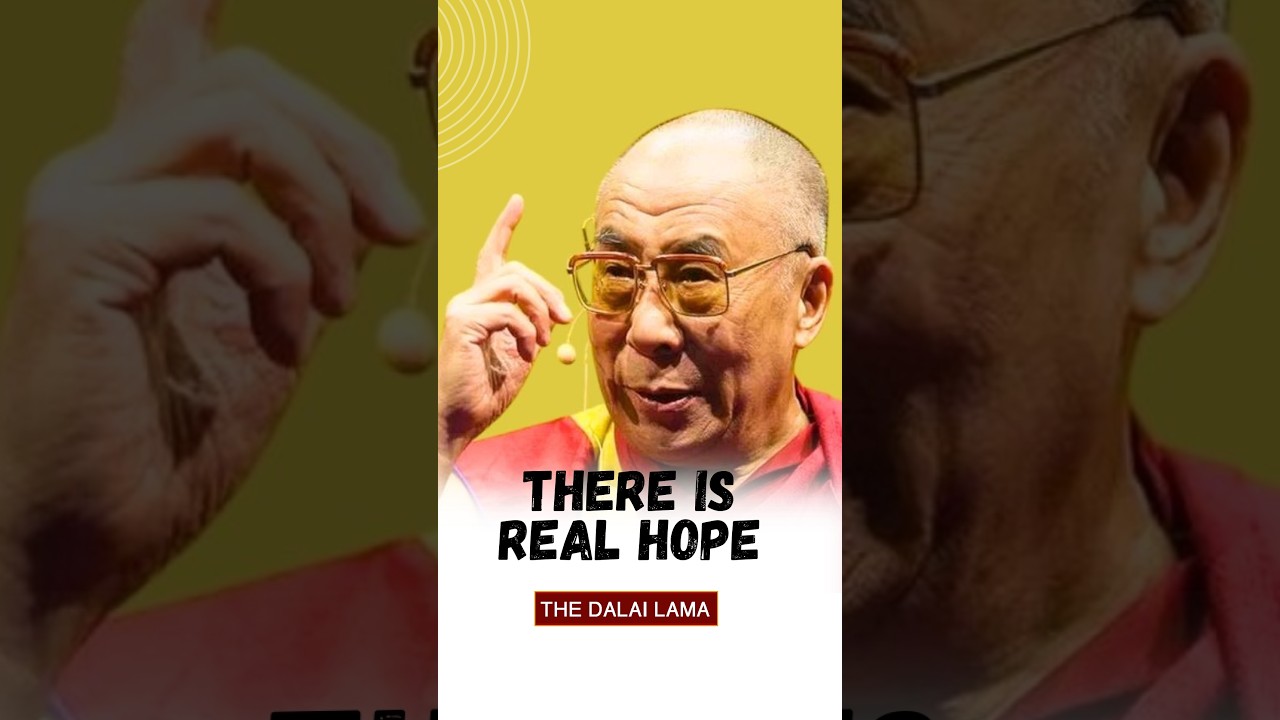
In a 55-second clip drawn from a teaching recorded on February 5, 2017, the Dalai Lama describes a practice he has relied on for decades: analytical meditation, the disciplined investigation of ideas rather than the repetition of prayers. He says that for the last 50 to 60 years he was "thinking, thinking," and that his emotions gradually changed until attachment and anger had "almost disappear[ed]." The clip's central claim is that the change came through analysis, not prayer, and that the tool is the full use of human intelligence.
The method he lays out has a clear sequence. First you need sources. In his words, you need "different sort of views," even "contradictory" ones, because they give you something to analyze. Then comes familiarization. He sums up the whole process in three words: "analytical meditation. Investigate. Investigate."
What stands out is the role of contradiction. Rather than gathering only the views that comfort you, the method asks you to set opposing positions against each other and test them. The emotional shift he describes grew out of that repeated examination. "Not through prayer but through analyze," he says in the recording, drawing on his own experience as the evidence.
The clip ends on the principle behind the practice: "training our mind that use maximum way our intelligence," as he puts it in the same February 2017 recording. The idea is that intelligence is not a side tool for spiritual life but the main instrument of mind training.
"Not through prayer but through analyze." (the Dalai Lama, in a teaching recorded February 5, 2017)
For context beyond the clip: in Tibetan Buddhist practice, analytical meditation is traditionally paired with stabilizing meditation, which settles the mind on a single object. The excerpt does not describe that pairing, so treat it as background rather than as the speaker's claim here.
This clip is a compressed glimpse of a method the Dalai Lama has discussed across many teachings. Its transcript is rough, and the reasoning behind each step is clearer in his longer talks on mind training. Watch the full teaching this excerpt comes from, and look for his fuller discussions of analytical meditation to see how investigation is applied to specific emotions such as attachment and anger.