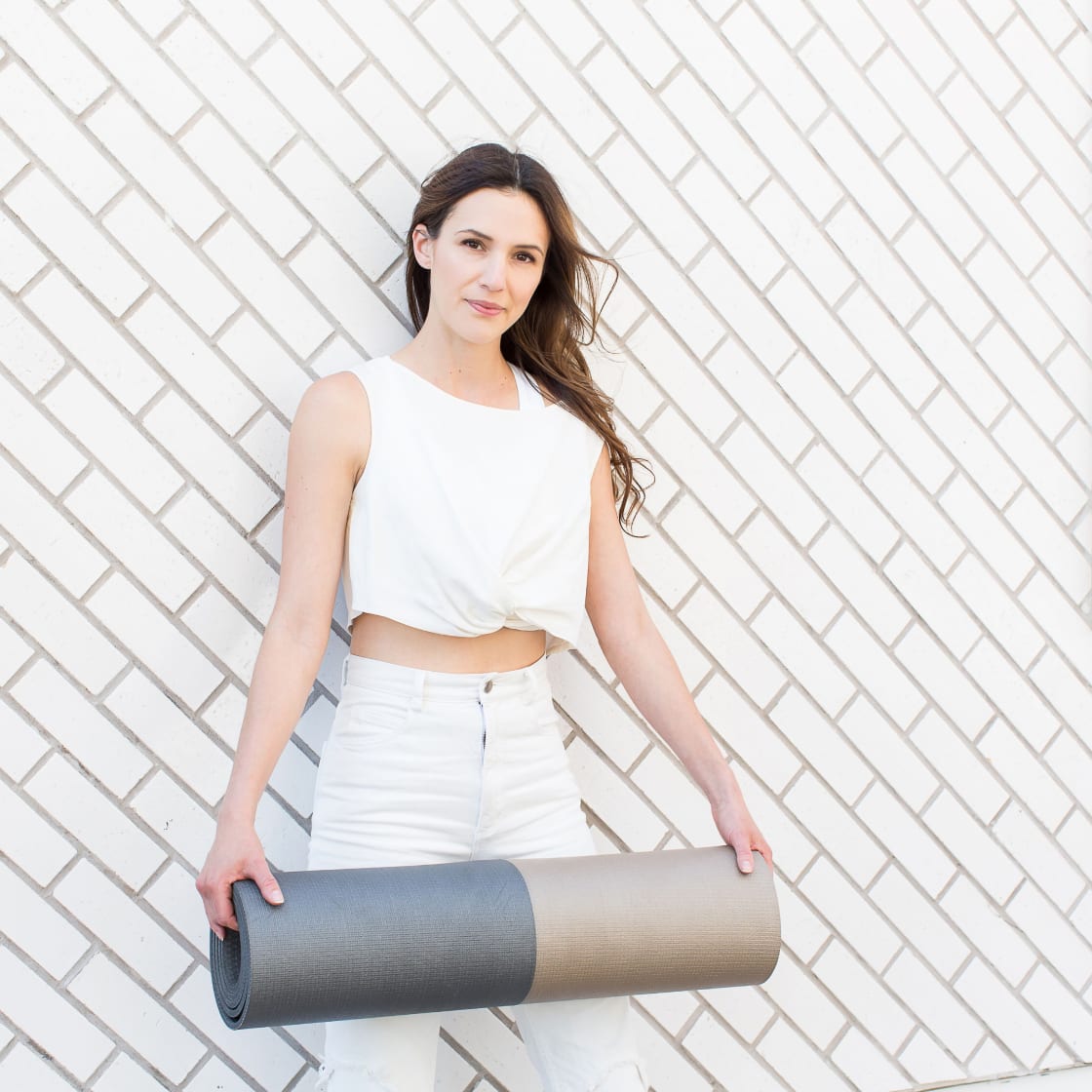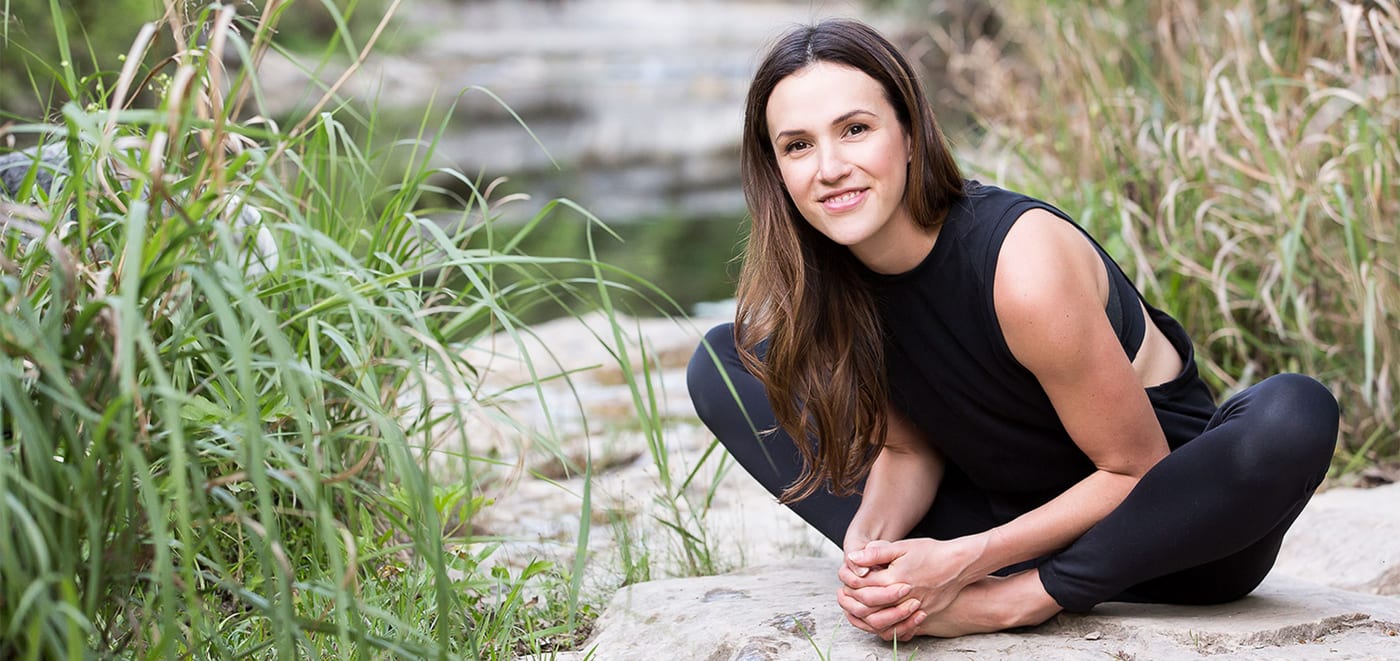

Adriene Mishler's YouTube channel, Yoga With Adriene, has more than 12 million subscribers and was named Google's most searched workout of 2015. The scale can make it hard to know where to press play. The good news is that the channel was built to remove barriers: no experience, no special equipment, and no money required.
Start with her "Yoga For Beginners" and "Foundations of Yoga" series, both free on her YouTube channel. They are designed for people who have never stepped on a mat, and they're paced to meet you where you are. They explain not only the shapes of the postures but also the mindfulness framework that makes yoga a practice rather than just exercise.
Choose these over a random popular video because they establish the principle that runs through everything she teaches: "Find What Feels Good." You can modify, rest, or skip anything that doesn't serve you. Once that idea clicks, the rest of the channel opens up.
Her annual free at-home yoga retreat. Hosted on the channel, this is the best way to go deeper quickly. It offers extended, immersive teaching beyond a single class.
Her meditation and breath work practices. The channel includes dedicated meditations and pranayama (breath technique) sessions. After a few weeks of movement classes, these show you the other half of her teaching.
The Find What Feels Good app. If you want more structure, the app offers guided meditation, breath work, longer workshops, guest teachers, and curated practice journeys. It is a paid subscription, and it's supplementary. The free YouTube content is comprehensive on its own.
Alongside these, consider her weekly letter to the community, available through yogawithadriene.com. She hasn't published a traditional book, so the letter is the closest thing to her written reflections.
Expect a conversation more than a drill. Her classes weave traditional postures and breath work with developmental movement, storytelling, and plain-language explanation of how your nervous system responds. She uses humor and playfulness to defuse the solemnity many people associate with yoga.
Her professional theater background shows in the pacing. Classes have a narrative arc, moments of tenderness, and a voice that creates intimacy through a screen. She offers modifications constantly and never frames one version of a pose as the right one. You'll likely finish feeling calmer and more connected to your body rather than spiritually transcendent.
"I need to be flexible first." You don't. Modifications are offered for everything and are never presented as lesser versions.
"This is a workout." It can be physical, but she describes yoga as "the art of waking up." The point is presence, not performance.
"Find What Feels Good means do whatever's easy." It's a genuine framework for trusting your own sensations and rejecting perfectionism, not a marketing line.
"It will teach me one lineage." Her approach is a deliberate blend of classical yoga and breath technique with neuroscience, storytelling, and contemporary mindfulness. She brings reverence for yoga philosophy and its origins, and she has trained with master teachers across the United States for 20 years, but she doesn't position her teaching within a single tradition. If you want grounding in one specific philosophical school, you'll need supplementary study.
"It replaces a teacher." It doesn't offer one-on-one instruction. If you want in-person teaching, she co-owns Practice Yoga Austin in Austin, Texas, where she occasionally teaches.
Her approach tends to land hardest when you're intimidated by yoga culture, or when you've been burned by wellness practices that reward achievement. It also suits periods when stress is high and you want tools for mental and emotional regulation, since she teaches breath work and movement as ways to calm the nervous system. People who feel they've failed at self-care and want a judgment-free way back in will find it especially welcoming.
It may fit less well if you want strict lineage adherence, alignment-obsessed athleticism, or esoteric teaching at an advanced level.
Keep sessions short and treat the week as an experiment.
Day 1: Start the "Yoga For Beginners" series. Practice the first class and notice what feels good without judging it.
Day 2: Continue with the next class in the series. Use every modification you're offered.
Day 3: Go back to "Foundations of Yoga" and try its opening class. Note how the framing differs.
Day 4: Rest, or repeat your favorite class so far. Repetition is part of the practice.
Day 5: Continue "Foundations of Yoga" and pay attention to your breath.
Day 6: Try one of her meditation or breath work practices on the channel instead of a movement class.
Day 7: Repeat the class that felt best this week. Then decide: subscribe for notifications, sign up for her weekly letter, or look for the next annual retreat.
By the end of the week you'll know whether her playful, permission-giving style suits you. If it does, you already have a free home practice.