
BrightStar

Browse All Events

Discover conscious gatherings

events

Yoga
Meditation
Breathwork
Qigong
Tai Chi
Sacred Music
World Music
Medicine Music
Sound Healing
Ecstatic Dance
Popular Destinations
BaliSedonaLos AngelesCosta RicaNew YorkSan FranciscoAustinMiamiJoshua TreeTulum
View All CategoriesView All Destinations

Explore All Features

Powerful tools to grow your events

Platform Features

Smart Dynamic Pricing
Ticket Categories
Assigned Seating
Abandoned Cart Recovery
Visitor Recovery
Donations & Sliding Scale
Affiliate Engine
Ticket Scanner
Coupon Codes
Custom Questions
Ticket Sharing
Upsells & Add-ons
Analytics & Reporting
Email Sequences
Waitlist / Notify / Remind
People & Places
Artists & TeachersEvent OrganizersVenues & StudiosKnowledge BaseGlossaryInspiration
View All FeaturesAbout Us
PricingBlog
Browse All Events

events

YogaMeditationBreathworkQigongTai ChiSacred MusicWorld MusicMedicine Music

Popular Destinations

BaliSedonaLos AngelesCosta RicaNew YorkSan Francisco

People & Places

Artists & TeachersEvent OrganizersVenues & StudiosKnowledge BaseGlossaryInspiration

Platform Features

Smart Dynamic PricingTicket CategoriesAssigned SeatingAbandoned Cart RecoveryVisitor RecoveryDonations & Sliding ScaleAffiliate EngineTicket ScannerCoupon CodesCustom QuestionsTicket SharingUpsells & Add-onsAnalytics & ReportingEmail SequencesWaitlist / Notify / Remind
View All FeaturesAbout Us
PricingBlog
Log inFind EventsHost Events
Tibetan BuddhistOm Mani Padme Hum · Om Mani Padme Hum · Om Mani Padme Hum · Om Mani Padme Hum · Om Mani Padme Hum ·
  • Browse All Events
  • For Seekers
  • Yoga
  • Meditation
  • Breathwork
  • Qigong
  • Tai Chi
  • Sacred Music
  • Retreats
  • Workshops
  • All Categories →
  • Bali
  • Sedona
  • Los Angeles
  • Costa Rica
  • Tulum
  • Byron Bay
  • San Francisco
  • Austin
  • All Cities →
  • For Creators
  • For Teams
  • For Writers
  • For Teachers
  • For Kirtan Artists
  • For Studios
  • For Festivals
  • For Retreat Centers
  • For Nonprofits
  • Brand Ambassador
  • Case Studies
  • Seva
  • Elevate
  • Amplify
  • 350K+ Buyer Network
  • Abandoned Cart Recovery
  • Smart Dynamic Pricing
  • Ticket Categories
  • Recurring Events
  • Assigned Seating
  • Affiliate Engine
  • Waitlist / Notify
  • Ticket Scanner
  • Embed Widget
  • Event Syndication
  • Message Center
  • Integrations
  • Reports
  • All Features →
  • About
  • The Ecosystem
  • Blog
  • Glossary
  • Inspiration
  • Help Center
  • Contact
  • API Docs
  • Brand Assets
  • Careers
  • Press
  • Terms of Service
  • Privacy Policy

Events

  • Browse All Events
  • For Seekers
  • Yoga
  • Meditation
  • Breathwork
  • Qigong
  • Tai Chi
  • Sacred Music
  • Retreats
  • Workshops
  • All Categories →

Destinations

  • Bali
  • Sedona
  • Los Angeles
  • Costa Rica
  • Tulum
  • Byron Bay
  • San Francisco
  • Austin
  • All Cities →

For Creators

  • For Creators
  • For Teams
  • For Writers
  • For Teachers
  • For Kirtan Artists
  • For Studios
  • For Festivals
  • For Retreat Centers
  • For Nonprofits
  • Brand Ambassador
  • Case Studies
  • Seva
  • Elevate
  • Amplify

Features

  • 350K+ Buyer Network
  • Abandoned Cart Recovery
  • Smart Dynamic Pricing
  • Ticket Categories
  • Recurring Events
  • Assigned Seating
  • Affiliate Engine
  • Waitlist / Notify
  • Ticket Scanner
  • Embed Widget
  • Event Syndication
  • Message Center
  • Integrations
  • Reports
  • All Features →

Company

  • About
  • The Ecosystem
  • Blog
  • Glossary
  • Inspiration
  • Help Center
  • Contact
  • API Docs
  • Brand Assets
  • Careers
  • Press
  • Terms of Service
  • Privacy Policy
BrightStar
© 2026 BrightStar. All rights reserved.
Back to Tahir Qawwal
Where to Start with Tahir Qawwal: A Beginner's Guide
For Beginners

Where to Start with Tahir Qawwal: A Beginner's Guide

Start Here: Live Performances with…

Tahir Qawwal
Tahir Qawwal
Jul 18, 2026
3 min read
Read · 1 sections

Where to Start with Tahir Qawwal: A Beginner's Guide

Start Here: Live Performances with Fanna-Fi-Allah

Your best entry point is experiencing Tahir Qawwal live with his ensemble Fanna-Fi-Allah, if possible. Qawwali is fundamentally participatory music designed to create collective ecstasy, not background listening. The call-and-response structure, the gradual build of repetitive melodic cycles, the physical intensity of hours-long sessions—these lose essential dimension in recording. If you can't attend live, seek out full concert videos that capture entire performances rather than edited highlights. You need to feel the duration, the accumulation, the way twenty minutes of repetition becomes a portal rather than monotony.

What makes Qawwal distinct from traditional qawwals is his explicit integration of yogic sound practice with Sufi devotion. He's not just singing poetry about divine annihilation; he's employing specific techniques learned during years of solitary ascetic practice in the Himalayas to manipulate pitch, breath, and resonance as technologies of consciousness. Watch how he uses his body. Notice the breathing patterns. This isn't performance; it's demonstration.

After That: Meditation Workshops

Once you've experienced the music, attend one of Qawwal's meditation workshops or talks on sacred sound. Here you'll understand the mechanics beneath the ecstasy. He teaches the relationship between specific pitches and altered states, the function of breath control in both qawwali singing and meditation, how repetition rewires attention. The workshops contextualize the performances—suddenly you grasp that what seemed like musical flourishes are actually precise interventions in your nervous system.

Then circle back to recorded Fanna-Fi-Allah performances with this new literacy. You'll hear differently.

What to Expect on First Encounter

Boredom, possibly. Qawwali sessions traditionally last hours. The first twenty minutes might feel like waiting for something to start. The poetry is in Urdu and Persian—you won't understand the words. The melodies repeat obsessively. Your mind will wander, you'll check the time, you'll wonder what you're missing.

Then, if you surrender to rather than resist the repetition, something shifts. The boredom becomes trance. The incomprehensible words become pure sound-texture. Your critical mind, exhausted from seeking novelty, finally shuts up. This is the design, not a bug.

Expect physical response: heat, tears, spontaneous movement. Qawwali evolved to trigger these somatic releases. Don't intellectualize them in the moment.

Common Misunderstandings

Beginners often treat Qawwal as a world music curiosity or reduce him to "meditation music for relaxation." Neither captures it. Qawwali isn't soothing—it's designed to annihilate your ordinary sense of self through rhythmic overwhelm and devotional intensity. It's ecstatic, not peaceful.

Others approach it as pure musicology, analyzing the ragas and talas while missing the point entirely. Qawwal's years as a dervish matter more than his musical lineage. This is applied mysticism that happens to use music as method.

Finally, don't mistake the Sufi-yogic synthesis as dilution. Qawwal isn't watering down either tradition—he's recognizing their shared technologies of transcendence.

When This Lands Hardest

Qawwal's work hits during transitions when your existing identity feels insufficient: after major loss, during spiritual seeking that's outgrown conventional religion, when intellectual understanding no longer satisfies. It's for people ready to stop thinking about mysticism and actually practice dissolution of self.

It also resonates if you've experienced the limitations of meditation apps and wellness culture—when you're ready for practice that acknowledges difficulty, demands real time, and doesn't promise productivity benefits.

One-Week Starter Plan

Day 1-2: Watch two full Fanna-Fi-Allah concert videos. Don't multitask. Notice when you resist the repetition.

Day 3: Research the concept of fana (annihilation in God) in Sufi mysticism. Read about qawwali's history and function.

Day 4-5: If possible, find a workshop or talk by Qawwal on sacred sound or music meditation. If not available, revisit one concert video with focus on his breathing and vocal technique.

Day 6: Try sitting with eyes closed through one complete qawwali performance, treating it as meditation rather than music.

Day 7: Reflect: Did anything shift between first and final listening? Can you distinguish entertainment-listening from practice-listening?

Then commit to attending live when possible. Everything else is preparation.
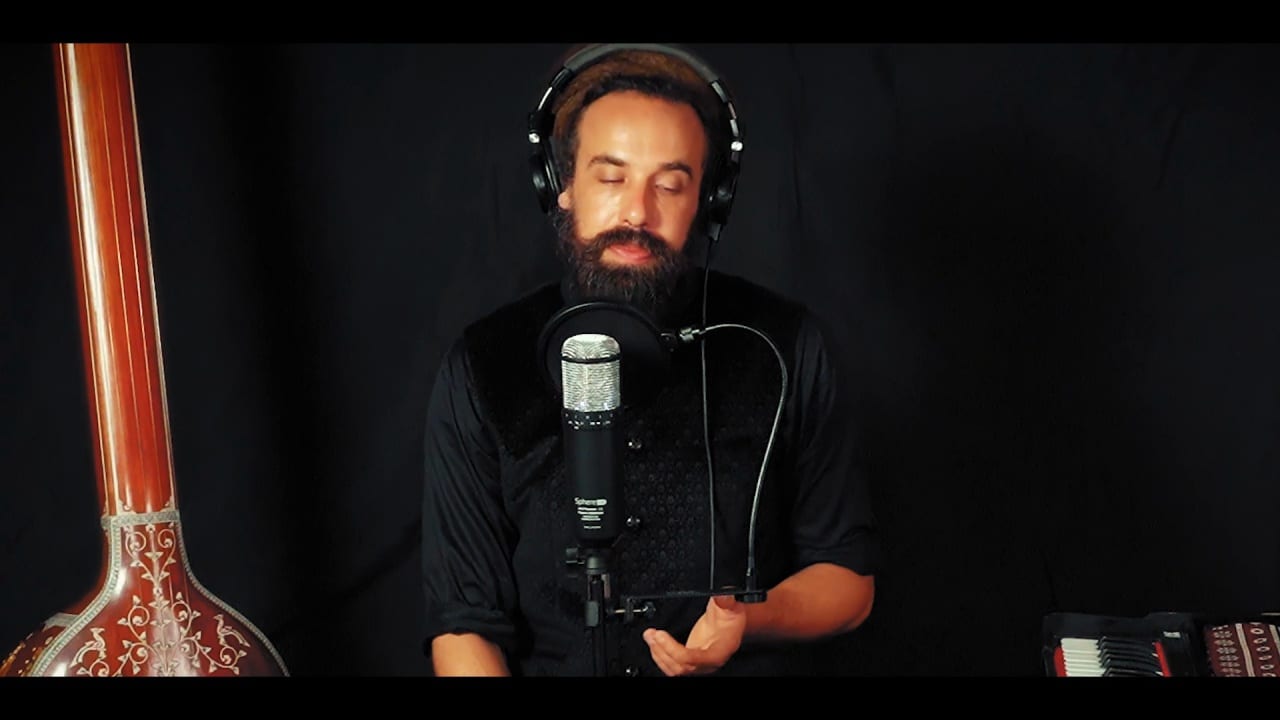
Tahir Qawwal
AboutTahir Qawwal

Tahir Qawwal is a Sufi Qawwali singer and meditation teacher who leads the ensemble Fanna-Fi-Allah and runs the Sama School of Music. He spent his teenage years as a solitary dervi…

View profileWebsite

Continue Reading

More about Tahir Qawwal

View All
Who Is Tahir Qawwal? Life, Work, and Legacy
Article

Who Is Tahir Qawwal? Life, Work, and Legacy

Tahir Qawwal's Teaching: Approach, Method, and Voice
Article

Tahir Qawwal's Teaching: Approach, Method, and Voice

Keep exploring

Continue your journey

More wisdom and gatherings from across the BrightStar directory.

More Articles

Browse the full library of teachings, interviews, and guides.

Back to all articles →

Teachers & Artists

Explore the lineages, musicians, and guides of the conscious world.

Explore artists →

Find an Event

Kirtan, retreats, sound baths, breathwork, festivals — happening soon.

Browse events →