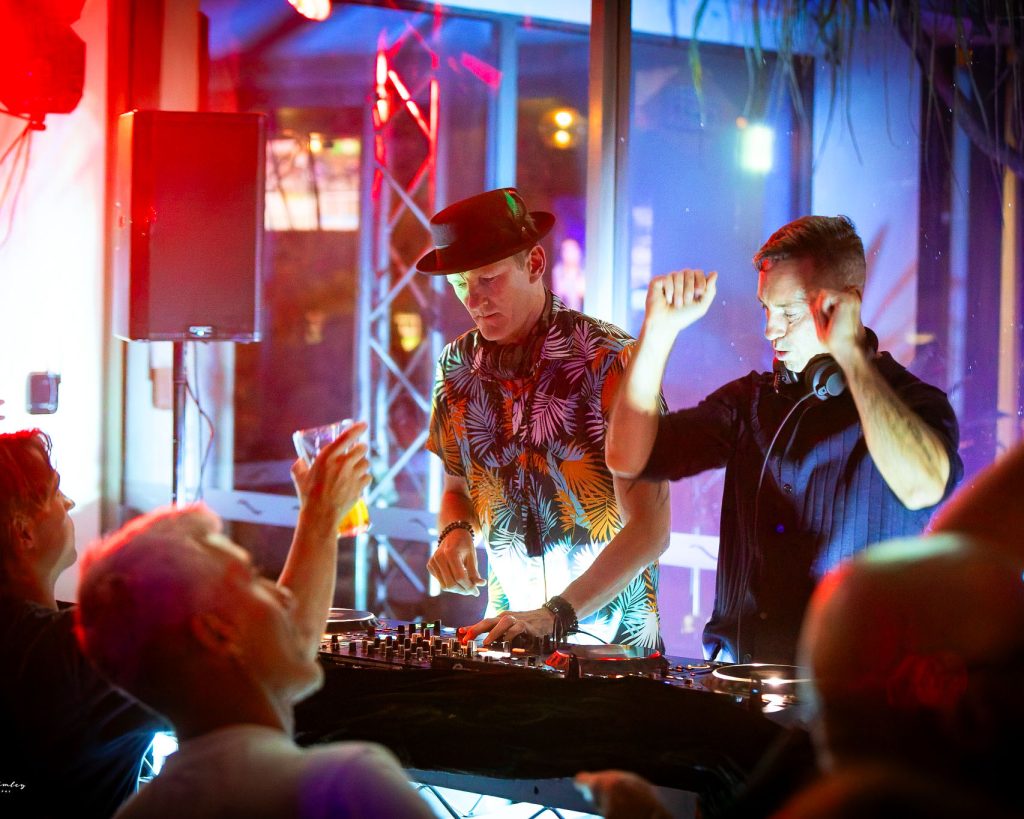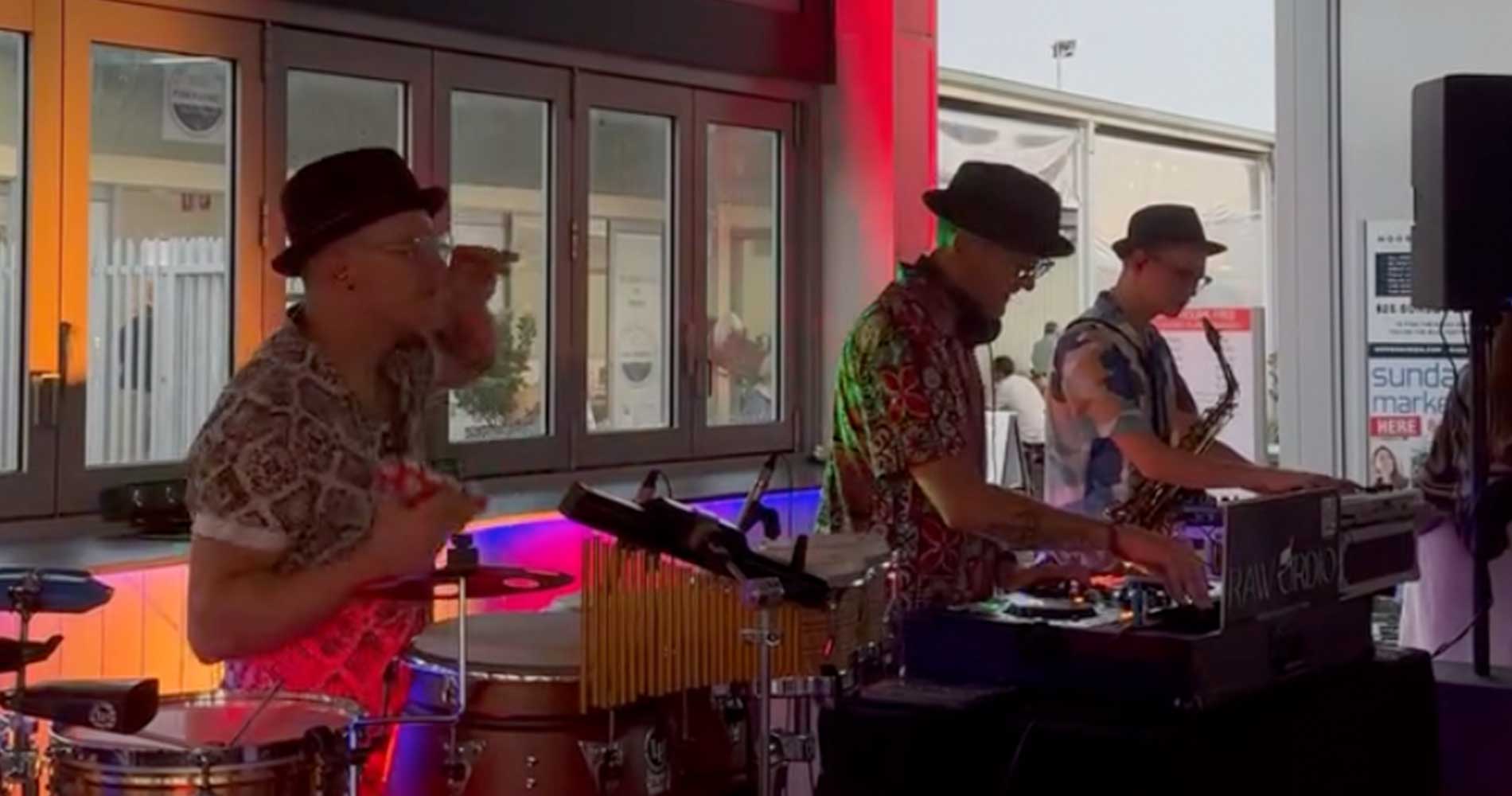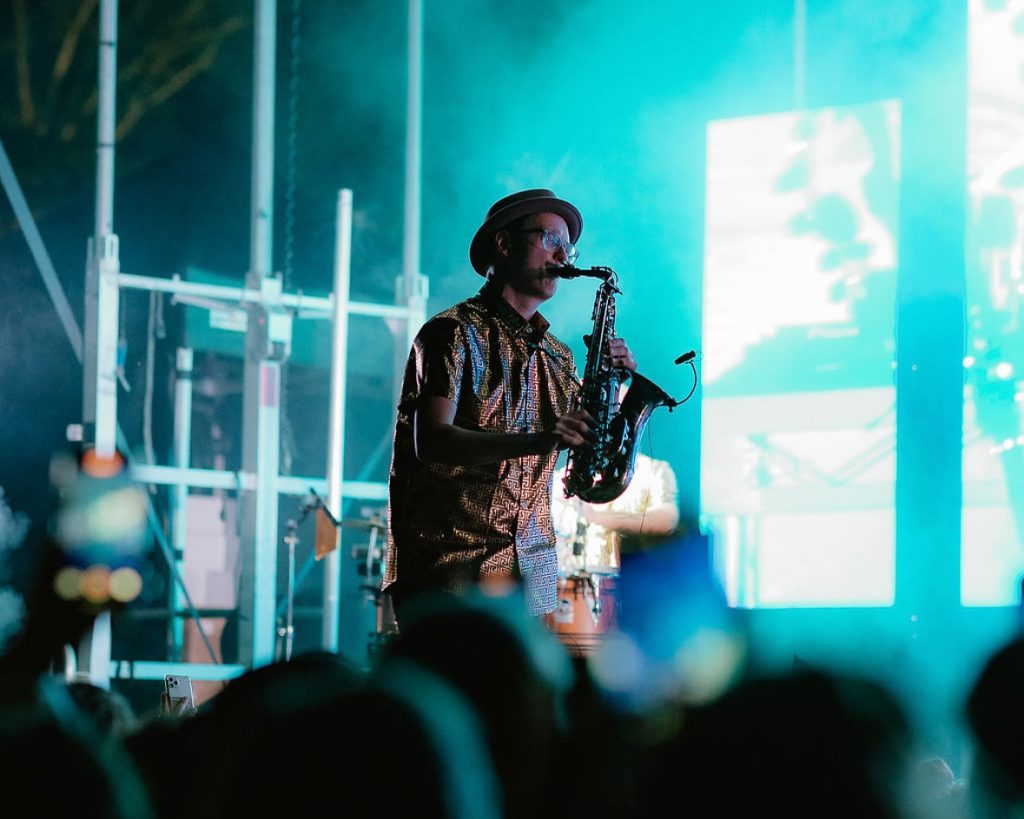

Raw Ordio exists in that peculiar space where electronic music becomes genuinely difficult to categorize—not through deliberate obtuseness, but through a restless creative impulse that refuses the safety of genre conventions. As a producer and DJ, he operates at the intersection of experimental sound design and club functionality, crafting music that demands attention from both the body and the mind. It's work that sits uncomfortably in algorithmic playlists, which may be precisely the point.
His productions draw from the sprawling lineage of UK bass music—dubstep, grime, industrial techno—but they resist easy placement within any single tradition. Where much contemporary bass music relies on predictable drop-heavy structures designed for maximum dancefloor impact, Raw Ordio constructs tracks around evolving sonic palettes. His pieces unfold rather than explode, layering distorted synthesis with meticulously engineered sub-bass frequencies and percussive fragments that reference both footwork's manic energy and broken beat's syncopated sophistication.
Raw Ordio's entry into music production follows a path now familiar among his generation of electronic artists, yet no less significant for its ubiquity. The story begins where countless others do: with early experiments in DAW software, the solitary hours spent manipulating waveforms in a bedroom studio, the immersion in online production communities where techniques and philosophies circulate freely among strangers united by obsession.
This autodidactic approach—learning through iteration, through failure, through the gradual accumulation of technical knowledge gleaned from forums and tutorial videos—has shaped not just his methods but his aesthetic. There's an audible quality to bedroom-produced music that embraces rather than disguises its origins, a particular relationship to texture and distortion that emerges when the primary constraint is imagination rather than studio budget.
His influences reveal themselves in the physical impact of his work: the bass weight experiments that characterized dubstep's early golden era, the abrasive timbral explorations of power electronics, the commitment to digital tools as instruments of sonic extremity rather than mere convenience.
What distinguishes Raw Ordio's catalog is its tonal range. His discography moves between shadowy ambient constructions and peak-time weapons designed for club systems, often within the same release. This isn't genre tourism but a coherent artistic vision that understands dance music as existing on a continuum between contemplation and catharsis.
His ambient work shares DNA with his heavier productions—the same attention to textural detail, the same commitment to low-end presence—but slowed to a crawl, allowing space for sound to breathe and decay. These pieces function less as background music than as focused listening experiences, demanding the kind of attention usually reserved for more "serious" experimental composition.
The club-oriented material, meanwhile, maintains an experimentalist's approach to sound design even when operating at functional tempos. These are tracks built for DJs who prioritize sonic adventurousness over commercial accessibility, weapons for sets that understand the dancefloor as a site of possibility rather than mere entertainment.
Raw Ordio's music has found its audiences through the channels favored by producers working outside mainstream infrastructure: independent labels, online platforms, and the decentralized networks of DJs and listeners drawn to music that privileges aesthetic risk over algorithmic optimization. His tracks circulate in experimental club contexts, earning rotation in sets that refuse to respect the boundaries between techno, bass music, and avant-garde electronics.
This positioning outside the algorithmic mainstream isn't a limitation but a choice—or perhaps more accurately, a recognition that certain kinds of artistic practice simply cannot flourish within systems designed to maximize engagement metrics. The followers he has cultivated seek productions that refuse to settle into a single genre lane, listeners for whom the descriptor "conscious electronic" suggests not spirituality but intentionality, a mindful approach to sound construction.
In an era when electronic music increasingly fragments into micro-genres defined by tempo ranges and preset patches, Raw Ordio's work matters because it insists on complexity without pretension. His productions acknowledge the full history of electronic music—the functional and the experimental, the visceral and the cerebral—while remaining committed to forward motion.
He represents a particular strain of contemporary electronic music production: fiercely independent, technically sophisticated, aesthetically uncompromising, yet never losing sight of music's capacity to move bodies and alter states. His work reaches listeners who understand that the most compelling dance music often emerges from the margins, from producers willing to operate outside the comfort zones of established scenes and commercial expectations.
The legacy being built is one of rigorous creative practice, of music that refuses easy consumption while remaining deeply engaged with the physical and emotional possibilities of electronic sound. In the restless territory between experimental sound design and functional club music, Raw Ordio has carved out space that is distinctly his own.