
Ganesha Sharanam arrived on August 31, 2022, as a single with one track, and that fact shapes how it should be heard. It is not an album to move through but a single mantra to stay inside. Within Prashanti Paz's catalog it sits between her full-length trilogy: Inner Light (2017) and Into the Heart (2019) came before it, and Beyond (2023) followed. It belongs to the run of singles released between those albums, each of which takes up a specific mantra. Others in that run include Om Ganapataye and Om Asatoma (2018) and Mere Ram (2022).
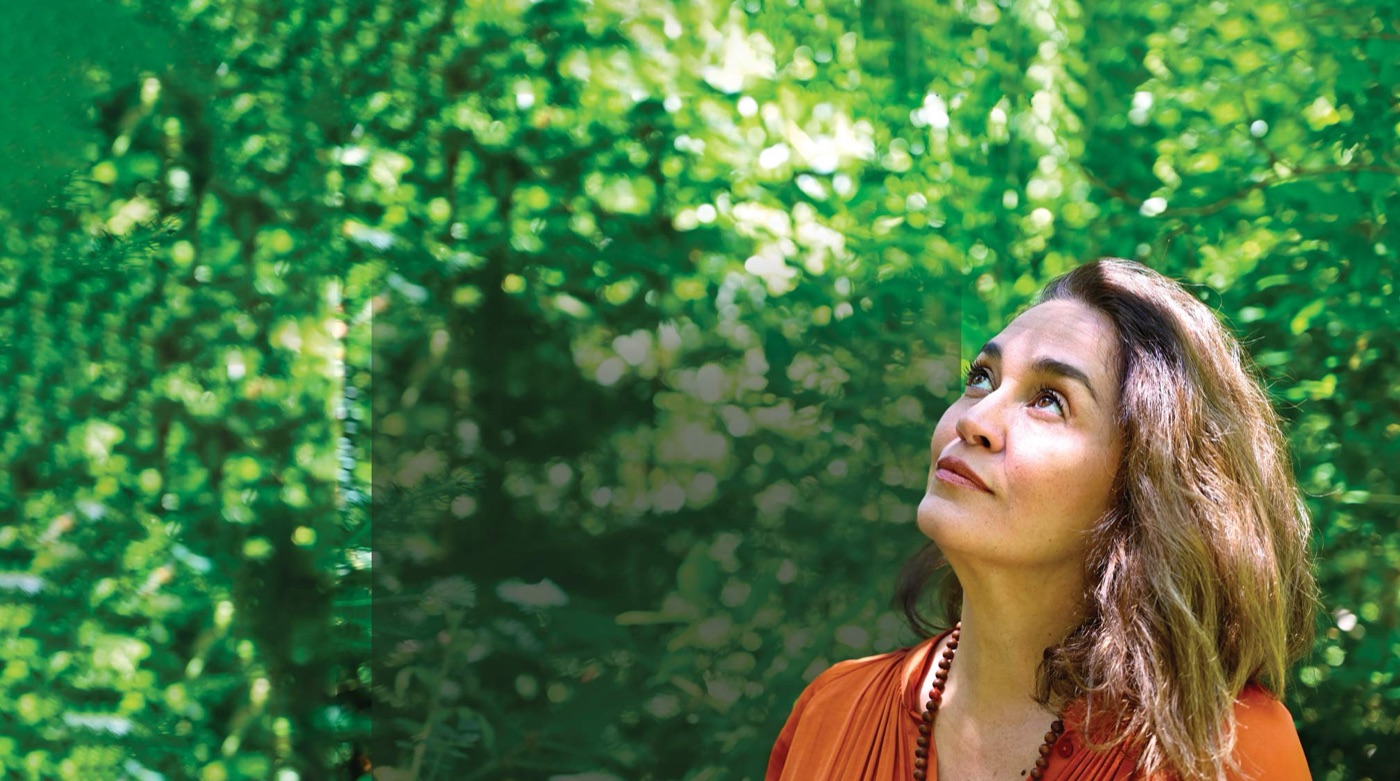
Paz is a devotional singer, musician, writer and meditation teacher, born in Patagonia, Argentina, and now based in The Hague. She shifted from screenwriting to full-time sacred music and teaching in 2016. Her path to mantra began with her first film job in 1997, on Seven Years in Tibet, where daily contact with Tibetan monks, Rinpoches and scholars set something in motion. This single is a useful reminder of how wide her range is. Her foundation is Tibetan Buddhist, yet Ganesha Sharanam addresses a Hindu deity, which reflects the interfaith sensibility she inherited from a Jewish father and a Christian mother.
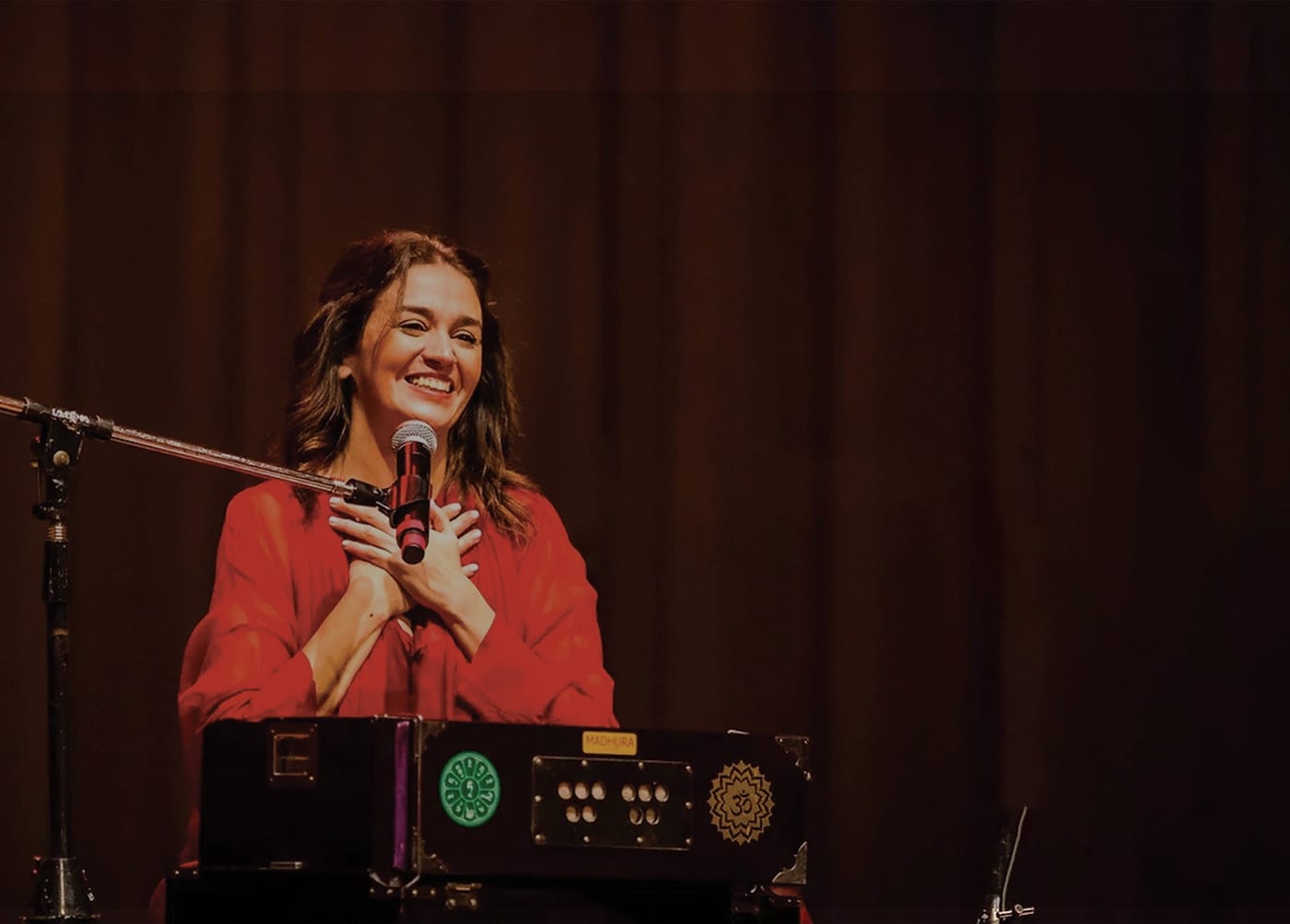
Paz's recordings are known for restraint, and this single follows that approach. Her voice is an alto, often described as luminous and soothing, and it leads the piece. Expect clear Sanskrit articulation rather than vocal display. Her usual accompaniment is the harmonium, sometimes joined by sparse strings, and the arrangements avoid synths, drum machines and layered loops.
The pacing follows the breath. There is no driving rhythm section and no urgency. The silences between phrases matter as much as the phrases, because they let the syllables resonate and fade. The mood is intimate rather than ecstatic: closer to chamber music for chanting than to a festival singalong. I can't say from the facts at hand exactly which instruments appear on this particular recording, so treat the description above as her general approach and listen for the specifics yourself.
There is only one, and it is the whole point: "Ganesha Sharanam." Several things help it land.
First, the subject. Ganesha is traditionally invoked at the beginning of ceremonies and practices to offer protection and remove obstacles. A mantra with that role feels natural as an opener, and the music supports the purpose by settling quickly into steadiness rather than building toward a climax.
Second, the repetition. As with much of her work, the mantra does its effect through return, not development. You don't need to understand the Sanskrit for the sound to work on you, though knowing the invocation's purpose adds a layer.
Third, the voice. Because the arrangement is spare, every small choice of breath, phrasing and pause is audible. The single rewards attention to those details.
Kirtan is the genre label most often attached to Paz, but her approach differs from the call-and-response group singing the word usually implies. She presents solo, carefully arranged vocal interpretations with minimal instrumentation, a more introspective version of the form. That puts her closer to personal sadhana practice than to communal chanting.
Her work is also deliberately ecumenical. Her discography moves between Hindu, Buddhist, Sikh and shamanic mantras, with Ganesha Sharanam representing the Hindu strand alongside Om Tare on the Buddhist side. Krishna Das, a prominent kirtan artist, has said, "I love Prashanti Paz's voice!", a notable endorsement from within the devotional community.
This single suits listeners who want a mantra as a focal point instead of a soundscape. It fits someone beginning a new chapter, such as a new practice, a new job or a move, who wants a gentle invocation to mark the threshold. It also suits yoga teachers and meditation leaders looking for an opening piece, since the mantra's traditional role is to begin.
It is less suited to those wanting high-energy group ritual, electronic-leaning ambient music, or a lush production. Paz's work is speech-forward and austere by design, and it asks for patience.
Begin with a quiet room and no other task. Headphones will bring out the breath, the pauses and the harmonium's texture. Morning or the start of a practice session suits the mantra's traditional function, though evening works well for winding down.
Play it once simply listening. Then play it again and, if you wish, softly join in, or sit in the silence after it ends. Because the piece is a single track, it rewards repeat listening more than a first pass can show. For context, you might follow it with Inner Light, her debut album and a good entry point to her wider catalog.