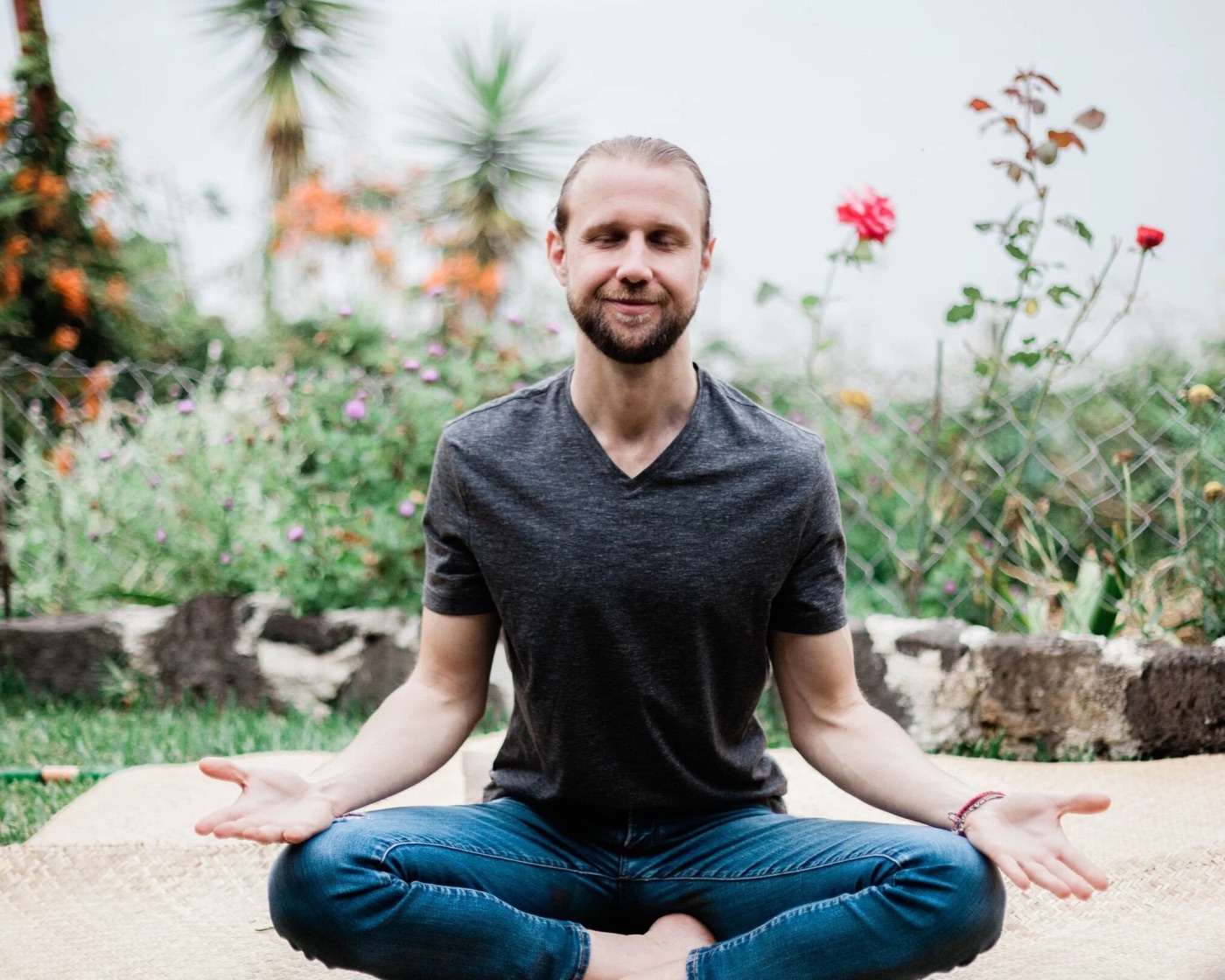

Lou Redmond is a meditation teacher, transformation coach, speaker, and author. His meditations have been listened to over 2 million times, and more than 75,000 students have enrolled in his online courses. If you're new to him, the order in which you meet his work matters.
Start with his book, Find Your Truth: A Modern Day Story About Finding Life's Purpose. It works as both memoir and teaching text. It traces the spiritual awakening he had at 25, his decision to leave a corporate job, and the uncertain years afterward. By his own account he had no idea what he was doing, and he writes openly about insecurity, jealousy, fear, and doubt.
Reading it first gives you the context for everything else. When you later hear his meditations or read his letters, you'll know where the voice comes from and what he means by calling himself "a friend on the journey" rather than an authority.
1. The meditation recordings. After the book, listen to a few of his meditations on Spotify or his YouTube channel (@lou-redmond). Sample several rather than one. They're designed for people with no prior experience, and a few tracks will tell you whether his direct, grounded style suits you.
2. The weekly letter and podcast. These are the low-commitment way to keep hearing his thinking on spirituality, purpose, and building meaningful work. Subscribe at louredmond.com.
3. The online courses. If the book and recordings resonate, the courses are his most structured offering. They're recorded and self-paced, so you can study on your own schedule.
If your interest is educational, look into One Mindful Education, the organization he founded to bring meditation, yoga, and mindfulness into schools.
Expect plain language and honesty about difficulty. He doesn't sell mystique. His teaching treats fear and doubt as part of the path rather than obstacles to clear before "real" practice starts. The framing is peer-to-peer, closer to a coach or companion than a guru. The meditations are meant for solo, at-home listening.
Expecting guaranteed bliss. His work explicitly rejects the idea that meditation delivers a linear, peaceful path. If you want reassurance that things will feel good, this may frustrate you.
Looking for a lineage. His bio names no formal tradition or teachers, so don't expect Sanskrit-heavy instruction or initiate-level teaching. His approach is contemporary and secular, which is also why it works in schools. If you want immersion in traditional Asian meditation or devotional practice, look elsewhere.
Assuming it's only about quitting your job. The corporate-exit story is his own, and it informs what he teaches about purpose, but the underlying themes are self-trust, self-inquiry, and doing work that matters. You don't have to resign to benefit.
Expecting a quick fix. He describes more than four years of financial precarity after leaving corporate life in 2015 before his work became sustainable. His teaching reflects that slow pace.
Based on its themes, it will likely land hardest at a crossroads: when you're questioning your career, weighing a leap toward more meaningful work, or sitting in doubt about whether you're on the right path. It may also resonate if you're a coach, guide, or aspiring meditation teacher, since he teaches how to write clear, grounded meditations and build sustainable work with integrity, including through Insight Timer.
Day 1: Read the opening of Find Your Truth. Note where his early confusion matches your own.
Day 2: Keep reading the book. Listen to one of his meditations, sitting down with nothing else going on.
Day 3: Try a different meditation from Spotify or YouTube. Compare how the two felt.
Day 4: Read more of the book. Subscribe to his weekly letter at louredmond.com.
Day 5: Listen to a podcast episode and a meditation of your choice. Write down one question about your own work or direction.
Day 6: Finish the book if you can. Return to whichever meditation worked best.
Day 7: Review the week. Did the practice or the honesty draw you in more? If the structure appeals, look at his online courses. If the school angle interests you, explore One Mindful Education. If neither does, you've still had a fair introduction at no cost.
Keep sessions short and regular. His work is built around showing up consistently and being honest about what you find.