
BrightStar

Browse All Events

Discover conscious gatherings

events

Yoga
Meditation
Breathwork
Qigong
Tai Chi
Sacred Music
World Music
Medicine Music
Sound Healing
Ecstatic Dance
Popular Destinations
BaliSedonaLos AngelesCosta RicaNew YorkSan FranciscoAustinMiamiJoshua TreeTulum
View All CategoriesView All Destinations

Explore All Features

Powerful tools to grow your events

Platform Features

Smart Dynamic Pricing
Ticket Categories
Assigned Seating
Abandoned Cart Recovery
Visitor Recovery
Donations & Sliding Scale
Affiliate Engine
Ticket Scanner
Coupon Codes
Custom Questions
Ticket Sharing
Upsells & Add-ons
Analytics & Reporting
Email Sequences
Waitlist / Notify / Remind
People & Places
Artists & TeachersEvent OrganizersVenues & StudiosKnowledge BaseGlossaryInspiration
View All FeaturesAbout Us
PricingBlog
Browse All Events

events

YogaMeditationBreathworkQigongTai ChiSacred MusicWorld MusicMedicine Music

Popular Destinations

BaliSedonaLos AngelesCosta RicaNew YorkSan Francisco

People & Places

Artists & TeachersEvent OrganizersVenues & StudiosKnowledge BaseGlossaryInspiration

Platform Features

Smart Dynamic PricingTicket CategoriesAssigned SeatingAbandoned Cart RecoveryVisitor RecoveryDonations & Sliding ScaleAffiliate EngineTicket ScannerCoupon CodesCustom QuestionsTicket SharingUpsells & Add-onsAnalytics & ReportingEmail SequencesWaitlist / Notify / Remind
View All FeaturesAbout Us
PricingBlog
Log inFind EventsHost Events
Tibetan BuddhistOm Mani Padme Hum · Om Mani Padme Hum · Om Mani Padme Hum · Om Mani Padme Hum · Om Mani Padme Hum ·
  • Browse All Events
  • For Seekers
  • Yoga
  • Meditation
  • Breathwork
  • Qigong
  • Tai Chi
  • Sacred Music
  • Retreats
  • Workshops
  • All Categories →
  • Bali
  • Sedona
  • Los Angeles
  • Costa Rica
  • Tulum
  • Byron Bay
  • San Francisco
  • Austin
  • All Cities →
  • For Creators
  • For Teams
  • For Writers
  • For Teachers
  • For Kirtan Artists
  • For Studios
  • For Festivals
  • For Retreat Centers
  • For Nonprofits
  • Brand Ambassador
  • Case Studies
  • Seva
  • Elevate
  • Amplify
  • 350K+ Buyer Network
  • Abandoned Cart Recovery
  • Smart Dynamic Pricing
  • Ticket Categories
  • Recurring Events
  • Assigned Seating
  • Affiliate Engine
  • Waitlist / Notify
  • Ticket Scanner
  • Embed Widget
  • Event Syndication
  • Message Center
  • Integrations
  • Reports
  • All Features →
  • About
  • The Ecosystem
  • Blog
  • Glossary
  • Inspiration
  • Help Center
  • Contact
  • API Docs
  • Brand Assets
  • Careers
  • Press
  • Terms of Service
  • Privacy Policy

Events

  • Browse All Events
  • For Seekers
  • Yoga
  • Meditation
  • Breathwork
  • Qigong
  • Tai Chi
  • Sacred Music
  • Retreats
  • Workshops
  • All Categories →

Destinations

  • Bali
  • Sedona
  • Los Angeles
  • Costa Rica
  • Tulum
  • Byron Bay
  • San Francisco
  • Austin
  • All Cities →

For Creators

  • For Creators
  • For Teams
  • For Writers
  • For Teachers
  • For Kirtan Artists
  • For Studios
  • For Festivals
  • For Retreat Centers
  • For Nonprofits
  • Brand Ambassador
  • Case Studies
  • Seva
  • Elevate
  • Amplify

Features

  • 350K+ Buyer Network
  • Abandoned Cart Recovery
  • Smart Dynamic Pricing
  • Ticket Categories
  • Recurring Events
  • Assigned Seating
  • Affiliate Engine
  • Waitlist / Notify
  • Ticket Scanner
  • Embed Widget
  • Event Syndication
  • Message Center
  • Integrations
  • Reports
  • All Features →

Company

  • About
  • The Ecosystem
  • Blog
  • Glossary
  • Inspiration
  • Help Center
  • Contact
  • API Docs
  • Brand Assets
  • Careers
  • Press
  • Terms of Service
  • Privacy Policy
BrightStar
© 2026 BrightStar. All rights reserved.
Back to Hrishi
Where to Start with Hrishi: A Beginner's Guide
For Beginners

Where to Start with Hrishi: A Beginner's Guide

Start with Hrishi's composition "therigiradhe." This single piece contains everything you need to understand their approach: the patient unfurling of raga structure, the therapeutic use of drone, and the way traditional Indian classical forms become tools for…

Hrishi
Hrishi
Jul 18, 2026
3 min read
Read · 1 sections

Where to Start with Hrishi: A Beginner's Guide

Begin with "therigiradhe"

Start with Hrishi's composition "therigiradhe." This single piece contains everything you need to understand their approach: the patient unfurling of raga structure, the therapeutic use of drone, and the way traditional Indian classical forms become tools for nervous system regulation rather than concert hall display. "therigiradhe" works as both entry point and template—it shows you immediately that this isn't background music or even meditation music in the conventional sense. It's something closer to a sonic treatment, a structured intervention that uses the ancient technology of raga to create specific psychological and physiological effects.

After That: Map the Territory

Once "therigiradhe" has oriented you, seek out Hrishi's sound therapy sessions if you can access them. The recorded work gives you the compositional framework; the sessions reveal the applied practice. Here's where you'll understand that ragas aren't just melodies—they're time-bound, season-specific, emotion-mapped structures that Hrishi deploys with clinical precision.

Then explore the broader contexts of both Hindustani and Carnatic classical traditions that inform their work. You don't need to become a raga scholar, but understanding that these melodic frameworks have been refined over centuries specifically to produce certain states will deepen your appreciation. Listen to how traditional performers use microtonal ornamentation and sustained notes. Notice the drone's constant presence. Hrishi inherits all this, then redirects it away from virtuosic display toward healing application.

What to Expect

Your first encounter will likely feel slower than anticipated. Hrishi's work refuses modern attention spans. The opening minutes of a piece might center on a single tone with barely perceptible variations. This isn't minimalism for aesthetic effect—it's the deliberate pacing required for nervous system entrainment. You might feel restless, then bored, then suddenly realize twenty minutes have passed and your breathing has changed.

The emotional response can be surprisingly direct. Ragas are designed to evoke specific rasas (emotional essences), and Hrishi's therapeutic application can trigger unexpected releases. Don't be surprised if you find yourself crying or feeling waves of emotion without clear narrative cause.

Common Misunderstandings

Beginners often mistake Hrishi's work for ambient music or generic "healing sounds." It's neither. This is highly structured, knowledge-intensive practice rooted in centuries of classical training and theoretical understanding. The seeming simplicity—a voice, a drone, careful repetition—conceals enormous sophistication in modal application and tonal architecture.

Another error: treating this as background music. Hrishi's compositions demand focused listening. They're designed to guide you through specific psychological terrain. Playing them while multitasking misses the entire point and diminishes their effectiveness.

When It Lands Hardest

This work finds you when you need nervous system repair. During periods of sustained stress, after trauma, in seasons of insomnia or anxiety—that's when Hrishi's application of raga as healing technology becomes undeniable. It also resonates deeply during life transitions, when you're between identities or circumstances and need something to regulate you without requiring narrative processing or cognitive engagement.

The work can be particularly powerful for people exhausted by Western therapeutic models that depend on talking and analysis. Here's healing through pure vibration and tonal relationship.

One-Week Starter Plan

Days 1-2: Listen to "therigiradhe" once daily with headphones, no distractions, eyes closed. Don't try to understand or analyze. Just receive.

Day 3: Research the specific raga used in "therigiradhe." Understand its traditional time of day, emotional correspondence, and seasonal association.

Days 4-5: Listen again to "therigiradhe," now aware of its structural principles. Notice drone, ornamentation, the relationship between repetition and variation.

Day 6: Explore examples of traditional Hindustani or Carnatic performance of the same raga. Hear what Hrishi inherits and how they transform it.

Day 7: Return to "therigiradhe" one final time. Notice how your relationship to the piece has changed.

After this week, you'll know whether Hrishi's work speaks to you—and whether you're ready to let raga's ancient technology work on your system.
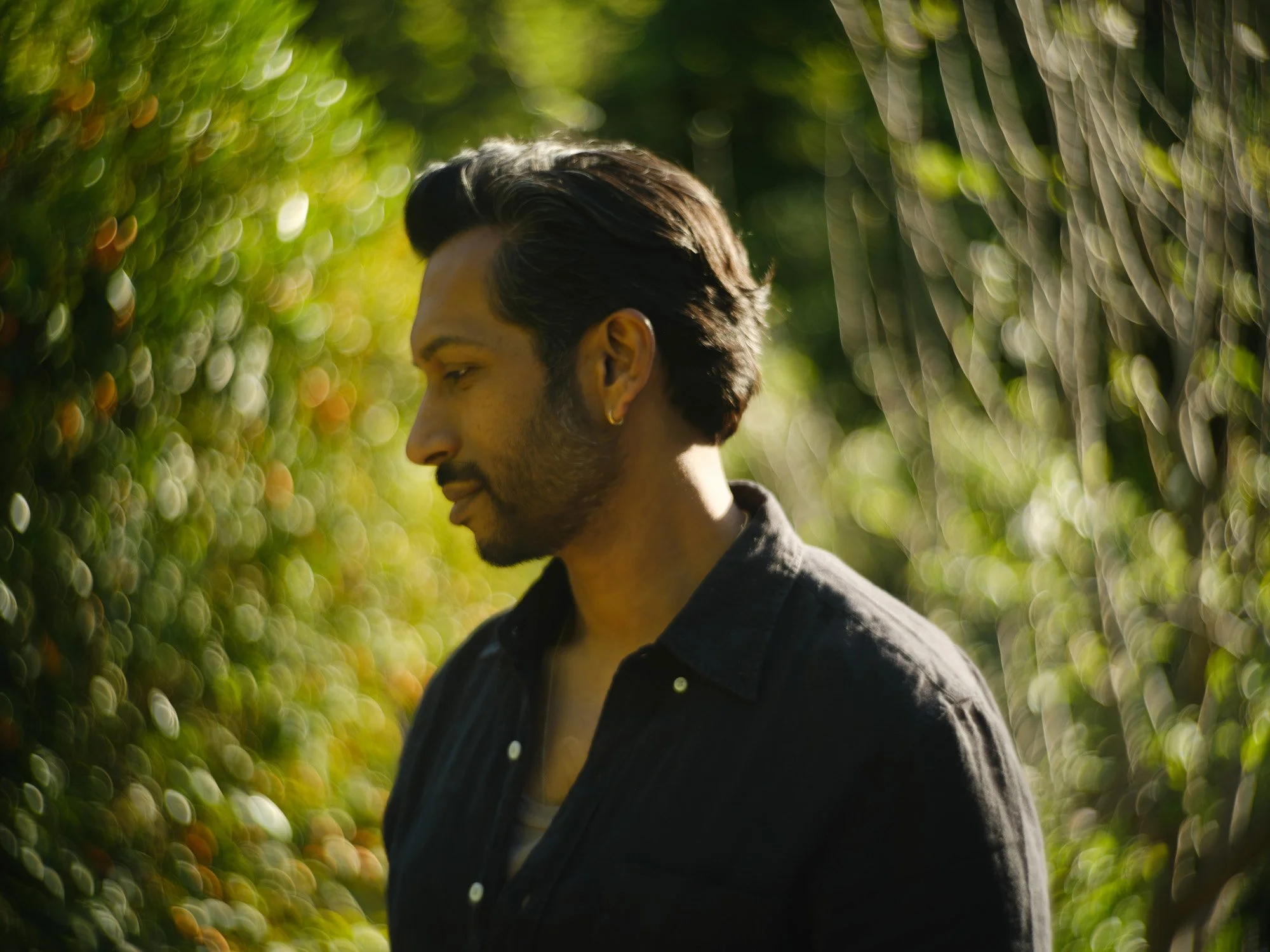

Hrishi
AboutHrishi

Hrishi is a musician and sound practitioner who composes and performs with classical Indian ragas to facilitate healing experiences. Their work synthesizes Hindustani and Carnatic…

View profileWebsite

Continue Reading

More about Hrishi

View All
The Music of Hrishi: Sound, Sacred Texture, and Lineage
Article

The Music of Hrishi: Sound, Sacred Texture, and Lineage

Who Is Hrishi? Life, Work, and Legacy
Article

Who Is Hrishi? Life, Work, and Legacy

Essential Hrishi Albums: A Listening Guide
Article

Essential Hrishi Albums: A Listening Guide

Keep exploring

Continue your journey

More wisdom and gatherings from across the BrightStar directory.

More Articles

Browse the full library of teachings, interviews, and guides.

Back to all articles →

Teachers & Artists

Explore the lineages, musicians, and guides of the conscious world.

Explore artists →

Find an Event

Kirtan, retreats, sound baths, breathwork, festivals — happening soon.

Browse events →