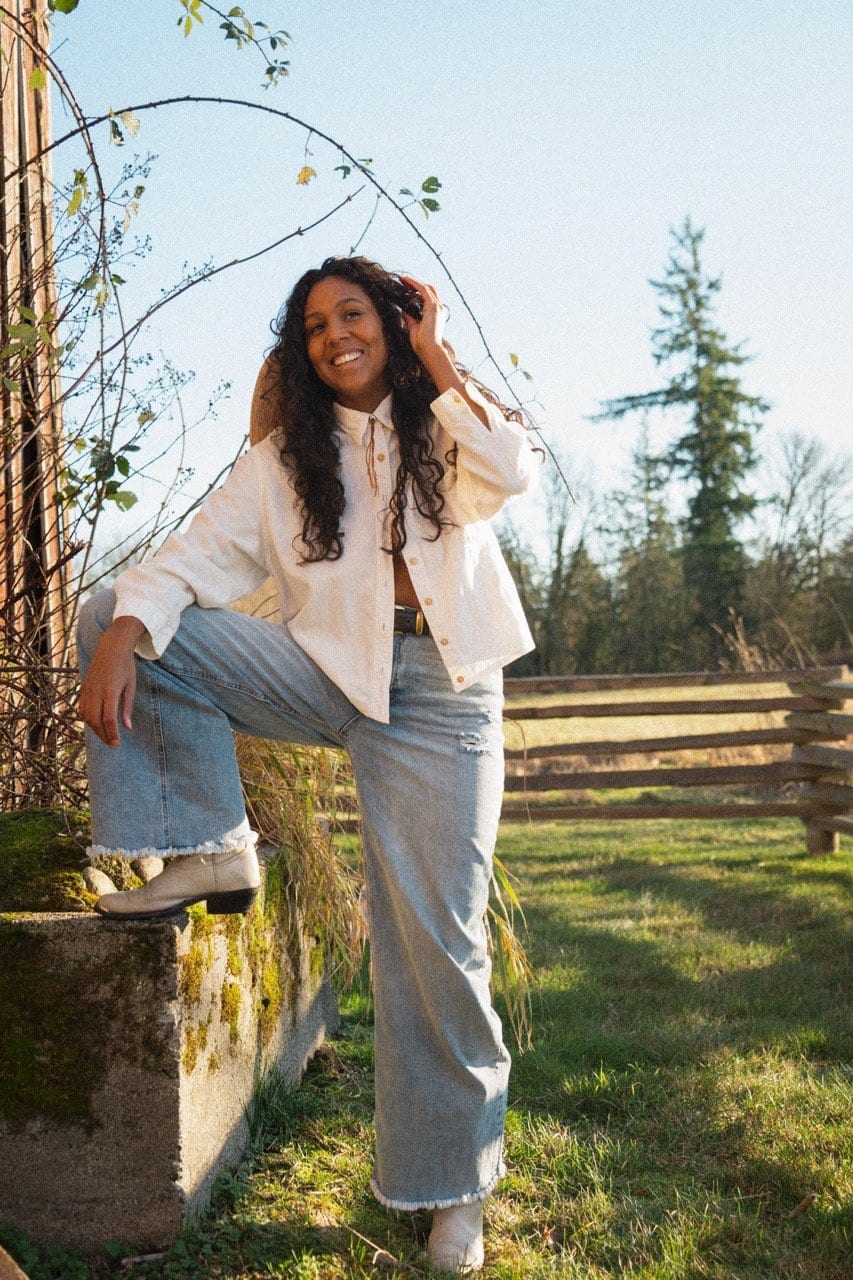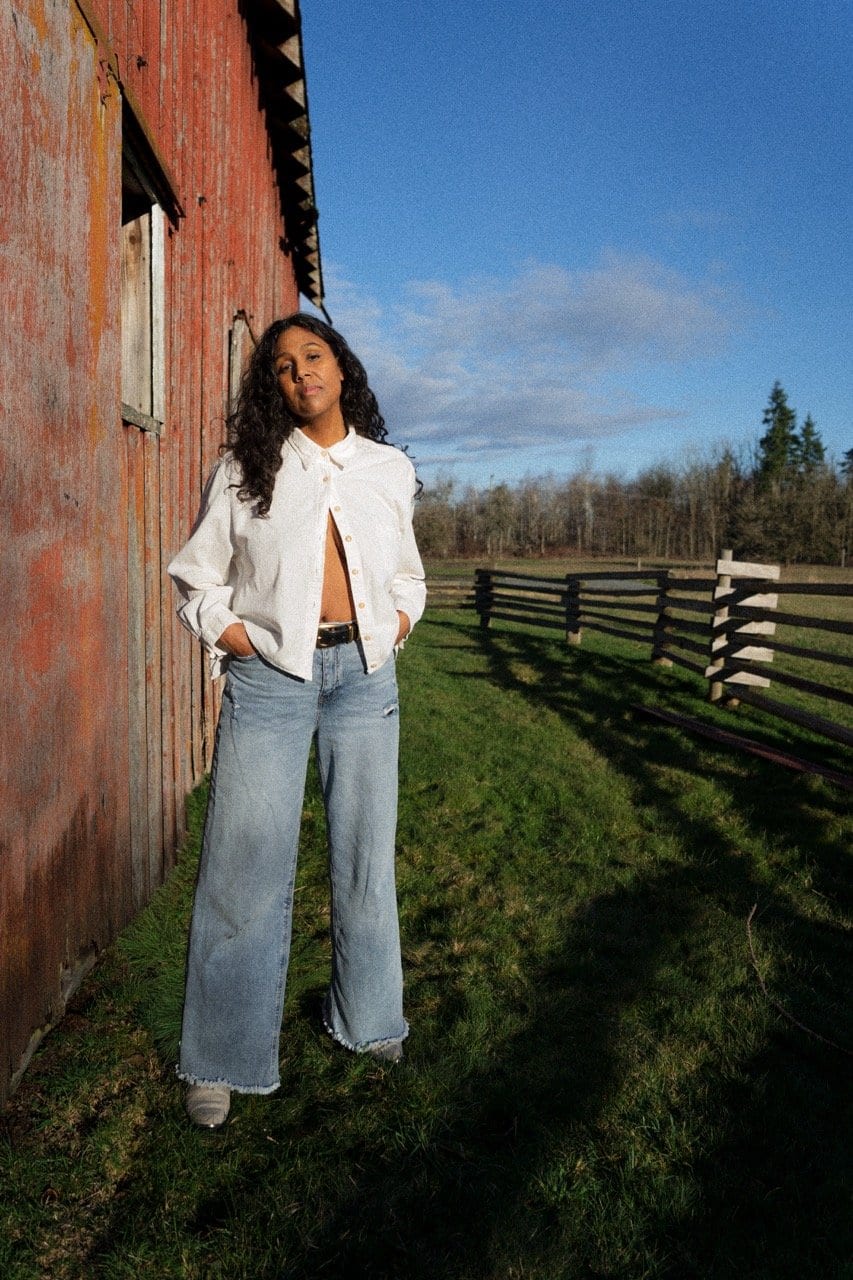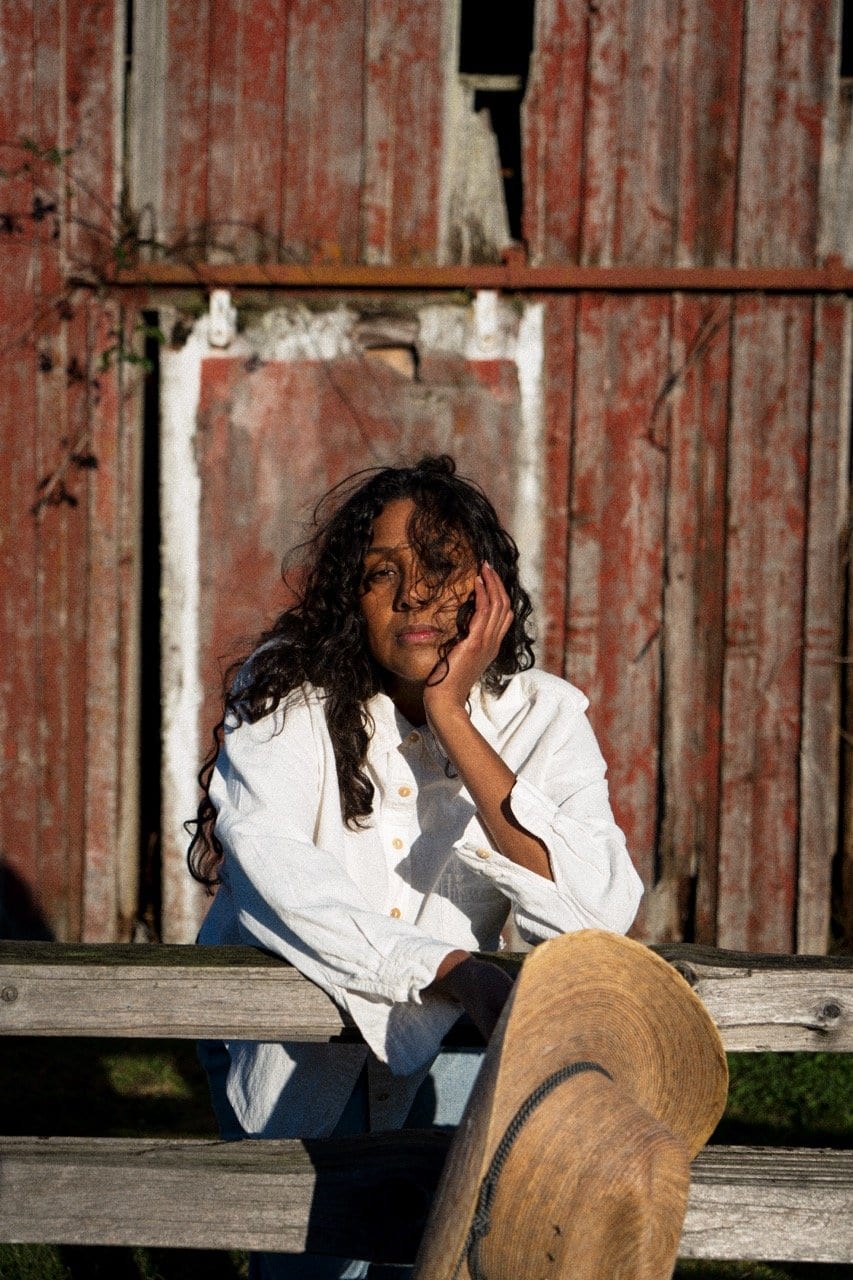

"Chop Some Wood" is a single, one track released on September 5, 2025. It belongs to a run of 2025 releases that also includes "I Am Blessed," "the fall," and a demo version of "hanging on." It follows the JUNO-nominated Meet You At The Light, the 2021 Full Spectrum (Deluxe), and the 2023 album Love-Notes. A single carries less narrative sweep than an album, but it shows where an artist is pointing right now. This one offers a short, focused look at Desirée Dawson's current direction.
Dawson is a Vancouver-based songwriter, producer, yoga teacher and sound healing facilitator. Her work has long circled one idea: tending to the spaces within us that have been silenced into isolation, and letting that self-care widen into care for the people around us. A single released in this period is best heard against that background.
I can't describe the arrangement of this recording note by note, so what follows is what her work generally offers. Her main instrument is a voice described as powerful yet soothing, often paired with body percussion or a baritone ukulele. That baritone ukulele has a warmer, more resonant tone than the smaller ukuleles most people picture. The palette is spare, and her approach tends to favor clarity and presence over density.
Her pacing leans reflective, even when a song moves. The mood is warm and unhurried, built for emotional legibility, so you can hear the person singing. She draws on pop, folk, soul, Americana and country, and "genre-blending singer-songwriter" fits better than any single label. If you know artists who use restraint as a path to intimacy, you'll recognize the philosophy, though her ukulele-and-voice identity is her own.
This is a one-track release, so there is one signature track, and it is the title song.
"Chop Some Wood." What makes it land starts with the title, which is plain, physical and a little humble. It fits an artist for whom the body is part of the instrument, through body percussion and a yoga teacher's attention to embodiment. I won't claim to know the lyrics or story, and the facts here don't say. The title suggests a grounded, tangible gesture, and her work consistently connects inner tending with connection to community and land. Listen for how the voice carries that, and whether percussion or ukulele anchors the rhythm.
If you want companions in her catalog, "I Am Blessed" is a mantra-like piece with a loop version made for repeated listening, and "Cup Of Tea" is one of her most widely heard songs. These are separate releases, but they help show the range around this single.
This isn't bhakti or kirtan, and nothing in her biography ties her to a particular spiritual lineage. Her roots are in North American singer-songwriter traditions: folk, soul, Americana and country, where personal directness is the main tool. Alongside that, her work as a yoga teacher and sound healing facilitator places her in a contemporary current of embodied, music-as-practice work. The bridge between the two is a focus on liberation, authenticity and collective presence.
So the single is best heard as devotional-adjacent in spirit and singer-songwriter in craft. It is a pop-folk song made by someone who treats music as a container for emotional work, not a hymn from any named tradition.
This single is for listeners who want acoustic warmth and an unhurried pace. It suits people in a season of rebuilding, such as after isolation, burnout or a stretch of holding things in, who want music that gives them room to feel without demanding a big emotional performance. It also suits anyone who already follows her through Meet You At The Light or Love-Notes and wants to see what she's making now.
It is less likely to work for people looking for dance energy, electronic production or a workout soundtrack. Listeners put off by wellness language may also find her framing a stretch, though a single song asks far less of you than a workshop does.
Because it is a single, you can give it your full attention in a few minutes, and repeating it is part of the appeal.
- Alone, with headphones. Her sound is intimate and tactile, and headphones help you hear breath, the grain of the voice and any percussion.
- In the evening. Choose a quiet hour when nothing else is competing, such as after dinner or at the end of the day.
- Three passes. First, just listen. Second, follow the rhythm and notice whether it comes from ukulele, body percussion or both. Third, follow the voice and what its warmth does to the room.
- Something physical afterward. Given the title, a walk, stretching or an ordinary household task makes a fitting follow-up. That is a suggestion, not a claim about what the song intends.
If the single draws you in, her website, desireedawsonmusic.com, is the place to look for releases, workshops and gatherings, and Meet You At The Light is the natural next step in the catalog.