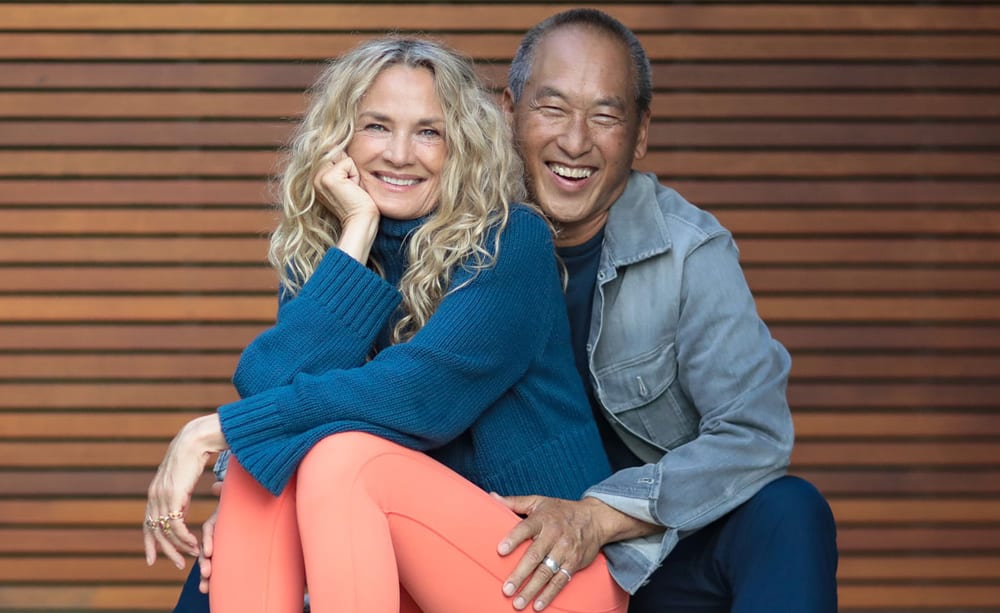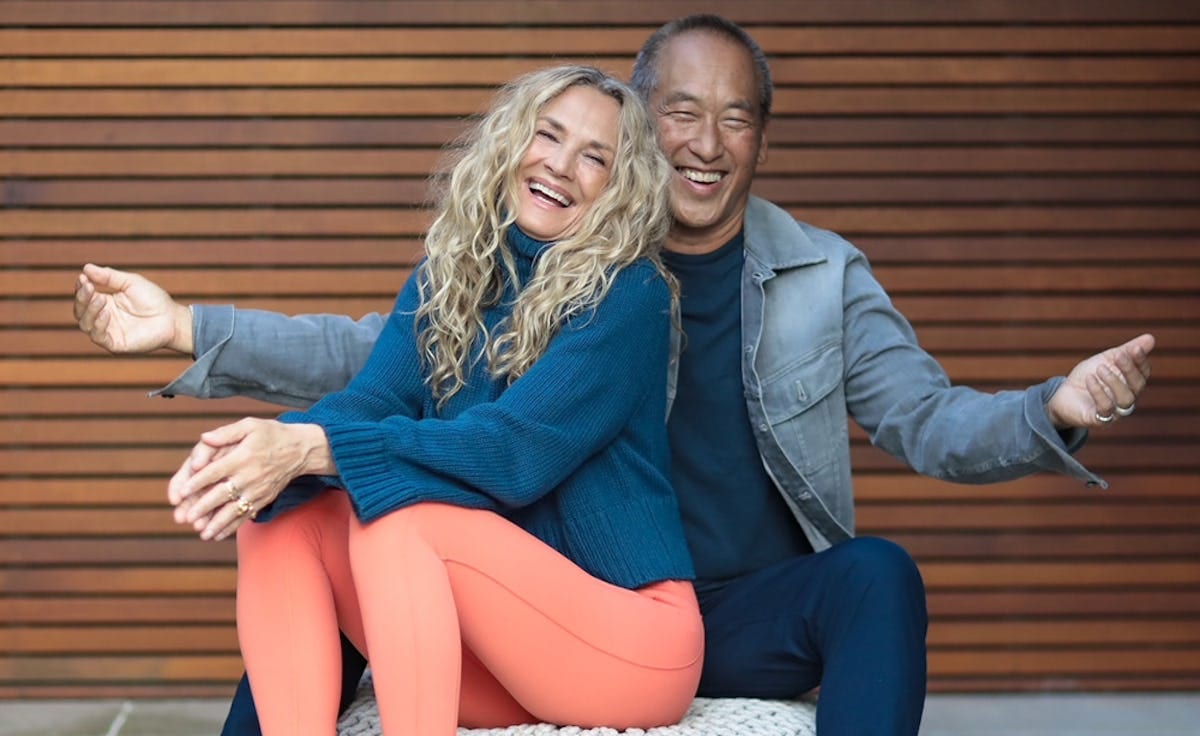

Start with a class at Yoga Shanti, the studio Colleen Saidman Yee founded in Sag Harbor, New York. The studio explicitly serves beginners alongside experienced practitioners, and the Yoga Shanti method, which Colleen developed with Rodney Yee and tenured teachers, is best understood in a room rather than described. No prior experience is required.
If Sag Harbor is out of reach, the next best thing is a two-step approach: read the studio's website at yogashanti.com, which lays out the method and its offerings in one place, then pick up Colleen's autobiography, Yoga for Life: A Journey to Inner Peace. Many students find that reading the book before a first class makes the emphasis on safety and adaptation easier to grasp. Note that there are no albums or recorded talks to point you toward; this profile lists no discography, and the only book listed is the autobiography.
The book, if you started with a class. Yoga for Life is a narrative rather than a technical manual. It covers how Colleen came to teach, the influences behind the method, and a view of inner peace as a practical goal. Don't expect sequences or pose instructions from it.
A workshop or immersion. Once you have a basic home practice, a first workshop or immersion is the reasonable step up. It lets you go longer and deeper than a weekly class allows.
A retreat. Colleen leads retreats with Rodney Yee and an annual women's retreat of her own. Current listings include the Menla Retreat and Dewa Spa in Phoenicia, New York (October 30, 2026), the Kripalu Center for Yoga & Health in Stockbridge, Massachusetts (two listings on January 29, 2027), and the Lula Hotel in Tulum (March 3, 2027). Confirm details with the venue before booking, since dates can shift.
The 300-hour advanced teacher training, taught with Rodney Yee, is a far later step. It is aimed at serious practitioners with substantial experience.
Expect a calm room, not a loud one. The method is rooted in the Iyengar and Ashtanga traditions: the Iyengar side brings careful alignment, sequencing and props, while the Ashtanga side brings breath-linked structure and a clear progression. The studio describes its classes as welcoming, uplifting and safe, and says they serve everyone from the most agile to the most fragile. Mixed-level students are accommodated in the same class, so the teaching adjusts to your body instead of asking you to match one ideal shape.
The pacing may feel measured. That is by design, since the priority is sustainable practice.
Expecting a workout. If you measure a session by sweat or calorie burn, this will feel slow. The method is not heat-driven or music-heavy.
Expecting a devotional practice. Students hoping for extended chanting, mantra work or ritual will find the approach more physical and instructional than they expected.
Expecting a technical manual in the book. Yoga for Life is an autobiography. Use classes and workshops for instruction.
Assuming "adaptable" means "unstructured." The method is gentler and more flexible than strict orthodoxy, but it is still built on disciplined alignment and progression.
Assuming the renown is independently documented. The "world-renowned" description comes from the studio itself, and this profile lists no awards or press coverage. Serious practitioners tend to judge Colleen by the consistency of the classes and trainings over time, and that is a fair way for you to judge too.
This work tends to suit people who want a structured, safety-minded approach rather than a trend-driven one. It should land well if you are new to yoga and nervous about it, if you are returning to practice with a body that feels fragile or strained, or if you have tried fast, intense styles and want something you can sustain for years. It also suits people who are ready to go deeper and want a long path of study, from introductory classes through workshops, retreats and eventually teacher training.
It lands less well if you want an experimental, fast or music-centered practice, or if you need regular in-person classes and live far from Sag Harbor, since ongoing study elsewhere depends on scheduled retreats and workshops.
Day 1: Read yogashanti.com. Note which classes or offerings fit your situation and location.
Days 2-3: Start Yoga for Life: A Journey to Inner Peace. Read for the philosophy behind the method, particularly how Colleen thinks about discipline and ease.
Day 4: Take a class at Yoga Shanti if you can get to Sag Harbor. If not, do a short, slow practice of your own at home, focusing on alignment and breath rather than intensity.
Day 5: Rest, and keep reading. Notice how your body feels after a practice that prioritized safety over effort.
Day 6: Repeat the class or home practice. A second session shows you far more than a first.
Day 7: Decide your next step. If it clicked, look at the retreat listings (Menla, Kripalu, Tulum) and check them against your schedule. If you want more grounding first, plan a workshop or immersion once a steady home practice is in place.