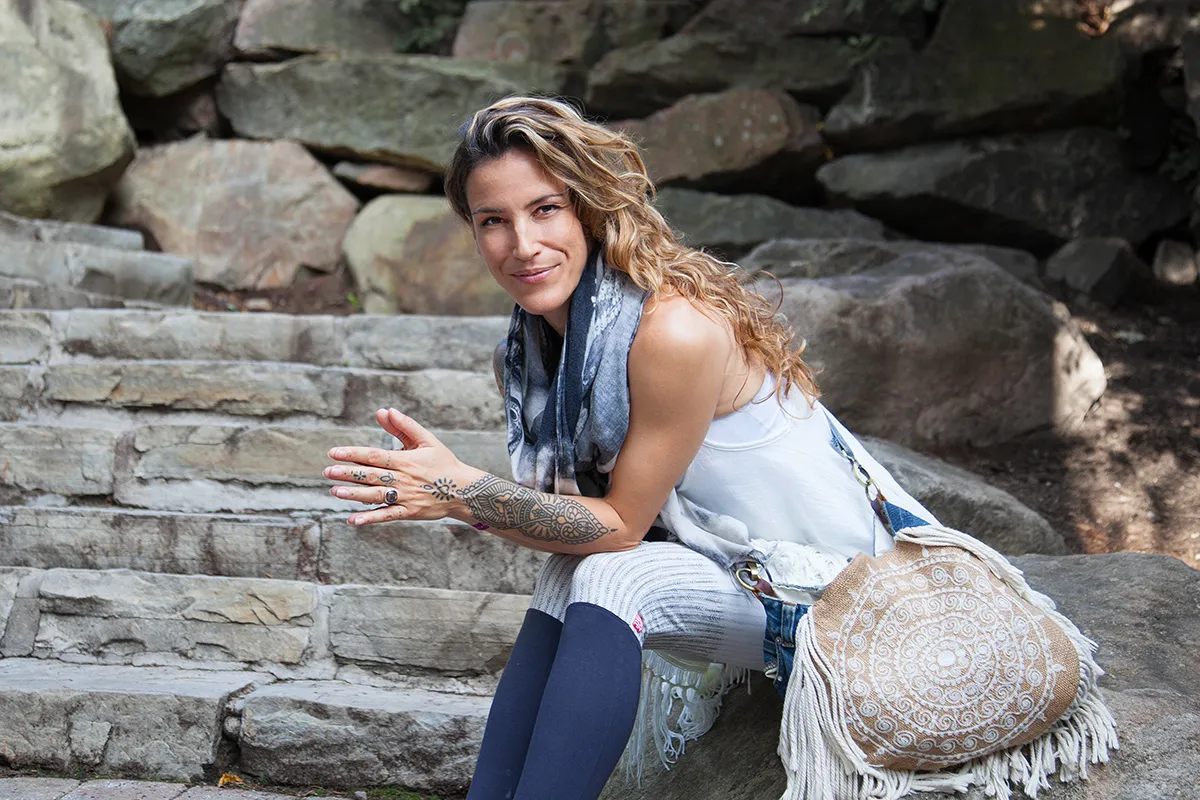

Where to Start with Annie Langlois: A Beginner's Guide
Begin with a Group Session at Essence du Souffle
Your best entry point into Annie Langlois's work is attending one of her group breathwork sessions through Essence du Souffle. This is deliberate—breathwork isn't something you read about or watch someone else do. It's a somatic practice that only makes sense through direct experience. The group format provides both structure and energetic support as you encounter unified conscious breathing for the first time. You'll lie down, follow simple breathing instructions, and spend 45-60 minutes in sustained circular breathing while Langlois guides the space. Nothing about this can be approximated through videos or books.
After Your First Session: The Next Steps
If that initial session opens something, book an individual breathwork experience next. The one-on-one format allows Langlois to track your specific patterns—where you hold your breath, where tension lives in your body, what emerges when you sustain the rhythm. This personalized attention accelerates your understanding of how your particular nervous system responds to conscious connected breathing.
Then return to group sessions regularly for at least a month. Breathwork isn't a one-time revelation. It's a practice that deepens with repetition. Each session accesses different layers. What felt like chaos in session one becomes navigable terrain by session four.
What to Expect on First Encounter
Unified conscious breathing is not calming breathwork. Forget the 4-7-8 pattern, forget box breathing, forget anything designed to soothe you. This is circular, rhythmic, sustained breathing that activates rather than sedates. You may feel tingling in your hands and face (tetany from shifting CO2 levels). You might cry, laugh, rage, or fall into profound stillness. Physical sensations can be intense—heat, cold, pressure, vibration. You're not doing this wrong. This is the body releasing what it holds.
Langlois holds space but doesn't rescue you from your experience. Her guidance is minimal once the breathing begins. The breath itself is the teacher. Expect to feel simultaneously vulnerable and held, confronted and supported.
How Beginners Misunderstand This Work
The most common mistake is treating breathwork as meditation's louder cousin. It's not. Meditation often works with stillness and observation. Unified conscious breathing deliberately creates intensity to move you through blocks, not around them. You're not trying to calm your mind—you're using breath to access what your mind has been defending against.
Second misunderstanding: expecting immediate clarity or answers. Soul journey work isn't about insights you can articulate in the parking lot afterward. The processing happens in the body first. Understanding comes later, sometimes days later, often wordlessly.
Third: thinking you can sustain this alone after one session. Breathwork benefits enormously from skilled facilitation, especially when you're new. The presence of a guide like Langlois prevents you from defaulting to control when the experience becomes challenging.
When This Work Lands Hardest
Breathwork tends to hit deepest during transitions—endings of relationships, career crossroads, relocations, illness, grief. When your usual coping strategies have stopped working. When you're tired of thinking about your patterns and ready to feel them instead. It's particularly powerful for people who live primarily in their heads, who've tried talk therapy but sense something remains untouched beneath the stories.
It also lands hard when you're ready to stop performing healing and actually do it. Breathwork has no Instagram-friendly takeaway. It's messy, private, and requires surrender.
Your One-Week Starter Plan
Day 1: Attend your first group session at Essence du Souffle. Don't prepare. Just show up.
Days 2-3: Rest. Journal if you want, but don't force insights. Notice what shifts in your body and mood.
Day 4: Practice 15 minutes of circular breathing alone at home. Lie down, breathe continuously through your mouth without pausing between inhale and exhale. Notice what comes up without the group container.
Day 5: Rest again. Walk, move gently, let integration happen.
Day 6: Book your individual session with Langlois.
Day 7: Reflect on what changed this week. Not what you learned—what changed in how your body feels, how you inhabit yourself.
Then commit to monthly sessions for three months before deciding if this practice serves you.