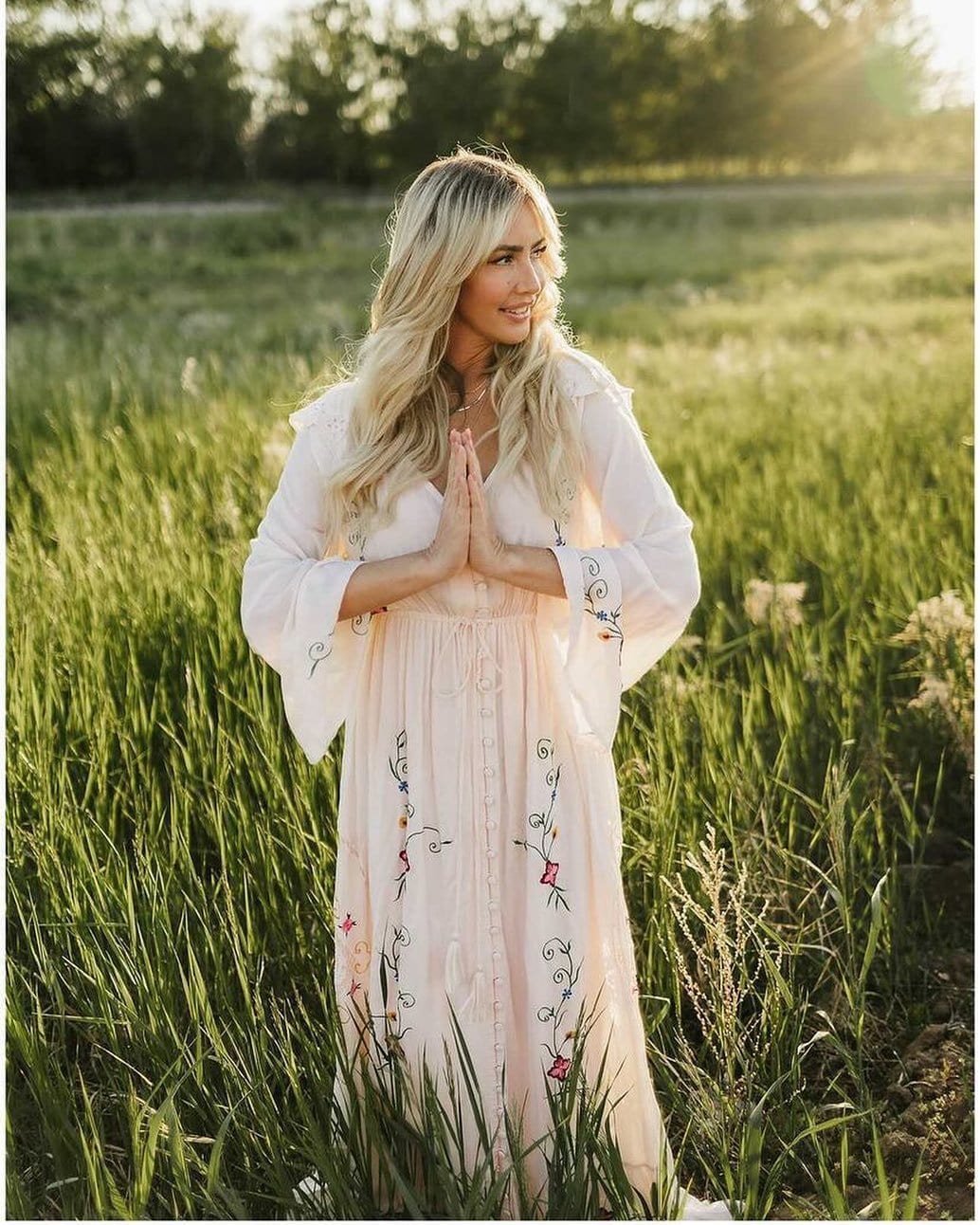

Amanda Sellers is a full-time voice actor, meditation teacher and podcast host. She is a three-time Voice Arts Awards nominee, and she came to meditation and breathwork as a personal tool for managing stress, insecurity, trauma and the balance between motherhood and work. There is no discography and no book to track down. Her work lives on YouTube and in her podcast, and this guide is built around those two places.
Start with a short guided meditation on her YouTube channel. Pick one in the 10-20 minute range that matches something you actually need right now: stress relief, sleep, or intention-setting. I can't point you to a specific titled video from the information available, so choose by purpose rather than by name. The channel is free, with no paywall or prerequisite, so the cost of trying one is a quarter of an hour.
Why here first: her voice-acting background shows immediately. The pacing, tone and audio quality are professional, which matters if you have bounced off meditation recordings that felt rushed, monotone or home-made. You will know within a few minutes whether her voice works for you, and that is the main thing to find out.
1. A second and third YouTube meditation, with a different purpose. If you began with stress relief, try a sleep recording or a manifestation-focused visualization. This shows you her range and tells you which framing suits you.
2. Her podcast. This is where you hear her teaching voice and philosophy in more depth rather than as guided practice. You can find it through her website or by searching podcast apps for her name. The platform isn't specified, so the site is the surest route.
3. Her website, missamandasellers.com. It is the hub for her platforms and the place to check for current projects. The one confirmed upcoming live appearance is at Moksha on April 21, 2027, if you want to see her in person.
Expect clear, warm, well-paced guidance in plain language. There is no Sanskrit, no chakra theory and no assumed background. The recordings combine visualization, breathwork and intention-setting rather than treating them as separate techniques.
Expect a secular, contemporary frame. Her teaching sits within modern wellness culture and the manifestation movement, not a classical lineage. She doesn't claim a tradition, and her themes are healing, intention and conscious choice. She speaks from lived experience: stress, insecurity, trauma and the pull between ambition and being a mom of two boys. Her stated aim is to help people move past limiting beliefs, fear and doubt, and she calls herself a "possibilitarian."
Expecting a traditional teacher. She isn't continuing a Buddhist, Vedic or other classical transmission, and she doesn't present herself that way. If you want initiation, hierarchy or deep philosophical study within a tradition, look elsewhere.
Hearing "manifestation" as wishful thinking. In her framing it is paired with intention, conscious choice and action. It is closer to goal-setting with a meditative practice underneath than to passive visualization. That said, if you find manifestation language reductive, you may not connect with her emphasis, and it is better to know that early.
Assuming recorded means interactive. These are recordings. You won't get real-time feedback or questions answered, so don't judge the whole approach by what a recording can't offer.
Treating it as relaxation only. Many of the meditations are meant to shift something, such as a belief, a fear or a pattern, not just to calm you down.
It tends to land hardest for people in busy, demanding stretches who want practical tools, not a retreat from life. That includes working parents juggling caregiving and ambition, driven people running on stress, and anyone feeling the weight of self-doubt or limiting beliefs. It also suits people who are skeptical of institutional spirituality but open to trying something concrete. Her own story is one of managing stress and balancing motherhood with work, so it resonates most when you recognize that tension in your own life.
Day 1: Play one 10-20 minute stress-relief meditation. Afterward, write one sentence about how you feel.
Day 2: Repeat the same recording. Familiarity makes it easier to settle in, and you will notice more the second time.
Day 3: Try a different purpose, such as a sleep meditation at bedtime.
Day 4: Listen to an episode of her podcast during a commute or walk, and note whether her philosophy appeals or grates.
Day 5: Try a manifestation or intention-setting visualization. Before pressing play, write down one specific intention for the coming month.
Day 6: Return to whichever recording worked best so far. Pair it with a few minutes of conscious breathing beforehand, following her pacing.
Day 7: Review your notes. Decide which format fits your life, YouTube or podcast, and subscribe to that one. Check missamandasellers.com for what else she offers, including the April 2027 Moksha appearance.
If by day three her voice or framing isn't working, stop. The low-commitment format means you lose nothing by moving on.