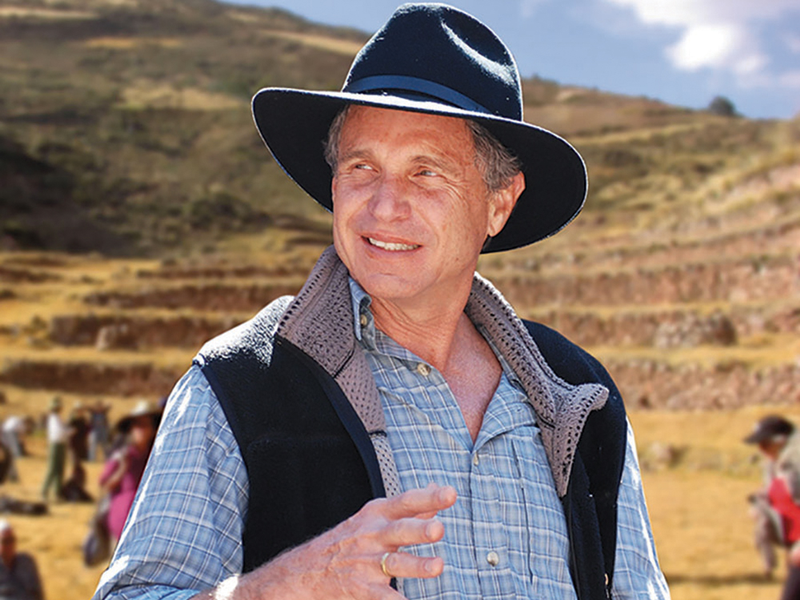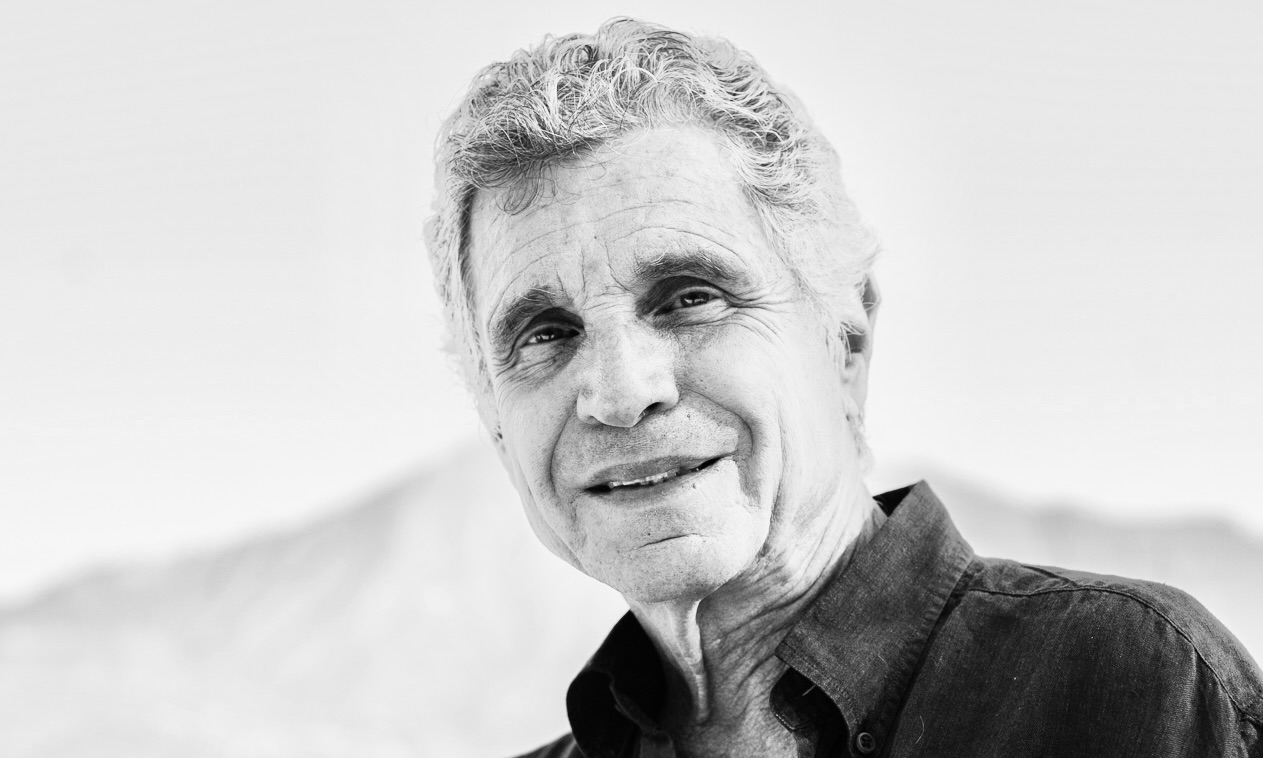

Alberto Villoldo occupies unusual territory—a medical anthropologist who abandoned university laboratories to apprentice with Peruvian shamans for three decades. His work merges Amazonian and Andean healing practices with neuroscience and nutrition, creating a bridge between indigenous wisdom and contemporary biology. For newcomers, this synthesis can seem either thrilling or bewildering, depending on where you enter.
Start with Shaman, Healer, Sage. This foundational text lays out Villoldo's core framework without assuming prior knowledge of shamanic cosmology or energy medicine. The book explains the Illumination Process, chakra healing maps adapted from Quechua tradition, and practical techniques you can apply immediately. Unlike purely anthropological accounts, it's written for practitioners—Villoldo wants you to work with these methods, not just study them. The prose stays concrete, grounding abstract concepts like "luminous energy field" in case studies from his clinical work and apprenticeship stories from remote Andean villages above 14,000 feet.
What makes this the ideal starting point is its structure. Villoldo methodically builds from worldview (how shamans perceive illness and healing) to practice (specific techniques for clearing energetic imprints) to integration (how these methods complement rather than replace Western medicine). You get both the indigenous cosmology and the neuroscience framing, which is essential for understanding everything else he teaches.
After Shaman, Healer, Sage, your path depends on whether you're drawn more toward practice or philosophy. If you want hands-on techniques, look for his recorded workshops or training materials where he demonstrates the Illumination Process step-by-step. These sessions show you how to track energy through the chakra system and perform extractions—concepts that remain abstract on the page until you see them enacted.
For deeper context on the indigenous traditions themselves, explore writings or talks where Villoldo discusses his apprenticeship years in Peru. Understanding the cultural framework—the Quechua conception of ayni (sacred reciprocity) or the Shipibo cosmovision—prevents the common beginner mistake of treating these practices as generic "energy work" divorced from their lineage.
Third, investigate his nutrition and neuroscience integration. Villoldo doesn't separate shamanic technique from biological intervention. His work on diet, mitochondrial health, and brain chemistry reveals how he thinks about healing holistically—ceremony and supplementation aren't opposing paradigms but complementary tools.
Villoldo writes with the authority of someone who has logged years in both academic institutions and mountain villages, but his tone stays accessible. Expect concepts that sound mystical—luminous energy fields, soul retrieval, energetic imprints—explained through biological metaphors. He'll reference the hypothalamus and amygdala in the same paragraph as Pachamama and ayahuasca.
The experience can feel cognitively dissonant. You're reading someone with training in medical anthropology who speaks matter-of-factly about entities, past lives, and curse extractions. Don't try to resolve this tension prematurely. Villoldo inhabits both worldviews simultaneously, and his effectiveness comes from refusing to collapse one into the other.
Beginners often mistake Villoldo for either a New Age synthesizer or a traditional lineage holder. He's neither. He's not inventing practices from scratch or blending world traditions indiscriminately—he apprenticed specifically within Peruvian shamanic lines. But he's also not a cultural preservationist. He adapts these techniques for Western practitioners, integrating neuroscience in ways his indigenous teachers never would.
Another error: assuming you can learn shamanic healing exclusively from books. Villoldo's texts are entry points, not complete transmissions. The work requires experiential practice, ideally with feedback from trained practitioners.
Villoldo's teachings resonate most during transitions that Western frameworks struggle to address: chronic illness unresponsive to conventional treatment, major life upheaval, existential crisis, or recovery from trauma. His methods offer tools when you suspect your healing needs exceed what talk therapy or pharmaceuticals can reach alone.
Days 1-2: Read the first half of Shaman, Healer, Sage, focusing on cosmology and the concept of the luminous energy field.
Days 3-4: Complete the book, paying special attention to the Illumination Process chapters. Take notes on the four-chakra healing map.
Day 5: Practice the basic chakra meditation he outlines. Don't worry about doing it "right"—just familiarize yourself with the framework.
Day 6: Research Villoldo's background: his transition from university research to Peruvian apprenticeship, the specific lineages he studied with.
Day 7: Reflect on which aspects intrigue you most—the shamanic techniques, the neuroscience integration, the cultural anthropology—and let that guide your next steps into his broader body of work.