BrightStar

Browse All Events

Discover conscious gatherings

events

Yoga
Meditation
Breathwork
Qigong
Tai Chi
Sacred Music
World Music
Medicine Music
Sound Healing
Ecstatic Dance
Popular Destinations
BaliSedonaLos AngelesCosta RicaNew YorkSan FranciscoAustinMiamiJoshua TreeTulum
View All CategoriesView All Destinations

Explore All Features

Powerful tools to grow your events

Platform Features

Smart Dynamic Pricing
Ticket Categories
Assigned Seating
Abandoned Cart Recovery
Visitor Recovery
Donations & Sliding Scale
Affiliate Engine
Ticket Scanner
Coupon Codes
Custom Questions
Ticket Sharing
Upsells & Add-ons
Analytics & Reporting
Email Sequences
Waitlist / Notify / Remind
People & Places
Artists & TeachersEvent OrganizersVenues & StudiosKnowledge BaseGlossaryInspiration
View All FeaturesAbout Us
PricingBlog
Browse All Events

events

YogaMeditationBreathworkQigongTai ChiSacred MusicWorld MusicMedicine Music

Popular Destinations

BaliSedonaLos AngelesCosta RicaNew YorkSan Francisco

People & Places

Artists & TeachersEvent OrganizersVenues & StudiosKnowledge BaseGlossaryInspiration

Platform Features

Smart Dynamic PricingTicket CategoriesAssigned SeatingAbandoned Cart RecoveryVisitor RecoveryDonations & Sliding ScaleAffiliate EngineTicket ScannerCoupon CodesCustom QuestionsTicket SharingUpsells & Add-onsAnalytics & ReportingEmail SequencesWaitlist / Notify / Remind
View All FeaturesAbout Us
PricingBlog
Log inFind EventsHost Events
Tibetan BuddhistOm Mani Padme Hum · Om Mani Padme Hum · Om Mani Padme Hum · Om Mani Padme Hum · Om Mani Padme Hum ·
  • Browse All Events
  • For Seekers
  • Yoga
  • Meditation
  • Breathwork
  • Qigong
  • Tai Chi
  • Sacred Music
  • Retreats
  • Workshops
  • All Categories →
  • Bali
  • Sedona
  • Los Angeles
  • Costa Rica
  • Tulum
  • Byron Bay
  • San Francisco
  • Austin
  • All Cities →
  • For Creators
  • For Teams
  • For Writers
  • For Teachers
  • For Kirtan Artists
  • For Studios
  • For Festivals
  • For Retreat Centers
  • For Nonprofits
  • Brand Ambassador
  • Case Studies
  • Seva
  • Elevate
  • Amplify
  • 350K+ Buyer Network
  • Abandoned Cart Recovery
  • Smart Dynamic Pricing
  • Ticket Categories
  • Recurring Events
  • Assigned Seating
  • Affiliate Engine
  • Waitlist / Notify
  • Ticket Scanner
  • Embed Widget
  • Event Syndication
  • Message Center
  • Integrations
  • Reports
  • All Features →
  • About
  • The Ecosystem
  • Blog
  • Glossary
  • Inspiration
  • Help Center
  • Contact
  • API Docs
  • Brand Assets
  • Careers
  • Press
  • Terms of Service
  • Privacy Policy

Events

  • Browse All Events
  • For Seekers
  • Yoga
  • Meditation
  • Breathwork
  • Qigong
  • Tai Chi
  • Sacred Music
  • Retreats
  • Workshops
  • All Categories →

Destinations

  • Bali
  • Sedona
  • Los Angeles
  • Costa Rica
  • Tulum
  • Byron Bay
  • San Francisco
  • Austin
  • All Cities →

For Creators

  • For Creators
  • For Teams
  • For Writers
  • For Teachers
  • For Kirtan Artists
  • For Studios
  • For Festivals
  • For Retreat Centers
  • For Nonprofits
  • Brand Ambassador
  • Case Studies
  • Seva
  • Elevate
  • Amplify

Features

  • 350K+ Buyer Network
  • Abandoned Cart Recovery
  • Smart Dynamic Pricing
  • Ticket Categories
  • Recurring Events
  • Assigned Seating
  • Affiliate Engine
  • Waitlist / Notify
  • Ticket Scanner
  • Embed Widget
  • Event Syndication
  • Message Center
  • Integrations
  • Reports
  • All Features →

Company

  • About
  • The Ecosystem
  • Blog
  • Glossary
  • Inspiration
  • Help Center
  • Contact
  • API Docs
  • Brand Assets
  • Careers
  • Press
  • Terms of Service
  • Privacy Policy
BrightStar
© 2026 BrightStar. All rights reserved.
Back to Adrian Freedman
Adrian Freedman's Teaching: Approach, Method, and Voice
Teaching

Adrian Freedman's Teaching: Approach, Method, and Voice

Adrian Freedman's teaching does not resemble what most people imagine when they think of music instruction. There are no scales to master, no fingering charts to memorize, no progress measured in competencies acquired.

Adrian Freedman
Adrian Freedman
Jul 18, 2026
3 min read
Read · 1 sections

Adrian Freedman's Teaching: Approach, Method, and Voice

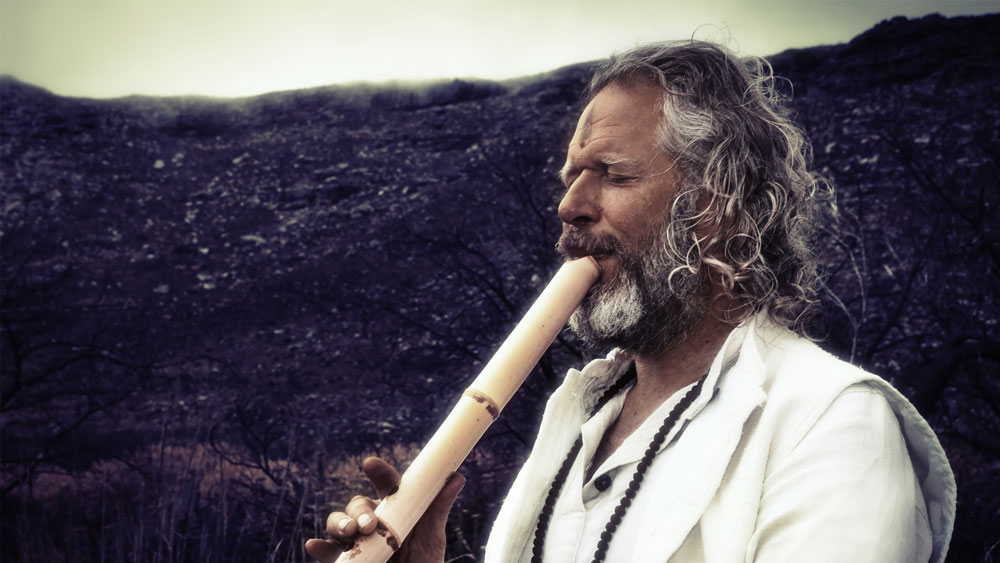
Adrian Freedman's teaching does not resemble what most people imagine when they think of music instruction. There are no scales to master, no fingering charts to memorize, no progress measured in competencies acquired. A session with Freedman—whether in retreat format, one-on-one mentorship, or group ceremony—begins with breath and ends with silence. In between, he guides participants through what he calls the "impossible simplicity" of listening: not to the shakuhachi, not even primarily to music, but to the space that sound reveals and the resistance that arises when that space is entered.

The structure of his teaching follows the contours of the honkyoku tradition he apprenticed in under Grand Master Yokoyama Katsuya. Each session has the quality of a ritual rather than a lesson. Participants may sit for extended periods with a single phrase, sometimes just three or four notes, exploring not execution but embodiment. Freedman plays, then asks others to play, but the emphasis is never on replication. Instead, he poses questions: Where does the breath originate? What are you protecting when you hold back? What would it mean to let the sound be ugly? These questions are not rhetorical. He expects students to sit with them, sometimes for weeks.

His retreats blend shakuhachi practice with seated meditation, mantra, and occasionally plant medicine ceremony, though he is careful to distinguish his role as musician and guide from that of a ceremonial leader. The shakuhachi, in his framework, is a "medicine instrument"—not metaphorically, but functionally. It works on the nervous system through breath regulation, on the psyche through the stripping away of aesthetic performance, and on what he calls "heart-mind" through its demand for presence. The teaching is rigorous in its refusal of shortcuts. There is no promise of transformation, only the invitation to meet what is.

Freedman returns repeatedly to several core themes: the relationship between breath and mind, the illusion of control in artistic practice, and the danger of spiritual bypassing in both music and meditation. He is blunt about the latter. "The shakuhachi will expose your bullshit," he has said in talks, referring to the way the instrument amplifies tension, ambition, and the desire to sound "spiritual." He insists that the path through is not more technique but less—a deliberate descent into clumsiness, into the ragged breath, into what he calls "the body's actual music."

His delivery is spare. Freedman uses story sparingly, and when he does, it is usually drawn from his years in Japan or from the Zen and plant medicine traditions he studies. He quotes sutras occasionally, but more often he quotes silence. Humor surfaces, but it is dry and unsentimental, typically aimed at puncturing pretension—his own included. He is not a charismatic teacher in the conventional sense; there is no warmth offered for its own sake. What he provides instead is clarity and an uncompromising expectation that students show up honestly.

This teaching lands most powerfully for those already familiar with contemplative practice, particularly people who have done long-term meditation or ceremony and are looking for a somatic, aesthetic dimension to that work. It also resonates with musicians exhausted by the performance treadmill, seeking a way back to why they started playing in the first place. Freedman's approach will likely bounce off those looking for technical mastery, musical credentials, or quick access to "healing music." His insistence on slowness, on not-knowing, and on the shakuhachi as a discipline rather than a skill can feel austere to the point of inaccessibility.

Within the wider teaching tradition, Freedman occupies a particular intersection. He is not a Zen priest, though his work is steeped in Zen aesthetics and philosophy. He is not a shaman, though he works in ceremony. He belongs instead to a lineage of artist-practitioners who treat their medium as a contemplative path—figures like Pauline Oliveros in deep listening, or traditional honkyoku players of the Fuke sect who saw the shakuhachi as a tool for enlightenment rather than entertainment. His synthesis of Buddhist practice and plant medicine places him in conversation with contemporary teachers navigating similar integrations, though he remains skeptical of easy syncretism.

What Freedman offers is not comfort, but rigor. Not music lessons, but an apprenticeship in listening—to the instrument, to the breath, to the parts of oneself that sound reveals and that silence refuses to let rest. It is teaching for those willing to be undone.
Adrian Freedman
AboutAdrian Freedman

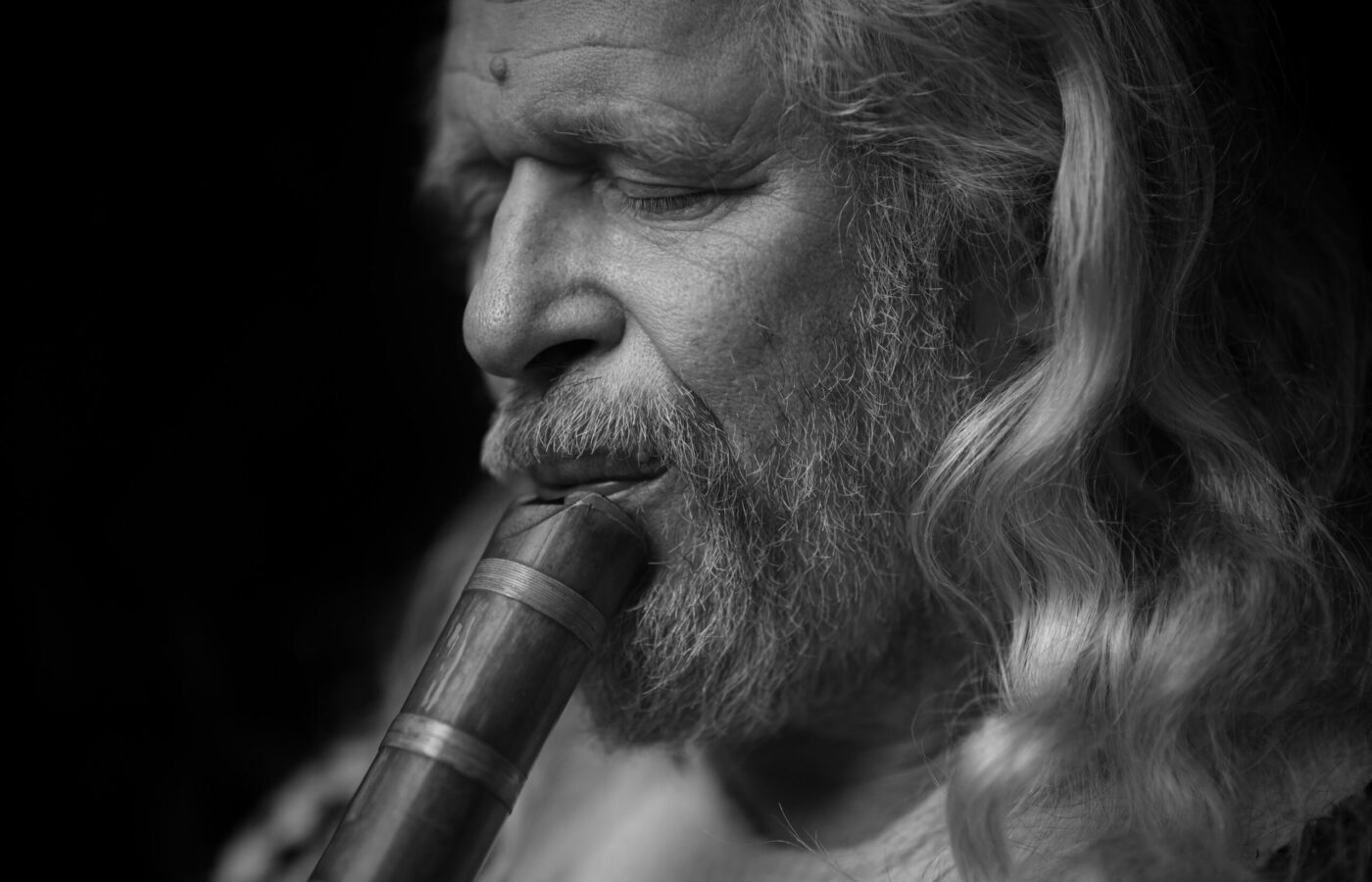
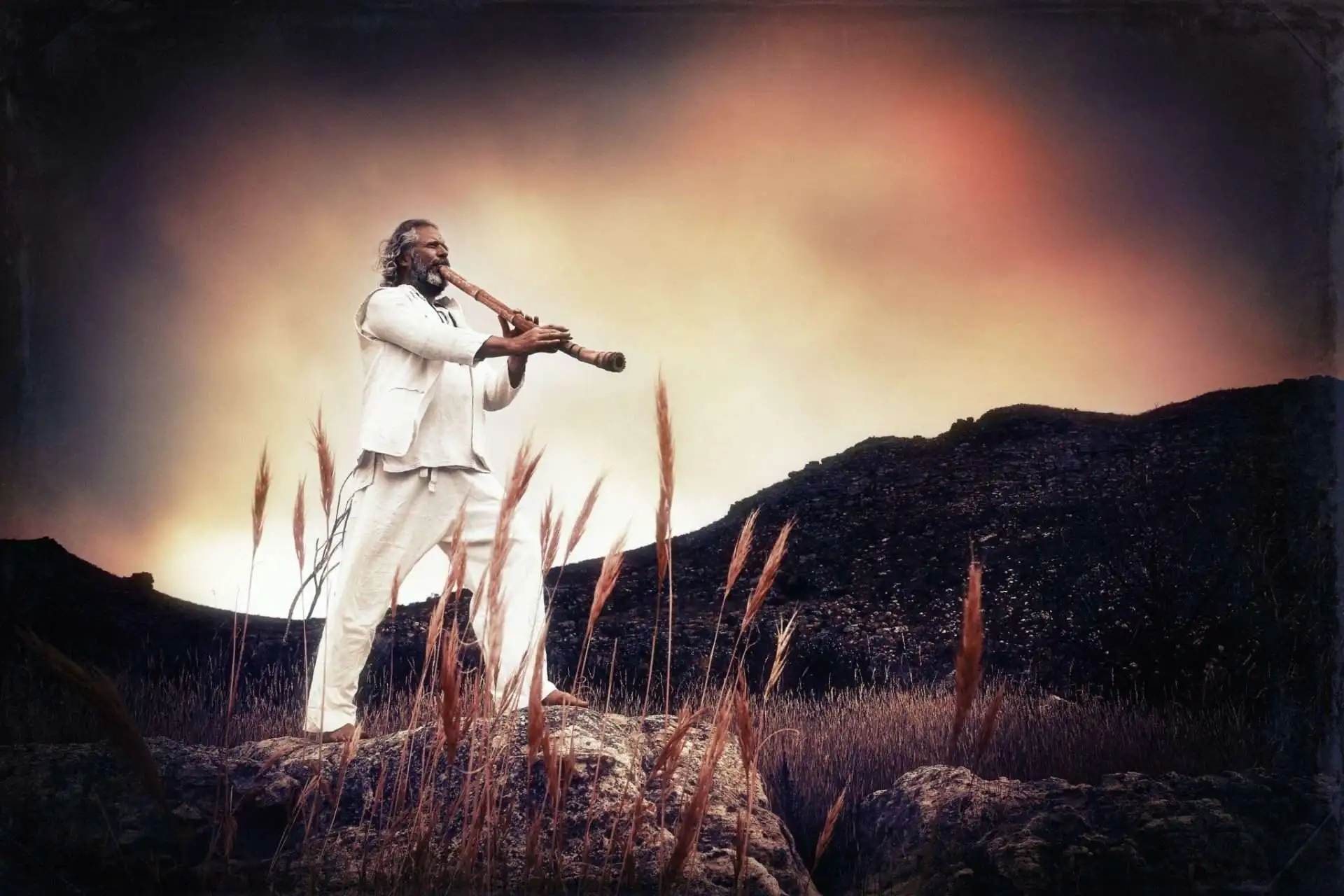
Adrian Freedman is a composer and shakuhachi player who trained for seven years in Japan under Grand Master Yokoyama Katsuya. His work blends the Japanese bamboo flute tradition wi…

View profileWebsite

Continue Reading

More about Adrian Freedman

View All
Who Is Adrian Freedman? Life, Work, and Legacy
Article

Who Is Adrian Freedman? Life, Work, and Legacy

Where to Start with Adrian Freedman: A Beginner's Guide
Article

Where to Start with Adrian Freedman: A Beginner's Guide

The Music of Adrian Freedman: Sound, Sacred Texture, and Lineage
Article

The Music of Adrian Freedman: Sound, Sacred Texture, and Lineage

Essential Adrian Freedman Albums: A Listening Guide
Article

Essential Adrian Freedman Albums: A Listening Guide

Keep exploring

Continue your journey

More wisdom and gatherings from across the BrightStar directory.

More Articles

Browse the full library of teachings, interviews, and guides.

Back to all articles →

Teachers & Artists

Explore the lineages, musicians, and guides of the conscious world.

Explore artists →

Find an Event

Kirtan, retreats, sound baths, breathwork, festivals — happening soon.

Browse events →