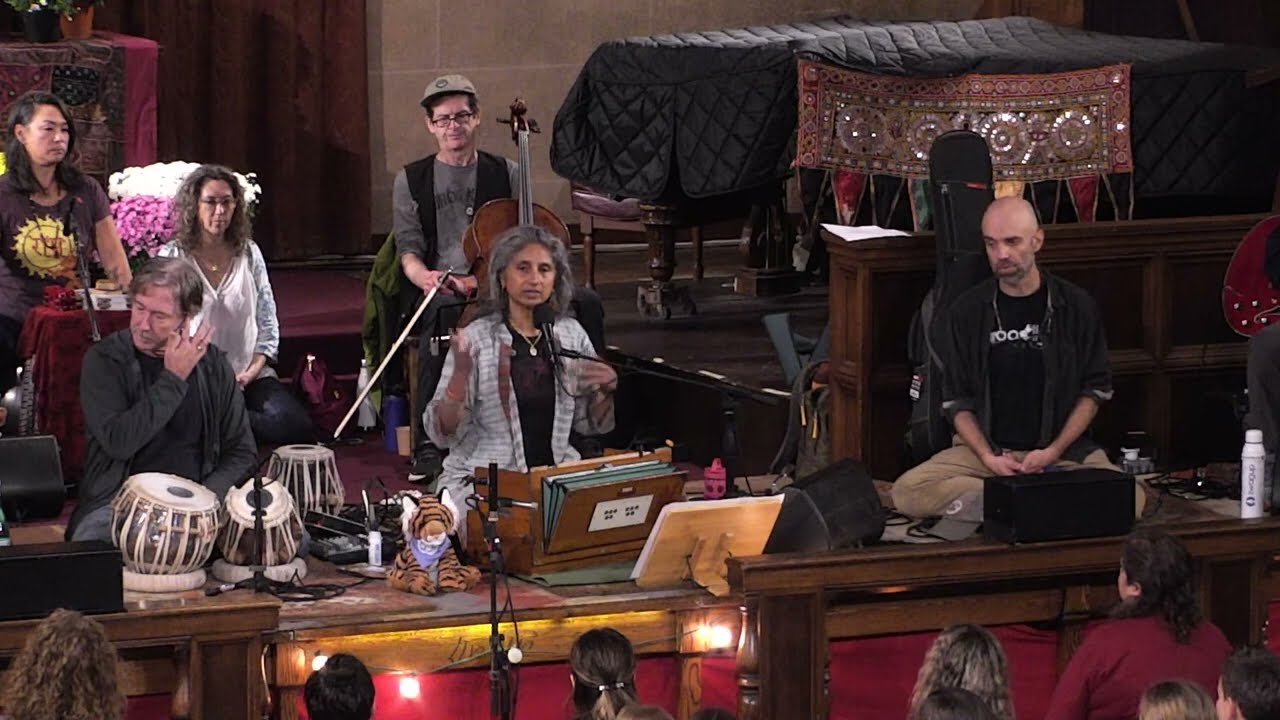
Amma's live stream for Vijayadasami, broadcast from Europe and published on her official YouTube channel on 21 October 2026, is a festival broadcast built for people who cannot be in the room. Vijayadasami closes the nine nights of Navaratri in the Hindu calendar, and a stream marked by that name places the viewer inside an old observance rather than a standalone talk. This guide explains what the festival marks, how a live broadcast of this kind is usually received, and how to follow the stream if you are watching from home. It works from the video listing and the festival's established meaning, not from a transcript of what was said on air.
Vijayadasami, sometimes spelled Vijaya Dashami, is the tenth day of the autumn Navaratri festival. The word combines vijaya, victory, with dashami, the tenth day of the lunar fortnight. Across India the day is observed as the triumph of good over evil, although the story attached to it varies by region and tradition. In many households it is associated with the goddess Durga and her victory over the buffalo demon Mahishasura. In others the emphasis falls on Rama's defeat of Ravana. What the traditions share is the sense of an ending: nine nights of worship and discipline close with a single day of celebration.
That structure is why the title of this stream matters. A broadcast timed to Vijayadasami is not simply a weekly gathering with a seasonal label. It asks the viewer to notice the arc of the festival itself, the movement from preparation through a climax of victory. Anyone who grew up with the holiday knows the rhythm. Anyone encountering it for the first time can treat the stream as a doorway into that rhythm.
For a teacher with a global following, the live broadcast solves a basic problem: distance. A festival that once meant travelling to a single ashram now reaches people in cities and villages across several continents at once. The stream is labelled "EU," which points to a broadcast originating from or aimed at European viewers, a reminder that Amma's public programmes are scheduled around the places where her community gathers.
Viewing a live stream differs from watching a recorded talk. The audience cannot pause, and it shares the moment with thousands of others watching the same feed. The published view count on this video, 17,323 at the time of indexing, shows how many people chose to take part in real time. A live event also has no edit. What happens on screen is what happens in the hall, and that immediacy is the main reason people tune in rather than waiting for a replay.
If you plan to watch, a few practical habits make the experience richer:
- Set aside the full duration of the event rather than dipping in and out, so the arc of the day can register.
- Sit with the stream without a second screen running, since festival broadcasts are easier to receive as one continuous act.
- Note the moments that surprise you. Live recordings often hold details that a summary later flattens.
- Return to the official channels afterward for any announcements about further events or updates.
The channel listing points viewers to a set of official sources for news about Amma's initiatives. These include the website amma.org, which the description presents as the place for news updates, along with her Facebook, Instagram, X, YouTube, and Telegram accounts. Relying on these official channels is the simplest way to confirm dates, find schedules for future programmes, and avoid unofficial copies of the stream that circulate with misleading titles.
Following the source matters because festival broadcasts are often re-uploaded, clipped, or captioned by third parties. An official listing, with its date and its channel name, is the reliable record of what was published and when.
The clearest takeaway is structural. Vijayadasami is a festival of completion. It marks the end of a sustained period of devotion and points toward the new beginnings that follow in the Indian calendar, including the season of learning that many traditions link to this day. A live stream timed to that moment offers a way to participate in the completion without being physically present, and to let a long-standing observance meet a modern audience on its own terms.
This article does not attempt to reconstruct specific remarks made during the broadcast, because no transcript of the stream was available to draw from. Readers who want Amma's own words should watch the recording directly on the official channel, where the teaching can be heard in full and in context rather than paraphrased.
Watch the full broadcast on Amma's official YouTube channel and note the date, 21 October 2026, against the festival calendar in your own tradition. Then follow the official accounts listed in the channel description, starting with amma.org, for upcoming programmes. If the festival is new to you, read a short history of Navaratri and Vijayadasami before the next broadcast, so the nine-night arc is already familiar when the stream begins.