BrightStar

Browse All Events

Discover conscious gatherings

events

Yoga
Meditation
Breathwork
Qigong
Tai Chi
Sacred Music
World Music
Medicine Music
Sound Healing
Ecstatic Dance
Popular Destinations
BaliSedonaLos AngelesCosta RicaNew YorkSan FranciscoAustinMiamiJoshua TreeTulum
View All CategoriesView All Destinations

Explore All Features

Powerful tools to grow your events

Platform Features

Smart Dynamic Pricing
Ticket Categories
Assigned Seating
Abandoned Cart Recovery
Visitor Recovery
Donations & Sliding Scale
Affiliate Engine
Ticket Scanner
Coupon Codes
Custom Questions
Ticket Sharing
Upsells & Add-ons
Analytics & Reporting
Email Sequences
Waitlist / Notify / Remind
People & Places
Artists & TeachersEvent OrganizersVenues & StudiosKnowledge BaseGlossaryInspiration
View All FeaturesAbout Us
PricingBlog
Language
Saved events
Browse All Events

events

YogaMeditationBreathworkQigongTai ChiSacred MusicWorld MusicMedicine Music

Popular Destinations

BaliSedonaLos AngelesCosta RicaNew YorkSan Francisco

People & Places

Artists & TeachersEvent OrganizersVenues & StudiosKnowledge BaseGlossaryInspiration

Platform Features

Smart Dynamic PricingTicket CategoriesAssigned SeatingAbandoned Cart RecoveryVisitor RecoveryDonations & Sliding ScaleAffiliate EngineTicket ScannerCoupon CodesCustom QuestionsTicket SharingUpsells & Add-onsAnalytics & ReportingEmail SequencesWaitlist / Notify / Remind
View All FeaturesAbout Us
PricingBlog
Log inFind EventsHost Events
  • Browse All Events
  • For Seekers
  • Yoga
  • Meditation
  • Breathwork
  • Qigong
  • Tai Chi
  • Sacred Music
  • World Music
  • Medicine Music
  • Sound Healing
  • Ecstatic Dance
  • Retreats
  • Workshops
  • All Categories →
  • Bali
  • Sedona
  • Los Angeles
  • Costa Rica
  • Tulum
  • Byron Bay
  • San Francisco
  • Austin
  • New York
  • San Diego
  • Denver
  • Seattle
  • Portland
  • Miami
  • All Cities →
  • Join the Movement
  • Why we list
  • Sell Globally
  • For Creators
  • For Teams
  • For Writers
  • For Teachers
  • For Kirtan Artists
  • For Studios
  • For Festivals
  • For Retreat Centers
  • For Nonprofits
  • Brand Ambassador
  • Free Ticketing
  • Elevate
  • Amplify
  • 500K+ Buyer Network
  • Abandoned Cart Recovery
  • Smart Dynamic Pricing
  • Ticket Categories
  • Recurring Events
  • Assigned Seating
  • Affiliate Engine
  • Waitlist / Notify
  • Ticket Scanner
  • Embed Widget
  • Event Syndication
  • Message Center
  • Integrations
  • Reports
  • All Features →
  • About
  • The Ecosystem
  • Blog
  • Glossary
  • Inspiration
  • Help Center
  • Contact
  • API Docs
  • Brand Assets
  • Careers
  • Press
  • Terms of Service
  • Privacy Policy

Events

  • Browse All Events
  • For Seekers
  • Yoga
  • Meditation
  • Breathwork
  • Qigong
  • Tai Chi
  • Sacred Music
  • World Music
  • Medicine Music
  • Sound Healing
  • Ecstatic Dance
  • Retreats
  • Workshops
  • All Categories →

Destinations

  • Bali
  • Sedona
  • Los Angeles
  • Costa Rica
  • Tulum
  • Byron Bay
  • San Francisco
  • Austin
  • New York
  • San Diego
  • Denver
  • Seattle
  • Portland
  • Miami
  • All Cities →

For Creators

  • Join the Movement
  • Why we list
  • Sell Globally
  • For Creators
  • For Teams
  • For Writers
  • For Teachers
  • For Kirtan Artists
  • For Studios
  • For Festivals
  • For Retreat Centers
  • For Nonprofits
  • Brand Ambassador
  • Free Ticketing
  • Elevate
  • Amplify

Features

  • 500K+ Buyer Network
  • Abandoned Cart Recovery
  • Smart Dynamic Pricing
  • Ticket Categories
  • Recurring Events
  • Assigned Seating
  • Affiliate Engine
  • Waitlist / Notify
  • Ticket Scanner
  • Embed Widget
  • Event Syndication
  • Message Center
  • Integrations
  • Reports
  • All Features →

Company

  • About
  • The Ecosystem
  • Blog
  • Glossary
  • Inspiration
  • Help Center
  • Contact
  • API Docs
  • Brand Assets
  • Careers
  • Press
  • Terms of Service
  • Privacy Policy
BrightStar
Get the app
Download on theApp StoreGet it onGoogle Play
© 2026 BrightStar. All rights reserved.
Inspiration

Gopi Gopala Kirtan: Inside the Call-and-Response Chant

Kirtan Lounge
Kirtan Lounge
Nov 12, 2019
7 min read

From KirtanLounge

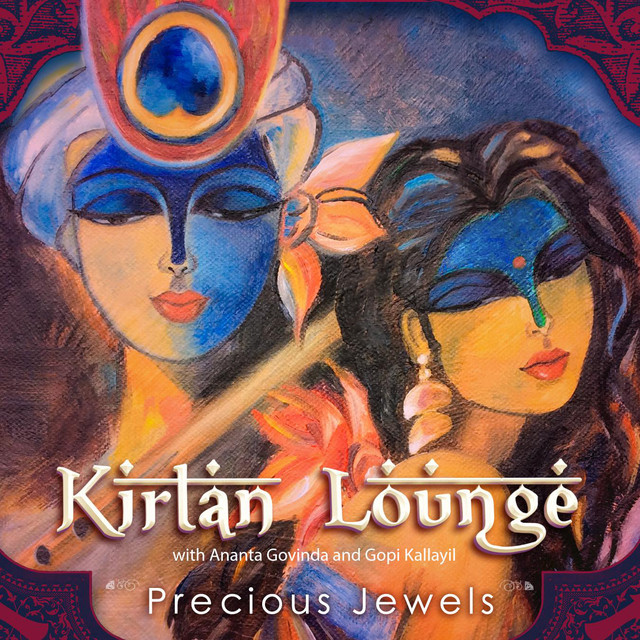
Gopi Gopala is a devotional chant from Kirtan Lounge Vol. 1, "Nectar of Devotion," a 2013 album assembled from a group of singers and instrumentalists around one simple idea: a handful of names of Krishna, sung and answered until the room settles into them. The track runs a little over eight minutes in the uploaded video, and it is a useful piece to study because the arrangement does real work. The words repeat, the call comes back as a response, and a sustained drone and steady percussion keep the whole thing anchored, so that repetition becomes the point rather than a shortcut.

Read · 6 sections

What is kirtan, and where does Gopi Gopala sit inside it?

Kirtan is devotional chanting in which a leader sings names or phrases and a group answers them. It is less a performance in the concert sense than a communal form, and its power comes from repetition: the same few syllables return again and again, and the singer and listener gradually stop tracking the words as separate ideas and begin to hear them as one sustained sound. Gopi Gopala follows that model closely. Its lyrics are short, its melodic lines are easy to pick up after a single hearing, and its structure is built to be sung back by people who have never seen the page.

That accessibility is part of the design. A kirtan like this is meant to be joined, not just heard, which is why the release credits list lead vocals, response vocals, and a range of instruments as separate roles. The recording is a finished studio object, but the form it borrows from is participatory, and the arrangement keeps that participatory logic visible.

Why does the lyric repeat so much?

The opening lines carry most of the chant's weight:

Gopi Gopala Venu Gopala
Gopi Gopala Venu Gopala Mukunda Madhava Gopi Gopala

Each line stacks names of Krishna. "Gopala" points to Krishna as a cowherd and protector of the cowherd community, and "Venu Gopala" adds the flute, since "venu" means flute. "Mukunda" and "Madhava" are further names that appear in devotional literature. The published translation in the release notes renders the opening this way:

The Flute-Playing Cowherd Boy
The One who Frees us.
Oh Lord Krishna, Oh energy of the Lord,
Please engage me in Your devotional service!

The translation is a helpful key, because it shows the chant is not only a list of titles. It moves from describing Krishna, to naming him as one who frees, to a direct appeal asking to be engaged in devotional service. A listener who reads that line alongside the repeated names hears the chant as a prayer addressed to someone, not a catalogue of attributes.

The middle section narrows the focus to a single name. "Krishna Hare Jai Krishna Hare" is sung four times in the opening run, and it echoes the widely known Hare Krishna chant. The repetition here is almost meditative: the phrase has a clear pulse, and the response voices can enter, drop out, and return without losing the line's shape.

The final verse widens the frame again. "Jai Hari Bol Jai Ram Bol" and "Hari Hari Bol Govinda Bol" are calls to speak the names aloud. The lines that follow, "Hari Aura Shankara Saba Hai Tere Nam / Saba Sukha De Do Saba Dukha Le Lo," are rendered here in plain sense as: Hari, Shankara, all of these are your names; give all happiness, take all sorrow. That last line is the emotional center of the chant. It asks for joy to be given and for suffering to be taken away, and it is sung in exactly the call-and-response shape that makes such a request feel communal.

How do the instruments hold the chant together?

The credits make the layering visible, and it is worth reading them as a map of how kirtan is built. Gopi Kallayil sings vocals and plays the tanpura. Ananta Govinda Das is credited with harmonium, piano, percussion, karatals, vocals, and the musical arrangement. Karnamrita Dasi takes lead vocals. Damjan Cirilovic plays bass guitar and adds background vocals. Mila Kronik and Irina Pastukhova provide response vocals on certain tracks of the album.

The tanpura is the foundation. It is a long-necked plucked instrument that produces a continuous drone, and in kirtan that drone is the floor the melody stands on. It does not change chords or push rhythm; it simply holds a pitch, which lets the voices move freely above it and gives the chanters a fixed point to return to. The harmonium, a hand-pumped reed instrument, typically carries the melodic and harmonic line that the leader follows, and the karatals, small hand cymbals, mark the pulse with a bright, dry sound.

Several other instruments appear across the album rather than in every track. The bansuri, a bamboo flute, is credited to John Wubbenhorst, and the flute's connection to the "Venu" in "Venu Gopala" gives its presence a direct textual resonance. The dilruba, a bowed instrument, and cello are credited to Ken Becker on specific tracks. The mridanga, a double-headed barrel drum from the South Asian classical tradition, is played by Vijay Krishna on certain tracks, and tabla by Eswar Iyer on another. Because the credits tie these instruments to particular track numbers, the listener should not assume every instrument is on every song; what they show is a palette the album draws from.

What is the best way to listen to Gopi Gopala?

The most rewarding approach is to listen for the structure before the melody. Start with the drone: notice how it stays put while the voices move, and how that stillness changes the way the words land. Then listen for the seam between the call and the response. The lead singer sets the phrase, and the response voices return it, so the chant is always partly in motion and partly at rest.

If you want to go further, try singing the response lines yourself, even quietly. Kirtan is designed for participation, and the lines are short enough that a listener can join after one or two passes. Repetition that feels tedious on a first listen often opens up on the third or fourth, once the ear stops looking for something new and starts settling into the pulse.

Where does this track fit in the wider catalogue?

The album is labeled Vol. 1, which marks it as the first installment of the Kirtan Lounge series, and the release credits point to a production partnership between Ananta Govinda and Vedic Renaissance Productions. The uploaded video was published on YouTube in November 2019 and has been viewed around 17,400 times. The description credits the 2013 recording and notes that all rights are reserved by Vedic Renaissance Productions, so anyone sharing or reusing the material should check those terms first.

Where to go from here

Listen to Gopi Gopala through once with the lyrics in front of you, then again with eyes closed and attention only on the drone. Read the translation alongside the repeated names and notice where the chant moves from describing Krishna to asking for something. For more devotional kirtan from the same source, the description points to kirtanlounge.com, and the album itself, Nectar of Devotion, is the place to hear the full range of voices and instruments that the credits describe.

Comments

Loading the conversation…

Kirtan Lounge
ArtistKirtan Lounge

Jahnavi Harrison, also known by her spiritual name, Jahnavi Jivana dasi, is a British musician known for her Hindu mantra meditation music (kirtan). She regularly appears as a pres…

View profileWebsite
Explore Topics
Gopi-gopalaKirtanCall-and-responseKrishna-chantTanpura-drone

Got Questions?

Frequently Asked Questions

The title refers to the chant's opening names for Krishna. 'Gopi' and 'Gopala' point to Krishna as a cowherd, and the published translation for the track describes him as 'The Flute-Playing Cowherd Boy' and 'The One who Frees us.'
The track repeats 'Krishna Hare Jai Krishna Hare' several times, which echoes the widely known Hare Krishna chant. Its steady repetition is typical of kirtan, where a short phrase is sung again and again so listeners can join in.
Gopi Gopala is from Kirtan Lounge Vol. 1, 'Nectar of Devotion,' released in 2013. The release credits list Karnamrita Dasi on lead vocals and Ananta Govinda Das on harmonium, piano, percussion, karatals, and arrangement.
The credits list harmonium, tanpura, karatals, percussion, and vocals, along with bass guitar, bansuri flute, dilruba, cello, mridanga, and tabla on specific tracks of the album. The tanpura provides the continuous drone that holds the chant together.
In kirtan, a leader sings a name or phrase and a group answers it, often returning the same words. This structure lets a community join in without a score, and it is why the response voices are credited as a distinct role on this recording.
Yes. The lyrics are short and repetitive, so listeners can usually pick up the response lines after one or two passes. Kirtan is designed for participation rather than performance, so quiet singing is a natural way to start.

Continue Reading

More from Kirtan Lounge

View All
Krishna Arati Kirtan: Inside Nectar of Devotion
Inspire

Krishna Arati Kirtan: Inside Nectar of Devotion

A six-minute kirtan built on a melody sung in temples for daily worship of Krishna. Here is how the Nectar of Devotion recording layers harm…

8 min read
Cacao Prayer: The Chant That Travels From Circle to Circle
Inspire

Cacao Prayer: The Chant That Travels From Circle to Circle

A close listen to Cacao Prayer, the chant that has moved from circle to circle with Bruna Bortolato and Mose. Here is how its few lines repe…

5 min read
Jaya Radhe Govinda: The Meaning Behind a Devotional Refrain
Inspire

Jaya Radhe Govinda: The Meaning Behind a Devotional Refrain

A 59-second clip from Radhika Das titled "Jaya Radhe Govinda." This piece unpacks the refrain's meaning and its place in bhakti and kirtan p…

2 min read
Harp, Bansuri and Fretless Guitar at Denver's Enchanted Garden
Inspire

Harp, Bansuri and Fretless Guitar at Denver's Enchanted Garden

A summer evening at Denver's Enchanted Garden Concert, harp and bansuri meet fretless guitar in a short live clip. Here is what the performa…

4 min read

Keep exploring

Continue your journey

More wisdom and gatherings from across the BrightStar directory.

More Articles

Browse the full library of teachings, interviews, and guides.

Back to all articles →

Teachers & Artists

Explore the lineages, musicians, and guides of the conscious world.

Explore artists →

Find an Event

Kirtan, retreats, sound baths, breathwork, festivals — happening soon.

Browse events →