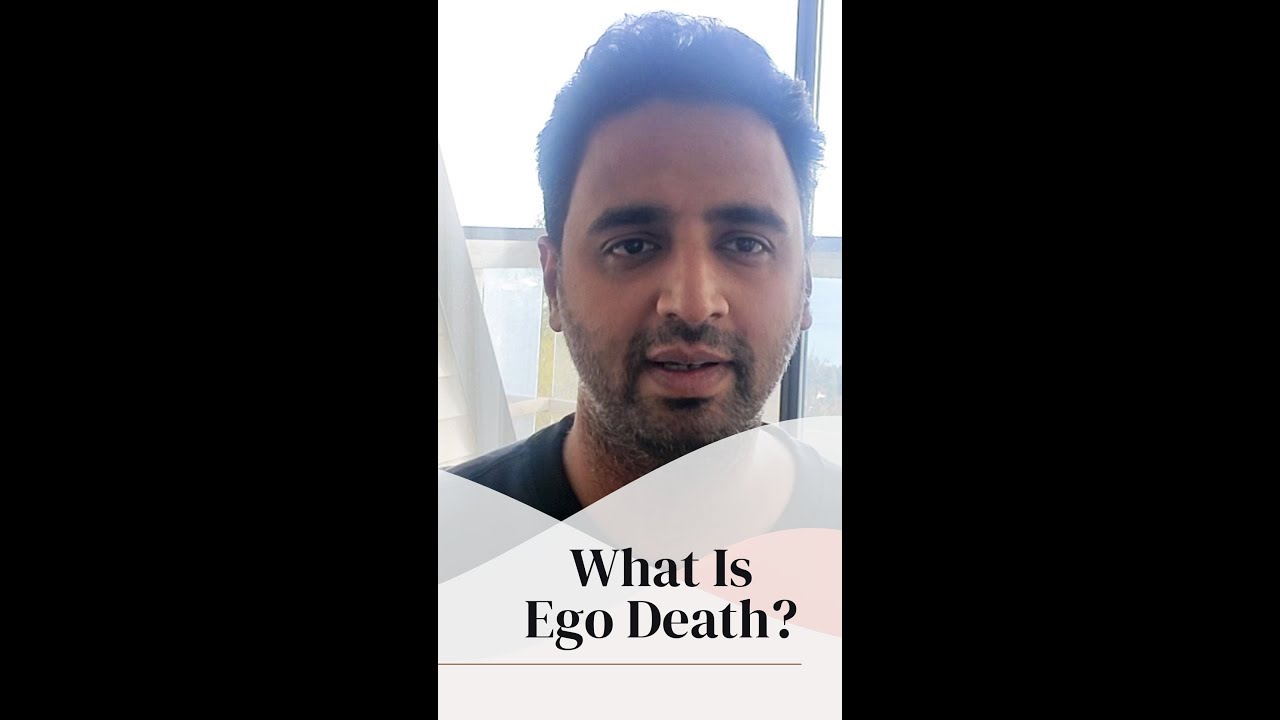
Attention-seeking is usually read as a character flaw: the person who posts too much, talks over the room, or needs to be the center of every story. In a 58-second clip, the teacher Saqib Rizvi offers a different starting point. He argues that the hunger for attention is often a cover for a lack of self-worth, a belief that one is not important or not worthy, and that this belief typically takes root in childhood.
Rizvi sketches a familiar childhood scenario. Perhaps a child experienced abandonment or abuse, or nobody gave them importance. Perhaps someone left, or there was a divorce in the family, or parents simply did not give the child attention. Perhaps classmates bullied them. In each case, he says, the child comes to feel "not important, not worthy" deep down (0:30 in the clip).
That feeling does not stay private. Rizvi describes the next step as an attempt to cover it up: showing off, and seeking attention from others (0:39). The logic underneath is a kind of proof. The person is trying to demonstrate, to themselves and to everyone else, that they are worthy.
The most useful part of his explanation is the loop it creates. As Rizvi puts it, the more unworthy a person feels, the more they try to prove their worth, and the more they show off, the more they pursue things like fame and power (0:46 to 0:51, where the clip ends mid-thought). Seen this way, the visible behavior is not the root problem. It is the compensation for an injury that the person may not consciously recognize.
This reframing matters because it changes the question. Rather than asking how to make an attention-seeker stop, it asks what unmet need the attention is trying to fill. Rizvi's framing points toward the wound beneath the behavior.
Context from his broader work: the video description presents this idea as the basis for emotional healing work, and Rizvi offers an Emotional Healing Toolkit for people who feel neglected, unimportant, or unloved. That is his own offering, described in his notes, and the clip itself does not detail how the toolkit works.
This 58-second clip is a starting point, not a full treatment of the subject. If the pattern sounds familiar, the fuller teachings on Rizvi's channel and the offerings linked from his description are the natural next step. Watching his other videos on self-worth and emotional healing will show how he develops these ideas beyond a single short.