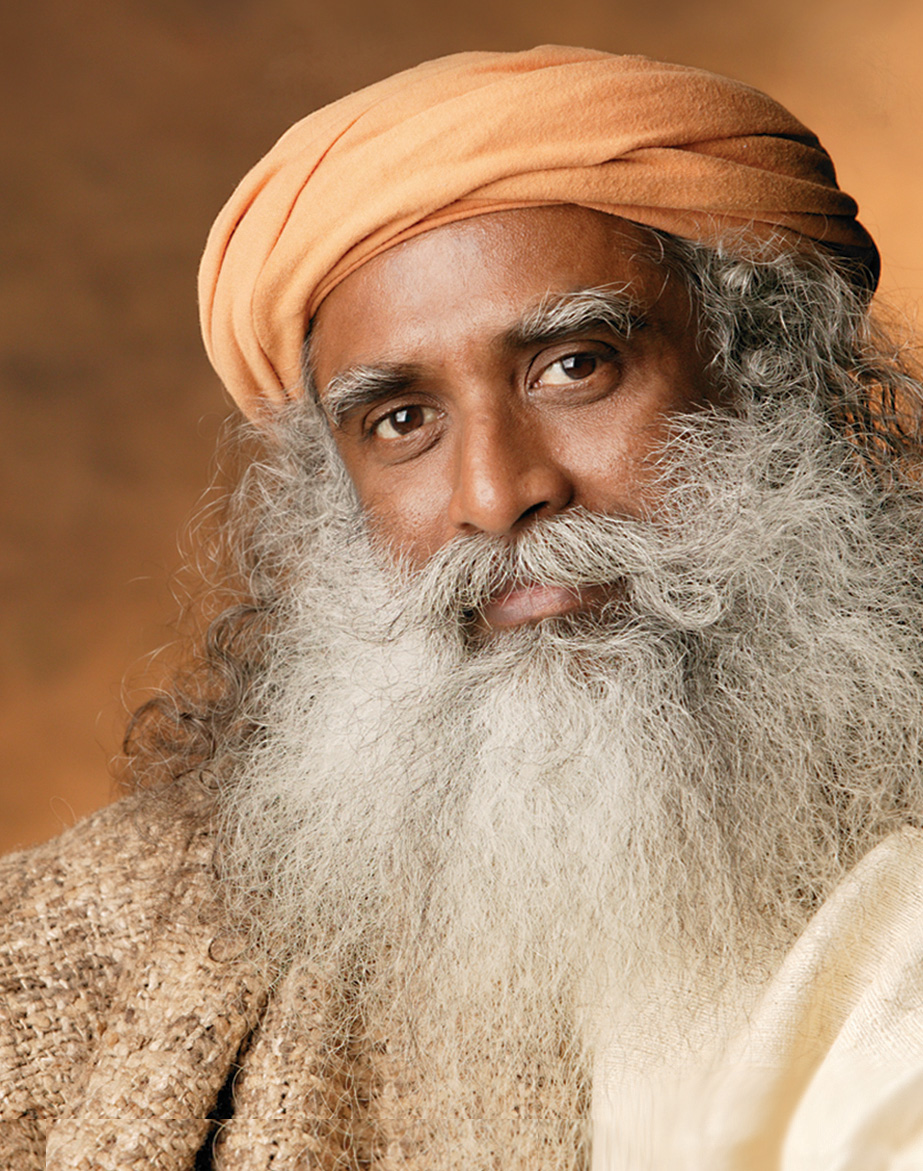
Sadhguru cuts through the spiritual marketplace clutter with a radical simplification: enlightenment has nothing to do with becoming a better person. It's about unwavering loyalty to a single quality—any quality—held steady every moment of your life. The Sanskrit principle nischala tatvam jivanmukti says it plainly: if you remain unwavering, that is liberation.
Why Consistency Trumps the Quality of Your State
The provocative move in Sadhguru's teaching is deceptively simple. He's not asking you to cultivate love, joy, or bliss. In fact, he suggests you could choose anger, hatred, or jealousy—and arrive at enlightenment anyway, provided you never waver. It's a fundamental reframing of the whole spiritual enterprise. Most traditions promise that changing your inner state—becoming "better"—is the path. Sadhguru points elsewhere: to the quality of consciousness itself, independent of its content.
"Right now the problem is it's going all over the place," he says in the video. "Every moment your loyalty is changing." The scattered mind, jumping from joy to anxiety to envy, is the real prison.
Enlightenment, in this view, isn't about transcending anger or cultivating bliss. It's about ending the fragmentation. A restless ocean remains an ocean whether its depths are shallow or deep; what matters is the stillness.
This teaching resonates across traditions in different language. Stoic philosophy spoke of ataraxia—peace through unwavering commitment to what is within your control. Sufi mysticism spoke of fana, the dissolution of the scattered self into unified presence. Tantra speaks of the one consciousness appearing as many. Sadhguru is naming the same liberation: not becoming someone else, but ceasing to be divided against yourself.
The implication is radical. Enlightenment isn't reserved for the virtuous or the pure. It's available to anyone willing to stop fragmenting their own consciousness. The price is loyalty—complete, unwavering commitment to a single quality, every moment of your life.
Where to go from here
Sadhguru's fuller teachings explore how consistency shapes consciousness. To understand how to apply this principle in daily life—and to explore the deeper mechanics of how a steady mind becomes free—his longer dharma talks and meditative practices offer the scaffolding this 60-second kernel suggests.