
Om Asatoma arrived on December 15, 2018, as a single with one track on it. That compactness is the point. Where an album asks you to move through a sequence, this release asks you to stay with a single mantra and let it work on you.
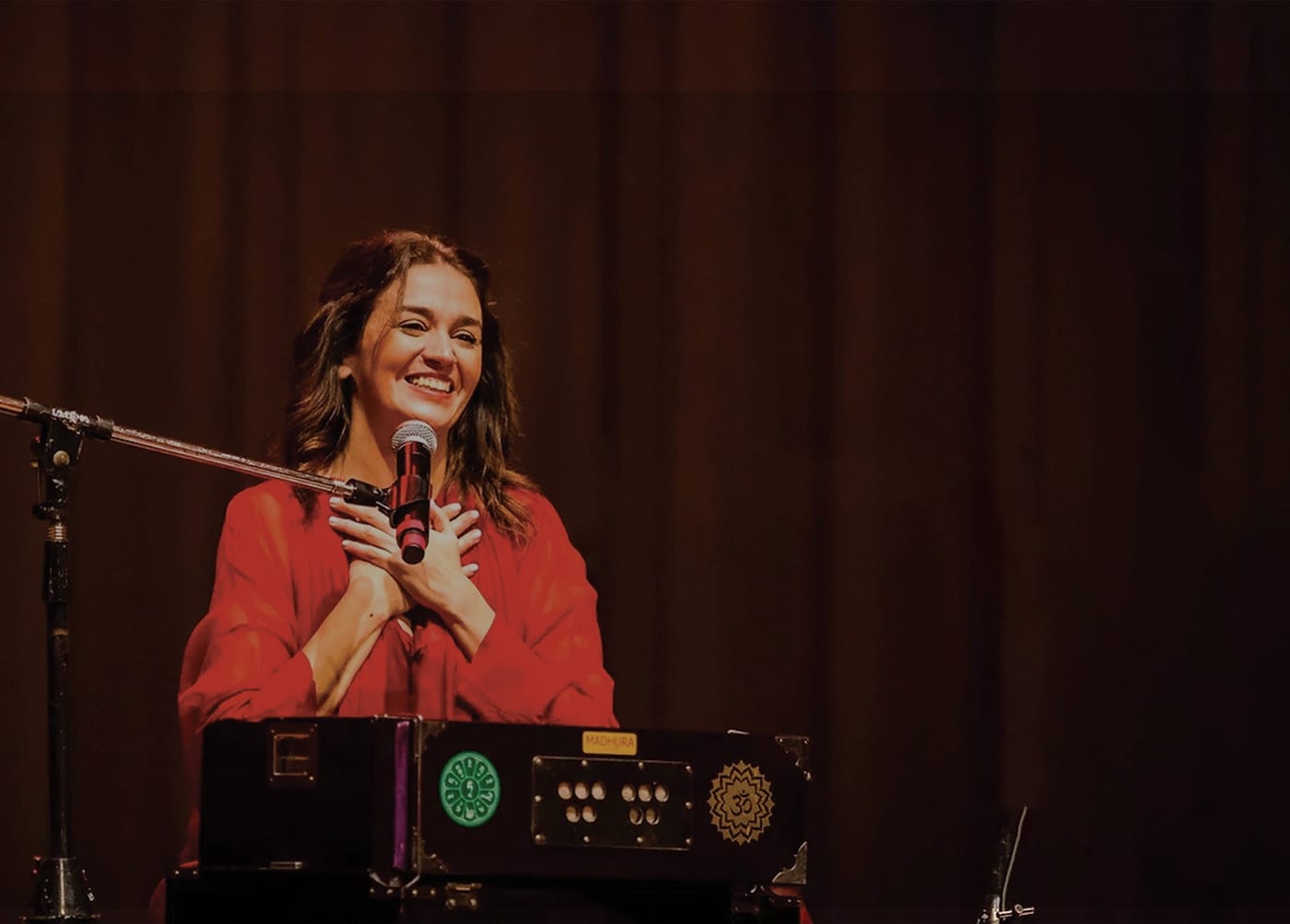
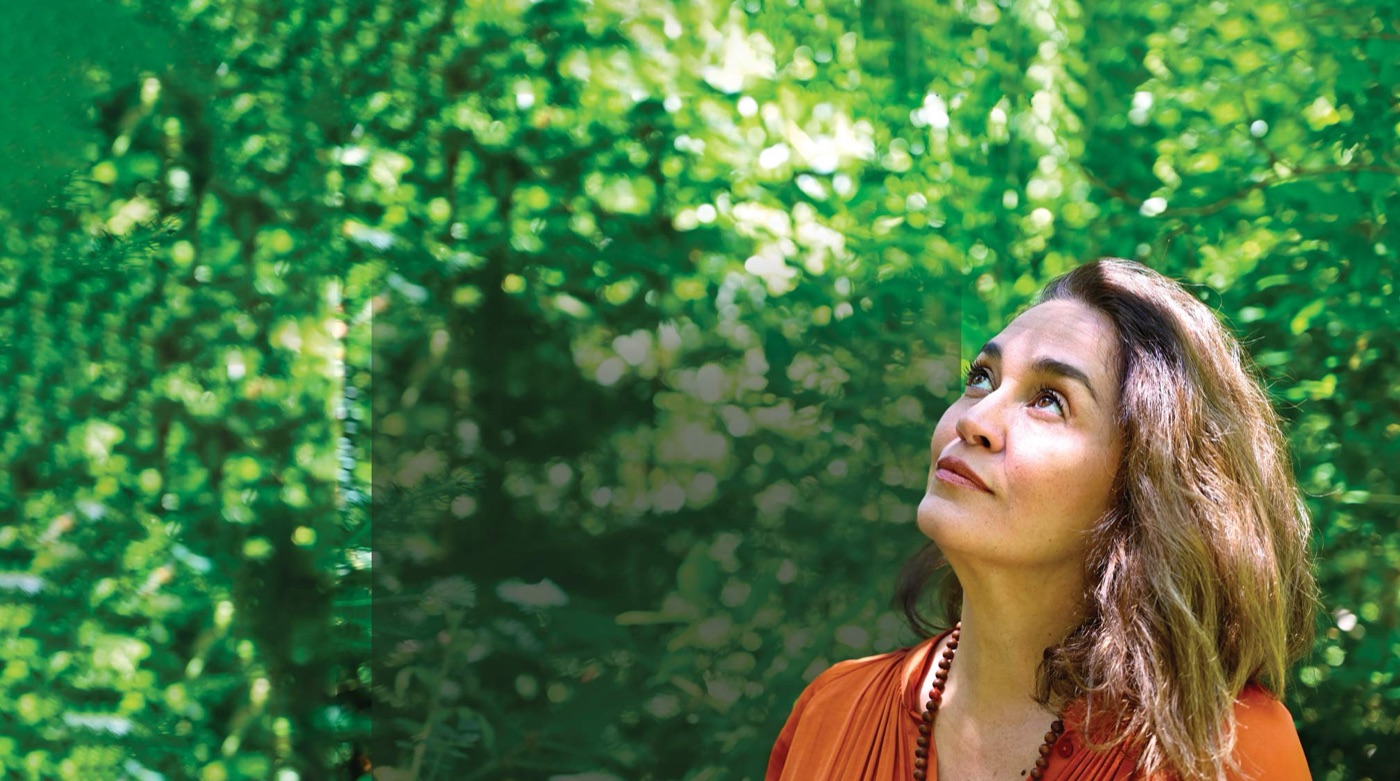
Prashanti Paz is a devotional singer, musician, writer and meditation teacher, born in Patagonia, Argentina, and now based in The Hague. She moved from a screenwriting career to full-time sacred music and teaching in 2016. Her debut album, Inner Light, followed in 2017, and Into the Heart came in 2019. Om Asatoma lands between them, in 2018, alongside another single, Om Ganapataye.
That placement matters. This is the period when she was building her catalog one mantra at a time, before the fuller album statements of her later work. It is a focused piece of the mantra practice that sits at the center of her music, not a stylistic detour.
Her voice is often described as luminous and soothing, and the broader picture of her recordings supports that: a clear alto, careful Sanskrit pronunciation, and emotional restraint rather than vocal display. Her arrangements are typically minimal, with harmonium as the main accompaniment and, on some recordings, sparse strings. I can't confirm the exact instrumentation of this particular single, so treat the description as the general character of her work rather than a track-by-track credit list.
Expect slow pacing tied to the rhythm of breath, with space between phrases that lets the syllables resonate. There is no driving rhythm section and no urgency. The mood is intimate and contemplative, closer to chamber music for chanting than to a group singalong.
There is only one, and it is the title.
"Om Asatoma" is an invocative chant, the kind of mantra meant to be repeated or used as a focal point for sitting practice. What makes it land is the match between material and approach. A mantra built on repetition rewards a singer who trusts restraint, and that is Paz's instinct. Her voice stays steady and unhurried, so the repetition deepens rather than wearies. Listen for how each phrase leaves room around it. That silence is part of the arrangement.
Paz's practice is rooted in Tibetan Buddhism, and she has trained for over two decades with teachers including H.H. the Dalai Lama, Kyabje Kalu Rinpoche, and Gyetrul Jigme Rinpoche. Yet her music is deliberately ecumenical. She was raised in an interfaith family, with a Jewish father and a Christian mother, and her catalog draws on mantras from Hindu, Buddhist, Sikh and shamanic traditions.
Om Asatoma belongs to that cross-traditional spirit. It is often filed under kirtan, but her approach differs from the call-and-response group singing the word usually implies. She offers carefully arranged solo vocal interpretations with minimal instrumentation, a more introspective version of devotional singing. Think of it as closer to solo sadhana than to a communal circle. Krishna Das, a prominent kirtan artist, has said, "I love Prashanti Paz's voice!"
This single suits the listener who wants a single point of focus: someone building or refreshing a sitting practice, or someone who has found busy, layered meditation music more distracting than calming. It also suits people in a quiet or reflective stretch of life who want a voice to keep them company without demanding anything.
It is probably not for listeners seeking high-energy group ritual, electronic textures, or ambient soundscapes where the voice recedes. Here the voice and the mantra are the center. You don't need any Buddhist or yogic background to enjoy it. The sound and repetition work on their own, though some openness to contemplative practice helps.
Give it undistracted time. Evening works well, when the day's noise has settled, and headphones will bring out the breath and the pauses between phrases. Sit comfortably, listen through once without trying to do anything, then play it again and quietly follow along, letting the repetition carry you.
Because it is a single, it is easy to loop. Letting it play several times in a row suits the nature of mantra, where the effect builds through return rather than development. If the music leaves you curious, her albums Inner Light and Into the Heart offer longer journeys through the same devotional territory.