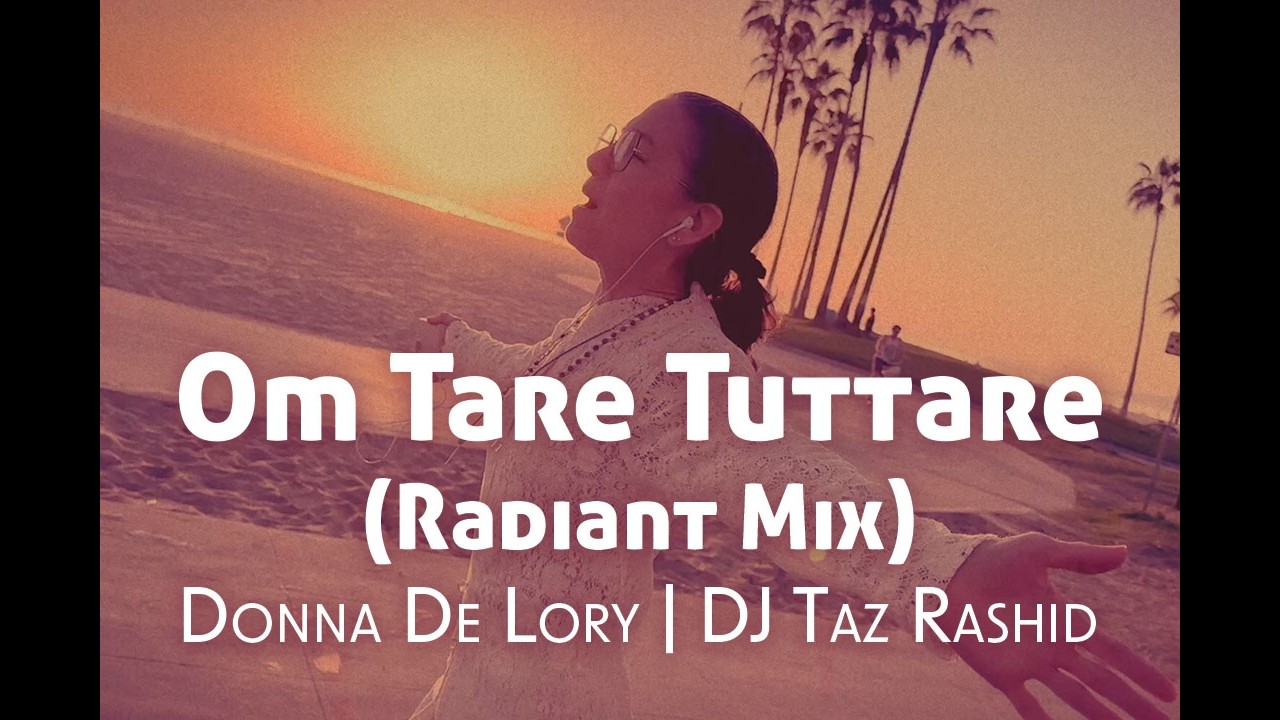
Donna De Lory's "Praying for Love" is a spiritual music piece that articulates core human needs—physical warmth, intimate connection, and the desire to transcend limitations. Through repetitive, affirmative lyrics, the song frames love-seeking as both a prayer and a declaration of vulnerability, exploring how touch, affection, and relational presence are fundamental to human wellbeing and spiritual practice.
What Does It Mean to Pray for Love?
At its heart, Donna De Lory's "Praying for Love" begins with a direct assertion of human need. The opening lyrics—"everybody needs a hand to hold / keep them warm and night to take away the cold"—establish that the desire for connection is not individual or shameful, but universal. This is a foundational acknowledgment. The song does not frame love-seeking as weakness or neediness; rather, it presents the need for physical and emotional warmth as a basic human condition that every person shares.
The prayer structure of the song—"I'll be right here praying / pray for love"—transforms yearning into a spiritual practice. By naming the seeking as prayer rather than mere desire or demand, De Lory suggests that the act of calling for love, of being open to receiving it, is itself a form of spiritual work. Prayer here is not petition to an external deity alone, but an invocation of presence and readiness. It is the speaker making themselves available, vulnerable, and intentional about what they seek.
The Physical and Sensory Language of Connection
The song grounds itself in the body's experience and need. A "good night kiss," a hand held, warmth in the night—these are not abstract virtues but tactile, sensory experiences. De Lory sings, "everybody needs a good night kiss / it's the one great thing we can't resist" [0:7-0:14]. The acknowledgment that this is "the one great thing we can't resist" does not apologize for bodily desire or emotional attachment; instead, it claims these as central to what it means to be human.
This sensory specificity matters. In spiritual contexts where love is often discussed as abstract or transcendent, De Lory keeps the focus on embodied presence—the warmth of another body, the texture of a kiss, the comfort of a held hand. This grounds the prayer for love not in fantasy or escapism, but in the real, lived experience of needing and receiving physical affection and care from another person.
Why Does the Song Emphasize Wings and Freedom?
As the song develops, the prayer shifts: "pray for love to bring me wings / to let me fly" [0:36-0:41]. Here, love is asked not just to comfort but to liberate. The image of wings suggests that the prayer for love is also a prayer for transcendence, for the ability to move beyond limitation and constraint. Love, in this framing, is not a trap or binding force—a common fear in spiritual discourse—but a source of lift and possibility.
This dual movement is significant. The song begins with basic human needs: warmth, touch, a kiss in the night. It then expands to ask for love to enable flight, growth, and freedom. This suggests that genuine human connection does not diminish the self but expands it, providing both the ground (warmth, safety) and the lift (wings, possibility) needed to flourish.
The Repetition as Affirmation and Incantation
The song's structure relies on repetition and rhythmic return. The vocal phrases loop, building in intensity: "I'll be right here praying / pray for love" [0:25-0:30] repeats and develops across the track. In many spiritual traditions, repetition—chanting, mantra, incantation—is a method of embodying intention and shifting consciousness. By returning again and again to the prayer for love, De Lory does not simply state a wish; she creates a sonic container for that wish, a space where the listener can also place their own longing and hope.
The repetition also suggests persistence. The speaker is not praying once and waiting passively. They are "right here praying"—continuously, actively, staying present with the intention. This is not desperation but commitment to the practice of remaining open to love.
Music as Spiritual Vessel
The Rick Jude Tribal Mix production choice reflects a deliberate sonic framing. The use of tribal elements in contemporary spiritual music often signals a return to ancient or primal forms of expression, a way of honoring rhythms and vocal traditions that predate modern commodification of emotion. The music itself—the production, the mixing, the layering of voice and rhythm—becomes a spiritual tool, a means of moving the listener from the intellectual understanding that "love is important" into a felt, embodied experience of longing and opening.
De Lory's voice in the track carries both strength and vulnerability. She is not performing anguish or need, but rather stating a truth with the clarity of someone who knows what they are asking for and is unafraid to ask it. The vocal tone reinforces the message: this is not weakness, but authenticity.
Where to Go From Here
If this piece resonates with you, consider exploring how the song invites you to examine your own relationship with vulnerability and connection. What does it mean for you to pray for love—not in a passive or dependent way, but as an active spiritual practice? How might acknowledging your need for touch, warmth, and human presence be reframed as a form of integrity rather than shame? You might also explore other work by Donna De Lory, who has long integrated devotional music with contemporary production, bridging ancient spiritual traditions with modern sonic language. Finally, reflect on the question the song poses: Can love—authentic, embodied, human love—truly bring us wings?