
The Spiritual Opportunity in Cultural Transformation
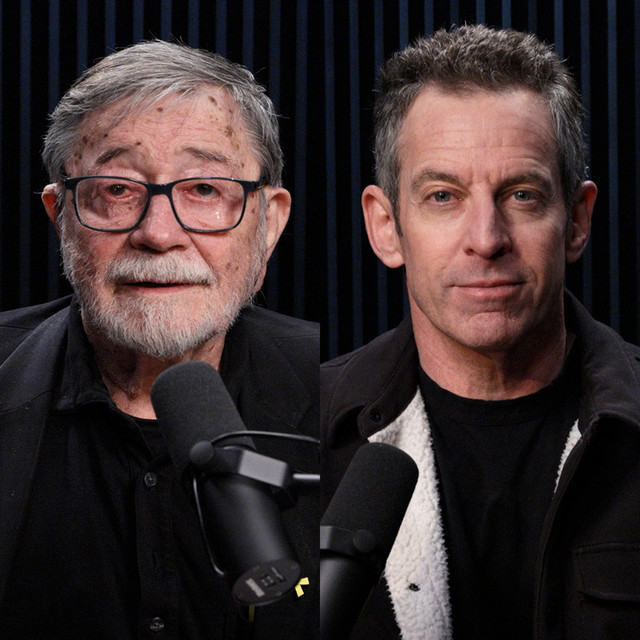
As we witness significant shifts in cultural consciousness, particularly around what's been termed 'wokeness' and identity-based ideologies, a profound spiritual opportunity emerges. The recent conversation between Sam Harris and renowned linguist John McWhorter on the Making Sense podcast offers valuable insights for those on a path of conscious living and spiritual growth.
This dialogue transcends political commentary, revealing deeper truths about how language shapes reality, how moral certainty can become a spiritual trap, and how authentic awakening requires moving beyond the limitations of identity-based thinking. For conscious individuals seeking to navigate these turbulent times while maintaining inner peace and fostering genuine unity, this conversation provides essential wisdom.
Language as a Tool for Consciousness
McWhorter's expertise in linguistics offers profound insights into how our words literally create our reality. The evolution of language around social justice, identity, and moral discourse reflects deeper shifts in collective consciousness. Understanding this connection between language and awareness becomes crucial for anyone committed to and spiritual growth.
The casual speech patterns that have emerged in our digital age, including the linguistic habits of public figures, reveal how consciousness expresses itself through communication. When we become aware of these patterns, we gain power over them, allowing us to choose words that elevate rather than divide, that heal rather than harm.
The Sacred Nature of Authentic Expression
True spiritual development requires honest self-expression free from the constraints of ideological conformity. The decline of rigid 'woke' thinking creates space for more authentic dialogue about race, identity, and social justice—conversations rooted in genuine care rather than performative righteousness.
This shift allows us to approach sensitive topics with what Buddhist traditions call 'beginner's mind'—open, curious, and free from preconceived notions. It invites us to listen deeply, speak truthfully, and engage with the complexity of human experience rather than reducing it to simplistic categories.
Moving Beyond Moral Certainty to Spiritual Wisdom
One of the most spiritually significant aspects of this cultural moment is the opportunity to transcend moral certainty—a state that often masquerades as righteousness but actually blocks genuine growth and understanding. True emerges not from absolute positions but from the humble recognition of our limited perspective.
The conversation between Harris and McWhorter illuminates how social media amplifies moral panic, creating collective hysteria that separates us from our center. For conscious individuals, this represents an invitation to practice what contemplative traditions call 'non-reactivity'—the ability to witness cultural storms without being swept away by them.
The George Floyd Legacy Through a Spiritual Lens
The societal response to George Floyd's death offers profound lessons about collective trauma, healing, and transformation. Rather than viewing this solely through political or social lenses, we can understand it as a spiritual call for genuine —not the performative kind that divides, but the authentic variety that unifies.
This perspective doesn't diminish the importance of addressing systemic issues; rather, it elevates our approach by grounding it in love rather than hate, understanding rather than judgment, and unity rather than separation.
Identity and the Illusion of Separation
The discussion of how identity shapes perceptions, particularly around complex issues like Israel-Palestine, reveals a fundamental spiritual truth: our identification with groups, causes, and positions often blinds us to deeper realities. Ancient wisdom traditions consistently point to the illusory nature of these identifications and their role in perpetuating suffering.
This doesn't mean becoming indifferent to injustice or abandoning all sense of belonging. Instead, it invites us to hold our identities lightly, recognizing them as temporary costumes rather than permanent truths. From this expanded awareness, we can engage with social issues more skillfully, driven by rather than tribal loyalty.
Conspiracy Thinking and Spiritual Discernment
The rise of conspiracy thinking reflects a deeper spiritual hunger—a desire to understand hidden truths and make sense of a chaotic world. However, true discernment differs from paranoid thinking. Spiritual discernment involves cultivating inner stillness, questioning our assumptions (including our conspiracy theories), and remaining open to multiple possibilities simultaneously.
This capacity for holding paradox and uncertainty becomes essential as we navigate an information-rich but wisdom-poor culture. It allows us to remain curious rather than certain, engaged rather than reactive.
Practical Applications for Conscious Living
How can we apply these insights to our daily spiritual practice and conscious living? The conversation between Harris and McWhorter offers several practical pathways:
Cultivating Linguistic Awareness
Begin paying attention to your own language patterns. Notice when you use words that separate rather than unite, that judge rather than understand. Practice by pausing before responding in heated discussions, choosing words that come from love rather than ego.
Embracing Intellectual Humility
Like McWhorter's willingness to reconsider his positions, cultivate the courage to change your mind when presented with new information. This intellectual humility becomes a spiritual practice, freeing us from the prison of having to be right all the time.
Transcending Binary Thinking
Practice holding multiple perspectives simultaneously without needing to choose sides immediately. This capacity for paradox reflects advanced and allows for more nuanced, compassionate responses to complex issues.
The Future of Conscious Discourse
As ideological rigidity gives way to more flexible thinking, we have an unprecedented opportunity to model conscious discourse. This involves speaking our truth while remaining open to others', addressing injustice while maintaining inner peace, and engaging with controversy while staying centered in love.
The decline of 'wokeness' as a dominant cultural force doesn't signal a retreat from caring about social issues. Instead, it opens space for more mature, spiritually-grounded approaches to creating positive change—approaches that heal rather than harm, that build bridges rather than walls.
Conclusion: From Division to Unity Consciousness
The conversation between Sam Harris and John McWhorter ultimately points toward a profound spiritual opportunity: the chance to move beyond the divisive certainties of ideological thinking toward the unifying wisdom of expanded consciousness. This shift doesn't require abandoning our values or becoming spiritually bypassing our social responsibilities.
Instead, it invites us to ground our activism in , our discourse in genuine curiosity, and our social engagement in universal love. As we navigate these cultural changes, we can serve as beacons of conscious awareness, demonstrating that it's possible to care deeply about justice while maintaining spiritual equanimity.
The death of rigid 'wokeness' may well signal the birth of something far more powerful: a consciousness-based approach to social change that transforms hearts along with systems, that heals divisions along with injustices, and that recognizes the fundamental unity underlying our apparent differences.
How will you contribute to this transformation? The choice, as always, begins with your own consciousness and radiates outward from there.
Key Takeaways
- Language shapes reality—becoming conscious of our words allows us to choose expression that heals rather than divides
- Moral certainty often blocks genuine spiritual growth and understanding
- Identity-based thinking can blind us to deeper truths and perpetuate separation
- True discernment differs from conspiracy thinking—it requires inner stillness and openness to paradox
- The decline of rigid 'wokeness' creates space for more mature, spiritually-grounded approaches to social change
- Authentic activism emerges from love and unity consciousness rather than hate and division
- Intellectual humility—the willingness to reconsider positions—becomes a powerful spiritual practice
Frequently Asked Questions
How can spiritual people engage with social justice without falling into 'woke' extremes?
Ground your activism in love rather than anger, maintain inner peace while working for outer change, and approach issues with curiosity rather than certainty. Focus on healing division while addressing injustice.
What's the difference between spiritual discernment and conspiracy thinking?
Spiritual discernment involves inner stillness, openness to multiple possibilities, and willingness to change views with new information. Conspiracy thinking tends toward rigid certainty and closed-minded interpretation of events.
How can I practice conscious communication in polarized discussions?
Pause before responding, choose words that unite rather than divide, listen deeply to understand rather than to argue, and speak from love rather than ego. Practice holding multiple perspectives simultaneously.
Is it spiritually bypassing to move beyond identity-based thinking?
No, when done skillfully. Moving beyond rigid identity attachment doesn't mean ignoring injustice or abandoning belonging—it means holding identities lightly while acting from universal love and wisdom.
How can the decline of 'wokeness' benefit spiritual growth?
It creates space for more authentic dialogue, reduces moral rigidity that blocks growth, allows for intellectual humility, and opens pathways to unity consciousness rather than divisive thinking.
What role does language play in consciousness development?
Language literally shapes our reality and awareness. By becoming conscious of our speech patterns and choosing elevated language, we can transform both our inner state and our impact on others.
How can I maintain spiritual equanimity while staying engaged with social issues?
Cultivate inner stillness through meditation and mindfulness, act from love rather than reactivity, focus on solutions rather than just problems, and remember that outer change begins with inner transformation.