

EmRiver
Singer Songwriter
About
EmRiver, the musical name of Emily Macklow, makes earthy, tribal folk music and songs meant to inspire deep connection with all that lies beneath the surface. She speaks of a wildness, an untamed energy, that is exhilarating to tap into, and of music from the heart as a way of dropping into the deepest places.
EmRiver, the musical name of Emily Macklow, makes earthy, tribal folk music and songs meant to inspire deep connection with all that lies beneath the surface. She speaks of a wildness, an untamed energy, that is exhilarating to tap into, and of music from the heart as a way of dropping into the deepest places.
Music is how she processes and makes sense of the challenges and heartaches of being alive. She has found courage and hope through its healing vibrations, and she loves to share that with others. Songs and instrumentals pour out of her regularly, as music is her main form of journaling.
EmRiver has performed, taught and created music for decades. She writes, records and performs her own songs on keyboard, guitar, flute, piano and ngoni, and has played in many bands and ensembles and collaborated with other musicians. On her song Corridors of Time she performed handpan, kalimba, piano, bass, pads and vocals, and she also produced, mixed, arranged and engineered it herself. She has taught music for decades, leads vocal ensembles, plays for mindful movement workshops, and takes listeners on sound journeys.
Her more recent work includes singles and an album of meditational instrumental music, which grew out of the value stillness and meditation have come to hold for her and is intended to bring the listener into deep tranquility. Isla Norman of muzic.net.nz wrote that EmRiver "has a distinct and recognisable sound, which comes from years of developing herself as an artist," with production that uses the natural sounds of the outdoors.

FAQ
Questions
EmRiver is the musical name of Emily Macklow, a multi-instrumentalist, songwriter and teacher whose work centers on earthy, tribal folk music and meditative soundscapes. The bio describes her songs as meant to inspire deep connection with what lies beneath the surface, and she speaks of a wildness and untamed energy that is exhilarating to tap into. Music is her main form of journaling, so songs and instrumentals arrive regularly as a way of processing hardship rather than as finished products. She has performed, taught and created music for decades, and writes, records and performs on keyboard, guitar, flute, piano and ngoni. The appeal is the pairing of a working musician's range with a teacher's interest in stillness. The catalog is small so far, which makes it easier to hear the throughline between the songs and the teaching.
The published profile does not name a lineage teacher, a specific school, or a formal tradition, so any claim about direct descent would be invention. What the record does establish is a folk orientation, since the work is described as earthy, tribal folk music, a broad tradition of songs made for communal and ritual use rather than for the stage alone. The meditation side is framed through personal practice, with stillness and meditation described as values that became central to EmRiver over time. The production approach points to a lineage of place, because the meditational instrumental work uses the natural sounds of the outdoors. The critic Isla Norman of muzic.net.nz wrote that EmRiver "has a distinct and recognisable sound, which comes from years of developing herself as an artist," which suggests the lineage is self-built rather than inherited. Anyone seeking a named tradition should treat that as an open question. Readers interested in folk lineages more broadly will find the tribal folk framing the most useful entry point.
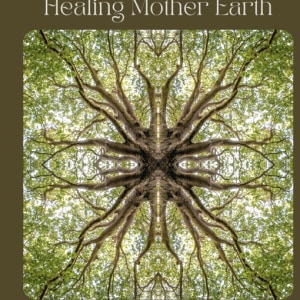
Start with "Healing Mother Earth," the 2024 single, since it is the most recent release in the catalog and gives the clearest sense of the current tribal folk direction. Then listen to "Don't Hide," the 2019 single, to hear how the songwriting voice has developed across roughly five years. After that, move to the album of meditational instrumental music, which is the best test of the meditation side of the work because it was made to bring the listener into deep tranquility. "Corridors of Time" is worth hearing on its own for the arrangement, since EmRiver plays handpan, kalimba, piano, bass, pads and vocals on it and produced, mixed, arranged and engineered the track herself. Newcomers who want the live teaching side should look at the vocal ensembles and mindful movement workshops next, though the data does not list their dates. Taken in this order, the listening path moves from song to instrumental, which mirrors how the work itself is described.
The distinctive element is the combination of songwriting, teaching and meditation practice in one person rather than a single mode. Many Singer-Songwriters record songs, but far fewer also lead vocal ensembles, run mindful movement workshops and lead sound journeys. The instrumentation is unusually broad for an artist with a meditation focus, with keyboard, guitar, flute, piano and ngoni in her own catalog and handpan and kalimba on Corridors of Time. She also handles the full production chain herself, having produced, mixed, arranged and engineered that track, so the sound is shaped by one ear rather than a studio team. Her production draws on the natural sounds of the outdoors, which sets it apart from ambient meditation music built mostly on synthesized textures. The result reads as earthy rather than ambient, closer to folk than to wellness background music.
The work is not for listeners who want high-energy, high-BPM music or a dance-floor experience, because the meditational material is built for stillness and tranquility. Listeners who need a clear lyrical hook in every song may find the tribal folk pieces slow to open, since the songs aim to drop the listener into deeper places rather than deliver a single chorus. Anyone expecting a dense, polished catalog will be disappointed, as the discography currently lists two singles. The bio references an album of meditational instrumental music that is not named or listed in the data, so it cannot be relied on as evidence of catalog depth. Those seeking a formal lineage, a named tradition or a structured course will not find them in the published record. The best fit is a listener who wants music that works as practice rather than background entertainment.
No upcoming events were crawled for EmRiver at the time of writing, so no confirmed dates, cities or retreats can be listed here. The most direct source is the official site at emrivermusic.com, which is the artist's listed website. The Spotify artist page and the YouTube channel are the other official channels in the record. Apple Music is not linked, so Spotify is currently the main streaming destination. Those interested in workshops, vocal ensembles or sound journeys should check the website directly, since teaching dates are not in the published data. Because the gap between the 2019 and 2024 singles is several years, checking back regularly is a sensible habit for anyone who wants to catch new material.
The music is earthy and tribal folk in character, with a voice that carries a wildness and untamed energy meant to open the listener toward what lies beneath the surface. On her own songs EmRiver plays keyboard, guitar, flute, piano and ngoni, and the instrumental material is oriented toward tranquility rather than conventional verse-chorus build. Corridors of Time shows the fuller palette, with handpan and kalimba sitting over piano, bass, pads and vocals. Pacing is patient, since the meditational work is designed to bring the listener into deep tranquility rather than build toward a climax. The production draws on the natural sounds of the outdoors, which gives the recordings a grounded, open-air quality that Isla Norman of muzic.net.nz described as a distinct and recognisable sound. Listeners should expect the voice to function as a means of connection rather than a showcase of technique.
The catalog in the published record is small, so the essentials are easy to list: the single "Healing Mother Earth" from 2024, the single "Don't Hide" from 2019, and "Corridors of Time," on which EmRiver performed nearly every part and produced, mixed, arranged and engineered the track herself. The bio also references an album of meditational instrumental music that grew out of her sense of the value stillness and meditation hold for her, but that album is not named in the data and is not listed in the discography, so it should be located on Spotify or the official site before being recommended. Healing Mother Earth is the most current statement of the tribal folk direction, while Don't Hide offers an earlier point of comparison. Corridors of Time is the strongest case study for self-production, since handpan, kalimba, piano, bass, pads and vocals were all brought together under one hand. Readers should not expect a long back catalog, and the strongest reason to follow the work is the consistency of its concerns across the years. The data does not date Corridors of Time, so the full discography is the place to confirm its release year.
The published record names instruments but no collaborators, so no producers, bandmates or session players can be credited from the data. EmRiver's own instrument list includes keyboard, guitar, flute, piano and ngoni, the West African lute. On Corridors of Time she also performed handpan, kalimba, bass, pads and vocals, which means the track was built largely by one musician. The bio notes she has played in many bands and ensembles and collaborated with other musicians over the decades, but those partners are not named in the material available. Her work with vocal ensembles is another place where collaboration happens, though specific group names are absent. Anyone researching session credits should check the Spotify and YouTube pages for liner notes or video descriptions. The honest answer is that the record shows a self-sufficient multi-instrumentalist rather than a roster of named collaborators.
The clearest fit is the album of meditational instrumental music referenced in the bio, which was made to bring the listener into deep tranquility and grew out of EmRiver's own relationship to stillness. Its natural-sound production suits quiet sitting, though the data does not name individual tracks or confirm yoga or ceremony use. Corridors of Time is more textured, with handpan, kalimba and pads, and may suit a slower practice, but it is not described as a meditation track. The sound journeys and mindful movement workshops EmRiver leads are the most direct live counterpart to the recordings. For ceremony, the tribal folk material carries a sense of ritual weight, but any use should be chosen by the listener rather than assumed. Listeners planning a specific practice should audition tracks before committing, since the material is not catalogued by intended use. The official site is the best place to check whether the artist describes intended uses directly.


There's more where this came from.
BrightStar is the global directory of artists, teachers, and healers in the wellness and spiritual movement. Find your next experience — or add yourself.
Discover More Artists
Browse 14,000+ curated profiles across kirtan, yoga, meditation, and beyond.
Explore directory →Find an Event Near You
Kirtan, retreats, sound baths, breathwork, ceremonies — happening this week.
Browse events →Add Your Profile
Are you an artist, teacher, or healer? Get listed — free, AI-assisted, live in minutes.
Get started →