

Eliyahu Sills
Musician
About
Eliyahu Sills is a musician who plays ney, flute, bansuri and acoustic bass. He is a featured player in The Qadim Ensemble, which draws on the music of the Middle Eastern and Mediterranean Jewish diaspora.
Eliyahu Sills is a musician who plays ney, flute, bansuri and acoustic bass. He is a featured player in The Qadim Ensemble, which draws on the music of the Middle Eastern and Mediterranean Jewish diaspora.
The ensemble's music rests on the long history of musicians from Jewish, Arab, Turkish, Greek, Armenian and Balkan communities making music together across the Ottoman Empire, Islamic Spain, the Middle East and North Africa. Rather than stressing separation, Qadim highlights the modal languages and musical vocabularies these cultures share. The instruments are largely traditional and acoustic, including oud, ney, qanun, saz, darbukkah and frame drums, often joined by upright bass.
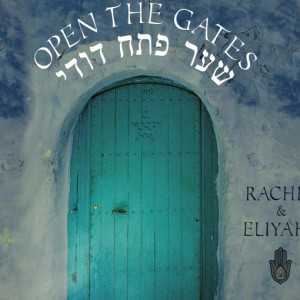
Eliyahu's work with Rachel Valfer includes Open the Gates, an album of lyrical vocals and acoustic instruments from the region. Eastern Wind moves through songs in Arabic, Hebrew, Armenian and Turkish, and reached #7 on Billboard's World Music charts. Reviewing it for NPR's All Things Considered, the critic wrote that "Eliyahu's ney flute along with Rachel's succulent vocals are stars."
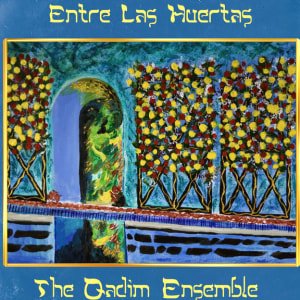
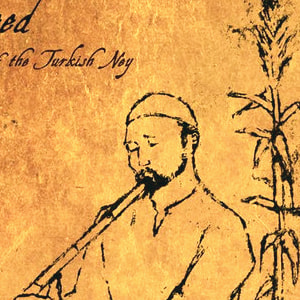
Song of the Reed offers meditations and devotional melodies on the Turkish (Ottoman) ney, the reed flute sacred to many Sufi traditions. The ensemble's most recent album, Entre Las Huertas, is a collection of Ladino songs, kantigas carried mainly through the oral traditions of Sephardic women. It was recorded mostly live, without click tracks or electronic enhancement, and favors presence over perfection.

Questions
Eliyahu Sills is a flutist and bassist who has performed for more than twenty years on Turkish, Persian, Arabic and North Indian flutes, including the ney, nai, nay and bansuri, as well as upright bass, electric bass and oud. He leads The Qadim Ensemble, the group behind five albums that critics have praised. The name carries a double meaning: Qadim is shared by Arabic, Hebrew, Farsi and Turkish and means ancient, and with the vowels altered it becomes that which will come, a framing that suits an ensemble reviving older Middle Eastern and Mediterranean repertoire for present-day listeners. Listeners care about his work largely because he is a working instrumentalist rather than a generic world-music brand, and his ney playing is the element reviewers single out most often. He collaborates with acclaimed musicians across the country, so the recordings feel like the product of a living circle of players rather than a single-artist concept. For listeners arriving from Sufi devotional music or Ladino song, his arrangements treat these traditions as ensemble music rather than as isolated curiosities.
His work belongs to the Middle Eastern and Mediterranean tradition, which the Qadim Ensemble describes as drawing on the ancient traditions of the SWANA region and the Mediterranean. Its specific roots run through Sufi devotional music, Turkish and Ottoman ney practice, and Ladino song from Sephardic communities. The ensemble's central argument, laid out on Eastern Wind, is that Jewish, Arab, Turkish, Greek, Armenian and Balkan musicians once made music together and shared modal languages that still connect their repertoires. That premise is historical rather than doctrinal, and it treats modal systems as a shared inheritance instead of the property of one nation or faith. No single teacher or master lineage is named in the record for his playing, so the most accurate way to describe his lineage is through repertoire, instrument and ensemble practice rather than a line of named gurus. Newcomers who want the historical context should listen to Eastern Wind with its song list in view, since the language shifts from Arabic to Hebrew to Armenian to Turkish within a single album.
The clearest entry point is Eastern Wind from 2009, a twelve-track album of songs in Arabic, Hebrew, Armenian and Turkish that reached number seven on Billboard's World Music charts and states the ensemble's thesis directly. Once that sound is familiar, Song of the Reed, a ten-track solo album from 2012, isolates the ney and offers meditations and devotional melodies on the Turkish Ottoman instrument, which is the most direct way to hear his core voice. Songs of Qadim from 2006 is the earlier statement of the project and shows how the approach was first framed. Listeners who prefer intimate, unpolished recordings should move to Entre Las Huertas, a 2026 collection of Ladino songs recorded mostly live with no click tracks. Open The Gates, titled Open the Gates (Sha'ar P'tah Dodi) in the bio, is a strong bridge between the ensemble work and the vocal-led Ladino records. Newcomers can treat this sequence as an arc from the broad ensemble statement to the solo instrument to the salon-style recordings.
Many ney players are known as soloists or as members of a single maqam-based group, whereas Sills moves between ney, nai, bansuri, upright bass, electric bass and oud and treats those instruments as one conversation. The bass is the notable difference, since a melodic instrumentalist who also anchors ensemble harmony gives his arrangements a grounding that flute-led recordings often lack. His recording approach on Entre Las Huertas is another distinguishing trait, favoring presence over perfection and sounding closer to a living room gathering than a polished studio product. Where many fusion projects layer Middle Eastern timbres over Western grooves, the Qadim Ensemble keeps modal logic primary and lets the accompaniment serve the melody. Collaborations with Rachel Valfer, accordionist Dan Cantrell and Arabic percussionist Faisal Zedan place his work in a cross-cultural circle rather than behind a single front-man identity. The result is a catalog that rewards repeated listening over a first impression of exoticism.
His work is not built for listeners who want high-BPM dance music, driving percussion, or the arc of a conventional pop song with a chorus that returns on schedule. Modal improvisation on ney and bansuri moves slowly, and the Ladino songs with Rachel Valfer depend on a singer's phrasing rather than a hook. Listeners who expect Sanskrit chant or Hindu devotional recitation should note that the bansuri is North Indian, but the project's center of gravity is the SWANA and Mediterranean repertoire rather than South Asian sacred practice. Those seeking ambient background for focus may find the breathy ney too present, because the recordings ask for attention. Fans of percussion-heavy Turkish or Arabic pop will find the Qadim catalog more austere than they expect. The honest audience for this work is listeners interested in modal improvisation, ethnomusicology, and the history of Mediterranean musical coexistence.
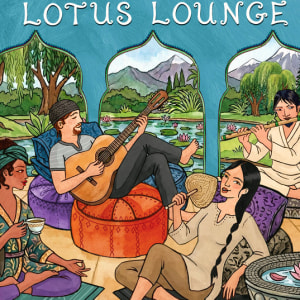
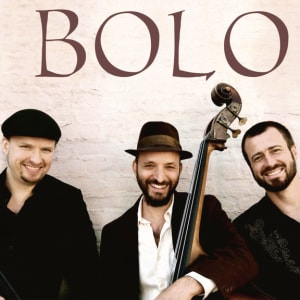
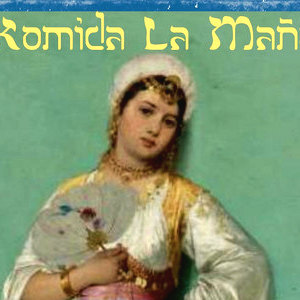
The most reliable channel is the official site at eliyahusills.com, whose music page serves as the canonical source for the discography. Spotify, Apple Music and YouTube each carry his catalog, so following the artist profiles on those platforms will surface new singles as they arrive. Recent releases include BOLO (Remastered) in January 2026, En La Mar in March 2026, La Komida La Mañana and Lotus Lounge by Putumayo in May 2026, and Entre Las Huertas in August 2026. The current BrightStar crawl did not return any dated upcoming events for him, so tour announcements, if they exist, will need to be checked directly on his website. Because his collaborators include singer Rachel Valfer and the ensemble members, their own announcements may also mention his appearances. Reviewing the release dates in his discography is a practical way to gauge how often new material arrives.
His sound sits where modal Middle Eastern and Mediterranean music meets chamber-scale restraint, with the ney's breathy, unevenly voiced tone usually carrying the melody. Arrangements are sparse: bansuri and ney trade lines, acoustic bass or oud supplies harmonic footing, and Arabic percussion from Faisal Zedan on Entre Las Huertas adds pulse without driving the tempo. On the Ladino recordings Rachel Valfer's singing sits at the center, and Dan Cantrell's accordion brings a salon-era color to the arrangements. NPR's All Things Considered praised Valfer's succulent vocals alongside Sills's ney on Eastern Wind, which captures the balance between voice and reed. The pacing is unhurried and phrase-based rather than groove-based, so newcomers often hear long stretches as static until they learn to follow the mode. The aesthetic is restraint, not exuberance, and the live-recorded takes keep breath, slight intonation shifts and room sound.
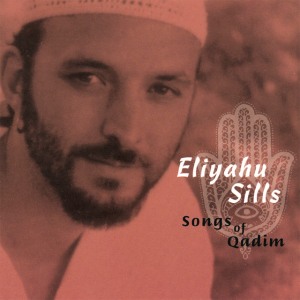
The essential records are Eastern Wind (2009) for the ensemble's thesis, Song of the Reed (2012) for the solo ney, and Entre Las Huertas (2026) for the live-recorded Ladino work. Songs of Qadim (2006), at seven tracks, is the earliest title in the discography and documents the project before its later statements. Open The Gates (2025), recorded with Rachel Valfer, is essential for anyone who wants the Ladino and Hebrew repertoire in a more focused setting than the full ensemble albums. The 2026 remastered edition of BOLO and the singles En La Mar, La Komida La Mañana and Oseh Shalom are useful as recent snapshots, though they offer less context than the full albums. Eastern Wind is the record most often cited in outside coverage, and Song of the Reed is the one to return to for a ney-centered study. Anyone choosing only one album should begin with Eastern Wind.
Sills plays ney, nai, nay, bansuri, upright bass, electric bass and oud, and across the discography he switches between them according to the repertoire. Rachel Valfer is his most consistent named collaborator, appearing with him on Open the Gates (Sha'ar P'tah Dodi) and Entre Las Huertas, where she sings and plays oud. Dan Cantrell plays accordion on Entre Las Huertas, adding a European salon color to Ladino material that originated in Sephardic communities across the Mediterranean. Faisal Zedan contributes Arabic percussion to the same album, keeping the rhythm inside the modal framework rather than turning it into a dance groove. The Qadim Ensemble draws on the wider circle of acclaimed musicians Sills works with across the country, though the data available here does not list every player by album. The mix of reed flute, bansuri, bass and oud is what separates his palette from a standard world-music quartet.
Song of the Reed is the most direct answer, since its ten tracks offer meditations and devotional melodies on the Turkish Ottoman ney, the reed flute sacred to many Sufi traditions. Its unhurried phrasing and lack of percussion make it a natural fit for seated practice, breath-led stretching, or a quiet ceremonial opening. Eastern Wind works better for group ceremonial listening where a room needs a shared arc, because its shifts across Arabic, Hebrew, Armenian and Turkish songs give listeners something to follow. Entre Las Huertas is closer to a salon recording, so it suits a gathering or an evening listen more than silent meditation. The available data does not include track-level tempos or timings, so yoga teachers should audition individual tracks before building a sequence around them. The Ladino songs with Rachel Valfer carry lyrics that many practitioners will not understand, which can deepen a meditation but can also pull attention toward language.


Is this you? Claim this page ›
There's more where this came from.
BrightStar is the global directory of artists, teachers, and healers in the wellness and spiritual movement. Find your next experience — or add yourself.
Discover More Artists
Browse 14,000+ curated profiles across kirtan, yoga, meditation, and beyond.
Explore directory →Find an Event Near You
Kirtan, retreats, sound baths, breathwork, ceremonies — happening this week.
Browse events →Add Your Profile
Are you an artist, teacher, or healer? Get listed — free, AI-assisted, live in minutes.
Get started →