Listen
Listening Journey
Sound Journey
Discography
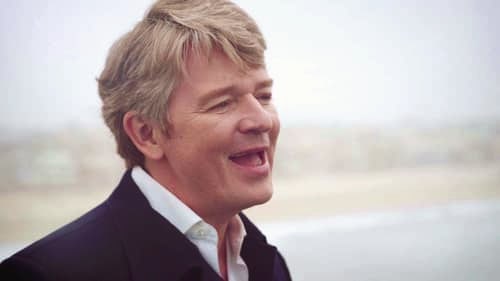

Musician
Thomas Barquee was born in the United States and grew up in a musical family that fostered his early interest in sound and spirituality. His journey into music began at a young age, where he was exposed to various genres and instruments. This diverse musical upbringing laid the foundation for his later explorations into the realms of healing and meditation through sound. As he matured, Barquee sought to deepen his understanding of music's transformative power, leading him to study various spiritual traditions and practices that would shape his artistic path.
Thomas Barquee was born in the United States and grew up in a musical family that fostered his early interest in sound and spirituality. His journey into music began at a young age, where he was exposed to various genres and instruments. This diverse musical upbringing laid the foundation for his later explorations into the realms of healing and meditation through sound. As he matured, Barquee sought to deepen his understanding of music's transformative power, leading him to study various spiritual traditions and practices that would shape his artistic path.
Barquee's work primarily revolves around creating soundscapes that facilitate deep meditation and healing. He has released several albums that blend ambient sounds with traditional instruments, aiming to create an immersive experience for listeners. His music often incorporates elements of world music, reflecting his diverse influences and experiences. In addition to his recordings, Barquee conducts workshops and sound healing sessions, where he shares his knowledge of how sound can be used as a tool for personal transformation and spiritual growth. His unique approach combines musical artistry with therapeutic practices, making his work accessible to a wide audience.
Influenced by a variety of spiritual traditions, Barquee draws inspiration from Eastern philosophies, particularly those related to sound healing and meditation. He has studied with various teachers and has been influenced by the teachings of Tibetan Buddhism and other mystical traditions. This rich tapestry of influences informs his music, which often seeks to bridge the gap between the physical and spiritual realms. Barquee's understanding of sound as a healing modality is rooted in these traditions, allowing him to create music that resonates on multiple levels, both emotionally and spiritually.
Today, Thomas Barquee stands out as an important figure in the realm of sound healing and spiritual music. His ability to blend musicality with therapeutic intent has garnered him a dedicated following among those seeking solace and healing through sound. In a world increasingly filled with noise and distraction, Barquee's work offers a sanctuary for individuals looking to reconnect with their inner selves. His contributions to the field of sound healing continue to inspire others to explore the profound effects of music on the human experience, making him a vital voice in contemporary spiritual practice.
Listening Journey
Discography
Worth Knowing
Thomas Barquee is a sound healer and spiritual musician working at the intersection of ambient soundscapes, traditional instruments, and Eastern spiritual practice. Since the early 2000s, he has built a catalog of recordings—from *The Sound of Om* (2003) through his recent *Melodiya* (2024)—that treat sound as a modality for meditation and healing rather than entertainment. His appeal lies in a rare combination: he's classically trained enough to compose with intention, spiritually grounded enough to understand the traditions behind his work, and pragmatic enough to know that listeners want functional music for their meditation practice, sleep cycles, and yoga sessions. Unlike ambient producers who chase atmospheric abstraction, Barquee works within specific healing frameworks—crystal singing bowls on *Celestial Sleep*, piano-based relaxation on *Lullaby*, devotional structures on albums like *Heart of Compassion*. His following consists primarily of meditation practitioners, yoga teachers, and listeners seeking music that doesn't distract but deepens their inner work. In a streaming landscape drowning in generic spa music, Barquee's work stands out because it's built on study, not formula.
Barquee's practice is rooted in Eastern spiritual traditions, particularly Tibetan Buddhism and sound healing modalities that view vibration as a vehicle for transformation. His biography notes formative study with various teachers across mystical traditions, though his work doesn't advertise a single lineage—instead, it synthesizes. The album titles alone signal his influences: *The Sound of Om* invokes Hindu and yogic traditions centered on sacred sound; *Kundalini: Rise of the Soul* engages classical tantric frameworks about energy activation; *Temple* and devotional records like *Missa* and *Heart of Compassion* draw from contemplative prayer traditions across cultures. What unites these references is a shared understanding that sound isn't merely aesthetic but vibrational medicine—a principle central to both Tibetan bowl work and Indian Nada Yoga. Barquee's diverse musical upbringing in a creative American household, combined with his deep study of these traditions, positions him outside any single guru-lineage but firmly within the contemporary global sound-healing movement that has absorbed and integrated Eastern frameworks. His work appeals to practitioners across traditions because it respects the underlying principles rather than requiring formal initiation.
Start with *Moments of Grace* (2016), a 12-track album that exemplifies Barquee's mature approach—it's neither aggressively experimental nor overly familiar, making it an ideal entry point for listeners new to his sound. If you're specifically seeking sleep or deep relaxation, *Lullaby: Healing Piano Music for Relaxation and Deep Sleep* (2015) is immediately functional; the piano-based compositions are direct and emotionally accessible, requiring no background in meditation or spirituality to land. For those drawn to the sound-healing dimension specifically, *Celestial Sleep (Healing Sound for Rest and Relaxation with Crystal Singing Bowls)* (2020) delivers the visceral experience of Tibetan bowls—transparent, spacious, and designed to quiet mental chatter. If you want a broader survey, his 2019 compilation *My Best Of* collects 21 tracks across his career and gives a sense of his range without demanding a deep dive. The album *The Works* (2015, 16 tracks) also functions as an accessible sampler. Avoid starting with *Kundalini: Rise of the Soul* or *The Sound of Om* unless you're already comfortable with devotional or mantra-based music—these records assume you've sought them out deliberately, not stumbled upon them by recommendation.
Most contemporary sound healers fall into one of two camps: either they're instrumentalists playing traditional tools (Tibetan bowls, gongs, hang drums) with minimal compositional intention, or they're producers layering ambient textures without grounding in actual healing practice. Barquee works in both modes simultaneously, which is rare. His albums demonstrate genuine compositional skill—melodies and harmonic progressions that satisfy musically, not just sonically—while remaining rooted in traditions where sound has therapeutic purpose. Where many sound-healing records feel designed for background consumption at a spa, Barquee's work respects the listener's intelligence; *Kundalini: Rise of the Soul* and *Missa* aren't apologetic about their spiritual framework. He also resists the trap of sonic monotony; his discography spans piano, strings, world instruments, and electronic textures, all organized around the same healing intention rather than scattered across diluted genres. His prolific output—15 albums since 2000—shows an artist who has sustained serious practice and experimentation, not someone who recorded one meditation album and now licenses it endlessly. Most importantly, Barquee maintains a working distinction between music for different purposes: sleep albums, yoga albums, devotional albums, and ambient pieces aren't all bundled under the same generic 'healing' banner.
Barquee's music is fundamentally anti-stimulation, which immediately disqualifies it for listeners seeking emotional intensity, rhythmic drive, or intellectual engagement. If you're looking for high-BPM electronic music, complex jazz harmony, or compositions that demand active listening—you'll find his work unbearably slow and sparse. His devotional records like *Missa*, *Heart of Compassion*, and *The Sound of Om*, while musically coherent, lean heavily into spiritual language and sacred frameworks that will feel either earnest or cloying depending on your relationship to organized spirituality; secular listeners or those skeptical of Eastern traditions may find the lyrical content and album concepts alienating. Similarly, his recent work *Melodiya* (2024) and classical albums like *Living Room Concerts* (2006) won't satisfy listeners who want production polish or mainstream songcraft—they're intimate, sometimes sparse, prioritizing space over density. If you're drawn to sound healing primarily for its physical science angle and want music grounded in neuroscience rather than spiritual tradition, Barquee's recordings will feel overly mystical. Finally, his catalog is massive and historically scattered across many platforms; listeners frustrated by inconsistent streaming availability or those seeking a linear artistic arc will struggle to construct a coherent narrative from his discography. He's a musician for a specific listener: one seeking genuine silence, spiritual context, and music that doesn't compete for attention.
*The Sound of Om* (2003) remains foundational—his earliest widely available work, it establishes the devotional and mantra-based framework that runs through much of his practice. *Kundalini: Rise of the Soul* (2015) is essential for understanding his engagement with tantric and yogic philosophy; it's more adventurous harmonically than his later, more minimalist work. *Lullaby: Healing Piano Music for Relaxation and Deep Sleep* (2015) is his most immediately functional album—if you're seeking one record for sleep or deep rest, this is it. *Moments of Grace* (2016) represents his mature balance of compositional craft and healing intention; it's neither too austere nor too decorative. *Celestial Sleep (Healing Sound for Rest and Relaxation with Crystal Singing Bowls)* (2020) is essential if you want to experience his work with the specific vibrational tool of singing bowls—this single release distills that practice. *Melodiya* (2024), his most recent, shows an artist still working seriously, not resting on past catalogs. For those wanting a survey without committing to full albums, *My Best Of* (2019, 21 tracks) spans his career effectively. Avoid treating *The Works* (2015, 16 tracks) as a substitute for full albums; it's a sampler that works best alongside deeper dives. Each album serves a distinct functional purpose, so choosing depends on your current need: sleep, meditation, devotion, or general healing work.
Yes, with clear functional divisions. For seated meditation practice, *The Sound of Om* (2003) and *Temple* (2000) are purpose-built; they employ sustained tones, minimal melodic variation, and devotional frameworks designed to anchor attention and deepen absorption. *Heart of Compassion* (2002) works similarly, with an emphasis on opening the chest and heart center. For yoga, particularly restorative or yin classes, *Moments of Grace* (2016) and the *Slow Music for Yoga* compilation (2002) are explicitly structured for that purpose—they move slowly enough not to rush transitions, hold enough harmonic interest to support deeper breathing, but remain emotionally spacious. *Kundalini: Rise of the Soul* (2015) suits more energetic or vinyasa-influenced practices that still prioritize inward focus over excitement. For sleep and rest, *Lullaby* (2015) and *Celestial Sleep* (2020) are the direct choices; they're engineered for the downregulation of nervous system activity. For ceremony or group sound-healing work, *Missa* (2002) functions as a devotional framework that allows participants to gather around shared intention, while his albums with singing bowl work are suited to group sound-bath settings. His compilation *My Best Of* contains tracks across these categories, making it useful for teachers assembling playlists. The functional clarity of his albums—many titled explicitly for their purpose—reflects an understanding that meditation music and sleep music serve different nervous-system states and shouldn't be conflated.
Barquee's catalog spans from 2000 to 2024—24 years of consistent release—with 15 albums and several compilations, making him one of the most prolific contemporary sound healers. His early work (2000–2003) established his core language: *Temple*, *Heart of Compassion*, *Missa*, and *The Sound of Om* are devotional and spiritually explicit, drawing from specific traditions. A productive mid-period (2012–2016) saw compositional diversification—*Butterfly Collection* (2012), *Lullaby* (2015), *The Works* (2015), *Kundalini: Rise of the Soul* (2015), and *Moments of Grace* (2016) demonstrate his range across piano, ambient texture, world instruments, and devotional frameworks. A relative slowdown in 2017–2019, followed by *Celestial Sleep* (2020) and then *Melodiya* (2024), suggests an artist who releases intentionally rather than compulsively. What's notable is that he hasn't abandoned early stylistic commitments; he doesn't reinvent himself every few years chasing trends. Instead, his work deepens—early albums are exploratory, later albums more refined and economical in their means. The titled specificity of later albums (*Lullaby* for sleep, *Celestial Sleep* for bowls) suggests growing clarity about functional purpose. No major label backing or mainstream recognition appears to drive his output; this is a working artist serving a dedicated meditation and healing community, releasing consistently because the work itself justifies it.
Barquee's full discography is available on Spotify (accessible via his artist profile at https://open.spotify.com/artist/7GrCgZi7OhUFKAoEWF28GH), Apple Music (https://music.apple.com/us/artist/thomas-barquee/69898744), and YouTube (his channel at https://www.youtube.com/channel/UCewe6NCWe4qbARLF6SUqqAQ). These platforms offer the easiest entry for exploring his albums without purchasing. His official artist website through Spirit Voyage (https://www.spiritvoyage.com/artist/thomas-barquee) likely offers direct purchase and download options, supporting him more directly than streaming platforms. Spirit Voyage is a legitimate distributor specializing in sacred and spiritual music, which suggests Barquee's work is professionally distributed rather than self-released through bedroom uploaders. For those seeking physical media (CDs), availability will vary; older albums may be limited, though services like Discogs sometimes carry used copies. YouTube offers complete albums for free streaming, making it a viable way to audition his work before committing to purchase. Given his Spotify visibility and the breadth of his catalog across major platforms, there's no need to hunt for rare bootlegs—his music is legitimately accessible through standard channels. If you're building a collection for offline meditation work (for retreats, recording studio libraries, or airplane mode listening), purchasing through Spirit Voyage or Apple Music's offline feature ensures you have reliable access without stream dependency.
Barquee's biography explicitly states he was born in the United States and grew up in a musical family where sound and spirituality were fostered from childhood—this foundation shaped everything that followed. Unlike many sound healers who came to music later or accidentally, Barquee had early exposure to diverse genres and instruments, which accounts for the technical competence visible across his albums; he didn't need to learn composition through trial-and-error or borrow from templates. His diverse musical training explains why his work avoids the trap of New Age monotony—he understands form, harmony, and instrumental capability at a level that allows him to make intentional creative choices rather than rely on preset textures. The connection to spirituality also came early, not as a conversion experience but as a natural aspect of his family's values, which likely grounded his later study of Tibetan Buddhism and Eastern sound-healing traditions in genuine inquiry rather than trend-chasing. This early integration of music and spirituality meant his eventual shift toward healing music wasn't a dramatic reinvention but a deepening of existing commitments. Many contemporary sound healers wear their spiritual practice loosely; Barquee's work suggests someone for whom the integration happened at a formative stage. His prolific output and sustained engagement with the field reflects not dilettantism but the natural continuation of a lifelong practice that valued both musical craft and spiritual development equally from the start.
Is this you? Claim this page ›
Continue your journey
BrightStar is the global directory of artists, teachers, and healers in the wellness and spiritual movement. Find your next experience — or add yourself.
Browse 14,000+ curated profiles across kirtan, yoga, meditation, and beyond.
Explore directory →Kirtan, retreats, sound baths, breathwork, ceremonies — happening this week.
Browse events →Are you an artist, teacher, or healer? Get listed — free, AI-assisted, live in minutes.
Get started →


