On the Road
Listen
Listening Journey
Sound Journey
Discography

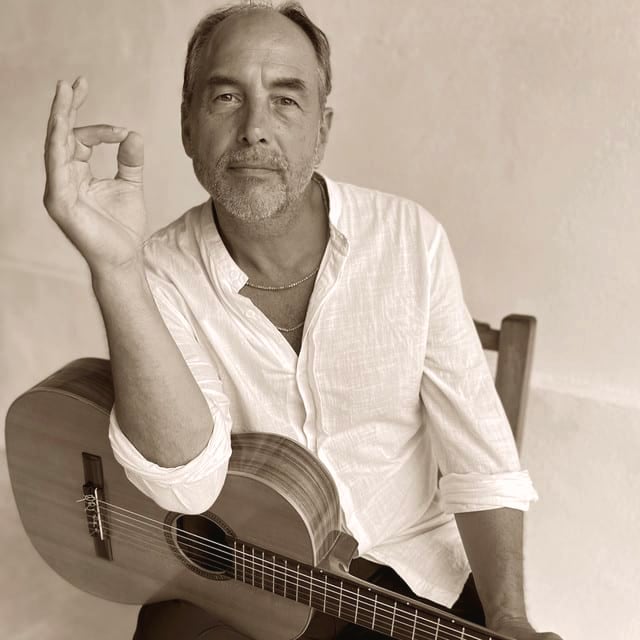
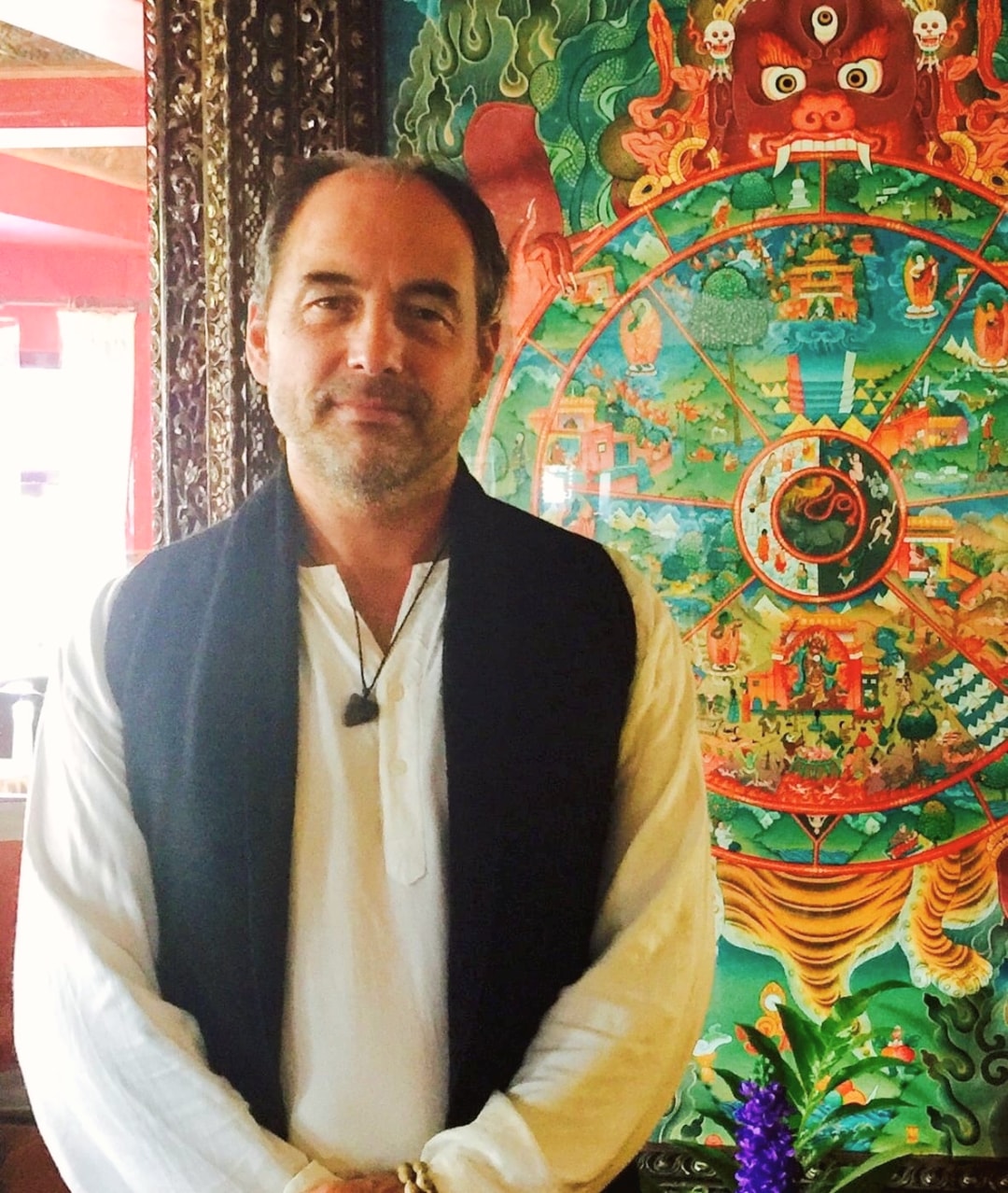
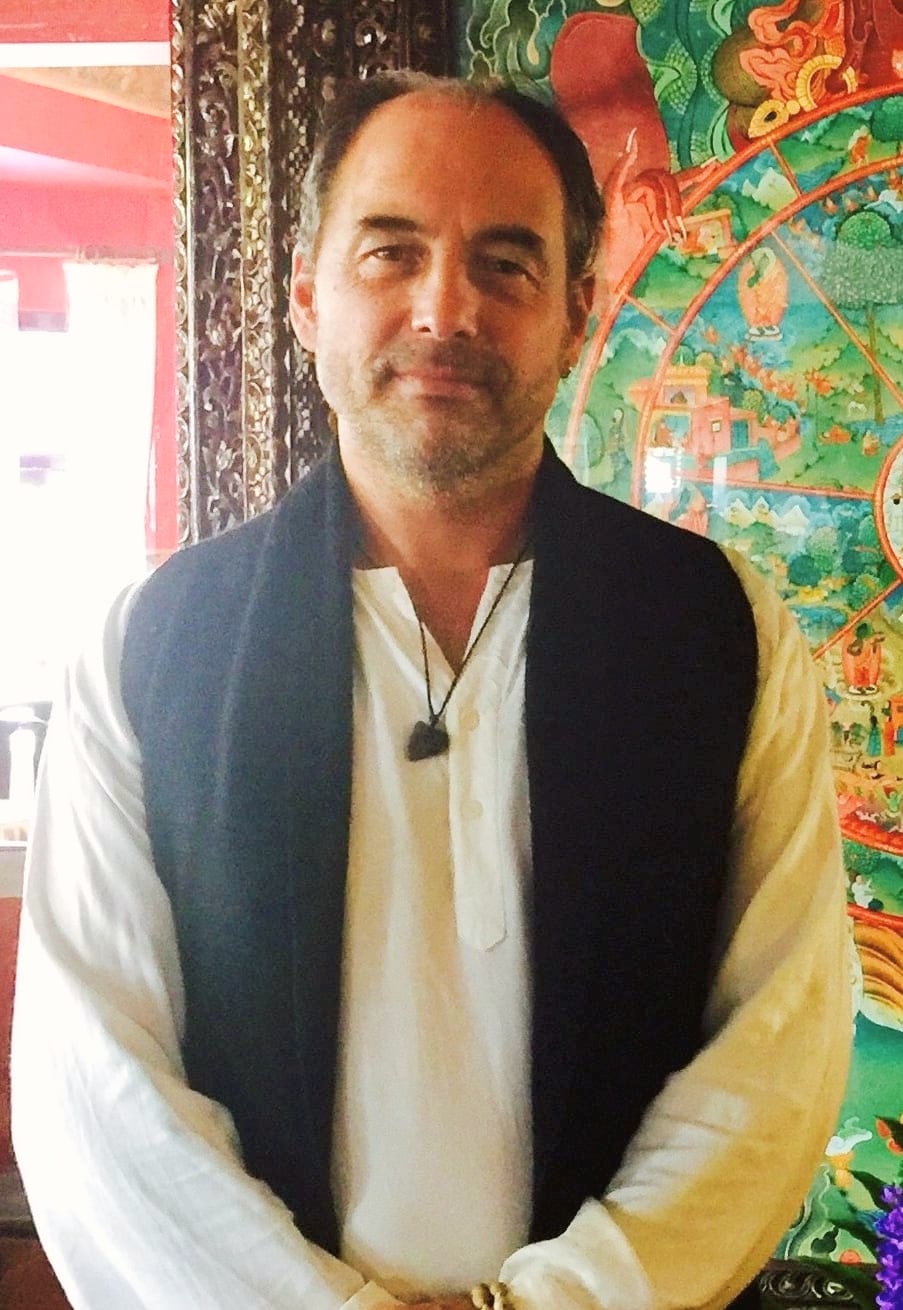
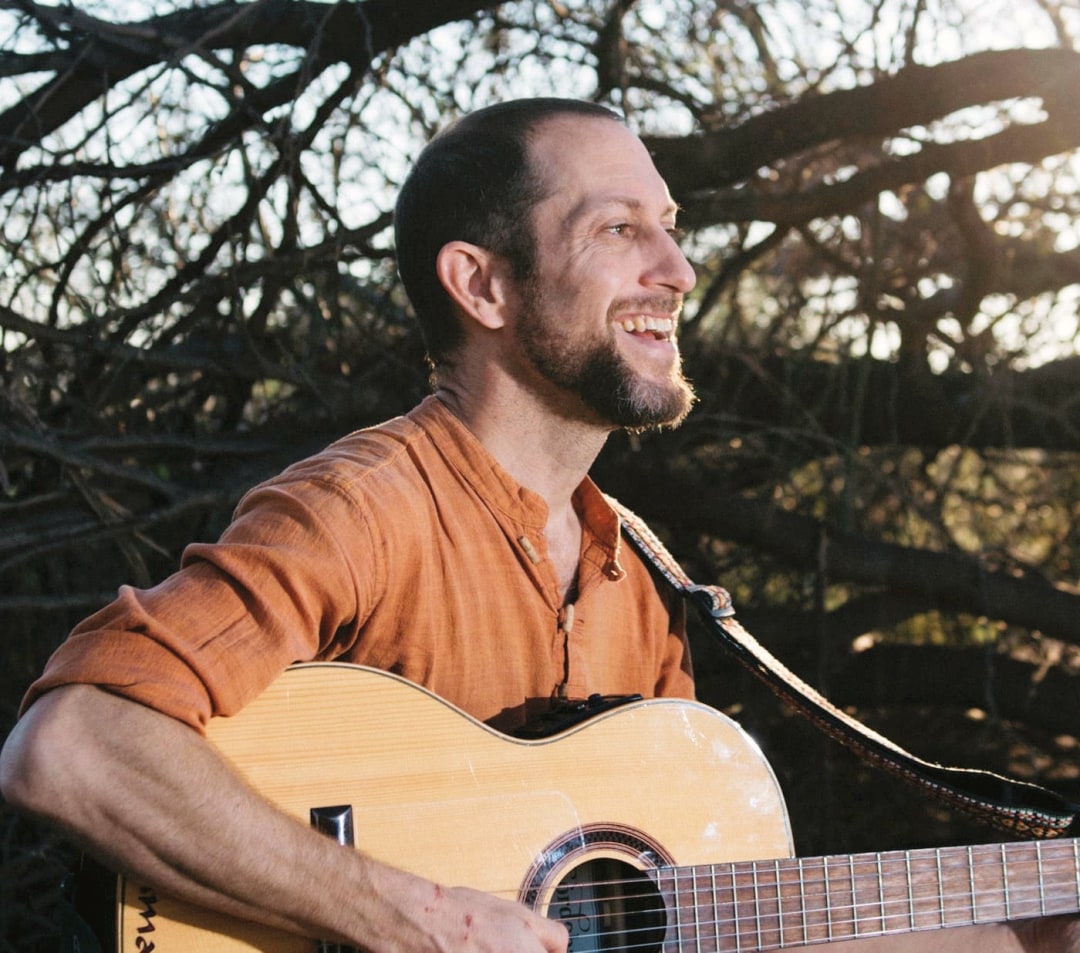
Musician · Los Angeles, California, United States
Saul David Raye is a yoga teacher, musician and healing arts facilitator based in Los Angeles, California, whose work draws together Hatha Yoga, Bhakti, Tantra, Pranic Healing, Shamanism and music into a heart-centered approach to practice and inner transformation. He leads Atma Yoga and Ritam Healing Arts, the umbrella through which he offers classes, retreats, trainings and recordings to students around the world.
Saul David Raye is a yoga teacher, musician and healing arts facilitator based in Los Angeles, California, whose work draws together Hatha Yoga, Bhakti, Tantra, Pranic Healing, Shamanism and music into a heart-centered approach to practice and inner transformation. He leads Atma Yoga and Ritam Healing Arts, the umbrella through which he offers classes, retreats, trainings and recordings to students around the world.
The pages of his site describe a practice rooted in more than three decades of study and teaching across multiple lineages. His influences include Hatha Yoga, Bhakti and Tantra traditions, Pranic Healing, Shamanism and Thai Massage. His teaching draws on these streams to create what retreat participants describe as a space where the focus is less on the perfection of an asana and more on how it is embodied — working with breath, energy and the voice to open the body and settle the nervous system.
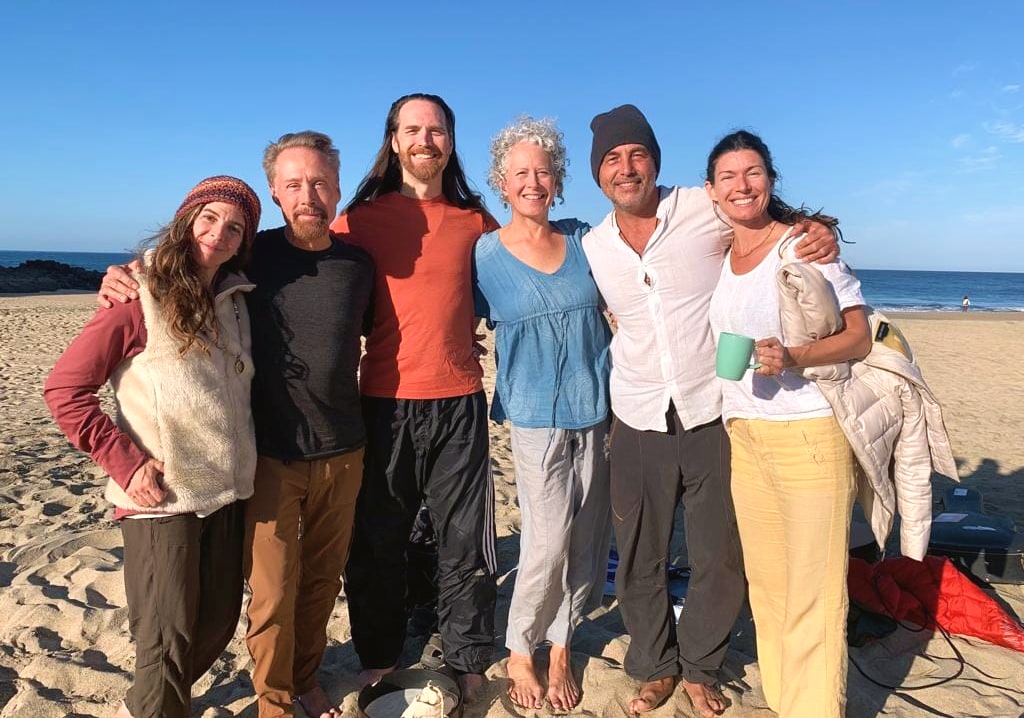
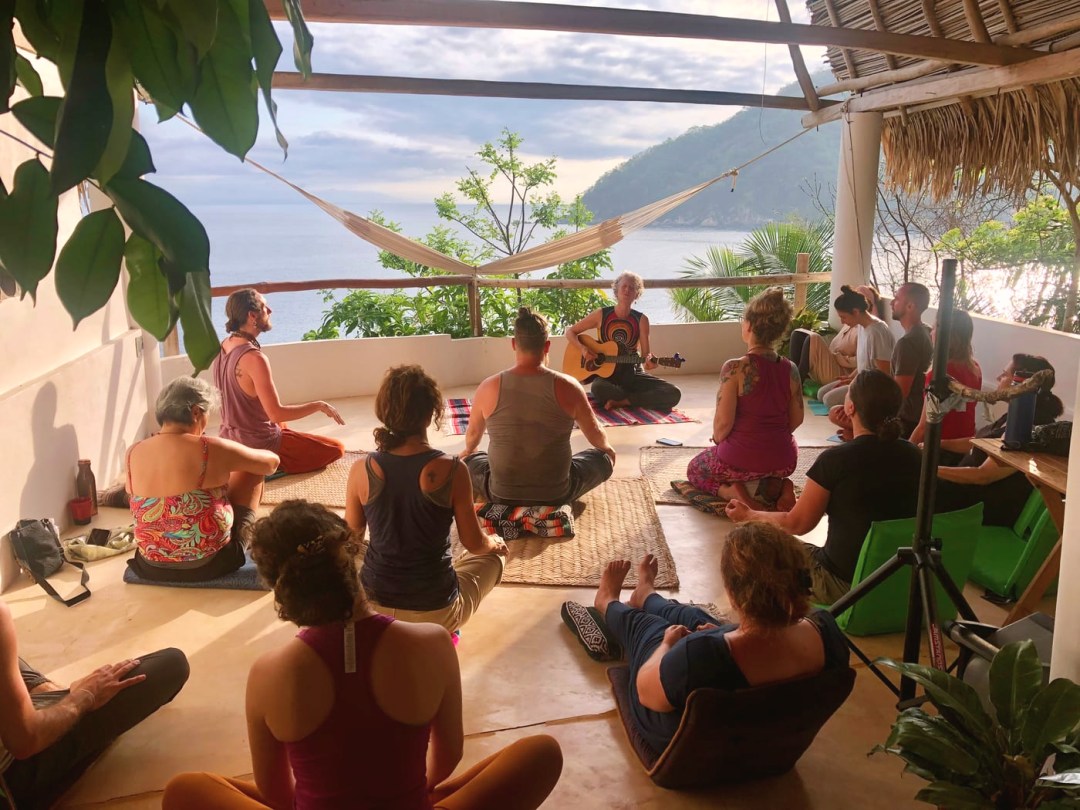
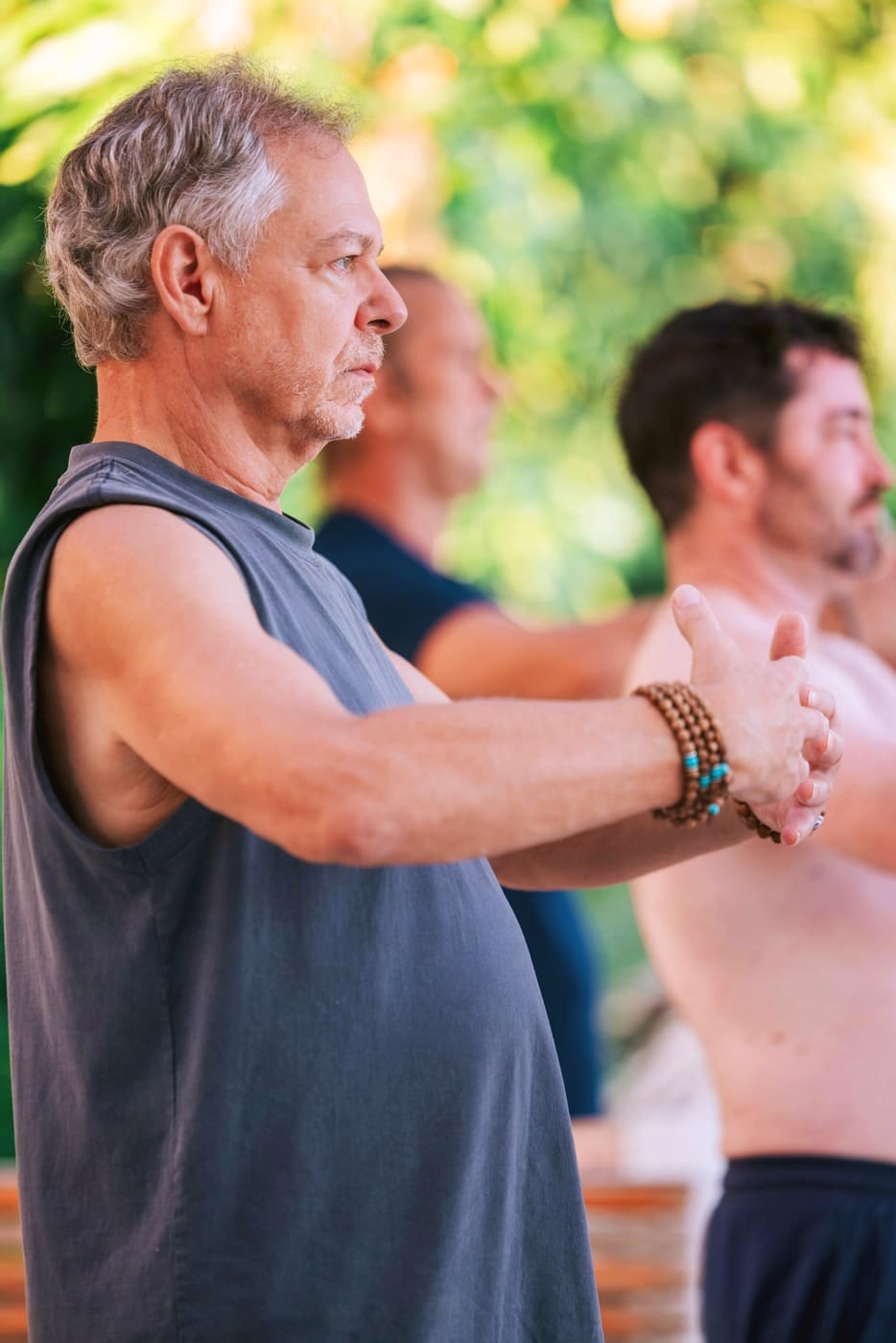
The retreat work is the visible centre of his calendar. Each December he leads an annual Winter Solstice gathering at the Yandara Institute, a beachfront eco-retreat centre on the Pacific coast of Baja California, where daily sessions include sunrise meditation and breathwork on the beach, Atma Yoga, kirtan, ecstatic dance and beach fire ceremony. Each June he hosts an annual Summer Solstice retreat in Yelapa, Mexico — a car-free village south of Puerto Vallarta accessible only by boat — where the week includes cacao ceremony, temescal fire ceremony, chanting and practice at the oceanside Pura Vida Eco retreat. He has also led retreats in Ojai, California; Nosara, Costa Rica; Teotihuacán, Mexico; and Woodland Park, Colorado.
Music runs through all of it. His original songs and chant recordings — including recent releases "Jewel in the Lotus," "Praying for Love" and "Promised Land" — are available on streaming platforms, and live music, spontaneous kirtan and chanting are woven into every retreat he leads. He has shared programmes and stages with chant artists and musicians including Brenda McMorrow, Joss Jaffe, Prem Vidu, Ananda Yogiji and Ryan Brewer.
Beyond seasonal retreats, Saul teaches weekly online through his Patreon community at patreon.com/atmayoga on a sliding scale, with a free membership tier available. He also leads the Flesh and Spirit Embodied Masculine Training and Mentorship Program, a four-month online men's development training co-led with Zat B. Elias, working across purpose, discipline, relational depth, spiritual practice and embodied masculine leadership. One-on-one Soul Sessions — life coaching by phone, Zoom or FaceTime — round out the individual support he offers.
His classes and retreats draw students of all levels, from beginners to working yoga teachers seeking continuing education hours. The community that gathers around his work returns season after season, drawn by what one participant described as "soulful music, nourishing movement, and Saul's wise teachings" creating "a sacred container that invites deep healing and expansion."
Listening Journey
Discography
Lineage & Inspiration
The teachers, lineages, and practices that shape Saul David Raye's path.

Kirtan Artist
First kirtan record Saul heard inspired his journey into devotional chanting music

Kirtan Pioneer, Musician
Saul learned the art and craft of kirtan from Dave while co-producing albums
Tradition
Devotional path of love at the heart of his teaching and practice
Tradition
Ancient tantric school deeply influences his yoga teaching and worldview
Practice
Energy healing system central to his work with students and transformational approach
Tradition
Physical yoga foundation rooted in tantric tradition informing his teaching style

Practice
Indigenous wisdom teachings including Mayan tradition integrated into his healing work
Worth Knowing
Saul David Raye is a yoga teacher, kirtan artist, and healing facilitator who has spent over 25 years studying and teaching yoga, mysticism, and the healing arts across multiple traditions. His work draws from Hatha Yoga, Bhakti devotion, Tantra, Thai Massage, Pranic Healing, and Shamanism—a deliberately eclectic blend that sets him apart in a yoga world often fragmented into single lineages. What attracts students and teachers to his practice is his insistence on embodied, heart-centered learning: less about achieving perfect alignment in a posture, more about connecting to authentic power and spirit within yourself. He teaches that ancient wisdom can be alive and relevant to modern seekers, offered through breath, chanting, meditation, and ceremony conducted in both group and intimate settings. His influence has rippled through students and teachers worldwide, and his recent music releases—particularly Praying for Love, Promised Land, and the 2024 single Jewel in the Lotus (Nepal Song)—show a musician translating his teaching into sound.
Saul David Raye draws primarily from the Bhakti tradition, the devotional path of yoga that prioritizes chanting, mantra, and the heart-centered relationship to the divine—a lineage older than modern postural yoga and still underrepresented in Western studios. His practice also roots deeply in Hatha Yoga and Tantra, particularly in the Tantric emphasis on energy work and ceremony beyond the mat. What makes his lineage complex is his deliberate weaving in of Shamanism, Thai Massage, and Pranic Healing—traditions that complement classical yoga but are not strictly Vedic or orthodox. He describes himself as a student of yoga, mysticism and the healing arts, which honors both his depth in Sanskrit and Bhakti practice and his openness to folk healing and non-Hindu spiritual systems. His teaching collaborations with Vedic scholar Jeffrey Armstrong suggest grounding in serious textual study, but his own path is syncretic rather than dogmatic.
The most direct entry points depend on what draws you in: if you want his music, start with Flower of Life (2019, 13 tracks), his most recent full album, or explore the 2024 singles Promised Land and Jewel in the Lotus (Nepal Song) for a glimpse of his current artistic direction. For teaching, his website sauldavidraye.com links to his online community classes, which run most weeks on a sliding scale with a free membership option—removing financial barriers is intentional on his part. If you're considering a longer immersion, his annual summer solstice retreat in Yelapa, Mexico and winter gathering in Baja offer week-long experiences in kirtan, yoga, meditation, and nature. For one-on-one exploration, he offers life coaching sessions by phone or video. There are no published books listed, so music and direct teaching are your primary entry points; his YouTube channel offers additional content.
Raye's practice is unusually multidisciplinary in an era when most yoga teachers specialize: he integrates Bhakti devotion with Tantric energy work, Hatha postures with Shamanic ceremony, and Thai Massage with Pranic Healing. His training in kirtan and composition also sets him apart—he's not a yoga teacher who dabbles in music, but a musician-teacher for whom chanting and mantra are central spiritual technologies, not add-ons. Another distinguishing feature is his pedagogical focus on embodiment over aesthetics; students repeatedly note that his teaching prioritizes how a practice feels and connects you to authentic power rather than whether your downward dog looks perfect. His retreat model is also distinctive—seasonal immersions in Yelapa and Baja built around sunrise meditation, chanting, dancing, and direct time in nature suggest a holistic, non-studio-based vision of practice. Finally, his collaborations with guest musicians like Joss Jaffe, Brenda McMorrow, and Prem Vidu indicate openness to other voices and traditions rather than a guru-centric model.
Raye's work will not suit practitioners seeking primarily a rigorous, alignment-focused asana practice or those interested in advanced physical yoga sequences—his teaching prioritizes emotional and spiritual embodiment over postural sophistication. If kirtan, mantra, and Sanskrit chanting don't resonate with you, or if you find devotional religious elements off-putting, his Bhakti-centered approach will feel out of alignment. Similarly, if you're drawn to a secular, scientifically-reductive approach to yoga divorced from spiritual or mystical frameworks, his integration of Shamanism, Pranic Healing, and ceremonial practice will likely feel too esoteric. Those seeking strict adherence to a single classical yoga lineage or Vedic orthodoxy may find his syncretic blend of Hindu, Tantric, and folk healing traditions too eclectic or unconventional. His teaching is also most accessible to people comfortable with emotional vulnerability, introspection, and the vulnerability of chanting aloud—it's not the yoga for those who prefer anonymity in a class or who resist the devotional dimension of practice.
His primary hub is sauldavidraye.com, where tour dates, retreat announcements, and teaching schedules are posted. For music releases and discoveries, follow his Spotify artist profile (1,400 followers currently), which shows his recent 2024 singles and catalog back to Love Is the Answer Jai Ma (2014). His YouTube channel offers video content and may feature live performances or teaching excerpts. The two reliable seasonal anchors are his annual summer solstice retreat in Yelapa, Mexico and winter retreat in Baja—both appear to be recurring events rather than one-time offerings. For ongoing teaching, he runs online classes most weeks on a sliding scale with a free membership option, which you can likely access through his website or direct inquiry. One-on-one life coaching is also available by phone or video. Given the limited publicly available tour data, checking his site directly is the most reliable way to stay current on special programs or travel.
Raye's music sits firmly in the kirtan tradition: devotional Sanskrit chanting set to instrumental accompaniment rather than secular song structure. The instrumentation typically includes harmonium (the primary instrument in kirtan), guitar, drums, and kartals (small hand cymbals), creating acoustic, intimate textures rather than electronic production. His recent singles—Praying for Love, Promised Land, and Jewel in the Lotus (Nepal Song)—suggest a focus on mantra and devotional themes, with pacing likely slower and meditative rather than energetic or rhythmically complex; kirtan is designed for group participation and spiritual deepening, not for passive consumption. The aesthetic is minimalist and intentional: the emphasis is on the Sanskrit words, the vibration of the mantra, and the emotional and spiritual resonance rather than instrumental virtuosity. What distinguishes Raye from other kirtan artists appears to be his deliberate weaving of different traditions and his willingness to collaborate with musicians like Joss Jaffe and Brenda McMorrow, suggesting arrangements that honor both traditional kirtan form and contemporary musical sensibility.
Flower of Life (2019, 13 tracks) is his most recent full-length album and likely the best entry point for understanding his current musical direction and maturity as a composer. 10,000 Suns (2018, 10 tracks) offers another substantial album body of work preceding Flower of Life. Love Is the Answer Jai Ma (2014, 10 tracks) represents an earlier phase in his recording career and may appeal to listeners wanting to trace his evolution. For those wanting to stay current with his 2024 output, the singles Jewel in the Lotus (Nepal Song), Promised Land, and the multiple versions of Praying for Love (Taz World Peace Mix and War Is Over variations, plus a Radio Love Edit) show him actively composing and experimenting with different mixes and contexts. The fact that Praying for Love appears in multiple versions suggests he's treating these songs as works to be reimagined and adapted, reflecting the improvisational, call-and-response nature of the kirtan tradition itself.
The core kirtan instruments in Raye's retreats and teaching include harmonium (the primary melodic and harmonic instrument in devotional chanting), guitar, drums, and kartals (small hand cymbals used to keep rhythm and mark the pulse). His approach to collaboration is notably open: he regularly invites guest musicians including Joss Jaffe, Brenda McMorrow, and Prem Vidu to join his retreats and teaching, expanding the sonic and spiritual palette beyond his own voice and playing. He has also co-taught with Vedic scholar Jeffrey Armstrong, suggesting intellectual and spiritual partnerships that enrich the learning environment. The retreats themselves seem structured around ensemble music-making—participants learn to play instruments and lead chants themselves, so the model is not one of passive audience listening to a virtuoso performer but rather communal music-making and shared spiritual practice. This collaborative, non-hierarchical approach reflects a Bhakti ethos: the goal is devotional communion, not virtuosic display.
Raye's teaching style is explicitly intuitive and heart-centered, focused on meeting students where they are emotionally and spiritually rather than enforcing external form or aesthetic perfection. A defining feature is his insistence on embodiment: students describe his teaching as attuned to how a practice is felt and lived in the body rather than whether a posture matches an ideal image. His retreat weeks in Yelapa and Baja follow a rhythm of sunrise meditation and chanting, yoga practice, kirtan (group devotional singing), music, dancing, and time in nature—a cyclical, non-linear model of spiritual deepening that honors different modes of connection. The arc of his teaching aims to create what he calls a safe space where people can connect with their own authentic power, spirit and truth, suggesting that his role is facilitator rather than guru—he's creating conditions for inner discovery rather than imposing a doctrine. His online classes, available on a sliding scale with free access, extend this accessibility philosophy; his one-on-one life coaching by phone or video indicates willingness to meet individual students in personalized, intimate work.
Is this you? Claim this page ›
Continue your journey
BrightStar is the global directory of artists, teachers, and healers in the wellness and spiritual movement. Find your next experience — or add yourself.
Browse 14,000+ curated profiles across kirtan, yoga, meditation, and beyond.
Explore directory →Kirtan, retreats, sound baths, breathwork, ceremonies — happening this week.
Browse events →Are you an artist, teacher, or healer? Get listed — free, AI-assisted, live in minutes.
Get started →


