BrightStar
BlogMeus ingressos
BlogMeus ingressos
Saved events
Ajuda e contatoCadastrarEntrar
Eventos
  • Ver todos os Eventos
  • Yoga
  • Meditação
  • Respiração consciente
  • Qigong
  • Música sagrada
  • World music
  • Música de medicina
  • Terapia sonora
  • Dança extática
  • Cerimônia
  • Medicina das plantas
  • Cura energética
  • Satsang e sabedoria
  • Tantra
  • Retiros
  • Todas as categorias →
Destinos
  • Bali
  • Sedona
  • Los Angeles
  • Costa Rica
  • Tulum
  • Byron Bay
  • San Francisco
  • Austin
  • New York
  • San Diego
  • Denver
  • Seattle
  • Portland
  • Miami
  • London
  • Maui
  • Boulder
  • Todas as cidades →
Plataforma
  • Para organizadores
  • Junte-se ao movimento
  • Sell Globally
  • Para criadores
  • Para equipes
  • Para escritores
  • Para professores
  • Para artistas de kirtan
  • Para estúdios
  • Para festivais
  • Para centros de retiro
  • Para organizações sem fins lucrativos
  • Embaixador da marca
  • Ingressos grátis
  • Pro
  • Amplify
  • O ecossistema
Recursos

Bilheteira e compra

  • Ticket categories
  • Assigned seating
  • Custom questions
  • Coupon codes
  • Smart pricing
  • Ticket sharing
  • Waitlist
  • Flexible refunds
  • Digital waivers
  • Tip jar
  • Donations and sliding scale
  • Embed widget
  • Mindful checkout
  • Recurring events
  • Private sessions
  • Online courses
  • Summits
  • Rooms and stays
  • Ticket scanner

Marketing e crescimento

  • Abandoned cart recovery
  • Visitor recovery
  • Upsells and add-ons
  • Affiliate engine
  • Upsell affiliate network
  • Brand ambassador
  • Meta retargeting
  • Verified buyer network
  • Outbound email marketing
  • Email sequences
  • SMS and WhatsApp
  • Event upsell network
  • Direct mail campaigns
  • SEO engine
  • Syndication
  • Event sharing
  • Custom event pages
  • Artist profiles
  • Link in bio
  • Event blog
  • Blog newsletter

Pagamentos

  • Payments, powered by Stripe
  • Buy now, pay later
  • Apple Wallet
  • Multi currency

Dados e operações

  • Team access
  • Message center
  • Reports
  • Analytics reporting
  • Performance reporting
  • Customer data
  • Integrations
  • Switch from another platform

IA

  • Assistant
  • AI FAQ assistant
  • Todos os recursos →
Empresa
  • Sobre
  • Perguntas frequentes
  • Contato
  • Blog
  • Glossário
  • Guides
  • Inspiração
  • Central de ajuda
  • Documentação da API
  • Recursos da marca
  • Imprensa
  • Termos de Serviço
  • Política de Privacidade

Eventos

  • Ver todos os Eventos
  • Yoga
  • Meditação
  • Respiração consciente
  • Qigong
  • Música sagrada
  • World music
  • Música de medicina

Destinos

  • Bali
  • Sedona
  • Los Angeles
  • Costa Rica
  • Tulum
  • Byron Bay
  • San Francisco
  • Austin

Plataforma

  • Para organizadores
  • Junte-se ao movimento
  • Sell Globally
  • Para criadores
  • Para equipes
  • Para escritores
  • Para professores
  • Para artistas de kirtan

Recursos

  • Rede da comunidade
  • Recuperação de carrinho abandonado
  • Categorias de ingressos
  • Eventos recorrentes
  • Lugares marcados
  • Sistema de afiliados
  • Lista de espera / Notificar
  • Todos os recursos →

Empresa

  • Sobre
  • Perguntas frequentes
  • Contato
  • Blog
  • Glossário
  • Guides
  • Termos de Serviço
  • Política de Privacidade
Leia mais

Eventos

  • Terapia sonora
  • Dança extática
  • Cerimônia
  • Medicina das plantas
  • Cura energética
  • Satsang e sabedoria
  • Tantra
  • Retiros
  • Todas as categorias →

Destinos

  • New York
  • San Diego
  • Denver
  • Seattle
  • Portland
  • Miami
  • London
  • Maui
  • Boulder
  • Todas as cidades →

Plataforma

  • Para estúdios
  • Para festivais
  • Para centros de retiro
  • Para organizações sem fins lucrativos
  • Embaixador da marca
  • Ingressos grátis
  • Pro
  • Amplify
  • O ecossistema

Empresa

  • Inspiração
  • Central de ajuda
  • Documentação da API
  • Recursos da marca
  • Imprensa

Bilheteira e compra

  • Ticket categories
  • Assigned seating
  • Custom questions
  • Coupon codes
  • Smart pricing
  • Ticket sharing
  • Waitlist
  • Flexible refunds
  • Digital waivers
  • Tip jar
  • Donations and sliding scale
  • Embed widget
  • Mindful checkout
  • Recurring events
  • Private sessions
  • Online courses
  • Summits
  • Rooms and stays
  • Ticket scanner

Marketing e crescimento

  • Abandoned cart recovery
  • Visitor recovery
  • Upsells and add-ons
  • Affiliate engine
  • Upsell affiliate network
  • Brand ambassador
  • Meta retargeting
  • Verified buyer network
  • Outbound email marketing
  • Email sequences
  • SMS and WhatsApp
  • Event upsell network
  • Direct mail campaigns
  • SEO engine
  • Syndication
  • Event sharing
  • Custom event pages
  • Artist profiles
  • Link in bio
  • Event blog
  • Blog newsletter

Pagamentos

  • Payments, powered by Stripe
  • Buy now, pay later
  • Apple Wallet
  • Multi currency

Dados e operações

  • Team access
  • Message center
  • Reports
  • Analytics reporting
  • Performance reporting
  • Customer data
  • Integrations
  • Switch from another platform

IA

  • Assistant
  • AI FAQ assistant
Baixe o app
Baixar naApp StoreDisponível noGoogle Play
© 2026 BrightStar. Todos os direitos reservados. BrightStar Selection · Créditos das fotos · Histórico de alterações ·
Inspiration

Bowing to Everything: The Practice of Radical Acceptance

Jack Kornfield
Jack Kornfield
Apr 18, 2025
6 min de leitura

De Be Here Now Network

Jack Kornfield teaches that suffering arises from fighting against reality—what is true. By practicing "bowing to everything," we cultivate radical acceptance and release the resistance that causes pain. This is not resignation but a conscious choice to meet life as it is, which paradoxically opens pathways to genuine transformation and peace.

Leitura · 6 seções

What Does It Mean to Bow to Everything?

Bowing, in the spiritual traditions Kornfield draws from, is not merely a physical gesture of respect or submission to an external authority. Rather, it is an internal gesture of acknowledgment and acceptance toward reality itself. When Kornfield speaks of "bowing to everything," he is inviting practitioners to stop fighting with the fundamental nature of their experience—whether that experience is pleasant, unpleasant, or neutral.

This practice operates on a simple but profound principle: the more we resist, deny, or argue with what is actually occurring, the more we suffer. The pain is not caused by the experience itself, but by our refusal to accept it. A difficult emotion, a loss, a limitation, or an unwanted circumstance becomes doubly painful when we add the layer of internal resistance—the "No, this shouldn't be happening" that accompanies the event itself.

Why Does Fighting with Truth Create Suffering?

Kornfield's central teaching, captured in the quote "The more we fight with what's true, the more we suffer," points to a fundamental mechanism of psychological pain. When we encounter something difficult, our habitual response is often to push it away, deny it, or rage against its existence. This is a natural survival instinct in the face of threat, but when applied to situations we cannot actually change, it becomes a self-inflicted wound.

Consider grief: the death of a loved one is irreversible. The fact of their passing is true. Many people spend years fighting this truth—waiting for them to return, replaying how things might have been different, or refusing to accept the reality. This internal struggle does not bring the person back; it only adds layers of anguish on top of the original pain. The acceptance—the "bowing" to the reality of loss—does not erase grief, but it allows the grief to move through us rather than become a permanent knot of resistance.

The same principle applies to physical pain, emotional rejection, financial hardship, or any circumstance beyond our immediate control. The event has already occurred. Fighting it is like punching a wall that is already there; the wall does not move, but our fist breaks.

How Is Bowing Different from Resignation or Defeat?

A common misconception about acceptance is that it means passivity, weakness, or giving up. Kornfield's teaching makes clear that this is not the case. Bowing to everything is not the same as becoming a victim or abandoning agency. Rather, it is the precondition for wise action.

Once we have genuinely accepted a situation as it is—bowed to its reality—we are free to respond to it intelligently. A person who accepts that they have a chronic illness, rather than spending emotional energy fighting the diagnosis, can now direct that energy toward managing their health, adapting their life, finding meaning, and maintaining connection with others. The acceptance is the ground from which effective action grows.

Similarly, accepting a difficult emotion does not mean being enslaved by it. A person who accepts that grief, anger, or fear is present—who bows to it rather than fights it—paradoxically gains more freedom in relation to it. The emotion can be felt fully, can move, can transform. When we fight an emotion, we tend to lock it in place, recycling it endlessly. When we accept it, it flows.

What Is the Spiritual Significance of the Bowing Gesture?

In many Buddhist and Hindu traditions, bowing is a formal expression of humility and recognition of something greater than the separate self. When Kornfield speaks of bowing to everything—not just to what we approve of or understand, but to the full spectrum of reality—he is cultivating a profound shift in identity and perspective.

Bowing to everything means recognizing that the small "I" that judges, prefers, and resists is not the whole of who we are. It means touching a deeper awareness that can hold both joy and suffering, both success and failure, without being diminished by either. This is not masochism; it is wisdom. It is the recognition that resistance to reality is futile, and that peace comes through alignment with what is true rather than through attempted domination of what we dislike.

The practice also cultivates compassion. When we bow to the difficulty in our own experience, we naturally extend that same acceptance to others. We see that everyone is struggling with the same fundamental challenge: living in a reality that does not always match our preferences. This recognition dissolves the sense of isolation and shame that often accompanies suffering.

How Does This Practice Transform Consciousness?

Kornfield's emphasis on bowing to everything is not merely a coping mechanism for dealing with unavoidable hardship. Rather, it is a gateway to a fundamental transformation in consciousness. As we release the exhausting effort of fighting with reality, we free enormous energy. That energy can now be redirected toward presence, compassion, growth, and authentic engagement with life.

Moreover, the practice of acceptance itself becomes a kind of liberation. Many spiritual traditions point to the paradox that it is only through complete acceptance of what is that we are truly free. This is not because acceptance is a strategy to eventually change things (though it often enables change), but because the freedom itself is located in the acceptance, not in the conquest of circumstances.

The practice also loosens the grip of the conditioned mind—the automatic patterns of judgment, preference, and resistance that keep us trapped in habitual suffering. By bowing, we interrupt the loop. We introduce a conscious pause in which we acknowledge reality before the habitual reaction kicks in. This pause is the space in which transformation becomes possible.

Where to Go From Here

If you are drawn to Kornfield's teaching, consider beginning with a simple practice: notice one moment each day in which you feel resistance to what is true. It might be physical discomfort, an unwanted thought, a difficult emotion, or a frustrating circumstance. Rather than immediately pushing it away, pause. Take a breath. Acknowledge: this is happening. This is true right now. See if you can bow inwardly to the reality of it, even for just a few seconds. This small gesture of acceptance can loosen the stranglehold of resistance and create space for wiser action or genuine peace. Over time, as this practice deepens, the transformation Kornfield points to becomes increasingly available—not as something to achieve, but as what naturally emerges when we stop fighting with what is true.

Comentários

Carregando a conversa…

O artista desta história

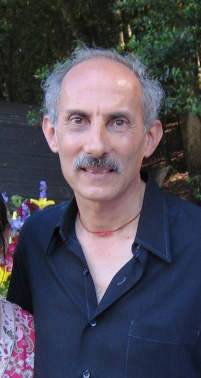
Jack Kornfield

Jack Kornfield

Meditation Teacher

Jack Kornfield, Ph.D.

Ver perfil
Explorar temas
AcceptanceSufferingSpiritual practiceResistance realityContemplative practice
Perguntas frequentes

Perguntas frequentes

When we resist or fight an emotion, we tend to lock it in place through continuous mental opposition. Acceptance—bowing to the emotion's presence—allows it to be fully felt and thus move through us naturally. This paradox means that acceptance is often the fastest path to transformation, not through effort but through allowing.

No. Accepting what is true is the precondition for wise action, not its opposite. Once you genuinely accept a situation—such as a health condition or loss—you free the mental and emotional energy previously locked in resistance, allowing you to respond strategically and effectively rather than from a place of denial.

Begin by simply pausing and acknowledging the reality: 'This is happening. This is true right now.' You don't need to like it or approve of it. The practice is the conscious recognition of what is, even for a few seconds, which interrupts the habitual cycle of resistance and creates space for a different response.

Acceptance is an active, conscious acknowledgment of reality that opens possibilities. Resignation is passive giving up without this awareness. Acceptance can lead to engaged action and adaptation; resignation leads to stagnation. Bowing is acceptance—a deliberate spiritual choice, not defeat.

The original difficulty is a single layer of pain. Fighting or denying it adds a second layer—the internal struggle, the judgment, the 'this shouldn't be.' This compounded resistance is what creates the bulk of human suffering. Accepting the original difficulty, without the added layer of denial, leaves us with manageable pain rather than amplified anguish.

Yes. Chronic pain often involves both the physical sensation and significant mental resistance to its presence. By accepting that pain is occurring—bowing to it—people often find the suffering (the mental component) decreases, even if the physical sensation remains. This creates more freedom and quality of life within the constraints.

Você também pode gostar

Ver Tudo
Creating Inner Peace During Conflict and War
Inspire

Creating Inner Peace During Conflict and War

Learn how to maintain an open heart and inner peace even amid external war and suffering. A Buddhist teacher's guidance on compassion and re…

7 min read
Buddhist Psychology: Awareness as the Foundation of Mind
Inspire

Buddhist Psychology: Awareness as the Foundation of Mind

Buddhist psychology teaches that awareness is ever-present and foundational to our experience. By quieting the mind and opening the heart, w…

8 min read
Medicine Buddha Practice: Feeling Beneath the Thinking
Inspire

Medicine Buddha Practice: Feeling Beneath the Thinking

Lama Rod Owens opens a Monday-night Medicine Buddha session six years into the practice, teaching how to feel an experience instead of think…

10 min read
Improvising Mantra: How Friday Night Songs Keep Changing
Inspire

Improvising Mantra: How Friday Night Songs Keep Changing

A violinist's daughter who never plays a song the same way twice explains why her Friday night chants keep changing. Here's what improvisati…

9 min read
Ver tudoVocê também pode gostar→

Continue sua jornada

Mais sabedoria e mais encontros de todo o diretório BrightStar.

Mais artigos

Explore a biblioteca completa de ensinamentos, entrevistas e guias.

Voltar a todos os artigos →

Professores e artistas

Conheça as linhagens, os músicos e os guias do mundo consciente.

Explorar artistas →

Encontre um evento

Kirtan, retiros, banhos de som, breathwork, festivais — acontecendo em breve.

Ver eventos →