BrightStar
BlogMeus ingressos
BlogMeus ingressos
Saved events
Ajuda e contatoCadastrarEntrar
Eventos
  • Ver todos os Eventos
  • Para buscadores
  • Yoga
  • Meditação
  • Respiração consciente
  • Qigong
  • Música sagrada
  • World music
  • Música de medicina
  • Terapia sonora
  • Dança extática
  • Cerimônia
  • Medicina das plantas
  • Cura energética
  • Satsang e sabedoria
  • Tantra
  • Retiros
  • Todas as categorias →
Destinos
  • Bali
  • Sedona
  • Los Angeles
  • Costa Rica
  • Tulum
  • Byron Bay
  • San Francisco
  • Austin
  • New York
  • San Diego
  • Seattle
  • Portland
  • Miami
  • London
  • Maui
  • Boulder
  • Oakland
  • Todas as cidades →
Plataforma
  • Para organizadores
  • Junte-se ao movimento
  • Sell Globally
  • Para criadores
  • Para equipes
  • Para escritores
  • Para professores
  • Para artistas de kirtan
  • Para estúdios
  • Para festivais
  • Para centros de retiro
  • Para organizações sem fins lucrativos
  • Embaixador da marca
  • Ingressos grátis
  • Elevate
  • Amplify
  • O ecossistema
Recursos

Bilheteira e compra

  • Ticket categories
  • Assigned seating
  • Custom questions
  • Coupon codes
  • Smart pricing
  • Ticket sharing
  • Waitlist
  • Flexible refunds
  • Digital waivers
  • Tip jar
  • Donations and sliding scale
  • Embed widget
  • Mindful checkout
  • Recurring events
  • Private sessions
  • Online courses
  • Summits
  • Rooms and stays
  • Ticket scanner

Marketing e crescimento

  • Abandoned cart recovery
  • Visitor recovery
  • Upsells and add-ons
  • Affiliate engine
  • Upsell affiliate network
  • Brand ambassador
  • Meta retargeting
  • Verified buyer network
  • Outbound email marketing
  • Email sequences
  • SMS and WhatsApp
  • Event upsell network
  • Direct mail campaigns
  • SEO engine
  • Syndication
  • Event sharing
  • Custom event pages
  • Artist profiles
  • Link in bio
  • Event blog
  • Blog newsletter

Pagamentos

  • Payments, powered by Stripe
  • Buy now, pay later
  • Apple Wallet
  • Multi currency

Dados e operações

  • Team access
  • Message center
  • Reports
  • Analytics reporting
  • Performance reporting
  • Customer data
  • Integrations
  • Switch from another platform

IA

  • Assistant
  • AI FAQ assistant
  • Todos os recursos →
Empresa
  • Sobre
  • Perguntas frequentes
  • Contato
  • Blog
  • Glossário
  • Guides
  • Inspiração
  • Central de ajuda
  • Documentação da API
  • Recursos da marca
  • Imprensa
  • Termos de Serviço
  • Política de Privacidade

Eventos

  • Ver todos os Eventos
  • Para buscadores
  • Yoga
  • Meditação
  • Respiração consciente
  • Qigong
  • Música sagrada
  • World music

Destinos

  • Bali
  • Sedona
  • Los Angeles
  • Costa Rica
  • Tulum
  • Byron Bay
  • San Francisco
  • Austin

Plataforma

  • Para organizadores
  • Junte-se ao movimento
  • Sell Globally
  • Para criadores
  • Para equipes
  • Para escritores
  • Para professores
  • Para artistas de kirtan

Recursos

  • Rede da comunidade
  • Recuperação de carrinho abandonado
  • Categorias de ingressos
  • Eventos recorrentes
  • Lugares marcados
  • Sistema de afiliados
  • Lista de espera / Notificar
  • Todos os recursos →

Empresa

  • Sobre
  • Perguntas frequentes
  • Contato
  • Blog
  • Glossário
  • Guides
  • Termos de Serviço
  • Política de Privacidade
Leia mais

Eventos

  • Música de medicina
  • Terapia sonora
  • Dança extática
  • Cerimônia
  • Medicina das plantas
  • Cura energética
  • Satsang e sabedoria
  • Tantra
  • Retiros
  • Todas as categorias →

Destinos

  • New York
  • San Diego
  • Seattle
  • Portland
  • Miami
  • London
  • Maui
  • Boulder
  • Oakland
  • Todas as cidades →

Plataforma

  • Para estúdios
  • Para festivais
  • Para centros de retiro
  • Para organizações sem fins lucrativos
  • Embaixador da marca
  • Ingressos grátis
  • Elevate
  • Amplify
  • O ecossistema

Empresa

  • Inspiração
  • Central de ajuda
  • Documentação da API
  • Recursos da marca
  • Imprensa

Bilheteira e compra

  • Ticket categories
  • Assigned seating
  • Custom questions
  • Coupon codes
  • Smart pricing
  • Ticket sharing
  • Waitlist
  • Flexible refunds
  • Digital waivers
  • Tip jar
  • Donations and sliding scale
  • Embed widget
  • Mindful checkout
  • Recurring events
  • Private sessions
  • Online courses
  • Summits
  • Rooms and stays
  • Ticket scanner

Marketing e crescimento

  • Abandoned cart recovery
  • Visitor recovery
  • Upsells and add-ons
  • Affiliate engine
  • Upsell affiliate network
  • Brand ambassador
  • Meta retargeting
  • Verified buyer network
  • Outbound email marketing
  • Email sequences
  • SMS and WhatsApp
  • Event upsell network
  • Direct mail campaigns
  • SEO engine
  • Syndication
  • Event sharing
  • Custom event pages
  • Artist profiles
  • Link in bio
  • Event blog
  • Blog newsletter

Pagamentos

  • Payments, powered by Stripe
  • Buy now, pay later
  • Apple Wallet
  • Multi currency

Dados e operações

  • Team access
  • Message center
  • Reports
  • Analytics reporting
  • Performance reporting
  • Customer data
  • Integrations
  • Switch from another platform

IA

  • Assistant
  • AI FAQ assistant
Baixe o app
Baixar naApp StoreDisponível noGoogle Play
© 2026 BrightStar. Todos os direitos reservados.
· Créditos das fotos · Histórico de alterações ·
Inspiration

Contact Improvisation Low Table: Five Ways to Move Together

Nando Raynolds
Nando Raynolds
Feb 18, 2019
5 min de leitura

De Nando Raynolds

Assistir · 8

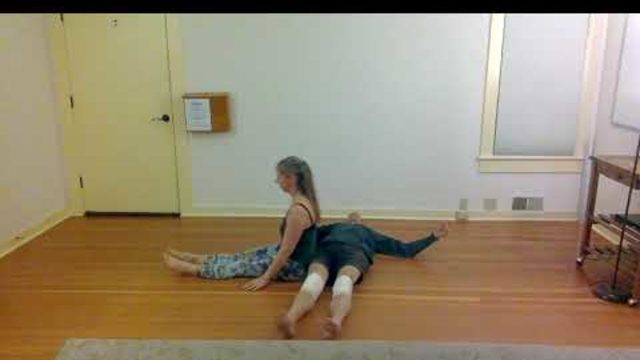
In contact improvisation, one of the most foundational patterns is called "the table"—a configuration where one dancer becomes the support and the other explores movement across that stable form. It sounds simple until you realize the depth: there are actually five distinct ways to enter this shape, each one opening different possibilities for connection, balance, and creative play between partners.

Leitura · 11 seções

What Is the Table Pattern?

The table begins with one person on their hands and knees, creating a low, stable platform. The second person then engages with this form by moving across it—and how they enter matters profoundly. The person providing the table remains grounded on their knees and hands with a slight arch in the back, creating comfort and stability for themselves while offering the other dancer a responsive, living piece of furniture to interact with.

Hands-First Entry: Building Momentum

In the first variation, the moving dancer approaches hands-first with their belly against their partner's back. This naturally leads to a curling-over motion, where the supporting person uses their own body awareness to prevent the participant from collapsing too heavily onto the floor. The key is active support—not rigid resistance, but responsive presence. The moving dancer rolls and curves over the table, and the table dancer adjusts to maintain safety and flow.

Back-Against-Back Contact

The second way reverses the contact: the moving dancer travels across the table with their back against their partner's back. This configuration opens what the teacher describes as "fun possibilities"—different weight distributions, different balancing challenges, and entirely different shapes that emerge from spine-to-spine contact rather than front-to-back.

Entering from a Sitting Position

A third approach involves the moving person starting already on the floor in a seated position, then gradually putting their weight onto the table dancer with their legs first. From here, the moving dancer might spiral, turn, or shift direction in whatever way feels natural and safe. The table dancer learns to follow in "interesting waves," remaining responsive rather than fixed. This reveals one of contact improvisation's core principles: the person providing the table isn't locked into that role. They're allowed to abandon being the table and shift into movement themselves when the dance calls for it.

Leading with the Feet

The fourth entry pattern has the moving dancer approach feet-first, climbing or rolling onto their partner's back leading with the lower body. This reversal of the hands-first approach creates its own arc of possibilities: how the dancer rises onto the partner's back, what happens during that ascent, and how they descend all differ from the front-first entry.

Approaching from the Side

A fifth way—entering from the side—places the moving dancer's body against the side of their partner's body. This lateral approach creates opportunities for balancing in ways the other entries don't. The teacher emphasizes playfulness here: "treat this person that you're on like a human jungle gym." This isn't crude or careless; it's an invitation to explore with curiosity and trust.

The Art of Pouring Your Weight

Across all five approaches, there's a single principle that transforms the table pattern from acrobatics into contact improvisation: sensitivity in weight-sharing. When a dancer goes onto their partner, the instruction is specific: "pour your weight." Rather than gradually settling or tentatively perching, the moving dancer treats themselves "like a sandbag," actively transferring their mass into their partner in a controlled, present way. This isn't about being heavy; it's about being honest with your weight.

This approach serves a practical and ethical purpose. If a dancer is truly pouring their weight—meaning they're actively directing it rather than collapsing or bracing—they can respond immediately if their partner signals no or stop. There's no awkward untangling, no risk of falling. The dancer can retreat cleanly because they never gave up control of their own center. It's a physical expression of consent and care built into every moment of contact.

Transitions and Continuous Contact

One remarkable variation the teacher demonstrates is a seamless transition into a headstand-like position when dancers approach back-to-back with hands leading. Rather than the contact breaking, the dancers can roll, follow, and maintain connection through the transition. The moving dancer rolls and continues; the table dancer follows. As the teacher notes with evident delight, "isn't that fun?" The point isn't the acrobatic achievement—it's that the conversation between bodies never stops.

Protecting the Feet: A Technical Note

A crucial detail often overlooked: when the table dancer is on their hands and knees, they should keep their feet flat and down, rather than rising up onto the toes. This protects the ankles from strain, ensuring the person providing support can remain comfortably in the position for the duration needed. It's a small thing that prevents injury and allows the dance to continue.

Why Five Ways Matter

Contact improvisation is built on exploration within constraint. By understanding these five distinct entries into the low table pattern, dancers gain a toolkit. Each approach teaches different lessons about weight, balance, momentum, and response. Each one requires the supporting dancer to listen differently. And each one opens different creative possibilities once the dancers are in contact. Learning them in a systematic way, as this series presents, gives newer dancers enough vocabulary to begin improvising with confidence and sensitivity.

Where to go from here

If you're new to contact improvisation, practice these table patterns with a partner who shares your commitment to consent and communication. Start slowly with each entry point. Notice how your body learns to respond differently to hands-first versus feet-first approaches. Explore the difference between supporting and dancing, then discover how those roles can blur and shift. Most importantly, treat your partner as the teacher treats the person learning alongside them—with curiosity, care, and genuine delight in what emerges when two bodies move together with presence and trust.

Comentários

Carregando a conversa…

Transcript

[0:04] Hey so we're going to we're gonna do

[0:09] some stuff now on table this is called

[0:11] the table here and should I give you my

[0:15] table sure okay

[0:16] and there are four different ways really

[0:21] five different ways that Zhang can go

[0:24] across this table from the side and so

[0:28] two two one alright so this one she's

[0:32] going to hands first with her tummy

[0:36] against me and this naturally leads to

[0:39] her curling over and I'm going to

[0:43] support the person here so they don't

[0:46] cloak

[0:48] too hard with their pelvis against the

[0:51] floor there so so that might show up and

[0:57] then go back over it and so this way

[1:03] she's going with her back against me and

[1:07] that has these fun possibilities they

[1:18] can show up with that and so let's do

[1:23] that at the end okay we'll follow each

[1:25] other and and so then sometimes the

[1:30] person one person is going to be here

[1:32] the other person is already sitting on

[1:34] the floor like that and they can they

[1:37] can start to crumble over you or put

[1:41] their weight on you with legs first and

[1:44] they might spiral or turn or do

[1:48] something else that's comfortable for

[1:50] them and when you're in this table you

[1:55] can then follow in interesting waves

[1:58] right I'm allowed to to to go and

[2:01] abandon being the table so and then the

[2:06] the fourth one leading with your feet

[2:08] see that was yeah there we go

[2:16] and this has again interesting

[2:20] possibilities for showing when she's up

[2:23] on my back and it's got an interesting

[2:26] possibilities for what happens as she

[2:32] goes down so who knows works only so if

[2:42] we then if we then take that oh let's do

[2:46] the sign one zero you can also enter

[2:51] from the side this way we're at the side

[2:53] of your body's against your partner and

[2:55] that produces an interesting opportunity

[2:58] for balancing and doing some cool stuff

[3:01] and just you know you treat this person

[3:04] that you're on like a human jungle do

[3:07] the person who's on the ground they're

[3:10] supported on knees and hands and they've

[3:13] got a little bit of an arch in their

[3:14] back so that it's is comfortable and

[3:19] also if you if you do take when I when

[3:25] I'm going to go on to someone and give

[3:27] them my way I really want to pour my

[3:30] weight so so I'm treating myself like a

[3:33] sandbag and I'm pouring my weight into

[3:37] my partner so that if my partner says no

[3:41] if my partner says stop

[3:43] I can I can just retreat I don't want to

[3:48] be falling over in some way that might

[3:51] cause or injury so I'm pouring my weight

[3:55] with sensitivity and going from there

[3:59] and so here I've done this but if I was

[4:06] going the other direction

[4:09] where I'm leading with my hands but like

[4:14] our backs are together this can go into

[4:19] the headstand like this and Shawn and

[4:24] follow me so that that

[4:27] the contact just continues and she rolls

[4:33] and I follow her here and she paused me

[4:47] isn't that fun great anything else you

[4:54] want to say about that one thought the

[4:56] person who is the bridge it's important

[5:00] to keep the feet down like this rather

[5:03] than up on the toe is just to protect

[5:06] the angles thank you that's great yeah

Nando Raynolds

Nando Raynolds

Artista

Nando Raynolds is a psychotherapist, life coach and teacher in Oregon's Rogue Valley. He offers somatic, mindfulness-based work along with Qigong, T'ai Chi, breathwork and Contact Improvisation.

Ver perfil
Explorar temas
Contact improvisationPartner danceMovement techniqueEmbodied learningWeight sharing
Perguntas frequentes

Perguntas frequentes

The low table is a foundational contact improvisation pattern where one dancer supports themselves on their hands and knees while their partner moves across or on top of them. It has five distinct entry points (hands-first, back-first, side, from a seated position, and feet-first), each creating different movement possibilities and weight-sharing dynamics.

Rather than gradually settling onto your partner, pour your weight actively and consciously, treating yourself like a sandbag. This gives you full control and means you can retreat immediately if your partner signals stop. It's about maintaining presence and responsiveness rather than collapsing or bracing against them.

The supporting dancer maintains a slight arch in their back while on hands and knees for comfort, then responds actively to their partner's weight and movement. They're not locked into the role—they can follow in waves, adjust to prevent falls, and even shift into movement themselves as the dance evolves.

Each entry point teaches different lessons about balance, momentum, and responsive listening. Hands-first creates one type of curving movement; back-to-back creates another. Side approaches teach balancing in new ways. Learning all five gives dancers a toolkit for creative improvisation within a structured framework.

Keep your feet flat and down rather than up on your toes while in the table position. This protects your ankles from strain and allows you to remain comfortably in the position, ensuring the dance can continue safely for both partners.

Yes—one of contact improvisation's core principles is that the person providing the table is allowed to abandon that role and shift into active movement whenever the dance calls for it. The positions are fluid, not fixed.

In this variation, dancers can move seamlessly into a headstand-like position while maintaining continuous contact. The moving dancer rolls and continues; the supporting dancer follows. The key is that the conversation between bodies never stops.

While it may look acrobatic, contact improvisation is fundamentally about presence, consent, and responsive listening between partners. The movement emerges from honest weight-sharing and mutual attention rather than predetermined sequences or athletic achievement.

Você também pode gostar

Ver Tudo
Mindful Movement Warmup: A Full-Body Routine Explained
Inspire

Mindful Movement Warmup: A Full-Body Routine Explained

Every move in a full-body mindful movement warmup, from cross crawls to finger work. The order, rep counts, and breath cues explained.…

9 min read
Contact Improvisation Log Rolling and Protecting Joints
Inspire

Contact Improvisation Log Rolling and Protecting Joints

Eleventh in a contact improvisation floor series, this lesson covers the log roll, or riding the wave. It shows how to move with a partner's…

8 min read
Sacred Feminine Power: Chanting Devi Beyond the Mat
Inspire

Sacred Feminine Power: Chanting Devi Beyond the Mat

An in-person gathering in Bengaluru merges ancient devotional chanting with modern psychotherapy to explore how the Goddess archetype illumi…

8 min read
Jaw Clenching: The Body's Honest Stress Signal
Inspire

Jaw Clenching: The Body's Honest Stress Signal

Jaw clenching during meditation shows what you don't realize about your stress levels. The body's wisdom reveals gaps between perceived and …

2 min read
Ver tudoVocê também pode gostar→

Continue sua jornada

Mais sabedoria e mais encontros de todo o diretório BrightStar.

Mais artigos

Explore a biblioteca completa de ensinamentos, entrevistas e guias.

Voltar a todos os artigos →

Professores e artistas

Conheça as linhagens, os músicos e os guias do mundo consciente.

Explorar artistas →

Encontre um evento

Kirtan, retiros, banhos de som, breathwork, festivais — acontecendo em breve.

Ver eventos →