


What is Nature Based Healing?
Nature-based healing is a term incorporating a broad suite of practices that focus on engagement with the natural world and nature-rich spaces for potential physical and mental health benefits. It encompasses approaches ranging from structured therapeutic interventions led by trained professionals to informal practices like forest bathing and nature walks. Nature-based therapy is distinguished from general nature therapy in that individuals work with a psychotherapist or counselor who partners with nature to create a healing triad: client-therapist-nature. The field includes horticultural therapy, ecotherapy, wilderness therapy, forest bathing (shinrin-yoku), therapeutic landscape design, and animal-assisted nature interactions. What unites these modalities is the premise that humans have an innate connection to the natural world that, when cultivated, promotes healing and restoration.
Origins & Lineage
The therapeutic value of horticulture has deep historical roots: as early as 2000 BC, Mesopotamian cultures incorporated gardens and plant materials into practices intended to soothe and restore well-being. In ancient Egypt, physicians prescribed walks in palace gardens for individuals experiencing mental distress. Greek and Roman healing temples, such as those dedicated to Asclepius, also featured gardens as spaces for rest, reflection, and recovery.
In Western medical contexts, Dr. Benjamin Rush, often regarded as the “Father of American Psychiatry”, observed the positive effects of gardening for individuals with mental illness in the early 19th century. The term “horto-therapy” was first used by Richardson Wright in 1945 while the term “horticultural therapy” was introduced by Ruth Mosher in 1948. Horticultural therapy as a profession is said to have begun following the end of World War II, due to a rise in occupational therapy programs in the United States. Institutional support solidified in 1973 with the founding of the National Council for Therapy and Rehabilitation through Horticulture (NCTRH), renamed the American Horticultural Therapy Association (AHTA) in 1988.
The modern forest bathing movement emerged from different cultural roots. The term shinrin-yoku was coined in 1982 by Tomohide Akiyama, who was the director of the Japanese Ministry of Agriculture, Forestry and Fisheries. The original purpose was two-fold: to offer an antidote to tech-boom burnout and inspire people to reconnect with and protect the country’s forests. In 2005, research teams conducted the first Shinrin-yoku study in Iiyama, Nagano prefecture in Japan and the terms of Shinrin-yoku and Forest Bathing in English were first named and defined in this study.
The theoretical underpinning for nature-based healing received scientific articulation when Edward O. Wilson introduced and popularized the biophilia hypothesis in his book, Biophilia (1984). He defines biophilia as the “innate tendency to focus on life and lifelike processes”. This hypothesis provided an evolutionary explanation for why humans respond therapeutically to natural environments.
Indigenous cultures worldwide have maintained unbroken traditions of nature-based healing that predate written history. Traditional Ecological Knowledge (TEK) is the on-going accumulation of knowledge, practice and belief about relationships between living beings in a specific ecosystem that is acquired by indigenous people over hundreds or thousands of years through direct contact with the environment, handed down through generations, and used for life-sustaining ways.
How It’s Practiced
Nature-based healing takes many forms. Horticultural Therapy is a complementary, evidence-based approach administered in a variety of healthcare, rehabilitative and residential settings by a trained professional employing plants and gardening activities, either active or passive, as the primary means to achieve specific therapeutic or rehabilitative objectives outlined in a treatment plan.
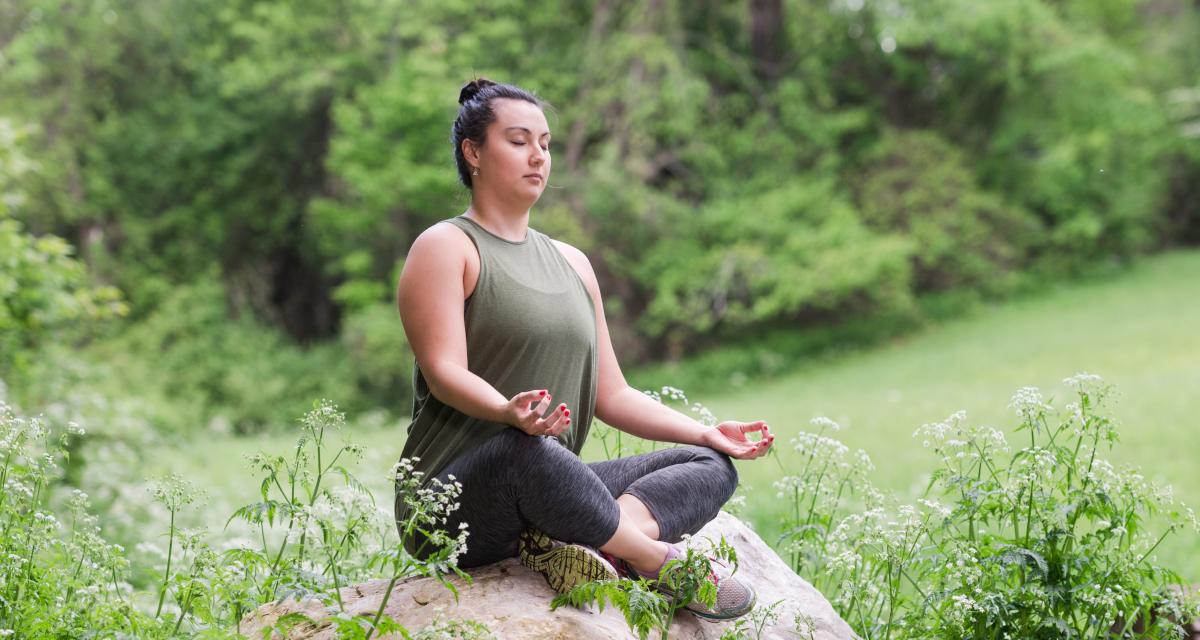
Forest bathing is a practice or process of therapeutic relaxation where one spends time in a forest or natural atmosphere, focusing on sensory engagement to connect with nature. It involves structured and intentional nature walks guided by Forest Therapy Practitioners, to repair damage to mental, physical and social health caused by specific problems.
Within nature-based therapy sessions, a therapist weaves in appropriate evidence-based therapeutic interventions specific to their client’s needs, partnering with nature to create a healing triad: client-therapist-nature. Nature-based therapists often use the strategy of pendulation, which has its roots in Somatic Experiencing founded by psychotherapist Peter Levine—a therapist supports the client in oscillating between the safety of being grounded within Nature and sensations experienced with trauma.
Practices may occur outdoors in forests, gardens, parks, or wilderness settings, or may incorporate indoor elements like therapeutic landscapes, viewing windows with nature views, or working with plants in greenhouses and garden spaces.
Nature Based Healing Today
Contemporary seekers encounter nature-based healing through multiple channels. Forest bathing has spread globally, with certified guides offering walks in parks and nature preserves. Several countries, including Finland and South Korea, created national programs highlighting preventative and therapeutic health benefits tied to regular time in nature. Mental health practitioners increasingly offer nature-based therapy as part of clinical practice, conducting sessions outdoors or integrating nature connection exercises into treatment. Retreat centers combine wilderness immersion with therapeutic programming. Healthcare facilities design healing gardens and therapeutic landscapes for patients. Universities now offer certification programs in horticultural therapy and nature-based therapeutic practices.
As healthcare professions such as physiotherapy and osteopathy move away from biomedical/reductionist models of care for complex conditions towards approaches which take into account social and environmental determinants of health, nature-based healing may become part of clinical interventions and public health messaging.
Common Misconceptions
Nature-based therapy isn’t about prescribing a walk in the woods or placing a client next to a stream and hoping for change. It requires training, intentionality, and often professional facilitation. Not all nature exposure qualifies as nature-based healing—the field distinguishes between informal nature connection and structured therapeutic interventions with measurable goals.
Nature-based healing is not a substitute for conventional medical treatment for serious physical or mental health conditions, though it may complement standard care. There are multiple challenges in aspects of nature-based healing research and application, from methodological issues in the primary research base, to questions of environmental injustice and access inequalities in many areas. Access to nature-rich spaces remains unequal across socioeconomic and geographic lines.
The field also grapples with cultural appropriation concerns, particularly when Western practitioners adopt practices from Indigenous or Japanese traditions without proper understanding or attribution. Nature therapy has been practiced for centuries in indigenous cultures but more recently gained recognition among Western practitioners.
How to Begin
For those new to nature-based healing, begin with simple, consistent nature exposure. Locate a nearby park, forest, or green space and commit to regular visits—even 20 minutes can offer benefits. The book The Nature Fix by Florence Williams provides accessible journalism on the science of nature’s effects on the brain. For forest bathing specifically, seek certified guides through the Association of Nature and Forest Therapy or similar organizations.
If seeking therapeutic support, look for licensed mental health professionals who have additional training in ecotherapy or nature-based therapy approaches. The American Horticultural Therapy Association maintains directories of registered horticultural therapists. Community gardens often offer lower-barrier entry points for experiencing therapeutic horticulture.
For practitioners, formal training is available through organizations like the American Horticultural Therapy Association, which offers professional registration and accreditation, or through university programs in therapeutic horticulture and ecotherapy. Approach Indigenous Traditional Ecological Knowledge with respect, seeking to learn from Indigenous teachers directly rather than extracting practices from their cultural context.