Fivelements Retreat Bali — Mambal, Indonesia
Balinese healing retreat on the sacred Ayung River, Mambal, Bali
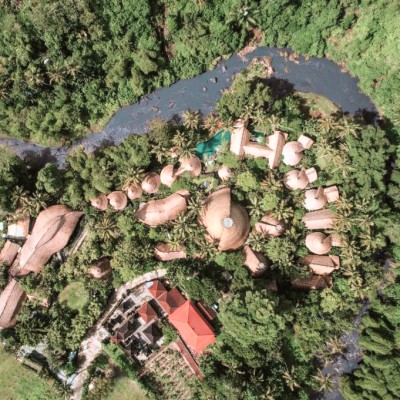
Fivelements Ubud is a wellness retreat centre in Mambal, Badung, Bali, set along the banks of the sacred Ayung River and recognised internationally for its grounding in Balinese healing traditions, bamboo architecture, and plant-forward cuisine. Opened in 2007 as the original home of the Fivelements brand, it has accumulated more than 95 industry awards and accolades over the years, and was ranked sixth among the World's Best Destination Spas in the 2026 Condé Nast Traveller UK Readers' Choice Awards. The retreat's philosophy draws from two interlocking Balinese frameworks. The first is Tri Hita Karana — the principle of harmony between people, nature, and the spiritual realm — which shapes the relationship between guests, the land, and the living traditions of the surrounding community. The second is the Elemental Compass, an internal framework organised around five principles — Nature, Knowledge, Artistry, Innovation, and Harmony — that informs how every space, therapy, and experience is designed. Balinese healing is understood through the lens of sekala and niskala, the seen and unseen dimensions of wellbeing, with traditional healers and experienced practitioners working alongside botanical remedies prepared in an on-site healing laboratory from plants cultivated in the retreat's own medicinal gardens. Fivelements Ubud offers five named multi-day wellness programmes running from three to fourteen nights. Panca Mahabhuta, rooted in the Balinese philosophy of the five elements — Earth, Water, Fire, Air, and Ether — combines traditional bodywork, Watsu-inspired water healing, energy therapies, and sacred rituals including the Agni Hotra fire blessing and Melukat water purification. Tri Kaya Parisudha, named for the Balinese principle of purity of thought, speech, and action, centres on detoxification through lymphatic drainage, colonic hydrotherapy, acupuncture, Om Prana healing, and plant-based culinary experiences including conscious Jamu making. Sattva Yatra is a contemplative programme built around sound healing, meditation, the Fivelements Shakti Ritual, Chakra Balancing, and Colour and Sound Acupoint Healing. Shakti Sadhana is designed specifically for women navigating perimenopause and menopause, drawing from Balinese and Vedic healing traditions with feminine-focused bodywork, hypnotherapy, and the Fivelements Shakti Bathing Ritual. Prema Sambandha is a couples' retreat combining relationship coaching, shared ceremony, the Couple Prema Blossom Ritual, and romantic experiences including riverside dining at the Sakti Dining Room. All programmes include daily group morning yoga, full-board plant-forward cuisine, cleansing elixirs, welcome blessing rituals, and closing reflection sessions. The retreat occupies a landscape of tropical gardens and open-air bamboo structures with soaring thatched roofs, designed to keep the Ayung River in constant presence throughout the property. A dedicated water healing pool provides the setting for Watsu-inspired aquatic therapy. Movement and meditation practices take place within bamboo salas immersed in the natural landscape. Accommodation spans 19 suites across six categories — Riverfront Suites, Hillside Pool Suites, Water Garden Pool Suite, Riverview Pool Suite, Signature Pool Suite with Meditation Pavilion, and the two-bedroom Bidadari Riverfront Pool Suite — ranging from 53 to 289 square metres, with private pools, volcanic-stone bathtubs, and open-air bathhouses throughout. Every stay includes daily breakfast and morning yoga. Fivelements Ubud draws guests seeking structured multi-day healing programmes as well as those who arrive for individual treatments, ceremonies, or curated cultural experiences such as the Water Healing Ceremony at a sacred water temple, the Morning Rice Field and Village Walk, and plant-based culinary classes. The retreat also hosts private group retreats, leadership and team gatherings, and weddings and celebrations within its collection of indoor and semi-open event spaces.
Traditions: Balinese Healing, Tri Hita Karana, Panca Mahabhuta, Tri Kaya Parisudha, Watsu Water Healing, Sound Healing, Vedic Healing, Breathwork and Meditation
Programs: Panca Mahabhuta (3–14 nights), Tri Kaya Parisudha (5–14 nights), Sattva Yatra (3–7 nights), Shakti Sadhana (3–7 nights), Prema Sambandha (3–7 nights), Water Healing Ceremony, Agni Hotra Fire Blessing Ritual, Melukat Water Purification Ritual, Plant-Based Culinary Class, Conscious Jamu Making
Amenities: Ayung River Setting, Water Healing Pool, Bamboo Salas, Medicinal Gardens, Healing Laboratory, Private Plunge Pools, Volcanic-Stone Bathtubs, Open-Air Bathhouses, Sakti Dining Room, Meditation Pavilion
Spiritual Influences
Tri Hita Karana (Philosophy): This Balinese Hindu philosophy of harmony between spirit, humanity, and nature forms the foundational framework for all aspects of Fivelements' design, healing practices, and guest experience.
Usada (Balinese Healing) (Tradition): Traditional Balinese healing knowledge passed through generations of Balian families provides the core healing methodology practiced by the six lineage-trained healers and two resident priests at Fivelements.
Sekala-Niskala (Philosophy): This principle that reality encompasses both seen (conscious) and unseen (psychic) worlds shapes Fivelements' holistic healing approach addressing physical, energetic, and spiritual dimensions simultaneously.
Panca Mahabhuta (Philosophy): The Hindu-Vedic concept of five elements informs the retreat's name and its integration of earth, water, fire, air, and ether across healing treatments, architecture, and environmental design.
Permaculture (Movement): Permaculture principles guide the 3,700-square-meter garden established in 2022 that supplies Sakti Dining Room and reflects the retreat's regenerative environmental commitment.
Plant-Based Living (Ethos): A plant-based culinary philosophy expressed through Sakti Dining Room positions food as medicine and aligns with the retreat's healing-centered approach to transformation.
Frequently Asked Questions
What makes Fivelements different from other high-end wellness retreats in Bali?
Fivelements is built on actual Balinese healing lineage rather than importing Western spa culture and slapping on Balinese aesthetics—the retreat employs two resident priests and six generational healers who practice Sekala-Niskala, the philosophy of living in both seen and unseen worlds. The founders, Chicco and Lahra Tatriele, spent years before the 2010 opening conducting flora studies and ceremonies with the local Baturning village community, working with Balinese architect Ketut Arthana and consulting paranormals to honor the land's spiritual energy. Unlike resorts where wellness is an add-on amenity, everything here serves the intention of presence—no alcohol, no smoking, phones stay in rooms, and the shuttle back from Ubud leaves at 6:40 PM so you're not tempted to chase nightlife. The rawness of it surprises people: treatment rooms have no piped-in music, just the constant sound of the Ayung River below, and healers may use prayer and energy work alongside massage. It's more immersive healing environment than luxury hotel with spa, which means it's glorious if you're ready to surrender to the program and frustrating if you want autonomy to come and go.
Who shouldn't book Fivelements?
If you want a Bali base camp for exploring Ubud's restaurants, temples, and nightlife, this isn't it—the last shuttle back is 6:40 PM and most guests on structured 3-14 night programs rarely leave the property. Families with children under twelve are actively discouraged to preserve the contemplative atmosphere, so this isn't where you bring the kids for a wellness vacation. The no-alcohol policy is firm, which bothers some couples who envisioned romantic dinners with wine, and the plant-based cuisine (though award-winning) won't satisfy dedicated carnivores no matter how good Chef Dii's vegan creations are. People who need constant structure and scheduled activities may find the personalized, move-at-your-own-pace approach too unmoored, while those who bristle at anything spiritual will struggle with the Balinese ceremonies, priest blessings, and talk of unseen worlds. It's also in the $$$$ price tier with no mention of scholarships in any materials, so budget-conscious travelers looking for accessible wellness should look elsewhere.
What does the Balinese healing tradition actually feel like in the treatment rooms?
The healing sessions draw from traditional Usada medicine and Tri Hita Karana philosophy rather than generic spa protocols—you might receive the two-hour Balinese Boreh with its warming spice scrub followed by a river-view bath, or aqua healing in the hydrotherapy pool where therapists guide you through Watsu-inspired floating massage. The six healers come from generational family lineages and two are actual Balinese priests, so treatments can include prayer, energy work, and invocations of the unseen world alongside physical manipulation. What surprises first-timers is the quietness: treatment rooms are open-air bamboo structures with just the sound of the Ayung River rushing below, no music, no dimmed lighting tricks, just you and the practitioner and the jungle. Some guests report unexplainable sensations during sessions at the Sacred Space meditation area, where rocks stay warm even on cloudy days—a phenomenon the team discovered by accident and preserved rather than building over. If you need your healing to feel clinical and evidence-based, the spiritual framing here will unsettle you; if you're open to indigenous wisdom traditions, it's profoundly moving.
Walk me through a typical day at Fivelements—what's the actual rhythm?
Days unfold with morning yoga in the open-air shalas overlooking the river, followed by breakfast at Sakti Dining Room where the plant-based spread includes raw living foods and cooked dishes designed for detoxification. The structured wellness programs (Tri Kaya Parisudha, Pancha Mahabhuta, Sattva Yatra) are personalized rather than rigidly scheduled, so you might have a healing session with one of the resident priests mid-morning, then time to float in your suite's private plunge pool or walk the 3,700-square-meter Garden of Peace. Lunch and dinner happen in the riverside bamboo pavilion, and evenings are shaped by ritual fire ceremonies or meditation rather than entertainment—there's no bar, no lounge with music, just the option to retreat to your suite or join communal practice. The shuttle to Ubud runs three times daily with the last return at 6:40 PM, but most guests on multi-night programs don't leave, content to let the jungle birdsong and constant river sound recalibrate their nervous systems. What's different from other retreats is the spaciousness—you're not herded from activity to activity, but given room to move at your own pace while healers guide the arc of your stay.
What's the food experience really like at Sakti Dining Room?
Sakti Dining Room sits in a riverside bamboo pavilion with a banana leaf-shaped thatched roof, and Chef Dii's plant-based cuisine earns the description "vegan fine dining that charms even adamant meat-eaters" in multiple reviews. The menu draws from the on-site Garden of Peace permaculture garden and nearby Mambal market, with raw living foods alongside nourishing cooked dishes—ingredients and spa products are even crafted in a small laboratory behind reception using local herbs. The culinary team earned the retreat dozens of awards for food specifically, not just wellness, which tells you this isn't austere detox gruel but refined, beautiful plates. The predominantly plant-based menu is complemented by organic eggs and locally sourced fish for those who need it, though the core philosophy leans heavily vegan. What guests mention most is that meals feel like medicine—designed to support cellular renewal and detoxification—so you're not choosing from a menu as much as trusting the kitchen to nourish your healing process.
What are the real differences between the suite tiers and what should I book?
All twenty suites are constructed from sustainable bamboo, thatch, and reclaimed wood with river views, four-poster beds with mosquito nets, outdoor bathrooms, and bamboo bath houses—the baseline experience is already quite luxe. Upgraded suites add private plunge pools and iPod docks, which matters if you want to float in your own water rather than trek to the communal pools, though honestly the treatment-room hydrotherapy pool is where the real aqua healing happens. Reviews mention the thoughtfully designed setting and beauty of accommodations, but they receive less detailed commentary than the overall experience, which suggests the rooms are lovely but not the main event—you're not spending much time there. The SERP data mentions only nine suites, but the bio says twenty, so there may have been expansion; either way, capacity is intentionally small to preserve the contemplative atmosphere. The tradeoff is simple: pay more for a plunge pool if you want private water rituals, but don't expect wildly different room experiences otherwise—the real luxury is the healing village access, the food, and the setting itself.
What surprises first-timers about Fivelements, good and bad?
The good: the plant-based food is so refined that even self-described carnivores rave about it, which nobody expects from a wellness retreat menu. The bad: the remoteness and shuttle schedule (last return from Ubud at 6:40 PM) catches people off guard who imagined they'd explore Bali during the day and return to a luxury base at night—this is a stay-put immersion. Guests consistently praise the staff's genuine warmth and unhurried grace, handling everything from midnight arrivals to last-minute changes without the performative niceness that plagues high-end hospitality. The Sacred Space meditation area, where rocks stay warm even on cloudy days and people report unexplainable sensations, surprises even skeptics—it was discovered almost by accident and preserved rather than built over for reception. What disappoints some is that reviews focus heavily on relaxation and restoration rather than substantive programming depth, so if you're coming for rigorous workshops or intellectual engagement with wellness philosophy, you may find it more ambient than instructive.
Let's talk cost—what's actually included and where will I spend more?
Fivelements sits firmly in the $$$$ range and has earned ninety-plus international awards, which tells you this is elite-tier pricing with a trophy case to justify it. The structured wellness programs run 3-14 nights (Tri Kaya Parisudha, Pancha Mahabhuta, Sattva Yatra) and appear to include meals at Sakti Dining Room, accommodations, and some baseline healing sessions, but the bio doesn't specify exactly what's bundled versus à la carte. Breakfast is listed as a freebie along with shuttle service and bike hire, but you'll almost certainly spend more on additional treatments with the resident priests and generational healers—those two-hour Balinese Boreh rituals and aqua healing sessions aren't likely part of a base package. There's no mention anywhere of scholarships, work-trade, or sliding scale access, which means this is pay-to-play luxury wellness without the democratizing gestures some retreats make. Since Evolution Wellness acquired the property in 2019, the business model has likely become more formalized, so expect transparent but premium pricing with upsells for deeper healing work.
I'm nervous about the spiritual elements—how Hindu-Balinese is the experience?
The entire retreat is built on Tri Hita Karana, the Balinese philosophy of harmony between spirit, humanity, and nature, and you're greeted by that framework from the moment you arrive—this isn't a secular spa with optional spirituality. Two resident Balinese priests lead ceremonies, and the architecture itself was designed in consultation with local paranormals to honor the land's spiritual energy, so you're embedded in Hindu-Balinese cosmology whether you subscribe to it or not. Evenings include ritual fire ceremonies and meditation shaped by these traditions, and healing sessions may involve prayer and invocations of the unseen world (Sekala-Niskala philosophy). That said, the retreat welcomes people of all backgrounds and doesn't require religious conversion or rigid belief—guests describe it as immersive but not coercive, more like being respectfully held by a wisdom tradition than indoctrinated into it. If you're the type who needs your wellness secular, science-backed, and free of ritual, you'll spend the whole time uncomfortable; if you can approach indigenous practices with curiosity rather than judgment, the spiritual framing becomes the container for transformation rather than an obstacle to it.
What does the physical setting actually feel like—the land, the river, the bamboo structures?
The retreat sits along the sacred Ayung River in Mambal village, twenty minutes from Ubud, where the constant sound of rushing water becomes the soundtrack to your entire stay—no piped-in music, just river and jungle birdsong. Architect Ketut Arthana designed the twenty bamboo suites and treatment rooms to blend into the jungle canopy using sustainable materials, thatch, and reclaimed wood, with LED lighting that reduced electricity consumption by ninety-five percent. The 3,700-square-meter Garden of Peace permaculture garden supplies much of what Chef Dii cooks, and an irrigation system draws from the river using the traditional subak method, so even the infrastructure honors Balinese agricultural wisdom. What's striking is how open everything is—treatment rooms have no walls, just views of the river gorge below; dining happens in a bamboo pavilion shaped like a banana leaf; suites have outdoor bathrooms that put you in direct contact with the humid, verdant air. The land itself was transitioned from farming through years of Balinese ceremonies and community consultation, which you can feel in the intentionality of every sightline and pathway—nothing here is arbitrary or imported, it all grew from relationship with place.
What are the unspoken etiquette rules I need to know?
Phones stay in guest rooms—this is a firm request, not a suggestion, and the entire environment is designed to support presence rather than documentation. The no-alcohol, no-smoking policy is absolute, which shapes evenings completely differently than most luxury resorts where cocktails at sunset are the social glue. Children under twelve are discouraged to preserve the contemplative atmosphere, so don't bring your kids expecting family-friendly programming. The shuttle schedule (last return from Ubud at 6:40 PM) functions as a soft curfew, signaling that the retreat expects you to be here for dinner, evening ceremonies, and rest rather than nightlife. Meals at Sakti Dining Room aren't silent, but the vibe is quieter and more intentional than resort dining—you're eating medicine, not just food, so treat it with corresponding reverence. What guests mention most is the staff's unhurried grace, which sets the pace for everything: move slowly, ask for what you need, trust that midnight arrivals and last-minute changes will be handled with warmth rather than stress.
What should I actually pack that visitors always forget?
Bali's humidity is relentless year-round and the retreat sits in jungle along the river, so bring clothes that dry fast and don't mind getting damp—your outdoor bamboo bathhouse means towels and swimsuits stay perpetually moist. The suites have mosquito nets over four-poster beds, but bring natural bug repellent for evenings in the open-air shalas and treatment rooms where you're exposed to the jungle. Since phones stay in rooms and the emphasis is on presence, pack an actual journal and pen if you want to process your experience, not just photograph it. The plant-based cuisine is refined but detoxifying, so bring any supplements or comfort foods you rely on if you're worried about nutrient gaps or caffeine withdrawal headaches. Comfortable walking shoes matter more than you'd think—the property is small but you're moving between riverside suites, healing village, garden, and dining pavilion on uneven natural pathways. Most importantly, bring something for the shuttle rides to Ubud if you plan to explore, since the 6:40 PM last return means you'll be heading back in twilight and may want a book or music for the twenty-minute drive.