BrightStar
BlogMeus ingressos
BlogMeus ingressos
Saved events
Ajuda e contatoCadastrarEntrar
Eventos
  • Ver todos os Eventos
  • Yoga
  • Meditação
  • Respiração consciente
  • Qigong
  • Música sagrada
  • World music
  • Música de medicina
  • Terapia sonora
  • Dança extática
  • Cerimônia
  • Medicina das plantas
  • Cura energética
  • Satsang e sabedoria
  • Tantra
  • Retiros
  • Todas as categorias →
Destinos
  • Bali
  • Sedona
  • Los Angeles
  • Costa Rica
  • Tulum
  • Byron Bay
  • San Francisco
  • Austin
  • New York
  • San Diego
  • Denver
  • Seattle
  • Portland
  • Miami
  • London
  • Maui
  • Boulder
  • Todas as cidades →
Plataforma
  • Para organizadores
  • Junte-se ao movimento
  • Sell Globally
  • Para criadores
  • Para equipes
  • Para escritores
  • Para professores
  • Para artistas de kirtan
  • Para estúdios
  • Para festivais
  • Para centros de retiro
  • Para organizações sem fins lucrativos
  • Embaixador da marca
  • Ingressos grátis
  • Pro
  • Amplify
  • O ecossistema
Recursos

Bilheteira e compra

  • Ticket categories
  • Assigned seating
  • Custom questions
  • Coupon codes
  • Smart pricing
  • Ticket sharing
  • Waitlist
  • Flexible refunds
  • Digital waivers
  • Tip jar
  • Donations and sliding scale
  • Embed widget
  • Mindful checkout
  • Recurring events
  • Private sessions
  • Online courses
  • Summits
  • Rooms and stays
  • Ticket scanner

Marketing e crescimento

  • Abandoned cart recovery
  • Visitor recovery
  • Upsells and add-ons
  • Affiliate engine
  • Upsell affiliate network
  • Brand ambassador
  • Meta retargeting
  • Verified buyer network
  • Outbound email marketing
  • Email sequences
  • SMS and WhatsApp
  • Event upsell network
  • Direct mail campaigns
  • SEO engine
  • Syndication
  • Event sharing
  • Custom event pages
  • Artist profiles
  • Link in bio
  • Event blog
  • Blog newsletter

Pagamentos

  • Payments, powered by Stripe
  • Buy now, pay later
  • Apple Wallet
  • Multi currency

Dados e operações

  • Team access
  • Message center
  • Reports
  • Analytics reporting
  • Performance reporting
  • Customer data
  • Integrations
  • Switch from another platform

IA

  • Assistant
  • AI FAQ assistant
  • Todos os recursos →
Empresa
  • Sobre
  • Perguntas frequentes
  • Contato
  • Blog
  • Glossário
  • Guides
  • Inspiração
  • Central de ajuda
  • Documentação da API
  • Recursos da marca
  • Imprensa
  • Termos de Serviço
  • Política de Privacidade

Eventos

  • Ver todos os Eventos
  • Yoga
  • Meditação
  • Respiração consciente
  • Qigong
  • Música sagrada
  • World music
  • Música de medicina

Destinos

  • Bali
  • Sedona
  • Los Angeles
  • Costa Rica
  • Tulum
  • Byron Bay
  • San Francisco
  • Austin

Plataforma

  • Para organizadores
  • Junte-se ao movimento
  • Sell Globally
  • Para criadores
  • Para equipes
  • Para escritores
  • Para professores
  • Para artistas de kirtan

Recursos

  • Rede da comunidade
  • Recuperação de carrinho abandonado
  • Categorias de ingressos
  • Eventos recorrentes
  • Lugares marcados
  • Sistema de afiliados
  • Lista de espera / Notificar
  • Todos os recursos →

Empresa

  • Sobre
  • Perguntas frequentes
  • Contato
  • Blog
  • Glossário
  • Guides
  • Termos de Serviço
  • Política de Privacidade
Leia mais

Eventos

  • Terapia sonora
  • Dança extática
  • Cerimônia
  • Medicina das plantas
  • Cura energética
  • Satsang e sabedoria
  • Tantra
  • Retiros
  • Todas as categorias →

Destinos

  • New York
  • San Diego
  • Denver
  • Seattle
  • Portland
  • Miami
  • London
  • Maui
  • Boulder
  • Todas as cidades →

Plataforma

  • Para estúdios
  • Para festivais
  • Para centros de retiro
  • Para organizações sem fins lucrativos
  • Embaixador da marca
  • Ingressos grátis
  • Pro
  • Amplify
  • O ecossistema

Empresa

  • Inspiração
  • Central de ajuda
  • Documentação da API
  • Recursos da marca
  • Imprensa

Bilheteira e compra

  • Ticket categories
  • Assigned seating
  • Custom questions
  • Coupon codes
  • Smart pricing
  • Ticket sharing
  • Waitlist
  • Flexible refunds
  • Digital waivers
  • Tip jar
  • Donations and sliding scale
  • Embed widget
  • Mindful checkout
  • Recurring events
  • Private sessions
  • Online courses
  • Summits
  • Rooms and stays
  • Ticket scanner

Marketing e crescimento

  • Abandoned cart recovery
  • Visitor recovery
  • Upsells and add-ons
  • Affiliate engine
  • Upsell affiliate network
  • Brand ambassador
  • Meta retargeting
  • Verified buyer network
  • Outbound email marketing
  • Email sequences
  • SMS and WhatsApp
  • Event upsell network
  • Direct mail campaigns
  • SEO engine
  • Syndication
  • Event sharing
  • Custom event pages
  • Artist profiles
  • Link in bio
  • Event blog
  • Blog newsletter

Pagamentos

  • Payments, powered by Stripe
  • Buy now, pay later
  • Apple Wallet
  • Multi currency

Dados e operações

  • Team access
  • Message center
  • Reports
  • Analytics reporting
  • Performance reporting
  • Customer data
  • Integrations
  • Switch from another platform

IA

  • Assistant
  • AI FAQ assistant
Baixe o app
Baixar naApp StoreDisponível noGoogle Play
© 2026 BrightStar. Todos os direitos reservados. BrightStar Selection · Créditos das fotos · Histórico de alterações ·
Teaching on gratitude
“Forget injuries, never forget kindnesses.”
Confucius
Confucius
Leitura · 1 seções

The Art of Remembering: A Journey Through Kindness and Forgiveness

Confucius reminds us in his profound statement, "Forget injuries, never forget kindnesses," that our memories shape our character and our interactions with the world. This quote speaks to the delicate balance between holding onto grievances and nurturing gratitude. In a world often fraught with conflict and misunderstanding, the wisdom of this teaching becomes increasingly relevant, urging us to cultivate a mindset that prioritizes kindness over resentment. The stakes are high; our emotional well-being and the quality of our relationships hinge on our ability to remember the good while letting go of the bad.

At its core, this quote invites us to reflect on the nature of our memories and the choices we make about what to hold onto. It challenges us to consider how we process our experiences, particularly those that involve hurt or betrayal. By choosing to forget injuries, we liberate ourselves from the burdens of anger and bitterness, allowing space for compassion and understanding. Conversely, by committing to remember kindnesses, we foster a sense of connection and gratitude that enriches our lives and the lives of those around us.

The image / the metaphor

The imagery in Confucius's quote is striking and evocative. The act of forgetting injuries suggests a deliberate choice, an active engagement in the process of healing. It implies a release, a shedding of the weight that grievances impose on our hearts. In contrast, the call to remember kindnesses evokes a sense of warmth and appreciation, inviting us to cultivate a mental garden where acts of goodwill flourish. The verbs chosen—"forget" and "remember"—carry significant emotional weight, emphasizing the power of our intentions in shaping our emotional landscape.

Diving deeper into the metaphor, we can see that forgetting injuries is not merely about erasing memories; it is about transforming our relationship with those memories. It is an invitation to reframe our narratives, to see past the pain and recognize the lessons learned. Remembering kindnesses, on the other hand, is an act of nourishment. It is akin to tending to a fire, ensuring that the warmth of gratitude continues to glow brightly in our hearts, illuminating our path forward. This duality of forgetting and remembering encapsulates a profound spiritual practice, one that requires both courage and commitment.

In the speaker's tradition

Within the rich tapestry of Confucianism, this quote resonates with several key concepts, including filial piety, benevolence, and the cultivation of virtue. The emphasis on remembering kindnesses aligns with the Confucian ideal of ren, or humaneness, which calls for compassion and empathy in our interactions. Just as the practice of dharma in Buddhism encourages individuals to act with righteousness and integrity, Confucianism urges us to embody kindness as a fundamental aspect of our character. This teaching serves as a reminder that our moral development is intertwined with our capacity to forgive and to appreciate the goodness in others.

In the Analects, Confucius often emphasizes the importance of relationships and the moral obligations we have toward one another. For instance, he states, "The Master said, 'Is it not a joy to have friends come from afar? Is it not a joy to learn and practice what you have learned? Is it not a joy to be unashamed of your mistakes?'" This interconnectedness of joy, learning, and moral rectitude underscores the essence of remembering kindnesses while letting go of injuries. It is through these relationships that we cultivate a harmonious society, one that thrives on mutual respect and understanding.

Living the teaching

Consider a modern scenario where this teaching can be applied: a workplace conflict. Imagine a colleague who has wronged you, perhaps by taking credit for your work or undermining your efforts. The natural inclination might be to dwell on the injury, allowing resentment to fester. However, by consciously choosing to forget this injury, you create an opportunity for healing and collaboration. Instead of allowing past grievances to dictate your interactions, you can focus on the kindnesses extended by other colleagues, fostering a more supportive and positive work environment.

In a personal relationship, this teaching can manifest during moments of disagreement or hurt. When a loved one disappoints us, it is easy to cling to the pain of that experience. Yet, if we practice remembering the kindnesses they have shown us—those moments of love, support, and understanding—we can navigate the conflict with greater compassion. This approach not only deepens our connection but also transforms the way we engage with one another, allowing us to move forward with a renewed sense of trust and appreciation.

A reflection

As we contemplate the wisdom of Confucius's words, we are invited to reflect on our own memories and the narratives we construct around them. What injuries have we been holding onto that no longer serve us? In what ways can we actively choose to remember the kindnesses that have shaped our lives? This contemplation encourages us to examine our emotional landscapes and consider how we can cultivate a practice of gratitude that honors the goodness in ourselves and others. How might our lives transform if we prioritized kindness in our memories over past injuries?
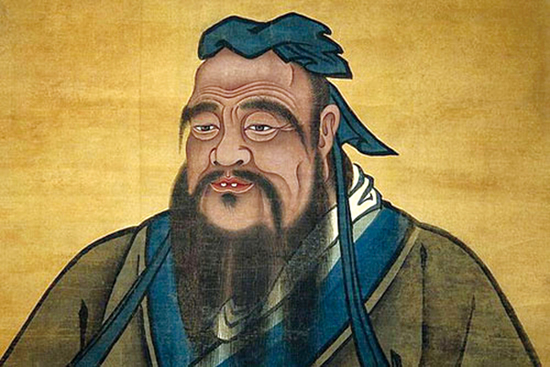
Confucius

Confucius

Artista

Chinese philosopher and teacher whose ethical and political teachings — preserved by his students in the Analects — became the foundation of Chinese civilization. His teaching centers on ren (humaneness), li (propriety), and the cultivation of the noble person.

Ver perfil
Explorar temas
gratitudeforgivenessmemory
Perguntas frequentes

Perguntas frequentes

Confucius emphasized the importance of letting go of past grievances to foster emotional well-being and healthier relationships. By choosing to remember kindnesses, we cultivate gratitude and compassion, which enrich our lives and those around us.

You can apply this teaching by consciously reflecting on your interactions. When faced with conflict or hurt, practice letting go of resentment and focus on the positive actions and kindnesses others have shown you.

Yes, the themes of forgiveness and gratitude are prevalent in Confucian texts, particularly in the Analects, where Confucius discusses the importance of relationships and moral obligations.

Forgiveness involves a conscious decision to release feelings of resentment toward someone who has wronged you, while forgetting in this context refers to the act of not allowing those injuries to dominate your thoughts or actions.

A practice that supports this teaching is journaling about your experiences. Regularly writing down acts of kindness you have received can help reinforce gratitude and shift your focus away from past injuries.

You can encourage others by modeling this behavior in your interactions. Share your own experiences of letting go of grievances and highlight the importance of recognizing and expressing gratitude for kindnesses.

Related Quotes

Ver Tudo
Finding Good News in Every Moment: Thich Nhat Hanh's Poem
Inspiration

Finding Good News in Every Moment: Thich Nhat Hanh's Poem

Voice Temple Kirtan in Pisac: A Farewell Night of Call and Response
Inspiration

Voice Temple Kirtan in Pisac: A Farewell Night of Call and Response

Warmheartedness as the Source of Inner Strength and Trust
Inspiration

Warmheartedness as the Source of Inner Strength and Trust

Ver tudoRelated Quotes→

Continue sua jornada

Mais sabedoria e mais encontros de todo o diretório BrightStar.

Mais artigos

Explore a biblioteca completa de ensinamentos, entrevistas e guias.

Voltar a todos os artigos →

Professores e artistas

Conheça as linhagens, os músicos e os guias do mundo consciente.

Explorar artistas →

Encontre um evento

Kirtan, retiros, banhos de som, breathwork, festivais — acontecendo em breve.

Ver eventos →