BrightStar
BlogMeus ingressos
BlogMeus ingressos
Saved events
Ajuda e contatoCadastrarEntrar
Eventos
  • Ver todos os Eventos
  • Yoga
  • Meditação
  • Respiração consciente
  • Qigong
  • Música sagrada
  • World music
  • Música de medicina
  • Terapia sonora
  • Dança extática
  • Cerimônia
  • Medicina das plantas
  • Cura energética
  • Satsang e sabedoria
  • Tantra
  • Retiros
  • Todas as categorias →
Destinos
  • Bali
  • Sedona
  • Los Angeles
  • Costa Rica
  • Tulum
  • Byron Bay
  • San Francisco
  • Austin
  • New York
  • San Diego
  • Denver
  • Seattle
  • Portland
  • Miami
  • London
  • Maui
  • Boulder
  • Todas as cidades →
Plataforma
  • Para organizadores
  • Junte-se ao movimento
  • Sell Globally
  • Para criadores
  • Para equipes
  • Para escritores
  • Para professores
  • Para artistas de kirtan
  • Para estúdios
  • Para festivais
  • Para centros de retiro
  • Para organizações sem fins lucrativos
  • Embaixador da marca
  • Ingressos grátis
  • Pro
  • Amplify
  • O ecossistema
Recursos

Bilheteira e compra

  • Ticket categories
  • Assigned seating
  • Custom questions
  • Coupon codes
  • Smart pricing
  • Ticket sharing
  • Waitlist
  • Flexible refunds
  • Digital waivers
  • Tip jar
  • Donations and sliding scale
  • Embed widget
  • Mindful checkout
  • Recurring events
  • Private sessions
  • Online courses
  • Summits
  • Rooms and stays
  • Ticket scanner

Marketing e crescimento

  • Abandoned cart recovery
  • Visitor recovery
  • Upsells and add-ons
  • Affiliate engine
  • Upsell affiliate network
  • Brand ambassador
  • Meta retargeting
  • Verified buyer network
  • Outbound email marketing
  • Email sequences
  • SMS and WhatsApp
  • Event upsell network
  • Direct mail campaigns
  • SEO engine
  • Syndication
  • Event sharing
  • Custom event pages
  • Artist profiles
  • Link in bio
  • Event blog
  • Blog newsletter

Pagamentos

  • Payments, powered by Stripe
  • Buy now, pay later
  • Apple Wallet
  • Multi currency

Dados e operações

  • Team access
  • Message center
  • Reports
  • Analytics reporting
  • Performance reporting
  • Customer data
  • Integrations
  • Switch from another platform

IA

  • Assistant
  • AI FAQ assistant
  • Todos os recursos →
Empresa
  • Sobre
  • Perguntas frequentes
  • Contato
  • Blog
  • Glossário
  • Guides
  • Inspiração
  • Central de ajuda
  • Documentação da API
  • Recursos da marca
  • Imprensa
  • Termos de Serviço
  • Política de Privacidade

Eventos

  • Ver todos os Eventos
  • Yoga
  • Meditação
  • Respiração consciente
  • Qigong
  • Música sagrada
  • World music
  • Música de medicina

Destinos

  • Bali
  • Sedona
  • Los Angeles
  • Costa Rica
  • Tulum
  • Byron Bay
  • San Francisco
  • Austin

Plataforma

  • Para organizadores
  • Junte-se ao movimento
  • Sell Globally
  • Para criadores
  • Para equipes
  • Para escritores
  • Para professores
  • Para artistas de kirtan

Recursos

  • Rede da comunidade
  • Recuperação de carrinho abandonado
  • Categorias de ingressos
  • Eventos recorrentes
  • Lugares marcados
  • Sistema de afiliados
  • Lista de espera / Notificar
  • Todos os recursos →

Empresa

  • Sobre
  • Perguntas frequentes
  • Contato
  • Blog
  • Glossário
  • Guides
  • Termos de Serviço
  • Política de Privacidade
Leia mais

Eventos

  • Terapia sonora
  • Dança extática
  • Cerimônia
  • Medicina das plantas
  • Cura energética
  • Satsang e sabedoria
  • Tantra
  • Retiros
  • Todas as categorias →

Destinos

  • New York
  • San Diego
  • Denver
  • Seattle
  • Portland
  • Miami
  • London
  • Maui
  • Boulder
  • Todas as cidades →

Plataforma

  • Para estúdios
  • Para festivais
  • Para centros de retiro
  • Para organizações sem fins lucrativos
  • Embaixador da marca
  • Ingressos grátis
  • Pro
  • Amplify
  • O ecossistema

Empresa

  • Inspiração
  • Central de ajuda
  • Documentação da API
  • Recursos da marca
  • Imprensa

Bilheteira e compra

  • Ticket categories
  • Assigned seating
  • Custom questions
  • Coupon codes
  • Smart pricing
  • Ticket sharing
  • Waitlist
  • Flexible refunds
  • Digital waivers
  • Tip jar
  • Donations and sliding scale
  • Embed widget
  • Mindful checkout
  • Recurring events
  • Private sessions
  • Online courses
  • Summits
  • Rooms and stays
  • Ticket scanner

Marketing e crescimento

  • Abandoned cart recovery
  • Visitor recovery
  • Upsells and add-ons
  • Affiliate engine
  • Upsell affiliate network
  • Brand ambassador
  • Meta retargeting
  • Verified buyer network
  • Outbound email marketing
  • Email sequences
  • SMS and WhatsApp
  • Event upsell network
  • Direct mail campaigns
  • SEO engine
  • Syndication
  • Event sharing
  • Custom event pages
  • Artist profiles
  • Link in bio
  • Event blog
  • Blog newsletter

Pagamentos

  • Payments, powered by Stripe
  • Buy now, pay later
  • Apple Wallet
  • Multi currency

Dados e operações

  • Team access
  • Message center
  • Reports
  • Analytics reporting
  • Performance reporting
  • Customer data
  • Integrations
  • Switch from another platform

IA

  • Assistant
  • AI FAQ assistant
Baixe o app
Baixar naApp StoreDisponível noGoogle Play
© 2026 BrightStar. Todos os direitos reservados. BrightStar Selection · Créditos das fotos · Histórico de alterações ·
Inspiration

What Chanting Mantra Does to Your Nervous System

Sadhguru
Sadhguru
Nov 27, 2020
8 min de leitura

De Sadhguru

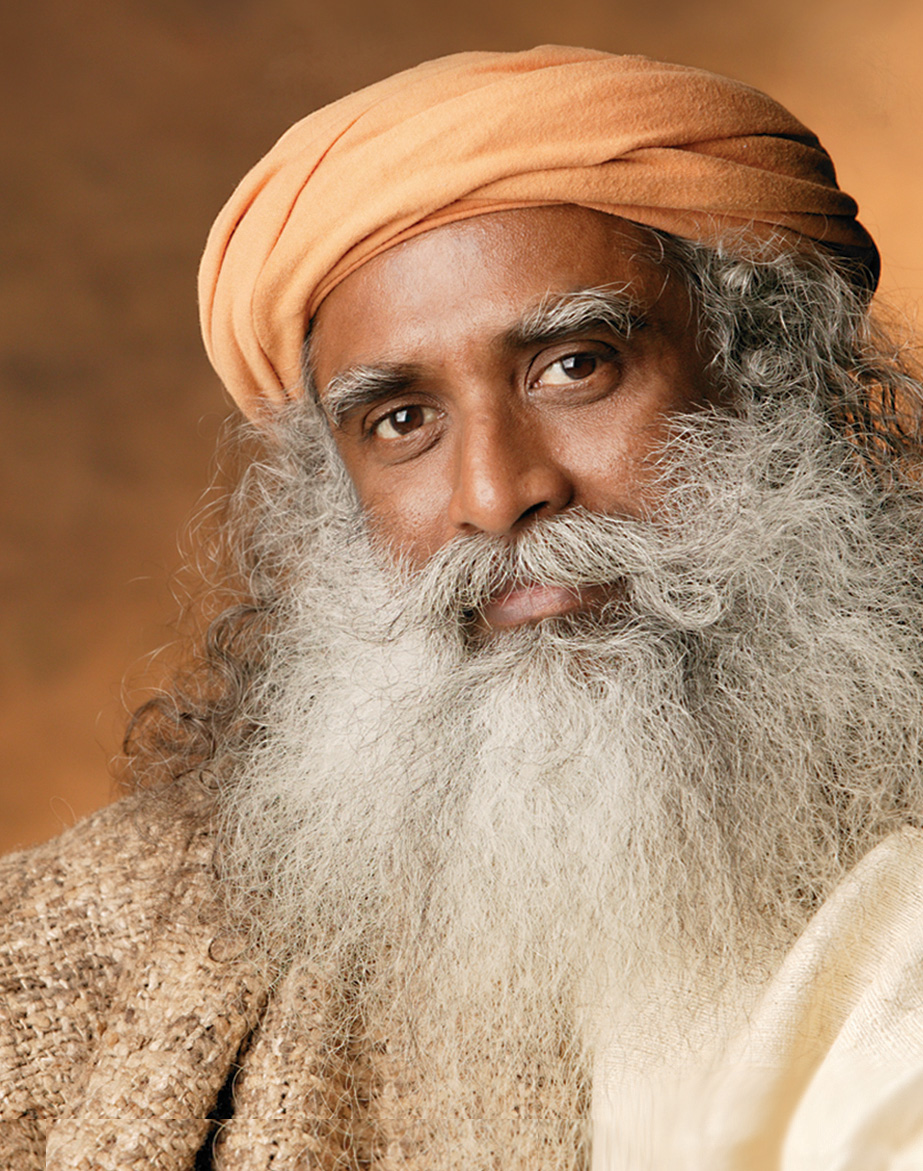
Sadhguru explains that a mantra is not merely words or sound, but a precise acoustic and energetic technology designed to shift consciousness and restructure the nervous system when chanted with proper intention, technique, and consistent practice. Unlike affirmations or positive thinking, mantras operate through vibrational frequency—the specific arrangement of syllables creates physiological and neurological effects that occur independent of belief, though understanding the mechanism deepens their efficacy.

Leitura · 8 seções

What Is a Mantra, and How Does It Differ From Other Sounds?

A mantra is not a spiritual belief or metaphorical instruction. Sadhguru emphasizes that a mantra is a precise technology—a combination of sounds with specific vibration frequencies designed to produce measurable effects on the human system. Unlike affirmations, which rely on intellectual acceptance ("I am strong," "I am worthy"), mantras work through acoustic resonance. The physical vibration created by chanting particular syllables in particular sequences directly influences the nervous system, glandular function, and brain chemistry. This is why the correct pronunciation and intonation matter significantly. A mantra pronounced incorrectly will not produce the same results as one chanted properly, because the frequency of vibration is altered.

The word "mantra" derives from Sanskrit: "man" meaning mind and "tra" meaning a tool or instrument. A mantra is therefore literally a tool for the mind—or more precisely, a tool that operates on the mind through the vehicle of sound. This is fundamentally different from positive thinking or cognitive reframing. A mantra's effectiveness does not depend on whether you believe it will work. It operates at a level prior to belief, through the direct impact of vibration on your physiology.

How Does the Vibration of Chanting Affect the Body?

When you chant a mantra, the vocal vibrations stimulate specific tissues and neural pathways in the head, throat, and throughout the body. The skull, sinuses, and palate act as resonating chambers, amplifying certain frequencies. These vibrations trigger the vagus nerve, which regulates the parasympathetic nervous system—the branch responsible for rest, digestion, and emotional regulation. This is why chanting often produces a calming effect, sometimes even spontaneously, regardless of the person's initial mental state.

The pituitary and pineal glands—endocrine organs located deep within the brain that regulate hormones and circadian rhythms—can be stimulated by the precise vibrations created through mantra chanting. Sadhguru notes that ancient yogic systems understood this physical mechanism long before modern neuroscience mapped it. The effect is not metaphorical or psychological alone; it is biochemical and neurological. Consistent chanting of mantras can gradually reshape neural pathways, stabilize hormone secretion, and create a baseline of greater nervous system coherence.

What Is the Role of Intention and Technique in Mantra Practice?

While the vibration itself is the primary mechanism, intention and technique amplify the effect. Chanting a mantra while distracted or with mechanical repetition produces a reduced effect compared to chanting with full presence and internal attention. The intention is not about believing something will happen; rather, it is about directing your awareness inward and maintaining undivided focus on the sound and its resonance within the body.

Proper technique involves several elements: correct pronunciation of syllables, appropriate rhythm (which often follows the natural rhythm of the breath), and an internal orientation of the mind toward the sensation of vibration rather than toward external concerns. When you chant a mantra while simultaneously monitoring where in your body you feel the vibration, you deepen the neurological integration of the practice. The brain's mapping of the body becomes more refined, and the coherence between different regions of the nervous system increases.

Sadhguru emphasizes that the "right manner" of chanting is not about emotional intensity or forceful volume. It is about precision—correct sound, undivided attention, and consistency over time. A person chanting a mantra softly but with complete presence will experience greater effects than someone chanting loudly while mentally elsewhere.

Can Mantras Work if You Don't Believe in Them?

Yes. This is one of the critical insights Sadhguru offers: mantras operate independent of belief. A mantra's physiological effects occur whether or not you believe in spirituality, religion, or the concept of energy. The vibration frequency affects the nervous system regardless of your ideology. A skeptic who chants a mantra with correct technique will experience shifts in nervous system regulation, mood, and cognition just as a believer would. Belief may enhance the practice through positive expectation, but it is not required for the mechanism to activate.

This is why mantra practice can be approached as a secular technology. The ancient yogic texts describe mantras in terms of vibrational physics long before such language existed in Western science. Modern neuroimaging, heart rate variability studies, and hormonal assays now provide empirical evidence for changes in the brain and body that result from consistent mantra chanting. The mechanism is neither mystical nor metaphorical—it is acoustic and physiological.

What Happens With Consistent, Long-Term Mantra Practice?

With sustained chanting over weeks, months, and years, a person's baseline nervous system state shifts. The threshold at which stress activates a fight-or-flight response becomes higher. The ability to return to calm after a stressful event improves. Sleep quality often deepens. Emotional reactivity decreases, not through suppression but through genuine rewiring of the neural systems governing emotional regulation.

Over extended practice, many people report a shift in subjective consciousness—a sense of spaciousness, clarity, or equanimity that extends into daily life beyond the formal practice session. Sadhguru suggests that this is the natural result of repeatedly exposing the nervous system to a particular pattern of coherence. Just as listening to a complex musical piece repeatedly allows you to hear its structure more clearly, repeated exposure to the vibrational pattern of a mantra allows the nervous system to "lock in" to that state with increasing ease.

The dosage and duration matter. A person who chants for five minutes once a week will experience some effect, but far less than someone who practices daily for twenty or thirty minutes. There is also a threshold effect: practice must reach a certain frequency and duration before significant structural shifts occur in the nervous system. This is why in traditional yogic cultures, mantra practice is often embedded in daily life—morning and evening routines, meditation sessions, and communal gatherings—rather than treated as an occasional or optional activity.

Why Do Specific Mantras Have Specific Effects?

Different mantras produce different effects because they activate different neural pathways and vibrational zones in the body. A mantra designed to activate grounding and stability may emphasize lower frequencies and heavier syllables (such as those with the sounds "m," "n," or "ng"). A mantra designed to elevate consciousness or open the heart may emphasize higher frequencies and more open vowel sounds. This is not arbitrary; it is based on acoustic physics and neuroanatomical knowledge preserved in the yogic tradition.

Sadhguru notes that some mantras are designed to be universal in their effect—to promote general well-being and nervous system coherence in any person, regardless of their particular constitution or condition. Other mantras are more specialized, designed for particular purposes or for people with particular temperaments. The choice of mantra matters, but even more important than the specific mantra is the quality of practice—the consistency, the precision, and the internal attention brought to the chanting.

What About Chanting in a Group Versus Alone?

Group chanting (kirtan) creates a resonance field that amplifies the individual effect. When multiple people chant the same mantra in synchrony, their nervous systems begin to entrain—to synchronize—with one another. Neurologically, this happens through mirror neuron activation and through the direct stimulation of the vagus nerve by the group's collective vibration. The experience is often more potent than solitary practice, even if the individual's effort is the same.

Additionally, group chanting provides social coherence and a sense of belonging, which independently benefit nervous system health. Humans are deeply social creatures, and the experience of synchronized movement, breath, and sound with others creates a distinct neurobiological state distinct from solitude. However, Sadhguru also emphasizes that consistent solitary practice is essential; group chanting alone, without individual discipline, will not produce the deepest transformations.

Where to Go From Here

If you are interested in exploring mantra practice, begin with a mantra that resonates with your intention—whether that is grounding, clarity, healing, or simply general well-being. Seek instruction from a qualified teacher who can ensure you are pronouncing the mantra correctly and developing proper technique. Start with a realistic commitment: ten to twenty minutes daily is far more valuable than sporadic longer sessions. Pay attention to internal sensation rather than forcing emotional states. Over time, the effects will accumulate, and you may notice shifts in your baseline nervous system state, emotional resilience, and sense of clarity. The mantra works regardless of belief; your only responsibility is consistent, attentive practice.

Comentários

Carregando a conversa…

O artista desta história

Sadhguru

Sadhguru

Teacher

A modern mystic and spiritual leader who founded the Isha Foundation, blending ancient yogic wisdom with contemporary life to foster inner transformation and environmental sustainability globally.

Ver perfil
Explorar temas
Mantra chantingNervous systemMeditation practiceSound vibrationConsciousness
Perguntas frequentes

Perguntas frequentes

Mantra chanting creates specific acoustic vibrations that stimulate the vagus nerve and activate the parasympathetic nervous system, which regulates relaxation and emotional balance. These vibrations also stimulate the pituitary and pineal glands, which produce hormones affecting mood and sleep. Over time, consistent practice reshapes neural pathways and lowers your baseline stress response.

Yes. Mantras operate through acoustic frequency and physiological resonance, not through belief. A skeptic who chants correctly will experience the same nervous system effects as someone with spiritual beliefs. The mechanism is measurable and reproducible through neuroscience methods like EEG and heart rate variability.

Affirmations are intellectual statements designed to shift your thinking (e.g., 'I am strong'). Mantras are precise acoustic technologies that work through vibration frequency independent of intellectual acceptance. A mantra's effectiveness does not depend on whether you believe it will work; it operates directly on your physiology.

Some people notice calming effects within a single session. Significant shifts in baseline nervous system state, sleep quality, and emotional resilience typically emerge after several weeks of consistent daily practice. The dosage matters—ten to twenty minutes daily produces more reliable results than sporadic longer sessions.

Yes. The specific vibration frequency created by correct pronunciation is what produces the physiological effects. A mantra pronounced incorrectly will not generate the same acoustic frequencies and therefore will not trigger the same nervous system responses as one chanted properly.

Group chanting creates an amplified effect because multiple nervous systems entrain together through mirror neuron activation and collective vibration. However, consistent solitary practice is essential for developing personal discipline and deeper integration. Both are valuable, but individual practice provides the foundation.

Yes. Different mantras activate different neural pathways and vibrational zones based on their acoustic composition. Mantras with heavier sounds promote grounding, while those with higher frequencies may elevate consciousness. A qualified teacher can help match a mantra to your particular intention and constitution.

Você também pode gostar

Ver Tudo
Mind as Vehicle: Are You Driving Consciously?
Inspire

Mind as Vehicle: Are You Driving Consciously?

Explore how the mind functions like a vehicle requiring skilled operation. Learn why unconscious mental habits create suffering and how awar…

9 min read
Sleep Hours and Spiritual Practice: What Yogis Actually Need
Inspire

Sleep Hours and Spiritual Practice: What Yogis Actually Need

Sadhguru reveals his personal sleep patterns and explains why the typical 8-hour prescription doesn't apply to those with disciplined yogic …

8 min read
Medicine Buddha Practice: Feeling Beneath the Thinking
Inspire

Medicine Buddha Practice: Feeling Beneath the Thinking

Lama Rod Owens opens a Monday-night Medicine Buddha session six years into the practice, teaching how to feel an experience instead of think…

10 min read
Soften Every Muscle: Body Scan Meditation for Sleep
Inspire

Soften Every Muscle: Body Scan Meditation for Sleep

Chibs Okereke's head-to-toe body scan asks listeners to soften one muscle at a time. Here is how the breath, jaw, shoulders and back let go,…

9 min read
Ver tudoVocê também pode gostar→

Continue sua jornada

Mais sabedoria e mais encontros de todo o diretório BrightStar.

Mais artigos

Explore a biblioteca completa de ensinamentos, entrevistas e guias.

Voltar a todos os artigos →

Professores e artistas

Conheça as linhagens, os músicos e os guias do mundo consciente.

Explorar artistas →

Encontre um evento

Kirtan, retiros, banhos de som, breathwork, festivais — acontecendo em breve.

Ver eventos →
