BrightStar
BlogMeus ingressos
BlogMeus ingressos
Saved events
Ajuda e contatoCadastrarEntrar
Eventos
  • Ver todos os Eventos
  • Para buscadores
  • Yoga
  • Meditação
  • Respiração consciente
  • Qigong
  • Música sagrada
  • World music
  • Música de medicina
  • Terapia sonora
  • Dança extática
  • Cerimônia
  • Medicina das plantas
  • Cura energética
  • Satsang e sabedoria
  • Tantra
  • Retiros
  • Todas as categorias →
Destinos
  • Bali
  • Sedona
  • Los Angeles
  • Costa Rica
  • Tulum
  • Byron Bay
  • San Francisco
  • Austin
  • New York
  • San Diego
  • Seattle
  • Portland
  • Miami
  • London
  • Maui
  • Boulder
  • Oakland
  • Todas as cidades →
Plataforma
  • Publique seu evento grátis
  • Autopilot
  • Junte-se ao movimento
  • Sell Globally
  • Para criadores
  • Para equipes
  • Para escritores
  • Para professores
  • Para artistas de kirtan
  • Para estúdios
  • Para festivais
  • Para centros de retiro
  • Para organizações sem fins lucrativos
  • Embaixador da marca
  • Ingressos grátis
  • Elevate
  • Amplify
  • O ecossistema
Recursos

Bilheteira e compra

  • Ticket categories
  • Assigned seating
  • Custom questions
  • Coupon codes
  • Smart pricing
  • Ticket sharing
  • Waitlist
  • Flexible refunds
  • Digital waivers
  • Tip jar
  • Donations and sliding scale
  • Embed widget
  • Mindful checkout
  • Recurring events
  • Private sessions
  • Online courses
  • Summits
  • Rooms and stays
  • Ticket scanner

Marketing e crescimento

  • Abandoned cart recovery
  • Visitor recovery
  • Upsells and add-ons
  • Affiliate engine
  • Upsell affiliate network
  • Brand ambassador
  • Meta retargeting
  • Verified buyer network
  • Outbound email marketing
  • Email sequences
  • SMS and WhatsApp
  • Event upsell network
  • Direct mail campaigns
  • SEO engine
  • Syndication
  • Event sharing
  • Custom event pages
  • Artist profiles
  • Link in bio
  • Event blog
  • Blog newsletter

Pagamentos

  • Payments, powered by Stripe
  • Buy now, pay later
  • Apple Wallet
  • Multi currency

Dados e operações

  • Team access
  • Message center
  • Reports
  • Analytics reporting
  • Performance reporting
  • Customer data
  • Integrations
  • Switch from another platform

IA

  • Maestro
  • AI FAQ assistant
  • Todos os recursos →
Empresa
  • Sobre
  • Perguntas frequentes
  • Contato
  • Blog
  • Glossário
  • Inspiração
  • Central de ajuda
  • Documentação da API
  • Recursos da marca
  • Imprensa
  • Termos de Serviço
  • Política de Privacidade

Eventos

  • Ver todos os Eventos
  • Para buscadores
  • Yoga
  • Meditação
  • Respiração consciente
  • Qigong
  • Música sagrada
  • World music

Destinos

  • Bali
  • Sedona
  • Los Angeles
  • Costa Rica
  • Tulum
  • Byron Bay
  • San Francisco
  • Austin

Plataforma

  • Publique seu evento grátis
  • Autopilot
  • Junte-se ao movimento
  • Sell Globally
  • Para criadores
  • Para equipes
  • Para escritores
  • Para professores

Recursos

  • Rede da comunidade
  • Recuperação de carrinho abandonado
  • Categorias de ingressos
  • Eventos recorrentes
  • Lugares marcados
  • Sistema de afiliados
  • Lista de espera / Notificar
  • Todos os recursos →

Empresa

  • Sobre
  • Perguntas frequentes
  • Contato
  • Blog
  • Glossário
  • Inspiração
  • Termos de Serviço
  • Política de Privacidade
Leia mais

Eventos

  • Música de medicina
  • Terapia sonora
  • Dança extática
  • Cerimônia
  • Medicina das plantas
  • Cura energética
  • Satsang e sabedoria
  • Tantra
  • Retiros
  • Todas as categorias →

Destinos

  • New York
  • San Diego
  • Seattle
  • Portland
  • Miami
  • London
  • Maui
  • Boulder
  • Oakland
  • Todas as cidades →

Plataforma

  • Para artistas de kirtan
  • Para estúdios
  • Para festivais
  • Para centros de retiro
  • Para organizações sem fins lucrativos
  • Embaixador da marca
  • Ingressos grátis
  • Elevate
  • Amplify
  • O ecossistema

Empresa

  • Central de ajuda
  • Documentação da API
  • Recursos da marca
  • Imprensa

Bilheteira e compra

  • Ticket categories
  • Assigned seating
  • Custom questions
  • Coupon codes
  • Smart pricing
  • Ticket sharing
  • Waitlist
  • Flexible refunds
  • Digital waivers
  • Tip jar
  • Donations and sliding scale
  • Embed widget
  • Mindful checkout
  • Recurring events
  • Private sessions
  • Online courses
  • Summits
  • Rooms and stays
  • Ticket scanner

Marketing e crescimento

  • Abandoned cart recovery
  • Visitor recovery
  • Upsells and add-ons
  • Affiliate engine
  • Upsell affiliate network
  • Brand ambassador
  • Meta retargeting
  • Verified buyer network
  • Outbound email marketing
  • Email sequences
  • SMS and WhatsApp
  • Event upsell network
  • Direct mail campaigns
  • SEO engine
  • Syndication
  • Event sharing
  • Custom event pages
  • Artist profiles
  • Link in bio
  • Event blog
  • Blog newsletter

Pagamentos

  • Payments, powered by Stripe
  • Buy now, pay later
  • Apple Wallet
  • Multi currency

Dados e operações

  • Team access
  • Message center
  • Reports
  • Analytics reporting
  • Performance reporting
  • Customer data
  • Integrations
  • Switch from another platform

IA

  • Maestro
  • AI FAQ assistant
Baixe o app
Baixar naApp StoreDisponível noGoogle Play
© 2026 BrightStar. Todos os direitos reservados. Créditos das fotos ·
Inspiration

How Unnecessary Thinking Creates Suffering

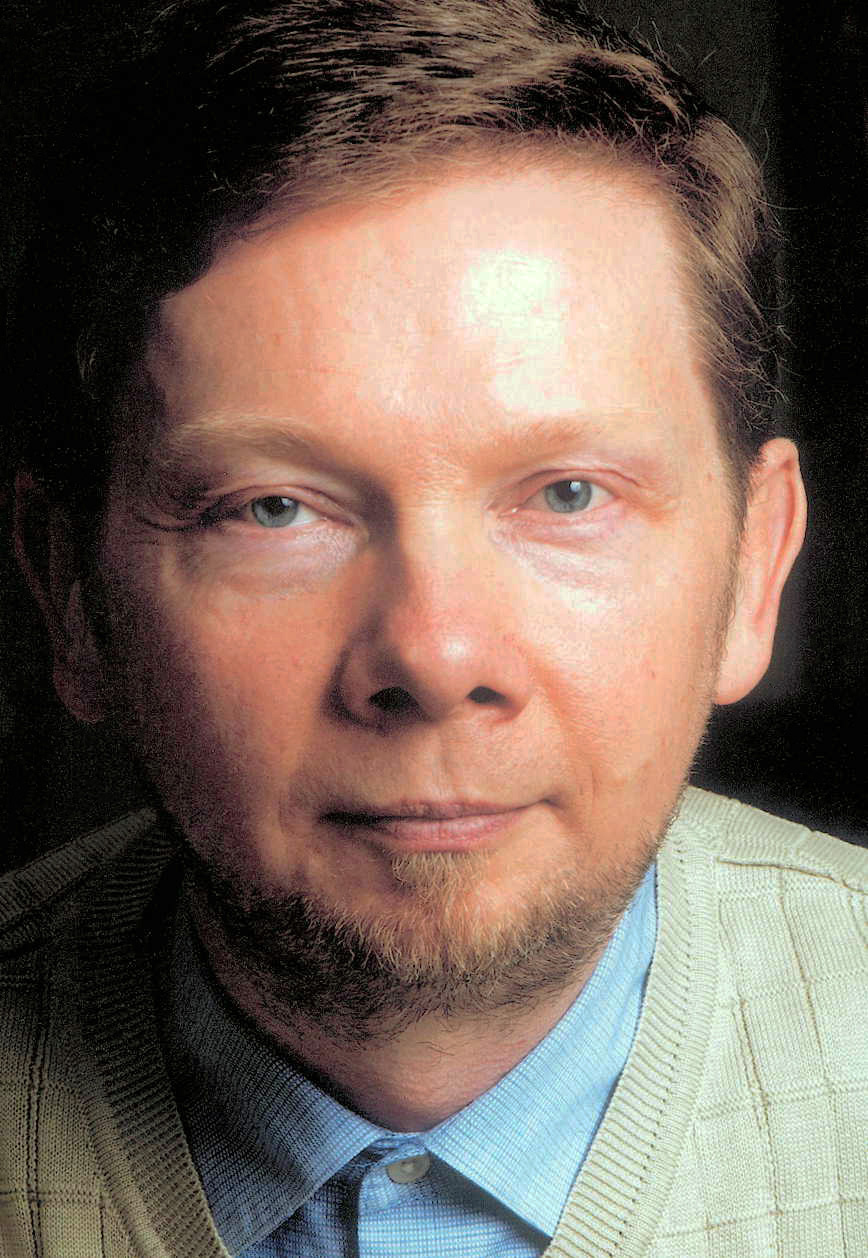
Eckhart Tolle
Eckhart Tolle
May 18, 2026
6 min de leitura

De Eckhart Tolle

Assistir · 5

A significant portion of human unhappiness stems not from actual present circumstances, but from unnecessary and often destructive mind activity—particularly the tendency to overthink, worry, and project problems into imaginary futures. Most people remain unconscious of this pattern. The solution lies in developing awareness of when the mind is generating suffering through non-existent problems, particularly observable in situations like lying awake at night catastrophizing.

Leitura · 6 seções

What creates suffering if not actual circumstances?

The fundamental insight at the core of this teaching is that humans generate a substantial amount of their own unhappiness through unnecessary thinking. This is distinct from the mind's legitimate survival functions—the capacity to think, plan, and solve real problems. Rather, it refers to a particular mode of mental activity that creates problems where none objectively exist.

When you lie awake at night in bed and begin to worry, you're experiencing a direct example of this mechanism. The worry itself generates the unhappiness; the actual circumstances you're worrying about may not have manifested, and may never manifest. Yet the mind's rehearsal of these imaginary scenarios produces very real suffering. This is a loop where thought creates an emotional state, which in turn reinforces the thought pattern.

The tragedy, as Tolle points out, is that most people don't even realize this is happening. They experience the unhappiness as a direct result of their circumstances, when in fact a significant portion of it is manufactured by the mind's own activity. They mistake the thought-generated problem for reality.

Why does the mind create problems that don't exist?

The mind has evolved to identify threats and solve problems. This is a survival mechanism that has served humanity well when deployed appropriately. However, most people's minds remain in a kind of overdrive, constantly scanning for potential problems, spinning scenarios, and working through hypothetical difficulties—many of which have no basis in present reality.

This unnecessary thinking often carries a negative or destructive quality. Rather than calm, strategic problem-solving, it tends toward worry, rumination, blame, and catastrophization. The mind gets stuck in loops where it rehearses the same unhelpful thoughts repeatedly, each cycle generating fresh emotional disturbance.

What compounds the issue is that people are largely unconscious of this process. The thoughts feel compelling, urgent, and real. There's often a sense that "I must worry about this" or "I should be thinking about this problem," without awareness that the worry and thinking are themselves the primary source of suffering, not a necessary response to actual danger.

How can you recognize when your mind is generating non-existent problems?

The most common and relatable example is the nighttime worry loop. You're lying in bed, physically safe and warm. There are no immediate threats. Yet your mind begins spinning scenarios about work, relationships, finances, health, or social situations. Each thought feels real and urgent. The emotional state created by these thoughts—anxiety, dread, despair—feels like a justified response to genuine danger.

The key recognition is that the danger exists only in thought. The actual present moment contains no threat. Your body is secure. The problem you're worrying about is not happening right now. This gap between the thought-generated problem and the thought-free present is where awareness becomes possible.

Recognizing this pattern requires a shift in perspective. Instead of being completely absorbed in the content of your thoughts—the story of what might happen—you notice the fact that you are thinking. You become aware of the mind's activity itself, rather than identifying completely with what the mind is saying.

What's the role of awareness in dissolving unnecessary suffering?

Awareness is described not as a solution to implement or technique to master, but simply as the capacity to see what's actually happening. When you become aware that your mind is generating an imaginary problem, the spell of complete identification with that problem begins to break. You create a small space between yourself and the thought pattern.

This awareness doesn't require fighting the thoughts or trying to replace them with positive ones. It's more fundamental than that. It's the simple recognition: "This mind activity is creating suffering. The actual present moment doesn't contain this problem." That recognition itself begins to dissolve the unconscious momentum of the negative thinking.

The teaching suggests that much of human unhappiness persists precisely because people don't have this awareness. They remain trapped in what feels like an unavoidable situation—"I'm worried" or "I'm anxious"—when actually they're caught in a particular mode of mind activity that could be seen clearly and transcended. Awareness is the necessary first step.

How much of human suffering is actually unnecessary?

Tolle's claim is substantial: a "significant part" of the unhappiness in people's lives is generated by unnecessary negative mind activity. This doesn't mean all suffering is unnecessary. Real losses, genuine challenges, actual difficulties warrant emotional responses. The point is that beyond what's truly required to navigate real circumstances, most people add layers of suffering through compulsive negative thinking.

Consider the difference: A real problem requires thought and action to address. Unnecessary thinking about the problem—worrying about whether you'll solve it, how terrible it would be if you don't, what others will think—adds suffering without adding value. Often the unnecessary thinking actually prevents clear, effective action by flooding the system with emotional noise.

The implication is profound: if a significant portion of your unhappiness is self-generated through thought patterns you're not even aware of, then your capacity for wellbeing is far greater than you think. Much suffering is not inevitable. It's a product of a particular mode of mind activity that can be observed and transcended.

What's the first step beyond recognizing this pattern?

The teaching stops short of prescribing specific practices, but the logic is clear: awareness itself is the solution. The first step is to notice when your mind is doing this—generating unnecessary problems, spinning worry loops, creating suffering through thought. The most accessible opportunity to notice this is often in moments like lying awake at night, when the contrast between physical safety and mental turbulence becomes obvious.

From that point of awareness, the compulsive quality of the thinking naturally begins to lose its grip. You're no longer completely identified with the content of the thought. You see it as mental activity, not as truth that must be acted upon or believed.

Where to go from here: Notice your own patterns of unnecessary thinking, particularly in vulnerable moments like before sleep. Rather than trying to change your thoughts, simply observe: Is this thought about something happening right now, or is it a projection, a worry, a story my mind is creating? What would it feel like to let the thought be there without completely identifying with it? This basic awareness, practiced gently and repeatedly, reveals the gap between thought and reality where freedom becomes possible.

Comentários

Carregando a conversa…

Transcript

[0:00] Humans

[0:01] tend to overthink.

[0:04] There is a lot of not only unnecessary

[0:09] thinking that generates unnecessary

[0:13] and in many cases non-existent problems

[0:17] such as when you lie awake at night in

[0:20] bed and start worrying.

[0:23] It generates

[0:25] a lot of unnecessary

[0:28] unhappiness.

[0:30] People don't realize that a significant

[0:33] part of

[0:35] the unhappiness in their lives

[0:38] is actually

[0:40] generated by

[0:42] unnecessary

[0:44] negative often destructive

[0:48] mind activity and they don't even know

[0:51] it.

O artista desta história

Eckhart Tolle

Eckhart Tolle

Spiritual Teacher

Eckhart Tolle is a spiritual teacher and author whose bestsellers The Power of Now and A New Earth have introduced millions to living in the present moment, and who sees awakened Presence as the essential next step in human evolution.

Ver perfil
Explorar temas
Unnecessary thinkingMind sufferingOverthinkingWorryAwareness
Perguntas frequentes

Perguntas frequentes

According to this teaching, a significant portion of unhappiness comes from unnecessary negative mind activity rather than actual present circumstances. Most anxiety about future scenarios is the mind rehearsing problems that don't currently exist—the worry itself is the primary source of suffering, not a necessary response to real danger.

The mind evolved to identify threats and solve problems, which is useful for genuine survival needs. However, most people's minds run continuously in overdrive, scanning for potential problems and rehearsing hypothetical difficulties—a pattern that persists largely outside conscious awareness.

Rather than trying to stop the thinking, the teaching points to awareness as the solution. By noticing when your mind is generating imaginary problems versus responding to present reality, you create distance from the thought pattern and its grip naturally weakens.

Real problems that require thought and action are legitimate. The unnecessary part is the compulsive, repetitive worrying that doesn't lead to action—spinning catastrophic scenarios, rehearsing worst-case outcomes, and creating emotional disturbance without adding value to problem-solving.

Most people remain unconscious of their mind's activity, mistaking thought-generated problems for reality. The unhappiness feels justified by the content of their thoughts, so they don't recognize that the thinking itself is the primary source of suffering.

The teaching suggests that awareness itself is the primary tool—simply noticing that the mind is creating an imaginary problem breaks the spell of complete identification with it. This recognition naturally begins to dissolve the compulsive quality of the negative thinking.

Você também pode gostar

Ver Tudo
God Beyond the Sky: Rethinking Divine Nature
Inspire

God Beyond the Sky: Rethinking Divine Nature

God is not an external judge deciding human suffering. Suffering itself becomes the mechanism through which consciousness awakens to itself.…

6 min read
God, Suffering, and the One Life Across Traditions
Inspire

God, Suffering, and the One Life Across Traditions

Eckhart Tolle explores how Islam, Buddhism, and Greek philosophy all point to the same ultimate reality—and why the problem of suffering dis…

7 min read
Sacred Feminine Power: Chanting Devi Beyond the Mat
Inspire

Sacred Feminine Power: Chanting Devi Beyond the Mat

An in-person gathering in Bengaluru merges ancient devotional chanting with modern psychotherapy to explore how the Goddess archetype illumi…

8 min read
Work Isn't Your Spiritual Problem—Attachment Is
Inspire

Work Isn't Your Spiritual Problem—Attachment Is

The Bhagavad Gita teaches that career and ambition aren't obstacles to spirituality—attachment, ego, and ownership are what bind us.…

2 min read
Ver tudoVocê também pode gostar→

Continue sua jornada

Mais sabedoria e mais encontros de todo o diretório BrightStar.

Mais artigos

Explore a biblioteca completa de ensinamentos, entrevistas e guias.

Voltar a todos os artigos →

Professores e artistas

Conheça as linhagens, os músicos e os guias do mundo consciente.

Explorar artistas →

Encontre um evento

Kirtan, retiros, banhos de som, breathwork, festivais — acontecendo em breve.

Ver eventos →