BrightStar
BlogMeus ingressos
BlogMeus ingressos
Saved events
Ajuda e contatoCadastrarEntrar
Eventos
  • Ver todos os Eventos
  • Yoga
  • Meditação
  • Respiração consciente
  • Qigong
  • Música sagrada
  • World music
  • Música de medicina
  • Terapia sonora
  • Dança extática
  • Cerimônia
  • Medicina das plantas
  • Cura energética
  • Satsang e sabedoria
  • Tantra
  • Retiros
  • Todas as categorias →
Destinos
  • Bali
  • Sedona
  • Los Angeles
  • Costa Rica
  • Tulum
  • Byron Bay
  • San Francisco
  • Austin
  • New York
  • San Diego
  • Denver
  • Seattle
  • Portland
  • Miami
  • London
  • Maui
  • Boulder
  • Todas as cidades →
Plataforma
  • Para organizadores
  • Junte-se ao movimento
  • Sell Globally
  • Para criadores
  • Para equipes
  • Para escritores
  • Para professores
  • Para artistas de kirtan
  • Para estúdios
  • Para festivais
  • Para centros de retiro
  • Para organizações sem fins lucrativos
  • Embaixador da marca
  • Ingressos grátis
  • Pro
  • Amplify
  • O ecossistema
Recursos

Bilheteira e compra

  • Ticket categories
  • Assigned seating
  • Custom questions
  • Coupon codes
  • Smart pricing
  • Ticket sharing
  • Waitlist
  • Flexible refunds
  • Digital waivers
  • Tip jar
  • Donations and sliding scale
  • Embed widget
  • Mindful checkout
  • Recurring events
  • Private sessions
  • Online courses
  • Summits
  • Rooms and stays
  • Ticket scanner

Marketing e crescimento

  • Abandoned cart recovery
  • Visitor recovery
  • Upsells and add-ons
  • Affiliate engine
  • Upsell affiliate network
  • Brand ambassador
  • Meta retargeting
  • Verified buyer network
  • Outbound email marketing
  • Email sequences
  • SMS and WhatsApp
  • Event upsell network
  • Direct mail campaigns
  • SEO engine
  • Syndication
  • Event sharing
  • Custom event pages
  • Artist profiles
  • Link in bio
  • Event blog
  • Blog newsletter

Pagamentos

  • Payments, powered by Stripe
  • Buy now, pay later
  • Apple Wallet
  • Multi currency

Dados e operações

  • Team access
  • Message center
  • Reports
  • Analytics reporting
  • Performance reporting
  • Customer data
  • Integrations
  • Switch from another platform

IA

  • Assistant
  • AI FAQ assistant
  • Todos os recursos →
Empresa
  • Sobre
  • Perguntas frequentes
  • Contato
  • Blog
  • Glossário
  • Guides
  • Inspiração
  • Central de ajuda
  • Documentação da API
  • Recursos da marca
  • Imprensa
  • Termos de Serviço
  • Política de Privacidade

Eventos

  • Ver todos os Eventos
  • Yoga
  • Meditação
  • Respiração consciente
  • Qigong
  • Música sagrada
  • World music
  • Música de medicina

Destinos

  • Bali
  • Sedona
  • Los Angeles
  • Costa Rica
  • Tulum
  • Byron Bay
  • San Francisco
  • Austin

Plataforma

  • Para organizadores
  • Junte-se ao movimento
  • Sell Globally
  • Para criadores
  • Para equipes
  • Para escritores
  • Para professores
  • Para artistas de kirtan

Recursos

  • Rede da comunidade
  • Recuperação de carrinho abandonado
  • Categorias de ingressos
  • Eventos recorrentes
  • Lugares marcados
  • Sistema de afiliados
  • Lista de espera / Notificar
  • Todos os recursos →

Empresa

  • Sobre
  • Perguntas frequentes
  • Contato
  • Blog
  • Glossário
  • Guides
  • Termos de Serviço
  • Política de Privacidade
Leia mais

Eventos

  • Terapia sonora
  • Dança extática
  • Cerimônia
  • Medicina das plantas
  • Cura energética
  • Satsang e sabedoria
  • Tantra
  • Retiros
  • Todas as categorias →

Destinos

  • New York
  • San Diego
  • Denver
  • Seattle
  • Portland
  • Miami
  • London
  • Maui
  • Boulder
  • Todas as cidades →

Plataforma

  • Para estúdios
  • Para festivais
  • Para centros de retiro
  • Para organizações sem fins lucrativos
  • Embaixador da marca
  • Ingressos grátis
  • Pro
  • Amplify
  • O ecossistema

Empresa

  • Inspiração
  • Central de ajuda
  • Documentação da API
  • Recursos da marca
  • Imprensa

Bilheteira e compra

  • Ticket categories
  • Assigned seating
  • Custom questions
  • Coupon codes
  • Smart pricing
  • Ticket sharing
  • Waitlist
  • Flexible refunds
  • Digital waivers
  • Tip jar
  • Donations and sliding scale
  • Embed widget
  • Mindful checkout
  • Recurring events
  • Private sessions
  • Online courses
  • Summits
  • Rooms and stays
  • Ticket scanner

Marketing e crescimento

  • Abandoned cart recovery
  • Visitor recovery
  • Upsells and add-ons
  • Affiliate engine
  • Upsell affiliate network
  • Brand ambassador
  • Meta retargeting
  • Verified buyer network
  • Outbound email marketing
  • Email sequences
  • SMS and WhatsApp
  • Event upsell network
  • Direct mail campaigns
  • SEO engine
  • Syndication
  • Event sharing
  • Custom event pages
  • Artist profiles
  • Link in bio
  • Event blog
  • Blog newsletter

Pagamentos

  • Payments, powered by Stripe
  • Buy now, pay later
  • Apple Wallet
  • Multi currency

Dados e operações

  • Team access
  • Message center
  • Reports
  • Analytics reporting
  • Performance reporting
  • Customer data
  • Integrations
  • Switch from another platform

IA

  • Assistant
  • AI FAQ assistant
Baixe o app
Baixar naApp StoreDisponível noGoogle Play
© 2026 BrightStar. Todos os direitos reservados. BrightStar Selection · Créditos das fotos · Histórico de alterações ·
Inspiration

How Unconscious Thinking Creates Mental Suffering

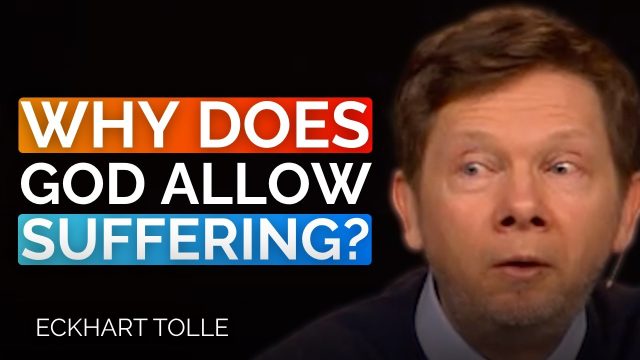
Eckhart Tolle
Eckhart Tolle
Feb 4, 2026
6 min de leitura

De Eckhart Tolle

Most people experience ongoing mental suffering without recognizing it stems from unconscious, automatic thinking patterns. These habitual thoughts construct and reinforce an unhappy identity—a false sense of self built from repetitive mental loops. The torture is not from external circumstances alone, but from identification with compulsive, often negative thought patterns that run without conscious awareness. Freedom comes through recognizing these patterns and accessing a deeper awareness that exists independent of thinking itself.

Leitura · 6 seções

What Is the Torture of the Mind?

The "torture of the mind" described here is not acute or dramatic pain, but a chronic, low-level suffering that most people experience as normal. This torture operates invisibly because it becomes so familiar that we stop noticing it. You might describe it as constant worry, self-criticism, rumination about the past, or anxiety about the future—yet you experience it as "just how life is," rather than as a problem you're suffering from.

The core mechanism is that your mind generates thoughts automatically, often unconsciously, and you identify with those thoughts as if they are truth or identity. A critical thought about yourself becomes "proof" that you are inadequate. A worry about tomorrow becomes "proof" that danger is coming. This process happens so quickly and habitually that you don't recognize it as a mental process at all—it feels like reality.

How Does Unconscious Thinking Create Unhappy Identity?

Identity is not something fixed or innate. It is constructed continuously through thought. When you repeatedly think "I am not good enough," "I am unlovable," "I am a failure," or "I don't belong," these thoughts accumulate and crystallize into a sense of self. This constructed identity then filters how you perceive everything. You interpret feedback, relationships, and events through the lens of this unhappy identity.

The problem is that most of this identity-building happens unconsciously. You are not deliberately choosing these thoughts; they arise automatically from conditioning, past experiences, and cultural programming. Yet because they are habitual and because you have identified with them for years or decades, they feel true and unchangeable. The torture comes from living as if an artificially constructed, negative identity is the truth of who you are.

When your mind is operating unconsciously, you are essentially being run by old programs. Your thoughts are shaped by fears learned in childhood, comparisons learned from culture, and patterns of self-criticism learned from authority figures. You experience these as your own authentic thoughts and feelings, but they are largely inherited patterns running on autopilot. This autopilot is the source of the torture—because autopilot does not allow for genuine choice, growth, or freedom.

What Is the Difference Between Unconscious and Conscious Thinking?

Unconscious thinking happens automatically, without your noticing. You are identified with it; you believe it without question. When an unconscious thought arises—"I'm going to fail at this"—you don't examine it. You simply act as though it's true. Your body tenses, your energy contracts, and you move through the day under the weight of this unexamined belief.

Conscious thinking, by contrast, involves awareness. You notice a thought arising. You can observe it. You can question it. You can recognize it as a thought—a mental product—rather than as absolute truth or final identity. This simple shift—from being thoughts to observing thoughts—is fundamentally liberating.

When you become conscious of your thinking, you also gain the capacity to choose which thoughts to engage with and which to let pass. You are no longer entirely run by conditioning. Some thoughts will continue to arise—that is normal—but you are no longer enslaved by them because you are not identified with them.

What Role Does Identification Play in Mental Suffering?

Identification is the mechanism that transforms a thought into suffering. A thought like "That person didn't greet me warmly" is just a thought. But if you identify with the thought and use it to reinforce a belief like "I am unlikeable," then you have added a layer of identity-based suffering on top of the event itself.

Most people are identified with the content of their thoughts. You believe your thoughts are you—that they reveal your true nature, your capabilities, your worth. When this happens, a critical thought feels like a statement of fact about yourself. Anxiety feels like accurate prediction. Self-doubt feels like self-knowledge.

The torture intensifies because you are not just thinking negative thoughts; you are using those thoughts to define yourself. You are in dialogue with yourself in which you are both the torturer (the part generating criticism) and the tortured (the part receiving and believing the criticism). This internal split, invisible and unconscious, is where much mental suffering comes from.

The path to freedom involves recognizing this identification and loosening it. You begin to see thoughts as mental events that arise and pass, rather than as commands or truths about your identity. This doesn't eliminate thoughts, but it changes your relationship to them fundamentally.

How Can You Access Freedom From Unconscious Thinking?

Freedom begins with awareness. You cannot free yourself from what you are not conscious of. The first step is to notice that you are suffering—to recognize the torture, rather than accepting it as inevitable. This recognition itself is a form of consciousness breaking through the unconscious pattern.

Once you notice unconscious thinking, you can begin to observe it without judgment. This is not about trying to change your thoughts or eliminate negative thinking. It is about creating space between yourself and your thoughts. When a critical thought arises, instead of immediately believing it and acting on it, you pause. You notice: "There is a thought occurring." This simple noticing is the beginning of freedom.

As you practice this awareness, you also begin to access a dimension of consciousness that exists prior to and independent of thinking. This is not another thought or belief system. It is a direct, present awareness—sometimes called presence or being. In this state, you are conscious, alert, and alive, but you are not identified with the stream of thinking. The torture of the mind cannot reach you here because the torture depends on identification with thought.

This shift does not happen all at once. Old patterns of unconscious thinking continue to arise. But as your awareness grows, you spend less time trapped in these patterns and more time in a state of conscious presence. Over time, the grip of unconscious thinking loosens, and you experience genuine freedom—freedom that is not dependent on having positive thoughts, but on not being enslaved by any automatic identification with thoughts at all.

Where to go from here

If you recognize yourself in this description, the next step is to practice noticing your thinking without trying to fix it. Throughout the day, pause periodically and ask yourself: "What thought am I identified with right now?" Notice the thought without judgment. This simple practice of observation is the gateway to the freedom described here. Over time, this awareness will naturally expand, and the torture of the mind will lose its power over you.


Comentários

Carregando a conversa…

O artista desta história

Eckhart Tolle

Eckhart Tolle

Spiritual Teacher

Eckhart Tolle is a spiritual teacher and author whose bestsellers The Power of Now and A New Earth have introduced millions to living in the present moment, and who sees awakened Presence as the essential next step in human evolution.

Ver perfil
Explorar temas
Unconscious thinkingMental sufferingIdentityConsciousnessPresence
Perguntas frequentes

Perguntas frequentes

Unconscious thinking operates automatically and without awareness, meaning you identify with thoughts as absolute truth without examining them. This identification causes you to use these thoughts to construct an unhappy identity, which then filters how you perceive everything. The suffering arises not from the thoughts themselves, but from the automatic belief in and identification with them as truth about who you are.

Having negative thoughts is normal and universal; everyone's mind generates critical or anxious thoughts. The torture comes when you are identified with these thoughts—when you believe them as absolute truth and use them to define yourself. Conscious awareness of thoughts as mental events, rather than identity, breaks this torture because you stop being enslaved by automatic identification.

No—and that is not the goal. The goal is to change your relationship to thoughts rather than eliminate them. Thoughts will continue to arise, including negative or critical ones. Freedom comes from noticing these thoughts without identifying with them, creating space between your awareness and the thought stream. This space is where true freedom exists.

Start by simply noticing your thoughts and recognizing them as mental events arising in consciousness. You can practice pausing throughout the day and observing: "What thought am I identified with right now?" Without trying to change anything, this awareness itself begins to loosen the identification. Over time, you access a state of conscious presence that is independent of thinking, which is the source of genuine freedom.

No—the mind is a useful tool for thinking, planning, and problem-solving. The torture comes specifically from unconscious identification with automatic thought patterns. A conscious mind, used deliberately, is valuable. The problem is when the mind operates without awareness and you are enslaved by its automatic patterns rather than using it as a tool.

Presence is a direct, aware state that exists prior to and independent of thinking. It is not another belief or positive thought—it is consciousness itself, alert and alive without identification with the mind's chatter. You access this through awareness and observation. In this state, the torture of unconscious thinking cannot reach you because it depends on identification with automatic thought.

Você também pode gostar

Ver Tudo
God Beyond the Sky: Rethinking Divine Nature
Inspire

God Beyond the Sky: Rethinking Divine Nature

God is not an external judge deciding human suffering. Suffering itself becomes the mechanism through which consciousness awakens to itself.…

6 min read
God, Suffering, and the One Life Across Traditions
Inspire

God, Suffering, and the One Life Across Traditions

Eckhart Tolle explores how Islam, Buddhism, and Greek philosophy all point to the same ultimate reality—and why the problem of suffering dis…

7 min read
Kirtan as Sacred Thirst: A Closing Ceremony with Krishna Das
Inspire

Kirtan as Sacred Thirst: A Closing Ceremony with Krishna Das

Krishna Das closes NYC's annual kirtan weekend with a final ceremony of devotional chanting, blending musical innovation with timeless Hindu…

6 min read
Direct Recognition of Pure Being Beyond Mind
Inspire

Direct Recognition of Pure Being Beyond Mind

A guide to recognizing the unchanging witness beneath thought. This satsang shows how to find the stability that observes all mental activit…

9 min read
Ver tudoVocê também pode gostar→

Continue sua jornada

Mais sabedoria e mais encontros de todo o diretório BrightStar.

Mais artigos

Explore a biblioteca completa de ensinamentos, entrevistas e guias.

Voltar a todos os artigos →

Professores e artistas

Conheça as linhagens, os músicos e os guias do mundo consciente.

Explorar artistas →

Encontre um evento

Kirtan, retiros, banhos de som, breathwork, festivais — acontecendo em breve.

Ver eventos →