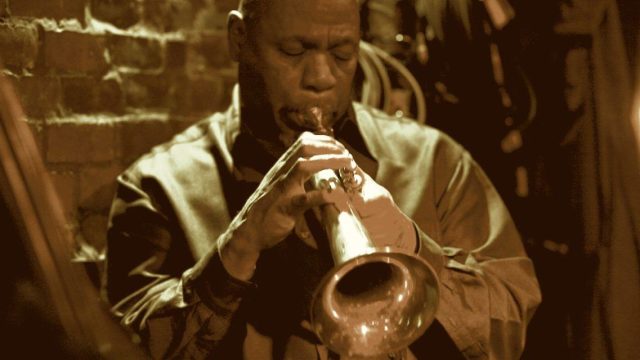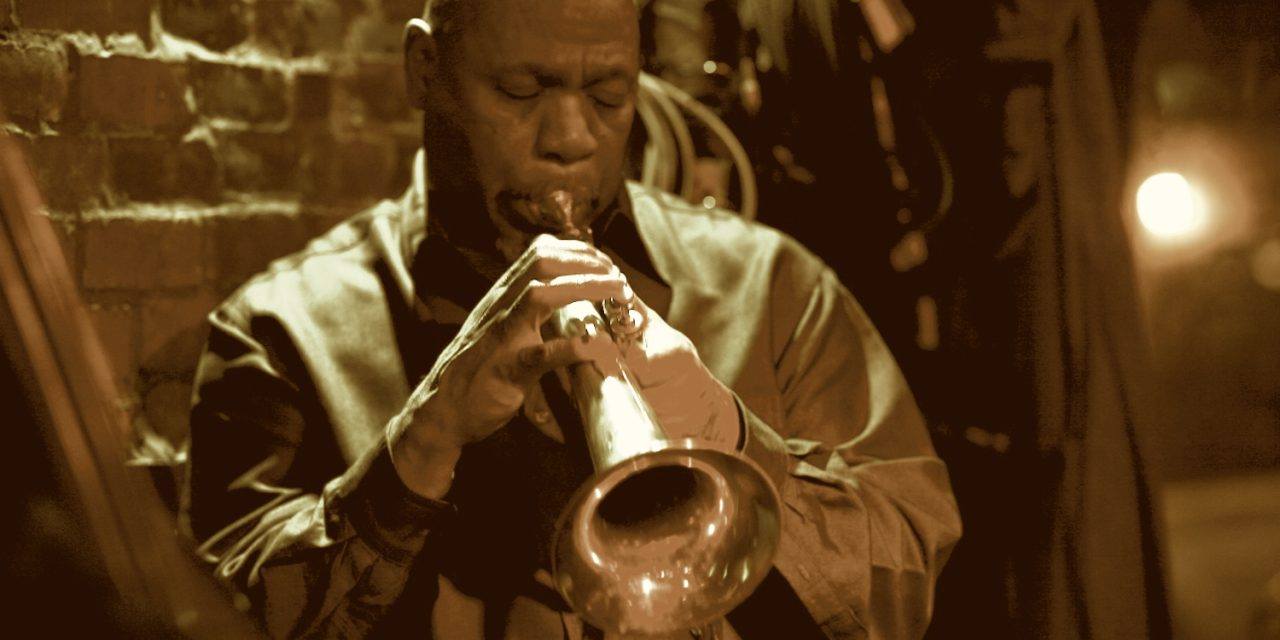

Arthur Brooks was born in 1964 in Seattle, Washington. According to his profile bio, he grew up in a family that valued education and the arts, and he was encouraged to explore a range of interests from an early age. Two threads marked those years: a passion for music and a deep curiosity about the human experience. Both would later shape his career.
The documented record of his childhood is thin. The bio does not name teachers, instruments, or formative performances, and this article does not supply them. What it does offer is an outline of a person drawn early to two questions that rarely share a room: how music moves people, and how people live together.
Brooks pursued his education at Harvard University, where he earned a degree in social science, followed by a Ph.D. in public policy. That training is central to understanding him. Most musicians working near the wellness and conscious-music world arrive from performance, ceremony, or contemplative practice. Brooks's stated grounding is in the analytical study of society.
The bio describes this background as the foundation for a multifaceted career as a musician, author, and social scientist, one that lets him blend artistic talent with intellectual pursuit. The profile does not describe a single dramatic turning point. It presents instead a gradual convergence, in which an early love of music and a long-standing curiosity about human experience met rigorous training in how communities and societies function.
Brooks is best known as a musician and composer who works at the meeting point of classical and contemporary music. The bio says his albums reflect an understanding of human emotions and societal issues. It also credits him as the author of books on happiness, success, and the importance of community, and as a teacher and public speaker who encourages people to find joy and purpose and to contribute to the communities around them.
What distinguishes him is the framing. Much conscious music draws on a spiritual or ceremonial vocabulary. Brooks's frame is closer to social science: music, writing, and speaking treated as one body of work about happiness, community, and human connection. The aim, as the bio describes it, is to make complex ideas accessible to a broad audience and to resonate with both the intellect and the spirit.
His influences are named in general terms: classical composers, contemporary musicians, and elements of Stoicism and positive psychology. The Stoic thread is especially telling. It suggests music less as ecstatic escape than as disciplined attention to what a person can control and how they relate to others. Positive psychology supplies the vocabulary of flourishing. No devotional tradition or teaching lineage is attached to his profile, and none should be assumed.
Here the record needs candor. The profile describes several albums and numerous books, but it does not list titles, release dates, or a discography. It shows no Spotify or Apple Music presence. Anyone hoping for a tidy catalog will have to assemble one from his official website, arthurbrooks.com, and his YouTube channel, which is the most direct way to hear and see his work and to judge his voice, pacing, and speaking style for oneself.
The profile also tags his work with topics beyond composition: mindfulness, wellness, authentic relating, self-inquiry, medicine music, spiritual teaching, workshops, and retreats. These tags indicate subjects the work touches, not credentials, and the profile does not describe the format of any session. They do suggest a live practice in which ideas are explored in participatory settings, through reflective conversation and sound, rather than only presented from a stage.
Because the sound itself is described only as a blend of classical and contemporary, with no instruments, vocal approach, or tempo specified, it is best not to guess. The stated intent, music that asks for attention rather than serving as ambience, is the most reliable guide.
The most concrete signs of his present work are two listings dated December 7, 2026, both in the Santa Fe, New Mexico area: a gathering at Modern Elder Academy in Lamy, and a session at Rising Circle Ranch in Santa Fe. Because both fall on the same day in the same region, they may reflect a single New Mexico trip rather than a broader tour. The settings, an academy and a ranch, fit the retreat-and-workshop character of his tagged interests, and no other cities or tour dates appear. Anyone planning to attend should confirm format, admission, and musical content with the organizers.
Brooks reaches a particular kind of audience: listeners and readers who want substance behind the mood. His work is for people drawn to reflection, happiness, and human connection, and who are willing to read as well as listen. It is less suited to those seeking high-energy music, a devotional chant practice with a documented tradition, or a streaming catalog of hits. Those who find the emphasis on ideas less immersive than purely contemplative sound will notice the tradeoff, and skeptics may reasonably find claims about music's role in societal transformation ambitious.
His significance lies in the combination itself. A composer who is also a trained social scientist and public speaker is uncommon, and it gives the work both an artistic and an argumentative character. He encourages audiences to engage with their communities, a different register from the typical concert artist, whose invitation is usually inward.
It should also be said plainly that the profile lists no awards and no press coverage. The bio's characterizations of his influence are not independently documented honors, and readers weighing his standing should look to sources outside the directory. For now, the clearest evidence of his work remains the official website, the YouTube channel, and the scheduled live events. A newcomer might begin there, then follow whichever strand, music, writing, or speaking, holds their attention.