

Sam Rae
Songwriter · Iowa, USA
Sobre
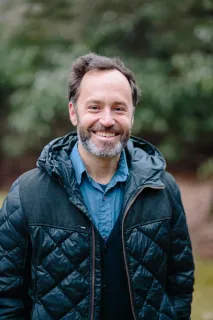
Sam Rae (they/them) is a Charleston-based songwriter and cellist, originally from Iowa. Their work blends the tradition of storytelling through song with roots in classical cello and improvisational cello looping. Rae's Americana and folk-driven songs pair vibrant vocals and acoustic guitar with strong lyrical content, and between songs the cello becomes a hypnotic interlude, with improvised, looped melodies that remind the audience how fleeting every moment can be.
Sam Rae (they/them) is a Charleston-based songwriter and cellist, originally from Iowa. Their work blends the tradition of storytelling through song with roots in classical cello and improvisational cello looping. Rae's Americana and folk-driven songs pair vibrant vocals and acoustic guitar with strong lyrical content, and between songs the cello becomes a hypnotic interlude, with improvised, looped melodies that remind the audience how fleeting every moment can be.
Rae earned a degree in Classical Cello Performance from the University of Iowa, where they also studied jazz and improvisation on the cello, and studied cello abroad in Valparaíso, Chile. They began looping the cello after seeing Zoë Keating live at the Englert Theater in 2012, and have toured and performed original music since 2011. Their sound is inspired by the moment and translated directly through the cello, an invitation to explore what happens when we let go of perceived structure and control.
Alongside national tours as an independent artist, Rae has been cellist and backup singer for Grammy Award-winning artist Brandi Carlile (2015, 2018–2021), toured with Gregory Alan Isakov as a member of the Ghost Orchestra, and collaborated with artists including Courtney Marie Andrews and Andrea Gibson. Their albums are Stories from the Marrow (2014), Bring Us to New Islands (2017), Ten Thousand Years (2020) and Live at the Englert (2026). In 2022 they released the single "Child of Love" to raise money for TransSanta, an organization that anonymously supports trans youth through the holidays.
Charleston Magazine describes Rae as an entity that "…is intentional. Once you accept that Rae is taking you on a journey, you can surrender to the ride."
Perguntas
Questions
Sam Rae (they/them) is a Charleston-based songwriter and cellist originally from Iowa, and the work stands out because the looping cello sits at the center of folk and Americana songs rather than serving as background color. Rae earned a Classical Cello Performance degree at the University of Iowa, where jazz and improvisation on the cello were also part of the training, and later studied cello in Valparaíso, Chile. Rae began looping after seeing Zoë Keating perform at the Englert Theater in 2012 and has performed original music since 2011. The career runs on two tracks: independent national tours under Rae's own name, and work as cellist and backup singer for Brandi Carlile in 2015 and from 2018 to 2021. Rae has also toured with Gregory Alan Isakov as a member of the Ghost Orchestra. The profile lists the role as Meditation Teacher, but the material available here documents the songwriting and cello work, so readers looking for teaching details should check Rae's website directly.
Rae's work belongs to the American folk storytelling line, with songs built on lyric and character and carried by vocals and acoustic guitar in the Americana and folk songwriting idiom. The second lineage is classical, since the cello training from the University of Iowa supplies the technical foundation, and the jazz study on the same instrument supplies the improvisational instinct. The looping itself traces directly to Zoë Keating, whose 2012 performance at the Englert Theater is named as the spark. Rae describes the sound as inspired by the moment and translated directly through the cello, which places the practice closer to improvisation than to fixed composed arrangement. No formal teacher lineage is documented in the available material, and the bio frames the cello as a hypnotic interlude within song rather than as part of a devotional or ritual school. The clearest reading is a Western folk and classical hybrid with improvisation as the connecting principle.
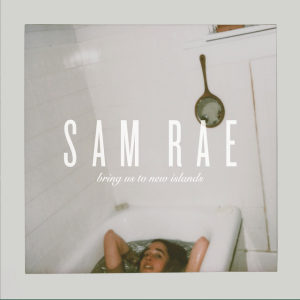
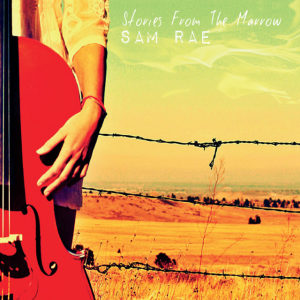
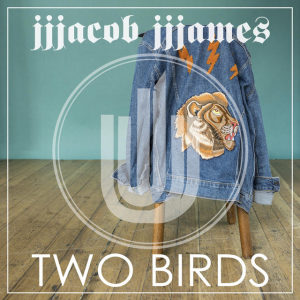
Start with Stories from the Marrow, the earliest album in the catalog at ten tracks from 2014, which shows the storytelling-through-song approach before the looping became more elaborate. Bring Us to New Islands from 2017 is the natural next step, an eight-track album that pairs narrative songwriting with the cello interludes. The Space Librarian from 2021 is the longest release at seventeen tracks and is the best test of how far the improvised cello language has developed. Ten Thousand Years, listed in the bio as a 2020 album, shows the middle stage of the looping style. Live at the Englert, listed in the bio as a 2026 release, is the closest recording to hearing the looping in real time, and the singles The Doubt from 2021 and Two Birds from 2019 work as short entry points before committing to a full album.
Many folk songwriters who use cello treat it as an arranged part, while Rae uses it as an improvised structure that loops in real time between songs, so the cello becomes the pause between verses and the thing that lingers after them. The bio describes the interludes as hypnotic and built from improvised, looped melodies, which makes a set feel less like a sequence of separate songs and more like one continuous room. Rae's vocals are described as vibrant rather than hushed, which keeps the cello from reading as ambient wallpaper. The classical training gives the loops a harmonic discipline that purely improvisational looping artists sometimes lack, and the jazz study explains the willingness to leave structure behind. The distinguishing feature is the folk songwriting underneath, which keeps the storytelling anchored even when the cello drifts. The result is closer to a storyteller who pauses to play than to an ambient cellist who occasionally sings.
Listeners who want high-energy, high-BPM material will find the pacing deliberate, because the interludes are slow, looped, and built on repetition rather than drive. Fans of tightly produced, click-track pop or electronic music are unlikely to connect with the open, improvised passages, which can feel unstructured on a first listen. Anyone expecting a devotional chant practice or a set of mantras will be disappointed, since the material is song-based storytelling in the folk and Americana tradition and does not present itself as a ritual or mantra practice. The vocals carry strong lyrical content, so listeners who prefer purely instrumental ambient music may find the words the main focus rather than the atmosphere. Those who want a fully composed, score-based classical program will also find the improvisation a departure from that format. The work suits listeners who enjoy songs about people and places and are willing to sit through a looped cello passage as part of the narrative.
The most reliable source is the official site at samraemusic.com, which the profile links directly. Rae's YouTube channel and Spotify artist page are the other listed hubs for new releases and videos. No upcoming events were crawled for this profile, so no dated tour listings can be quoted here, and anyone planning travel should check the site before committing. Rae has described national touring as an independent artist, so venues are likely to shift across cities rather than settle in one region. Following the Spotify artist page is the quickest way to catch new singles, including Child of Love, which Rae released in 2022 to raise money for TransSanta. Apple Music also lists the artist for those who prefer that platform.
The sound is built on three layers: a vibrant lead vocal, acoustic guitar in the folk and Americana songs, and a cello that works both as accompaniment and as an improvised looping instrument. Between songs the cello drops out of song form and becomes a looped improvisation, which the bio describes as hypnotic and deliberately slow. The lyrical content is strong and story-driven, so the verses carry the narrative while the instrumental passages act as breath. Arrangements are sparse by design, with cello layers doing the work a full band would handle on a typical Americana record. The pacing is unhurried, and the interludes are where the music shifts from songwriting toward something closer to improvised cello practice. Newcomers often expect a conventional singer-songwriter set and are surprised by how long the loops hold, which is the most distinctive element of the live sound.
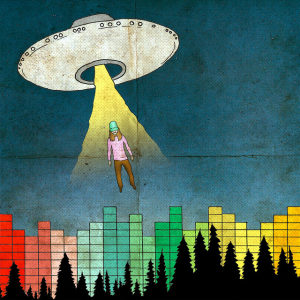
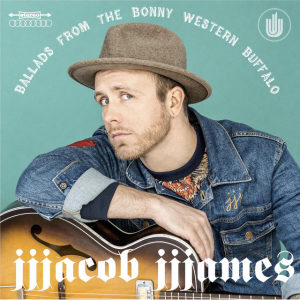
The core catalog runs from Stories from the Marrow, a ten-track album from 2014, through Bring Us to New Islands, an eight-track release from 2017. Ten Thousand Years from 2020 and The Space Librarian from 2021 extend the work, and The Space Librarian at seventeen tracks is the most substantial release in the available discography. It is the best place to hear the songwriting and the looping working together at full length. Bring Us to New Islands is a strong companion to the earlier album, showing the storytelling approach with the cello in its interlude role. Ten Thousand Years is worth pairing with The Space Librarian to compare how the looping changed over those years. Live at the Englert, listed in the bio as a 2026 album, is the most recent entry and the closest recording to the live experience. Ballads from the Bonny Western Buffalo, a five-track release from 2019, is catalogued as a single, so it works as a mini-release rather than a full album.
The core instruments are cello, acoustic guitar, and voice, with the cello handling both arranged parts and looped improvisation. Rae's classical training from the University of Iowa and jazz and improvisation study on the instrument form the technical base for the looping. Collaborators named in the bio include Brandi Carlile, with whom Rae played cello and sang backup in 2015 and from 2018 to 2021, and Gregory Alan Isakov, through the Ghost Orchestra. Rae has also collaborated with Courtney Marie Andrews and Andrea Gibson. The Two Birds single credits Sam Rae as a featured artist, which is one concrete example of Rae's role on a collaborative track. The bio does not list a regular band lineup, so the solo looping setup is the standard format for Rae's own shows.
The available material does not label any track for meditation, yoga, or ceremonial use, so no recordings are documented as purpose-built for those settings. The closest match is the looped cello interlude, which the bio describes as hypnotic and built on improvised melodies that remind the audience how fleeting each moment is. Those passages are unhurried and repetitive, which many listeners find useful for quiet attention, but they are not framed as a practice tool. Listeners looking for a set designed for stillness should expect the songs to be narrative and vocal-led, with the instrumental loops providing breathing room rather than a dedicated meditation track. The profile's listing of Meditation Teacher suggests a connection to contemplative practice, yet the public documentation here does not describe any teaching-linked recordings. Anyone interested in that angle should check Rae's website for listed practice material before assuming a track fits a specific use.





É você? Reivindicar esta página ›
There's more where this came from.
BrightStar is the global directory of artists, teachers, and healers in the wellness and spiritual movement. Find your next experience — or add yourself.
Discover More Artists
Browse 14,000+ curated profiles across kirtan, yoga, meditation, and beyond.
Explore directory →Find an Event Near You
Kirtan, retreats, sound baths, breathwork, ceremonies — happening this week.
Browse events →Add Your Profile
Are you an artist, teacher, or healer? Get listed — free, AI-assisted, live in minutes.
Get started →