

Marieke Bos
Meditation Teacher
Sobre
Marieke Bos is a meditation teacher, music producer and artist based on the spiritual path. She says she has been involved in spirituality, music production and art for more than 20 years. She facilitates Oneness Blessing Circles and group meditations on a regular basis.
Marieke Bos is a meditation teacher, music producer and artist based on the spiritual path. She says she has been involved in spirituality, music production and art for more than 20 years. She facilitates Oneness Blessing Circles and group meditations on a regular basis.
Her first guided meditation, "Beyond the Mind into the Silence of Existence", is a chant that features Steve Tsakiris. It has an accompanying video. It sits within her Beyond the Mind series of meditations, chants and music.
Her website, which carries the tagline "Music and Video to Lift Your Spirit", gathers her releases under Sacred Names Productions. These include meditations and chants, instrumental albums, and pop and soft rock albums. The site notes that its instrumental albums are South African Music Awards (SAMA) nominated. Much of the work is devoted to Christian and mystical themes. Titles include "Psalm 20" with Roz Griffin, "Agape" with Tulla Eckhart, and "Towards the Ain Soph Light". Her writing about the music speaks of unconditional divine love and of the sacred language of the Divine Names. She also writes of living from the heart in peace together through times of change.
Her music and videos are available on the major streaming services. The site also offers companion booklets for several of the albums.
Perguntas
Questions
Marieke Bos is a meditation teacher, music producer and artist who says she has worked across spirituality, music production and art for more than 20 years. She facilitates Oneness Blessing Circles and group meditations on a regular basis, and her recorded output is gathered under the Sacred Names Productions banner. The catalogue runs from the 1999 album Star Fields to the 2026 album YHWH Ahavah, so the body of work spans more than two decades. What draws serious listeners is the pairing of Christian mystical texts with meditative chant and instrumental music, rather than the generic wellness sound common in meditation music. Her writing on the music returns to unconditional divine love, the sacred language of the Divine Names, and living from the heart in peace through times of change. Reach is modest, with roughly 1,500 Spotify followers, so this is a niche and devotional catalogue rather than a mainstream one.
The record does not name a formal lineage or a lineage teacher, so the most honest reading comes from the traditions her titles and texts draw on. Much of the catalogue is devoted to Christian and mystical themes, with titles built on Hebrew and biblical language such as YHWH Ahavah, Shekinah Shalom, Towards the Ain Soph Light and Psalm 20. Ain Soph is the Kabbalistic term for the limitless divine, and Shekinah names the indwelling presence of God, which places the work within Jewish mystical vocabulary as well as Christian contemplation. The 2017 chant subtitled Eirene Tou Theou uses Greek for the peace of God, while the 2020 chant Gate Gate Paragate sets a Sanskrit mantra from the Buddhist Heart Sutra. The closest description is a scripture-centred devotional line that treats the Divine Names as sound to be chanted rather than only text to be read. Anyone expecting a single school of meditation will instead find a deliberate blend of Hebrew, Greek, Christian and Buddhist sources, each used for a specific title.
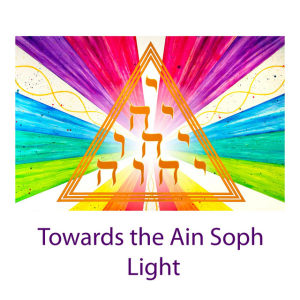
The most practical entry point is “Beyond the Mind into the Silence of Existence,” her first guided meditation, which exists as a 2016 Meditation version, a 2016 Music version and a 2017 Chant version subtitled Eirene Tou Theou. The chant features Steve Tsakiris and has an accompanying video, so the same theme can be heard spoken, instrumental and sung. Listen to the Meditation version first to learn the guided structure, then the Music version for the instrumental backdrop. From there, the 2025 singles “Agape” with Tulla Eckhart and “Psalm 20” with Roz Griffin show her collaborative voices at a short length. For a full album, Towards the Ain Soph Light, released in 2023 with twelve tracks, is a manageable commitment that keeps the Hebrew-titled devotional thread intact. Because the series repeats one theme across versions, a newcomer can compare treatments without committing to a long album first.
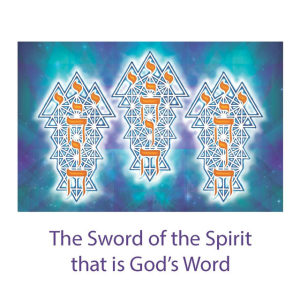
Her distinctiveness lies in holding the teaching role and the recording catalogue together, so the group practice of Oneness Blessing Circles connects directly to the records rather than sitting apart from them. The Divine Names are the central mechanism, with names such as YHWH, Shekinah and Ahavah chanted as sacred sound rather than cited as scriptural references. Her catalogue is heavily scripture-driven for a meditation teacher, and the 13-track album The Sword of the Spirit that is God's Word, released in October 2026, is built on biblical framing. Her site notes that the instrumental albums carry South African Music Awards (SAMA) nominations, which places the work within a national music recognition system rather than only meditation circles. The layering of guided meditation, chant, instrumental and pop or soft rock albums gives her output more entry points than a teacher who releases guided audio alone. Fewer meditation teachers also produce and release their own multi-format catalogue, and that is where her profile is most distinctive.
Her work is not built for listeners who want high-energy, high-BPM or danceable music, since the core of the catalogue is slow chant, meditation and instrumental material. The pop and soft rock albums her site describes are the least meditative part of the output, and listeners who want a single meditative mood may prefer to skip them. Anyone seeking Buddhist or Hindu chant repertoire will find only one Buddhist-derived mantra in the discography, surrounded by mostly Hebrew, Christian and mystical titles. Listeners who prefer a secular or non-theist approach to meditation will find the framing of unconditional divine love and the Divine Names hard to separate from the music itself. The vocabulary also presumes some familiarity with scripture and Hebrew terms, which can frustrate newcomers without that background. Finally, a Spotify footprint of roughly 1,500 followers means fewer public reviews are available to help triangulate taste for anyone deciding by word of mouth.
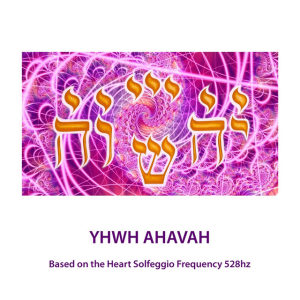
Her official site, mariekebos.co.za, is the most complete source for releases and companion booklets, and her Spotify artist page and YouTube channel carry new singles and videos. The two October 2026 releases, The Sword of the Spirit that is God's Word on October 10 and YHWH Ahavah on October 16, are already available, so the Spotify profile is the fastest way to catch the next release. No upcoming tour dates, cities or retreats had been crawled for this profile, so the record does not show a live calendar. Her live activity is documented as Oneness Blessing Circles and group meditations facilitated on a regular basis, so the most reliable route to a live session is through her website. Anyone considering attendance should confirm format, location and schedule directly with her, since those details are not in the record. Following the YouTube channel also keeps the Beyond the Mind video in view as a reference point for new listeners.
Her catalogue divides into three visible strands: chants and meditations, instrumental albums, and pop and soft rock albums, according to her website. The chant strand centres on sung sacred names and devotional phrases, and the Beyond the Mind series presents one theme as meditation, chant and music, so the same material can be heard spoken, sung and purely instrumental. The instrumental albums are the ones her site says are SAMA nominated, and their restraint is the clearest expression of her work as a music producer. Her documented collaborators are Steve Tsakiris on the Beyond the Mind chant, Roz Griffin on Psalm 20, and Tulla Eckhart on Agape. The record does not itemise instruments, tempos or production credits, so any description of the sound should stay close to the stated purpose of the work. What the titles and stated aims point to is a devotional restraint in which the voice and the sacred word carry each piece rather than rhythm.
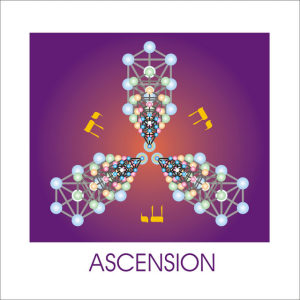
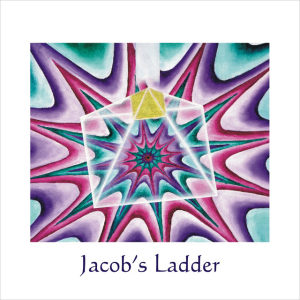
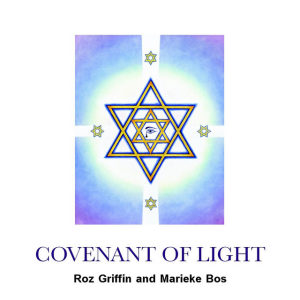
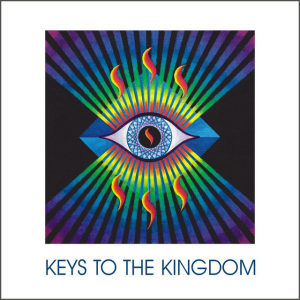
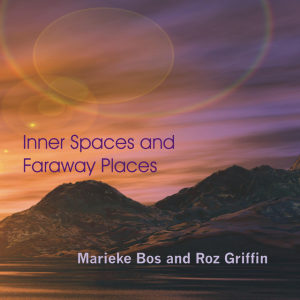
The discography runs from Star Fields (1999) and The Eternal Present (2001) through Inner Spaces and Faraway Places (2003), Keys to the Kingdom (2005) and Covenant of Light (2015), to Ascension (2019), Jacob's Ladder (2019), Towards the Ain Soph Light (2023) and the two 2026 albums. For a serious listener, Jacob's Ladder is the most substantial album from 2019 at twenty-two tracks, and it pairs well with Ascension, released the same year. Covenant of Light, from 2015, is an earlier statement of the Christian-mystical direction that later albums develop. Towards the Ain Soph Light is a strong choice for listeners who want the Kabbalistic thread, while The Sword of the Spirit that is God's Word is the newest full album at thirteen tracks. YHWH Ahavah, also from 2026, lists only two tracks, so it reads more as a short release than a full album. Newcomers should treat the 2026 pair as recent work whose reception has not yet had time to settle.
The clearest meditation pieces are the 2016 Meditation version of “Beyond the Mind into the Silence of Existence,” which is guided, and the 2016 Music version, which can serve as an instrumental backdrop for a silent sit. The 2017 Chant version suits sung repetition, since the Eirene Tou Theou subtitle and the sacred-name structure give a practitioner something to return to. For shorter, repeatable chants, “Gate Gate Paragate (Chant)” from 2020 and “Shekinah Shalom” from 2021 are each single-length and easy to fold into a daily practice. The record documents no yoga-specific tracks, so yoga practitioners would be adapting general meditation music rather than using material made for physical practice. Ceremony is the more natural fit, since the Oneness Blessing Circles she facilitates are the documented group context, although the site does not say which recordings are used there. Listening to one track before committing to a full album remains the best test of whether the pacing suits a given practice.
The record documents that Marieke Bos facilitates Oneness Blessing Circles and group meditations on a regular basis, but it does not describe session format, length, or whether sessions are held in person or online. What can be said is that the teaching is group-based, with chant and sacred-name practice running through it, rather than a solo, lecture-led approach. Her recorded guided meditation, Beyond the Mind, suggests a structure of spoken guidance with a sung or instrumental layer, which points to a practice meant to be followed by ear. Her writing on the music emphasises living from the heart and peace together through times of change, which suggests a teaching oriented toward steadiness rather than dramatic experience. Prospective students should contact her through her website, since session and retreat details are not published in the data available here. A first session is the most reliable way to judge whether the chanted format suits a given learner.





É você? Reivindicar esta página ›
There's more where this came from.
BrightStar is the global directory of artists, teachers, and healers in the wellness and spiritual movement. Find your next experience — or add yourself.
Discover More Artists
Browse 14,000+ curated profiles across kirtan, yoga, meditation, and beyond.
Explore directory →Find an Event Near You
Kirtan, retreats, sound baths, breathwork, ceremonies — happening this week.
Browse events →Add Your Profile
Are you an artist, teacher, or healer? Get listed — free, AI-assisted, live in minutes.
Get started →