BrightStar
ブログマイチケット
ブログマイチケット
Saved events
ヘルプ・お問い合わせ新規登録ログイン
イベント
  • すべてのイベントを見る
  • ヨガ
  • 瞑想
  • ブレスワーク
  • 気功
  • 聖なる音楽
  • ワールドミュージック
  • メディスンミュージック
  • サウンドヒーリング
  • エクスタティックダンス
  • セレモニー
  • プラントメディスン
  • エネルギーヒーリング
  • サットサンと智慧
  • タントラ
  • リトリート
  • すべてのカテゴリ →
目的地
  • Bali
  • Sedona
  • Los Angeles
  • Costa Rica
  • Tulum
  • Byron Bay
  • San Francisco
  • Austin
  • New York
  • San Diego
  • Denver
  • Seattle
  • Portland
  • Miami
  • London
  • Maui
  • Boulder
  • すべての都市 →
プラットフォーム
  • 主催者向け
  • ムーブメントに参加
  • Sell Globally
  • クリエイター向け
  • チーム向け
  • ライター向け
  • 講師向け
  • キルタンアーティスト向け
  • スタジオ向け
  • フェスティバル向け
  • リトリートセンター向け
  • 非営利団体向け
  • ブランドアンバサダー
  • 無料チケット販売
  • Pro
  • Amplify
  • エコシステム
機能

チケット販売と購入

  • Ticket categories
  • Assigned seating
  • Custom questions
  • Coupon codes
  • Smart pricing
  • Ticket sharing
  • Waitlist
  • Flexible refunds
  • Digital waivers
  • Tip jar
  • Donations and sliding scale
  • Embed widget
  • Mindful checkout
  • Recurring events
  • Private sessions
  • Online courses
  • Summits
  • Rooms and stays
  • Ticket scanner

マーケティングと成長

  • Abandoned cart recovery
  • Visitor recovery
  • Upsells and add-ons
  • Affiliate engine
  • Upsell affiliate network
  • Brand ambassador
  • Meta retargeting
  • Verified buyer network
  • Outbound email marketing
  • Email sequences
  • SMS and WhatsApp
  • Event upsell network
  • Direct mail campaigns
  • SEO engine
  • Syndication
  • Event sharing
  • Custom event pages
  • Artist profiles
  • Link in bio
  • Event blog
  • Blog newsletter

決済

  • Payments, powered by Stripe
  • Buy now, pay later
  • Apple Wallet
  • Multi currency

データと運営

  • Team access
  • Message center
  • Reports
  • Analytics reporting
  • Performance reporting
  • Customer data
  • Integrations
  • Switch from another platform

AI

  • Assistant
  • AI FAQ assistant
  • すべての機能 →
会社
  • 概要
  • よくある質問
  • お問い合わせ
  • ブログ
  • 用語集
  • Guides
  • インスピレーション
  • ヘルプセンター
  • APIドキュメント
  • ブランドアセット
  • プレス
  • 利用規約
  • プライバシーポリシー

イベント

  • すべてのイベントを見る
  • ヨガ
  • 瞑想
  • ブレスワーク
  • 気功
  • 聖なる音楽
  • ワールドミュージック
  • メディスンミュージック

目的地

  • Bali
  • Sedona
  • Los Angeles
  • Costa Rica
  • Tulum
  • Byron Bay
  • San Francisco
  • Austin

プラットフォーム

  • 主催者向け
  • ムーブメントに参加
  • Sell Globally
  • クリエイター向け
  • チーム向け
  • ライター向け
  • 講師向け
  • キルタンアーティスト向け

機能

  • コミュニティネットワーク
  • カート放棄リカバリー
  • チケットカテゴリ
  • 定期イベント
  • 座席指定
  • アフィリエイトシステム
  • ウェイトリスト / 通知
  • すべての機能 →

会社

  • 概要
  • よくある質問
  • お問い合わせ
  • ブログ
  • 用語集
  • Guides
  • 利用規約
  • プライバシーポリシー
続きを読む

イベント

  • サウンドヒーリング
  • エクスタティックダンス
  • セレモニー
  • プラントメディスン
  • エネルギーヒーリング
  • サットサンと智慧
  • タントラ
  • リトリート
  • すべてのカテゴリ →

目的地

  • New York
  • San Diego
  • Denver
  • Seattle
  • Portland
  • Miami
  • London
  • Maui
  • Boulder
  • すべての都市 →

プラットフォーム

  • スタジオ向け
  • フェスティバル向け
  • リトリートセンター向け
  • 非営利団体向け
  • ブランドアンバサダー
  • 無料チケット販売
  • Pro
  • Amplify
  • エコシステム

会社

  • インスピレーション
  • ヘルプセンター
  • APIドキュメント
  • ブランドアセット
  • プレス

チケット販売と購入

  • Ticket categories
  • Assigned seating
  • Custom questions
  • Coupon codes
  • Smart pricing
  • Ticket sharing
  • Waitlist
  • Flexible refunds
  • Digital waivers
  • Tip jar
  • Donations and sliding scale
  • Embed widget
  • Mindful checkout
  • Recurring events
  • Private sessions
  • Online courses
  • Summits
  • Rooms and stays
  • Ticket scanner

マーケティングと成長

  • Abandoned cart recovery
  • Visitor recovery
  • Upsells and add-ons
  • Affiliate engine
  • Upsell affiliate network
  • Brand ambassador
  • Meta retargeting
  • Verified buyer network
  • Outbound email marketing
  • Email sequences
  • SMS and WhatsApp
  • Event upsell network
  • Direct mail campaigns
  • SEO engine
  • Syndication
  • Event sharing
  • Custom event pages
  • Artist profiles
  • Link in bio
  • Event blog
  • Blog newsletter

決済

  • Payments, powered by Stripe
  • Buy now, pay later
  • Apple Wallet
  • Multi currency

データと運営

  • Team access
  • Message center
  • Reports
  • Analytics reporting
  • Performance reporting
  • Customer data
  • Integrations
  • Switch from another platform

AI

  • Assistant
  • AI FAQ assistant
アプリを入手
App StoreからApp StoreGoogle Playで手に入れようGoogle Play
© 2026 BrightStar. 全著作権所有. BrightStar Selection · 写真クレジット · 変更履歴 ·
Inspiration

We Forgot How to Grieve: Reclaiming Embodied Ritual

Sah D'Simone
Sah D'Simone
Nov 19, 2026
読了 約4分

出典:Sah D'Simone

視聴 · 6

For most of human history, grief looked nothing like it does in the sterile silence of a modern funeral home or the solitary scroll through condolences on a phone screen. In Ghana, entire communities drummed together—the rhythm itself a vessel for sorrow. In New Orleans, people marched behind brass bands and danced their dead into the earth. In Indonesia, mourners stood in circles, their bodies linked, voices enchanted in collective lamentation. In Ireland, the women wailed—loud, rhythmic, unashamed—and nobody told them to quiet down or pull themselves together.

What changed? The answer, in Sah D'Simone's accounting, lies in a collision of colonial impositions and capitalist efficiency. When colonizers deemed the wailing "savage," when modernity moved death into hospitals and confined grief to 50 minutes a week in a therapist's office, when capitalism handed us three days off work and told us to process our loss on our own time, we lost something fundamental: permission to feel, move, and release together. In the silence that followed, grief didn't disappear. It got stored.

読む · 3セクション

The Body as Grief's Home

D'Simone grounds the case for why we need to move grief in a simple, embodied truth: "Grief is a feeling, and feelings live in the body, and if it doesn't move, it stays stored, and it gets loud." This isn't metaphorical. When emotion remains unexpressed through the body, it accumulates. It has to go somewhere. It has to be shared. It has to become rhythmic. Every culture on this planet, he observes, knew this ancient knowing before the machinery of modernity tried to teach us otherwise.

The modern Western approach to grief isolation is both recent and peculiar. You attend a funeral, wear appropriate clothes, accept casseroles with the right tone of voice, and when someone asks how you're holding up, you say fine—because "fine is the answer that lets everybody leave the room." Then the funeral ends, and you're back at your laptop with the grief still sitting in your chest with nowhere to go. Your boss doesn't want to hear about it. Your friends have their own problems. Your group chat moves on. So you learned to grieve quietly, to keep it contained, to never be "too much."

The cost of this suppression is paid in the body. D'Simone speaks from personal experience: when his mother died, he had 12 years of Buddhist practice behind him, yet he still didn't know where to put the grief. "I was terrified that if I let it out, it would never stop, that it would break me." The practice alone wasn't enough. What shifted him was access to a space where grief could move—where the body was invited to express what the throat couldn't articulate in polite conversation.

Remembering What Was Always There

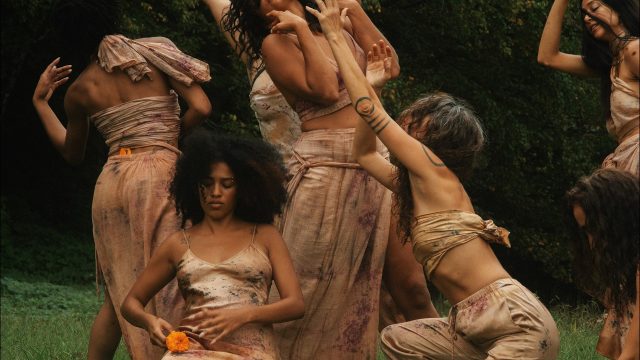
D'Simone's approach to grief ritual doesn't claim invention; it claims remembrance. "We did not invent this, honey. We just remembered it." What he's revived—and what he invites people into—is a grief ritual that, in his words, "looks like a rave." Drums. Bodies moving. Wailing. People allowed to fall apart in a room where nobody has asked them to hold it together. No pretense, no performance of okayness, no three-day deadline before life resumes.

The genius of framing it as "a grief ritual that looks like a rave" lies in its permission structure. A rave already sanctifies movement, embodied expression, and collective energy. By naming the grief dance floor in those terms, D'Simone gives participants cultural permission to do what their bodies already want to do: move, sound, release, and witness each other doing the same. It's not therapy. It's ritual. It's not individual processing. It's collective remembrance of how humans have always metabolized loss.

Where to Go From Here

If grief has been stored in your body—and in modern life, whose hasn't been—the first step is recognition: that feeling is real, that it needs to move, and that keeping it quiet costs you. The second is finding or creating a space where expression is welcomed rather than managed. This might look like D'Simone's Somatic Dance Sunday sessions, or it might be a drum circle, a grief group that moves, or even a solo practice where you give yourself permission to sound and sway without explanation. The third is understanding that you're not broken for needing this. You're remembering what every ancestral culture knew: that the body grieves, and when it does, it needs rhythm, it needs to be held by community, and it needs to be allowed to move all the way through.

コメント

会話を読み込み中…

Transcript

[0:00] For most of human history, this is how

[0:02] people grieved. In Ghana, they drummed.

[0:04] In New Orleans, they marched behind a

[0:06] brass band, and then they danced. In

[0:08] Indonesia, they stood in a circle,

[0:10] linked their bodies, enchanted. In

[0:12] Ireland, the women wailed loud and

[0:15] rhythmic, and nobody asked them to keep

[0:17] it down. And you, my love, you got three

[0:19] days off work. Someone brought a

[0:21] casserole. People asked how you're

[0:23] holding up, and you said fine because

[0:24] fine is the answer that lets everybody

[0:26] leave the room. And then the funeral

[0:28] ended, and you were back on your laptop

[0:30] with the grief still sitting in your

[0:32] chest with nowhere to go. Let's be

[0:34] honest, nobody wants to sit with your

[0:37] [music] grief. Not your boss, not your

[0:38] friends, not your group chat. So you

[0:40] learned to grieve quietly so you

[0:42] wouldn't be too much. Hear me out. Grief

[0:44] is a feeling, and feelings live in the

[0:46] body, and if it doesn't move, it stays

[0:49] stored, and it gets loud. It has to get

[0:52] shared. It has to get rhythmic. Every

[0:54] culture on this planet knew this. Then

[0:56] the colonizers called the wailing

[0:58] savage, modernity hit death in hospitals

[1:00] and gave grief 50 minutes a week with a

[1:02] therapist, and capitalism gave us three

[1:05] days off work and told us [music] to

[1:06] grieve in our own time. When my mother

[1:08] died, I had 12 years of Buddhist

[1:10] practice, and still I didn't know where

[1:12] to put the grief. I was terrified that

[1:14] if I let it out, it would never stop,

[1:16] [music] that it would break me. What I

[1:18] had was a dance floor. So when people

[1:20] asked me what happens on our dance

[1:22] floor, listen to these words. It's a

[1:24] grief ritual that looks like a rave.

[1:26] Drums, bodies, wailing, people falling

[1:28] apart in a room where nobody asked them

[1:31] to hold it together. We did not invent

[1:33] this, honey. We just remembered it. I

[1:35] hope to see you on our dance floor.

Sah D'Simone

Sah D'Simone

アーティスト

Sah D'Simone is a spiritual teacher, humanitarian and bestselling author who created the Somatic Activated Healing (SAH) Method, a trauma-informed practice blending trance dance, breathwork and body-based healing.

プロフィールを見る
トピックを見る
Grief ritualSomatic healingEmbodied practiceCollective mourningEmotional release
よくある質問

よくある質問

Talk therapy is valuable, but grief also lives in the body and needs to move through it. D'Simone notes that modernity confined grief to 50 minutes a week of talking, which can leave the feeling stored in the nervous system. Embodied rituals—drumming, dancing, wailing—allow grief to discharge in ways conversation alone cannot.

Somatic dance is movement that originates from the body's own needs rather than choreography. In the context of grief, it creates space for the body to express what words cannot—through rhythm, sound, and collective presence—allowing stuck emotion to move and release.

D'Simone describes diverse grief rituals: Ghanaians drummed together, New Orleans communities marched behind brass bands and danced, Indonesians stood in linked circles with enchanted voices, and Irish women wailed loudly and rhythmically. All involved collective participation and embodied expression.

If grief stays stored in the body without being expressed or processed, it accumulates and intensifies. D'Simone emphasizes that when feeling doesn't move, it gets loud—manifesting in the nervous system and requiring release through embodied practice.

It's framed as a grief ritual rooted in cultural and ancestral practices, not tied to a specific religion. D'Simone describes it as 'a grief ritual that looks like a rave,' offering a secular container for collective mourning and embodied release.

While personal practice matters, D'Simone emphasizes that historical cultures always grieved collectively—the shared rhythm, witness, and permission to fall apart creates something individual processing cannot. Community presence normalizes the expression and prevents isolation.

こちらもおすすめ

すべて表示
New Moon in Scorpio: Release What No Longer Serves
Inspire

New Moon in Scorpio: Release What No Longer Serves

The Scorpio New Moon invites deep emotional release and transformation. This guided meditation teaches letting go, shadow work, and renewal …

6 min read
Trade My Troubles: How Appalachian Songcraft Became Witness
Inspire

Trade My Troubles: How Appalachian Songcraft Became Witness

Rising Appalachia's new film turns grief into craft—tracing Hurricane Helene's devastation through music, dance, and ancestral tradition.…

6 min read
Embodied Metta: How a Smile Awakens Loving-Kindness
Inspire

Embodied Metta: How a Smile Awakens Loving-Kindness

Tara Brach's embodied metta meditation uses a smile to awaken loving-kindness throughout the body, creating a pathway to nervous system heal…

9 min read
Voice Temple Kirtan in Pisac: A Farewell Night of Call and Response
Inspire

Voice Temple Kirtan in Pisac: A Farewell Night of Call and Response

Franko Heke's five-minute highlight reel from a Voice Temple kirtan at Kula Café in Pisac, Peru. What the footage shows and what the call-an…

6 min read
すべて見るこちらもおすすめ→

旅をつづける

BrightStarのディレクトリから、さらなる智慧と集いを。

もっと記事を読む

教え、インタビュー、ガイドのライブラリ全体をご覧ください。

すべての記事に戻る →

講師とアーティスト

コンシャスな世界の系譜、音楽家、導き手を探しましょう。

アーティストを探す →

イベントを見つける

キルタン、リトリート、サウンドバス、ブレスワーク、フェスティバル — まもなく開かれます。

イベントを見る →