



What is Active Meditation?
Active meditation refers to contemplative practices that incorporate physical movement, vigorous breathwork, vocal expression, or cathartic release as integral components of the meditative process. Unlike seated or still meditation, active meditation uses the body’s engagement—through walking, dancing, breathing, or spontaneous expression—as a vehicle for developing awareness and reaching meditative states. The term encompasses both ancient traditions of moving meditation and modern methods specifically designed for contemporary practitioners who find stillness difficult.
Origins & Lineage
Walking meditation has existed in Buddhism for centuries, practiced across Theravada and Mahayana traditions, with kinhin originating in China’s Caodong school and brought to Japan by Dogen Zenji in the early 12th century. Sufi whirling, a form of physically active meditation, originated among Sufi groups and is still practiced by dervishes of the Mevlevi order through the sema worship ceremony, associated with the 13th-century poet Rumi. Gurdjieff movements, rooted in studies of various mystical traditions, emerged as a form of active meditation requiring complete integration of body, mind, and emotions.
The modern concept of “active meditation” as a distinct category gained prominence in the early 1970s. The term appeared when Osho’s descriptions of “Rajneesh Dhyan Yoga,” developed at meditation camps in the Indian mountains, were translated into English; his prototypical method is still named “Dynamic Meditation”. Dynamic meditation, one of the most popular active meditations, was introduced by Indian mystic Osho in 1970. Osho believed cathartic methods were necessary since it was difficult for modern people to sit and enter meditation, and his “dialectical” methods alternated activity and passivity, adapting elements of mantra, pranayama, latihan, kirtan, and psychotherapeutic catharsis.
How It’s Practiced
Active meditation manifests in diverse forms across traditions:
Osho Dynamic Meditation remains the most structured modern example. This one-hour meditation consists of five stages: deep fast chaotic breathing, catharsis, using the mantra “Hoo,” silence, and dancing. The first stage involves breathing chaotically through the nose—intense, deep, fast, without rhythm—as fast and hard as possible until you literally become the breathing. The second stage is cathartic release—screaming, crying, shaking—followed by the “Hoo” mantra, then complete stillness, and finally celebratory dance.
Buddhist Walking Meditation takes a gentler approach. In Theravada Buddhism, walking meditation is frequently performed with seated meditation, particularly emphasized in forest monastic traditions and vipassana, where meditators alternate between sitting and walking. In Zen kinhin, practitioners walk very slowly clockwise around a room, taking one step for each full breath.
Sufi Whirling uses rotation as meditation. Whirling is done on one spot in an anti-clockwise direction, with the right arm held high, palm upward, and the left arm low, palm downward. While the whole body moves, practitioners become aware of their being, the watcher at the center which is unmoving, learning to be an unidentified witness at the center of the cyclone.
Other forms include qigong walking practices, yoga asana sequences performed with breath awareness, and spontaneous expressive movement used in contemporary somatic therapies.
Active Meditation Today
Active meditation now exists in multiple contexts. Osho meditation centers worldwide offer daily Dynamic Meditation sessions, typically at sunrise. Practitioners should do it at least 2 or 3 weeks without a break; as Osho described, “It takes time – at least three weeks are needed to get the feel of it, and three months to move into a different world”. Buddhist retreat centers incorporate walking meditation into multi-day vipassana courses. Sufi communities and secular workshops teach whirling as both spiritual practice and moving meditation.
The broader wellness culture has adopted the term loosely. Many now define active meditation as meditation in motion, focusing on the task at hand and bringing mindful meditation into daily routine—washing dishes, gardening, or exercising with presence. This contemporary usage differs significantly from the structured, tradition-based practices.
Research on dynamic meditation reveals significant effects within 7 days, compared to traditional meditation practices that typically require 8-week programs to demonstrate measurable psychological changes. Scientific interest continues in both attention-focused practices and active-based meditations.
Common Misconceptions
Active meditation is not simply “being mindful” during everyday activities, though that usage has become popular. The traditional and technical meaning refers to specific structured practices with lineages, instructions, and intended outcomes.
It is not easier than seated meditation. Practitioners must be continuously alert, conscious, aware; when completely inactive in later stages, this alertness comes to its peak. The physical demand and emotional vulnerability required—particularly in cathartic methods—can be more challenging than sitting still.
Active meditation is not a replacement for stillness practices. Practicing passive meditation regularly takes one spontaneously into active meditation over time; one finds oneself in a spontaneously meditative state even while doing mundane tasks. Many traditions view movement and stillness as complementary.
The term does not describe a single unified method. The term has come into general use to describe any approach to meditation that includes movement: Sufi Sama and Hadra, Gurdjieff movements, qigong, exercises in Buddhism and Taoism, practices in Yoga and Tantra, and Subud Latihan.
How to Begin
For structured active meditation, seek instruction rather than improvising. Osho Dynamic Meditation requires the specific accompanying music (available via Osho.com or streaming services) and ideally group practice, though it can be done alone. Many cities have Osho meditation centers offering morning sessions.
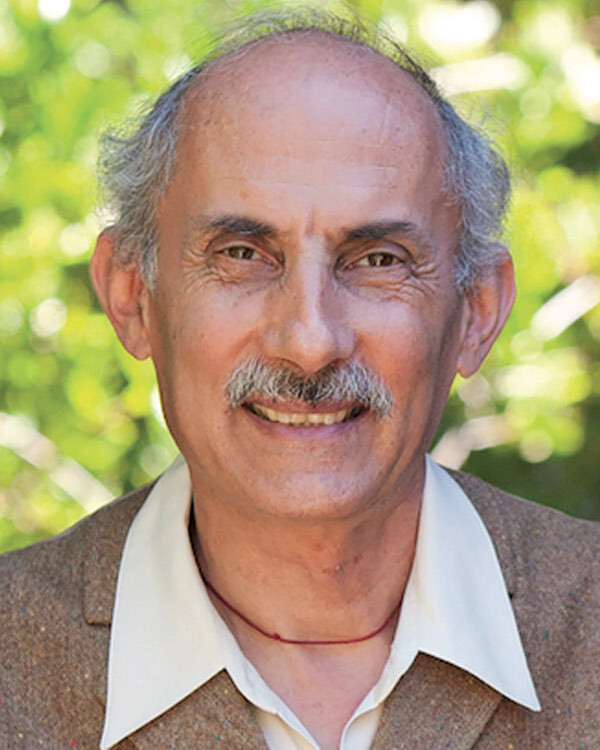
For Buddhist walking meditation, vipassana retreat centers teach kinhin as part of 10-day courses. Teachers like Jack Kornfield and Thich Nhat Hanh have published accessible walking meditation instructions for home practice.
Sufi whirling requires careful preparation—whirling is best done on an empty stomach and wearing loose clothing—and benefits from in-person instruction to learn proper form and avoid dizziness or injury.
Those drawn to gentler movement can begin with mindful walking in nature, yoga practiced with meditative attention, or qigong classes that emphasize internal awareness alongside form. The key distinguishing feature is the quality of attention brought to the activity, not the activity itself.